

Must-See Exhibitions Fall 2026
Wherever you are in Europe or the United States this fall 2026, there are great exhibitions to visit. From anniversary blockbusters to intimate focus...
Catriona Miller 25 September 2026
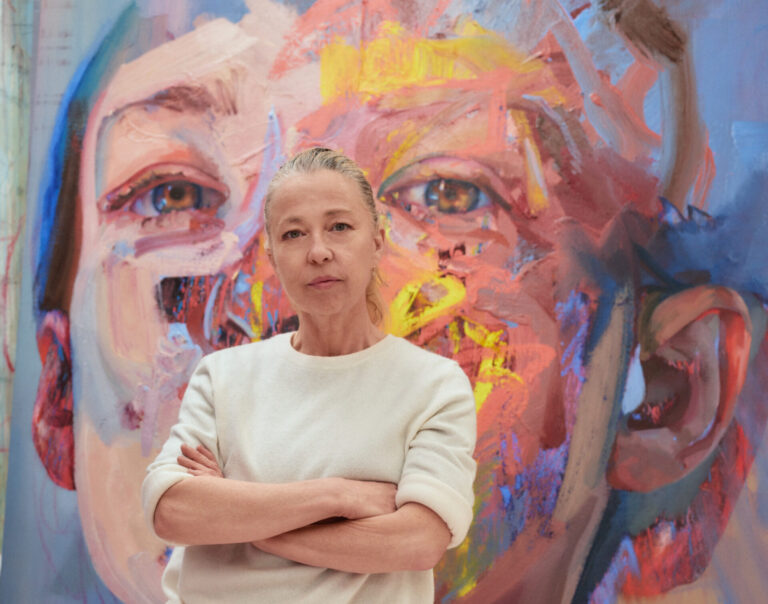
Jenny Saville, Portrait © Jenny Saville. All rights reserved, DACS 2026. Photo: Tyler Mitchell, Courtesy Gagosian. Press materials.
At DailyArt Magazine, we have assembled a carefully curated list of 10 must-see exhibitions across Europe and the United States this spring, from Chinese artist Cao Fei at Fondazione Prada in Milan to the Sublime Poetry of Raphael at the Metropolitan Museum of Art in New York. If you manage even one of these 10 exhibitions on your bingo card, that alone is something special!
Rothko in Florence, Palazzo Strozzi, Florence, Italy, March 14–August 23, 2026
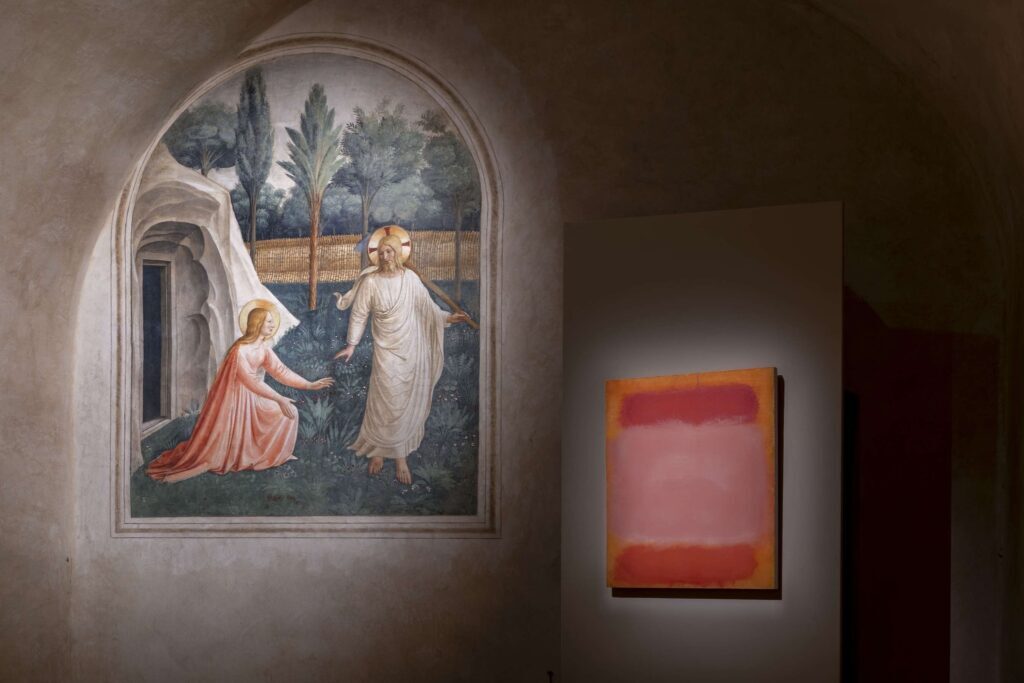
Installation view Rothko in Florence, Museo di San Marco, Florence, Italy. Photo: Ela Bialkowska, OKNO Studio. Press materials.
Rothko in Florence, hosted by Palazzo Strozzi, explores the unexpected connections between Mark Rothko’s color field paintings and the city itself. The exhibition follows Rothko’s artistic development from early figuration to the meditative, large-scale canvases that define his mature practice. Rothko visited Florence twice and was inspired by Fra Angelico’s work at the Convent of San Marco and Michelangelo’s architectural design at the Laurentian Library. Beyond the 15th-century Palazzo Strozzi, the show places Rothko’s paintings also within these key sites, including the monastic cells where he first encountered Fra Angelico’s frescoes. The exhibition offers a rare opportunity to experience Rothko’s radically modern language framed within Florence’s artistic legacy.
Hurvin Anderson, Tate Modern, London, UK, March 26–August 23, 2026
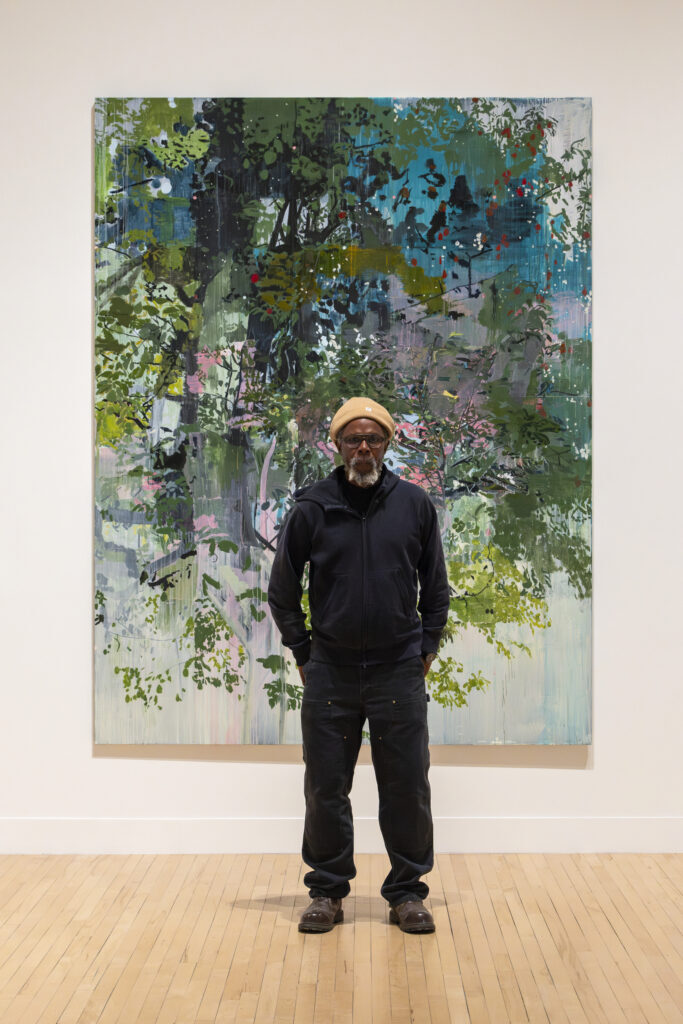
Hurvin Anderson, 2026. Photo Tate Photography (Lucy Green). Press materials.
This first large-scale survey of the work of Hurvin Anderson at Tate Britain positions the artist as a leading figure in contemporary painting, tracing a practice that can be seen as deeply rooted in the British landscape tradition. Born to Jamaican parents in Birmingham, Anderson’s British–Caribbean heritage is central to his work. Over three decades, he has consistently engaged with the histories of the Caribbean diaspora and the painterly representation of concepts regarding place, memory, and the experience of belonging.
The exhibition centers on subjects that Anderson has returned to throughout his career, including the importance of barbershops as social and cultural spaces. Anderson’s work is a sustained exploration of identity, where he is less concerned with describing places as they are than with how they are remembered and reconstructed.
Schiaparelli: Fashion Becomes Art, Victoria and Albert Museum, London, UK, March 28–November 8, 2026
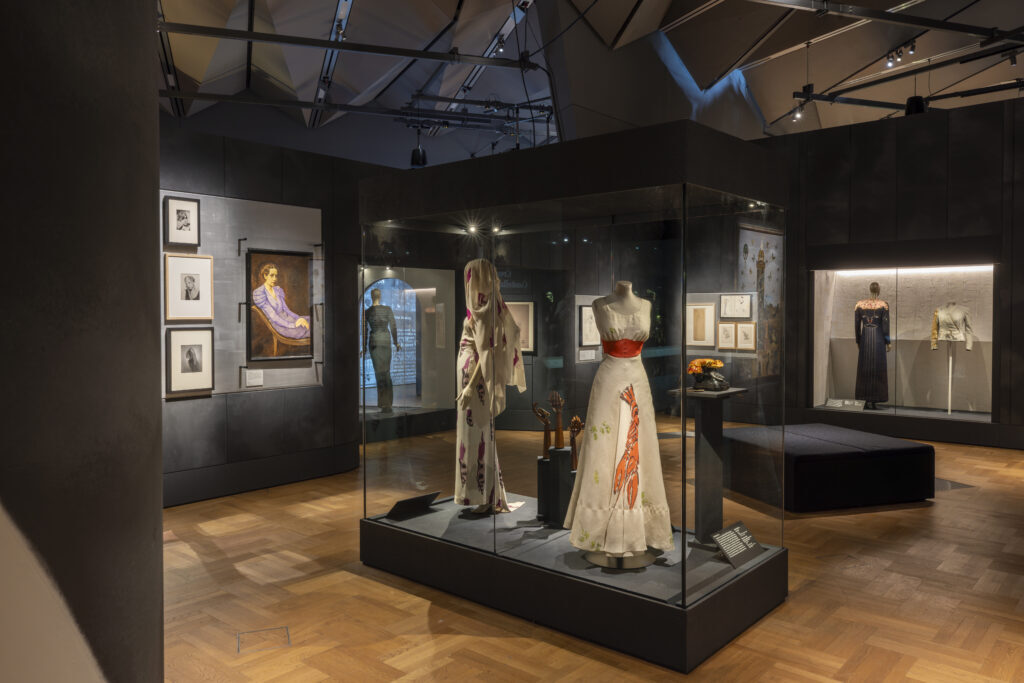
Installation view of Schiaparelli: Fashion Becomes Art, Victoria and Albert Museum, London, UK. © Victoria and Albert Museum, London. Press materials.
The 2026 Met Gala dress code will be “Fashion is Art.” But before the first Monday in May is upon us, the Victoria and Albert Museum presents the first major UK retrospective on Italian designer Elsa Schiaparelli and the fashion house she founded, from its establishment in 1927 to its contemporary revival. Through more than 200 objects, Schiaparelli: Fashion Becomes Art centers on her understanding of fashion as both an artistic and intellectual practice. Schiaparelli is presented not simply as influenced by art, but as an active participant in the avant-garde.
The exhibition also shows how Schiaparelli applied Surrealist ideas directly to clothing, transforming garments into striking visual innovations through the use of trompe l’oeil and unconventional color palettes, including iconic works created in collaboration with artists like Jean Cocteau, Man Ray and Salvador Dalí.
Jenny Saville, Ca’ Pesaro, Venice, Italy, March 28–November 22, 2026
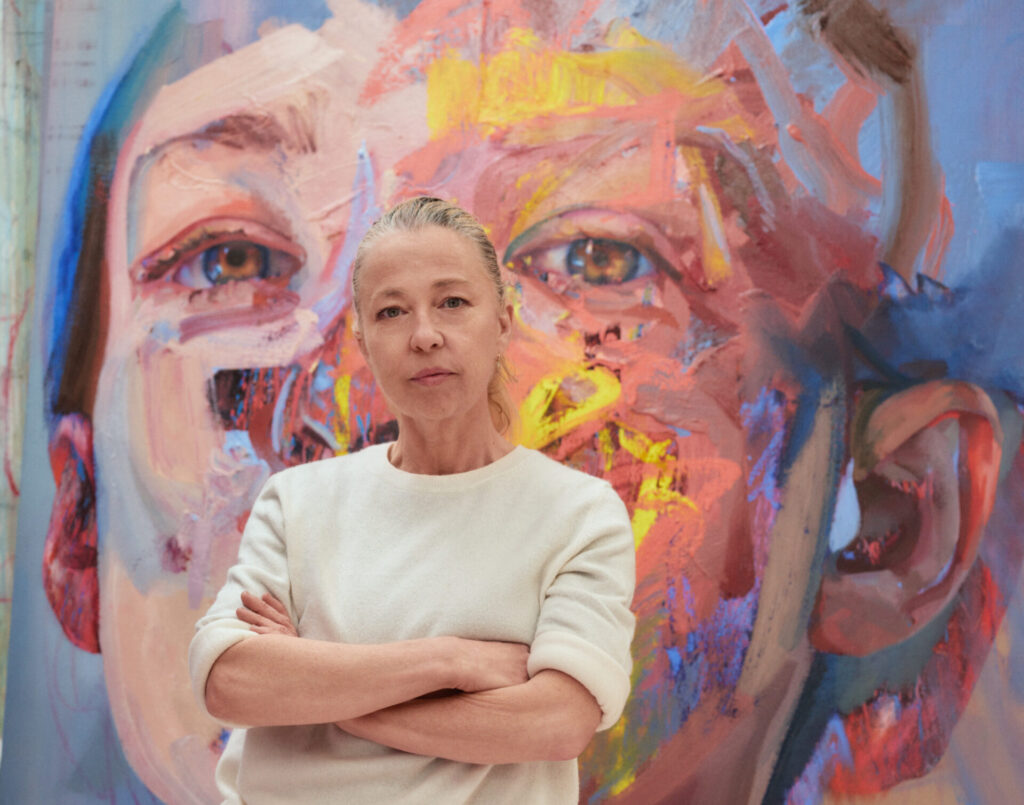
Jenny Saville, Portrait © Jenny Saville. All rights reserved, DACS 2026. Photo: Tyler Mitchell, Courtesy Gagosian. Press materials.
The International Gallery of Modern Art at Ca’ Pesaro presents the most significant institutional presentation in Italy of the work of contemporary artist Jenny Saville, coinciding with the Venice Biennale—one of the world’s most influential contemporary art exhibitions. The show traces Saville’s career from the 1990s to today, positioning her large-scale figurative paintings in dialogue with the artistic legacy of the Venetian School. Saville has spoken widely about her sustained engagement with both Old Masters and modern painting, while also addressing contemporary debates around the body, identity, and representation. This show is also unique in that it presents a previously unseen cycle of works created by Saville specifically in homage to Venice, evidence of the engagement that artists have had with the “Serenissima” throughout the centuries.
Raphael: Sublime Poetry, Metropolitan Museum of Art, New York City, NY, USA, March 29–June 28, 2026
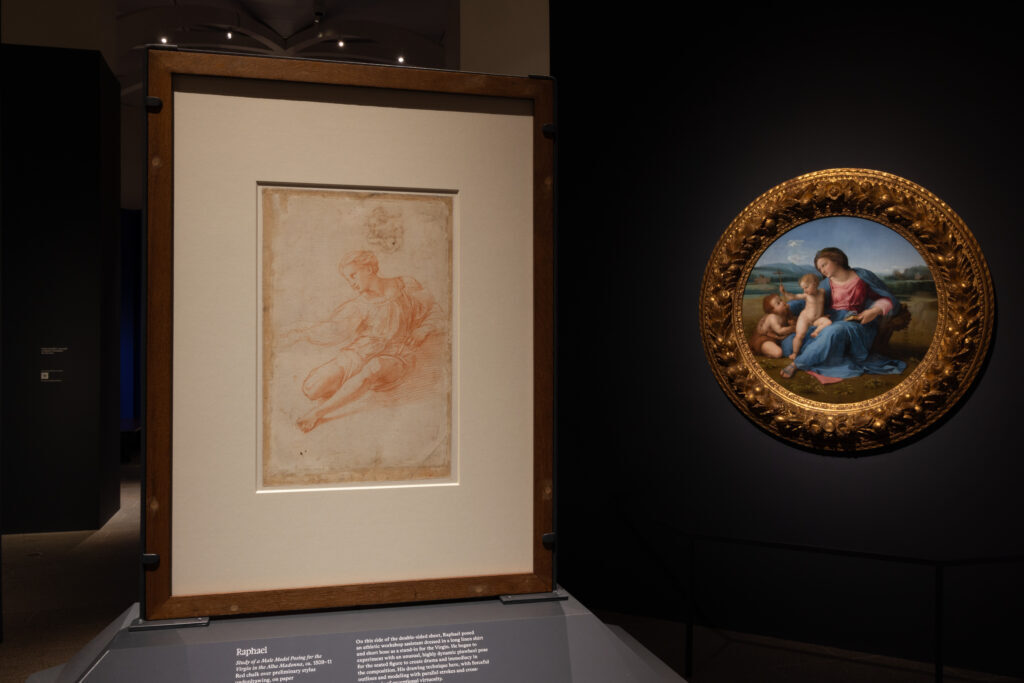
Installation view of Raphael: Sublime Poetry, on view March 29–June 28, 2026 at the Metropolitan Museum of Art. Photo by Eileen Travell, Courtesy of The Met. Press materials.
Raphael: Sublime Poetry at the Met is the first exhibition of this scale and scope on the “Prince of Painters” ever presented in the U.S. Bringing together more than 200 works (including over 170 drawings), it traces Raphael’s artistic development before his premature death at 37.
The exhibition highlights his creative process by linking preparatory studies and drawings to their finished works. Since many of Raphael’s greatest works remain in situ at the Vatican, the exhibition presents an immersive digital reconstruction of his fresco cycles, giving viewers a clear sense of their scale and setting in relation to the preparatory drawings on view. Including coups like The Alba Madonna from the National Gallery in D.C. and the Portrait of Baldassarre Castiglione from the Louvre, among many exceptional loans, the exhibition offers an unusually complete view of the Italian Renaissance masters’ practice and achievement more than 500 years after his death.
Lorna Simpson: Third Person, Punta della Dogana, Venice, Italy, March 29–November 26, 2026
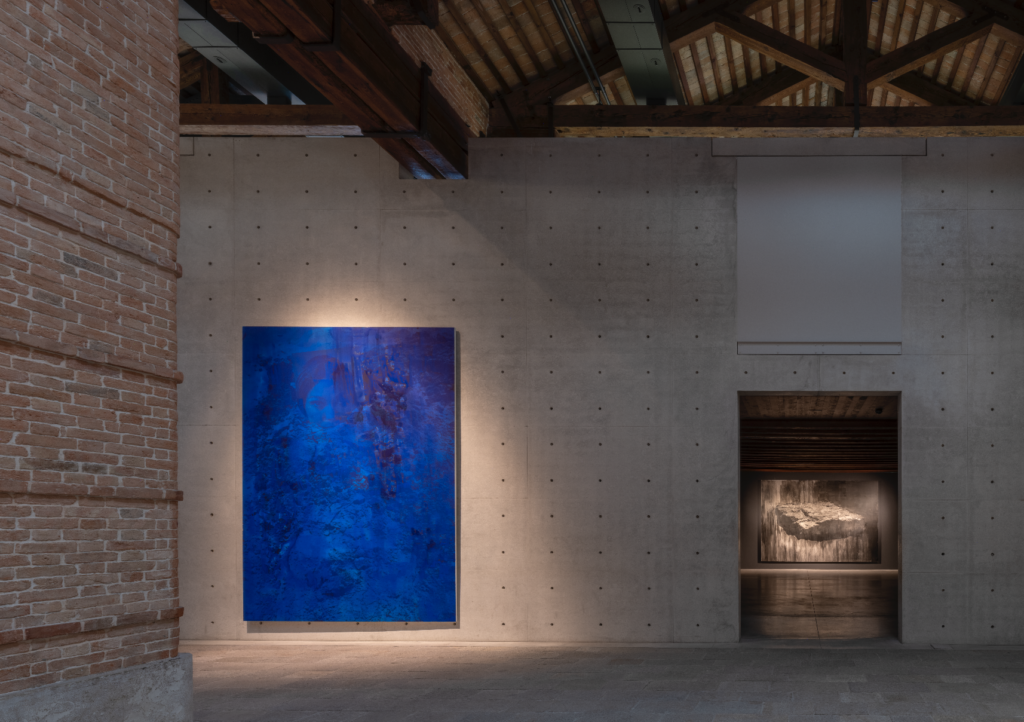
(from left to right) Lorna Simpson, Specific Notation, 2019, Courtesy of Glenstone Museum, Potomac, Maryland; did time elapse, 2024, Courtesy of The Metropolitan Museum of Art, New York, Purchase, Cheryl and Blair Effron, Lila Acheson Wallace, The Holly Peterson Foundation, and Modern Circle Gifts, 2025 (2025.14).
In Lorna Simpson: Third Person, Punta della Dogana hosts the first major European exhibition centered on the American artist’s painting practice. Bringing together around 50 works across media, with a clear emphasis on Simpson’s paintings since the mid-2010s, the exhibition focuses on her use and reproduction of archival imagery, including material from Ebony magazine.
Simpson has underscored that working with these images by cutting them apart and rearranging them into new compositions is often about highlighting how Black identity has been constructed, repeated, and misread in visual culture. Large-scale paintings feature figures and landscapes that emerge and dissolve within layered surfaces, extending Simpson’s focus on memory and the representation of things that are hard to fully see or grasp.
Dash, Fondazione Prada, Milan, Italy, April 9–September 28, 2026
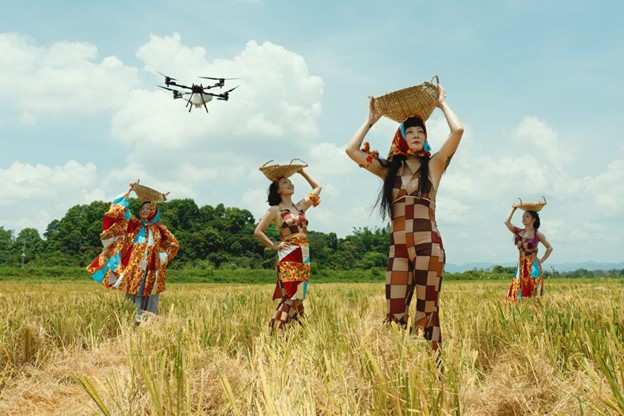
Cao Fei, Dash (still), 2026. Courtesy the artist, Vitamin Creative Space, and Sprüth Magers. Work produced by Fondazione Prada on the occasion of the exhibition Dash.
Based on three years of field research across China and Southeast Asia, Dash is a multimedia project by Chinese artist Cao Fei at Fondazione Prada in Milan. The exhibition examines the global transformation of agriculture through advanced technologies, including artificial intelligence. Combining video, virtual reality, and a variety of multimedia installations, it explores how these systems are reshaping rural life.
Cao Fei confronts critical issues in agriculture, including climate change, labor shortages, and food insecurity, while questioning how automation has altered human relationships to the land, culture, and traditions. Structured as an immersive environment, the exhibition centers on human–machine interaction and questions whether a new balance can be forged between nature and technology.
Marcel Duchamp, Museum of Modern Art, New York City, NY, USA, April 12–August 22, 2026
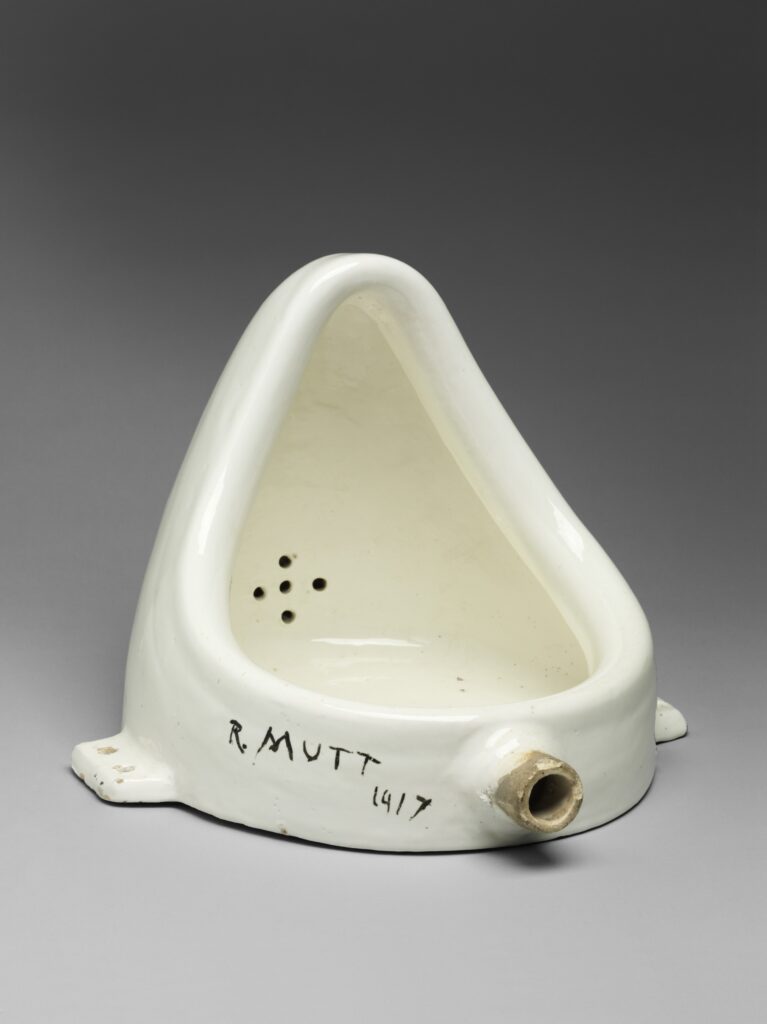
Marcel Duchamp, Fountain, 1950 (replica of 1917 original), Philadelphia Museum of Art, Philadelphia, PA, USA. The original Fountain (1917) work is now lost.
“Why is this art?” is a question often prompted by contemporary works and one that generally cannot be fully addressed without returning to Marcel Duchamp. From April 12 to August 22, 2026, the Museum of Modern Art in New York hosts the first major American retrospective on Duchamp in over 50 years, since its own landmark 1973 exhibition.
The show emphasizes Duchamp’s lasting impact on redefining artistic authorship and exploring the boundaries between art, concept, and object. It brings together close to 300 multimedia works spanning Duchamp’s six-decade career, including icons like Nude Descending a Staircase (No. 2) (1912) and surviving examples of his notorious “readymades” such as Fountain (1917). A major highlight is the most extensive presentation to date of Box in a Valise (1935–1941), where Duchamp turns the idea of a museum into something portable—a small “collection” of tiny reproductions of his most important pieces that you can carry with you.
Calder. Rêver en Équilibre, Fondation Louis Vuitton, Paris, France, April 15–August 16, 2026
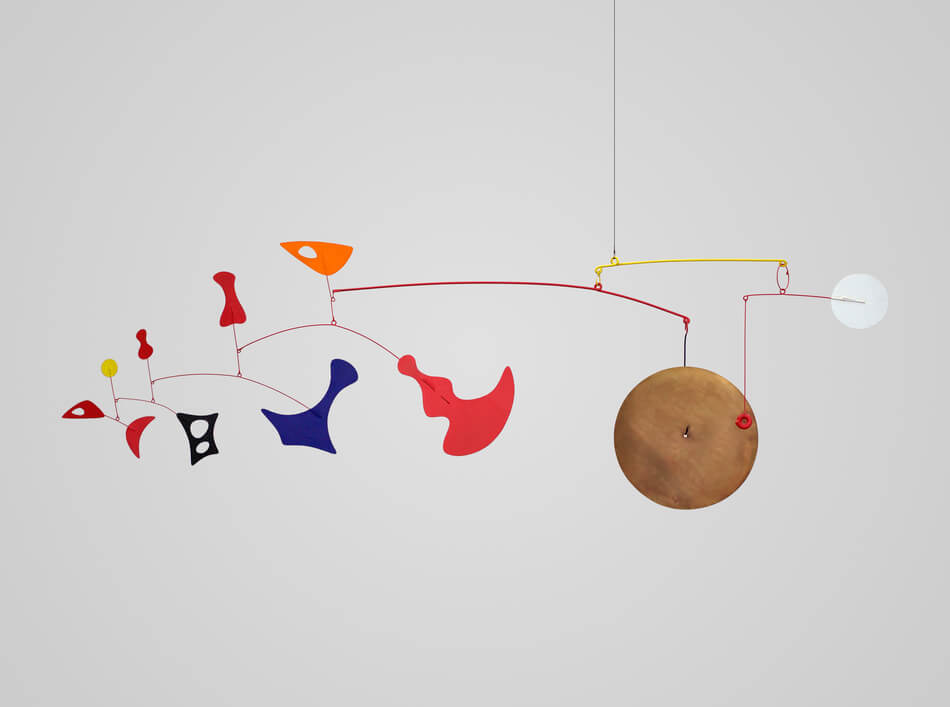
Alexander Calder, Dispersed Objects with Brass Gong, 1948. Shirley Family Calder Collection, Promised Gift to the Seattle Art Museum. © 2026 Calder Foundation, New York / ADAGP, Paris. Courtesy of Calder Foundation, New York / Art Resource, New York. Fondation Louis Vuitton.
Frank Gehry, one of the most influential architects of his generation, designed the Fondation Louis Vuitton in Paris as a structure of glass “sails” intended to be experienced through movement and shifting perspectives. Gehry has cited Alexander Calder as a formative influence, particularly in the pursuit of how form can suggest motion while remaining structurally balanced. That connection makes the Fondation, a landmark of contemporary museum design, an ideal setting for one of the most comprehensive Calder retrospectives to date.
Calder. Rêver en Équilibre (Dreaming in Balance) presents the avant-garde artist as a transformative figure that reshaped modern sculpture. Long before participation in art was a trend, Calder created works that you simply had to experience, redefining sculpture as dynamic and responsive rather than fixed and static.
Helen Frankenthaler, Kunstmuseum Basel, Basel, Switzerland, April 18–August 23, 2026
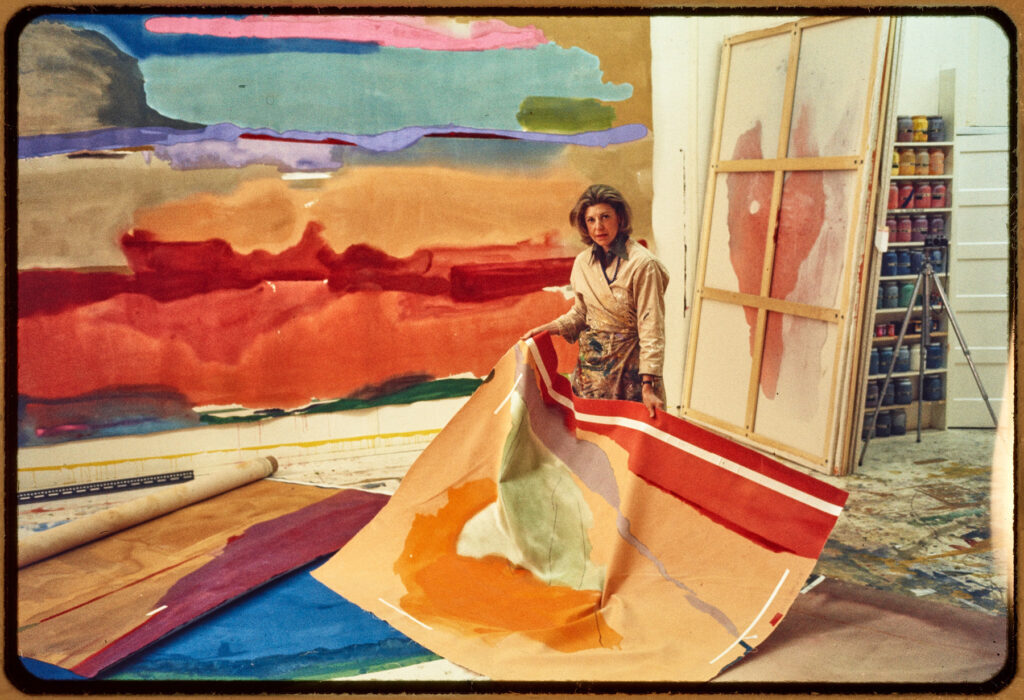
Helen Frankenthaler in her studio on East 83rd Street, New York, 1974. Photo Credit: Alexander Liberman, © J. Paul Getty Trust. Werke © 2026 Helen Frankenthaler Foundation, Inc / ProLitteris, Zurich. Kunstmuseum Basel.
Kunstmuseum Basel brings together more than 50 works by Helen Frankenthaler in the most extensive survey of Frankenthaler’s art ever shown in Europe. The exhibition centers on her often overlooked contribution to postwar abstraction, particularly her invention of the soak-stain technique in the early 1950s, shaping the emergence of color field painting. Fusing color and surface, Frankenthaler produced luminous compositions with a balance of spontaneity and control employing a unique process that involved manipulating paint with various tools from all sides of the canvas. The show also traces the evolution of Frankenthaler’s practice across mediums, underscoring her sustained pursuit of artistic innovation.
DailyArt Magazine needs your support. Every contribution, however big or small, is very valuable for our future. Thanks to it, we will be able to sustain and grow the Magazine. Thank you for your help!
Rivera is a New York City–based journalist with more than two decades of experience, known for thriving in a media capital that tests endurance as much as talent. Reporting has taken her from the World Cup to the Louvre. Her wide-ranging interests in art history have been shaped by years of independent study and research in New York’s major museums and many leading art institutions around the world.
Wherever you are in Europe or the United States this fall 2026, there are great exhibitions to visit. From anniversary blockbusters to intimate focus...
Catriona Miller 25 September 2026
How well do you know art from around the world? Anthropeum turns exploring the Met’s digital collection into a daily guessing game, where players...
Bec Brownstone 24 August 2026
As the art world turns the page on a new year, museums and galleries are unveiling a lineup that invites us into a season of bold visions, unexpected...
Natalia Iacobelli 15 January 2026
It might be cold and grey outside, but you can head into a museum and find sunshine and summer, color, and beauty. Here are some of the best...
Catriona Miller 1 January 2026