3. Textile Becomes More than a Craft
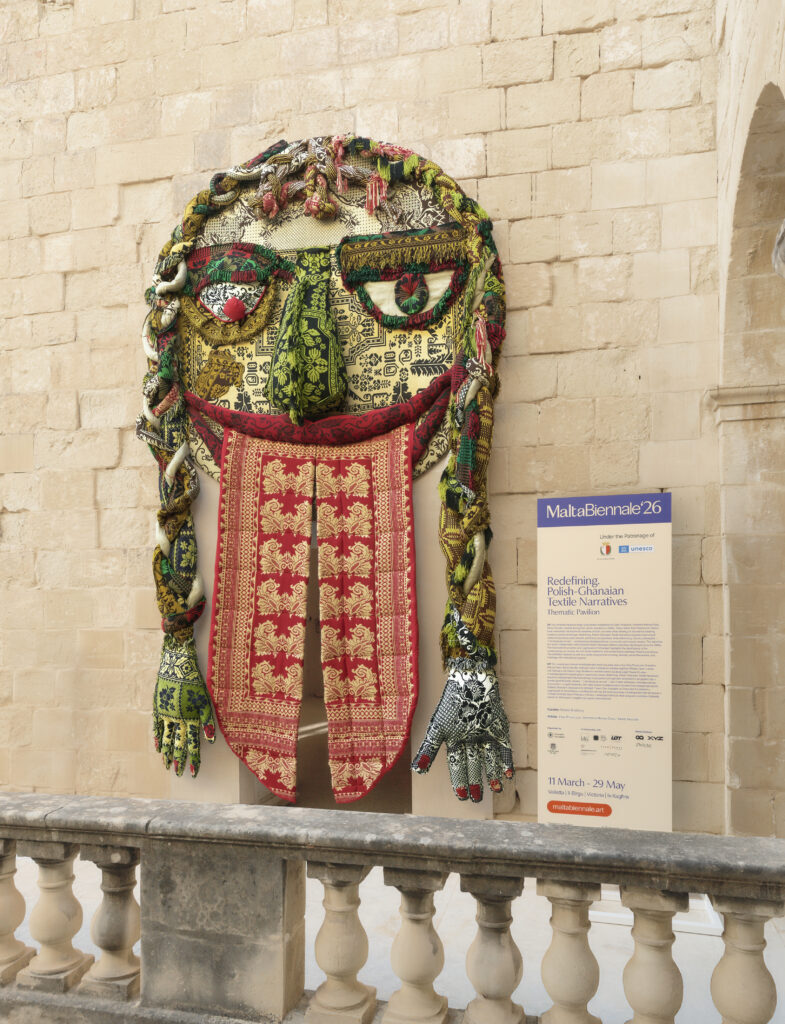
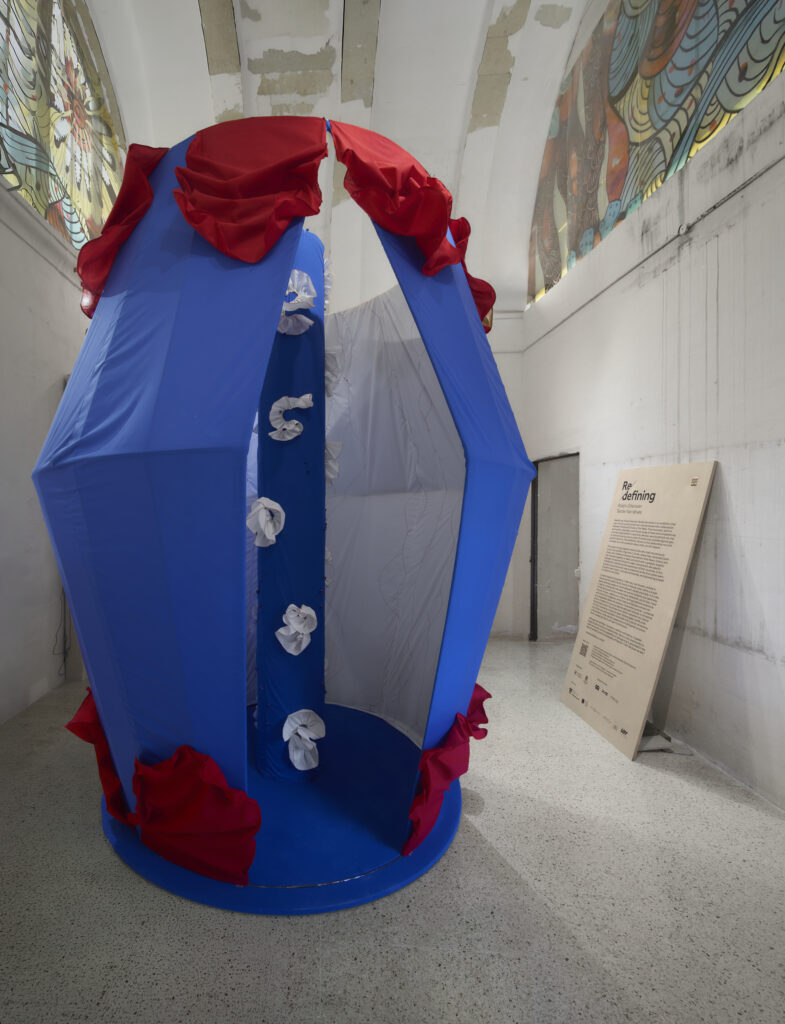
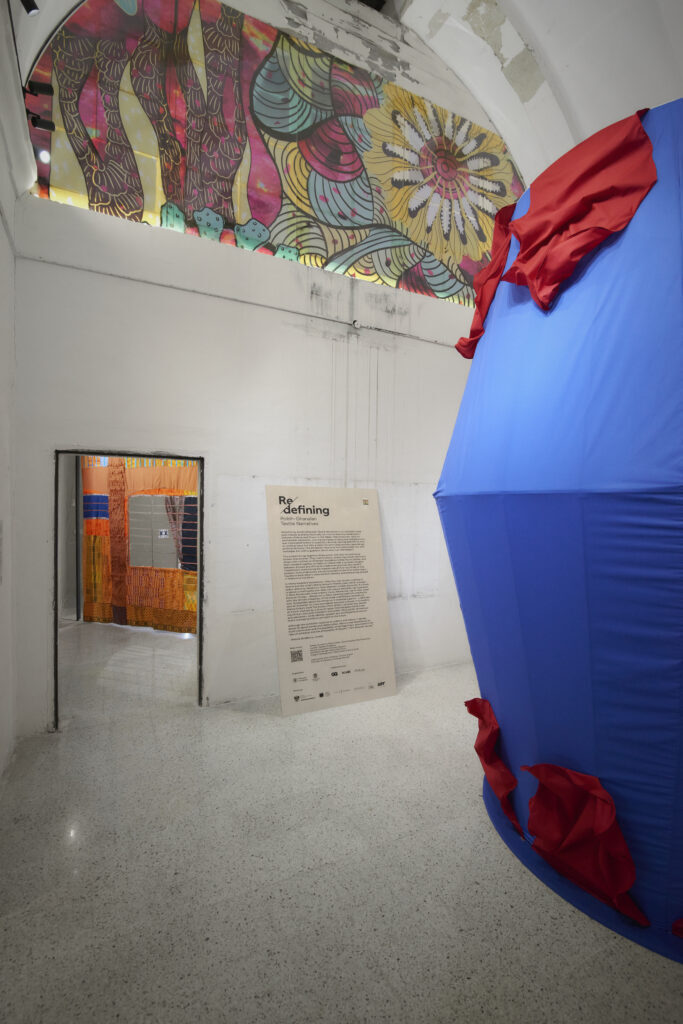
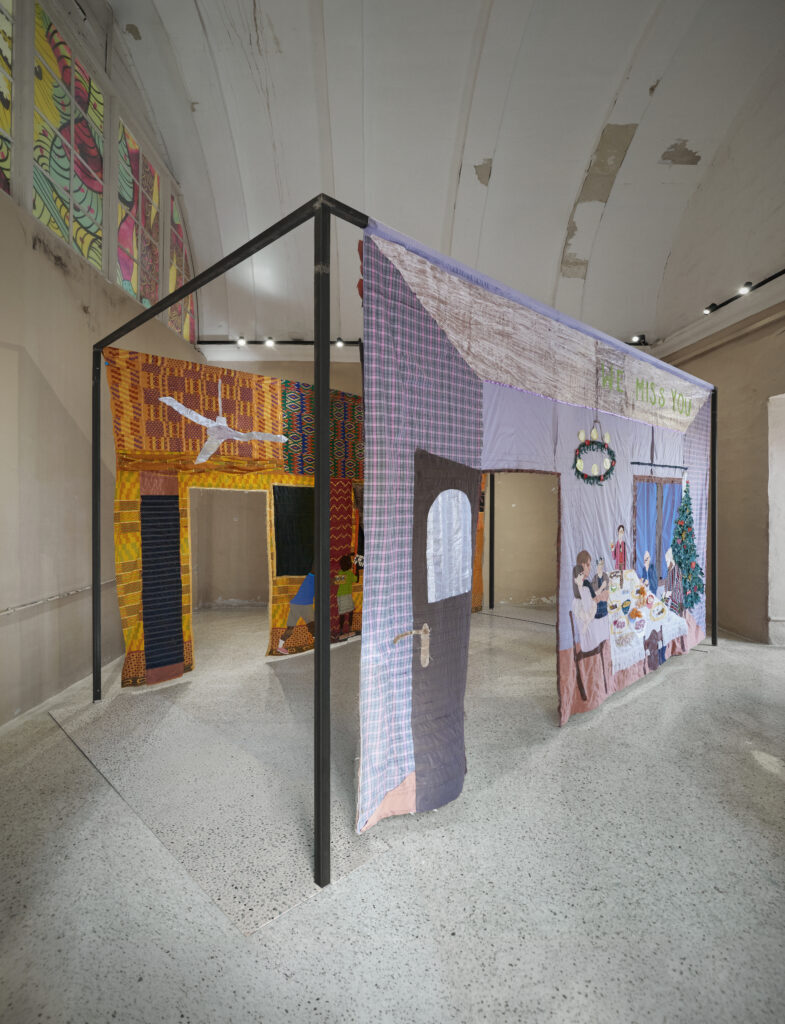
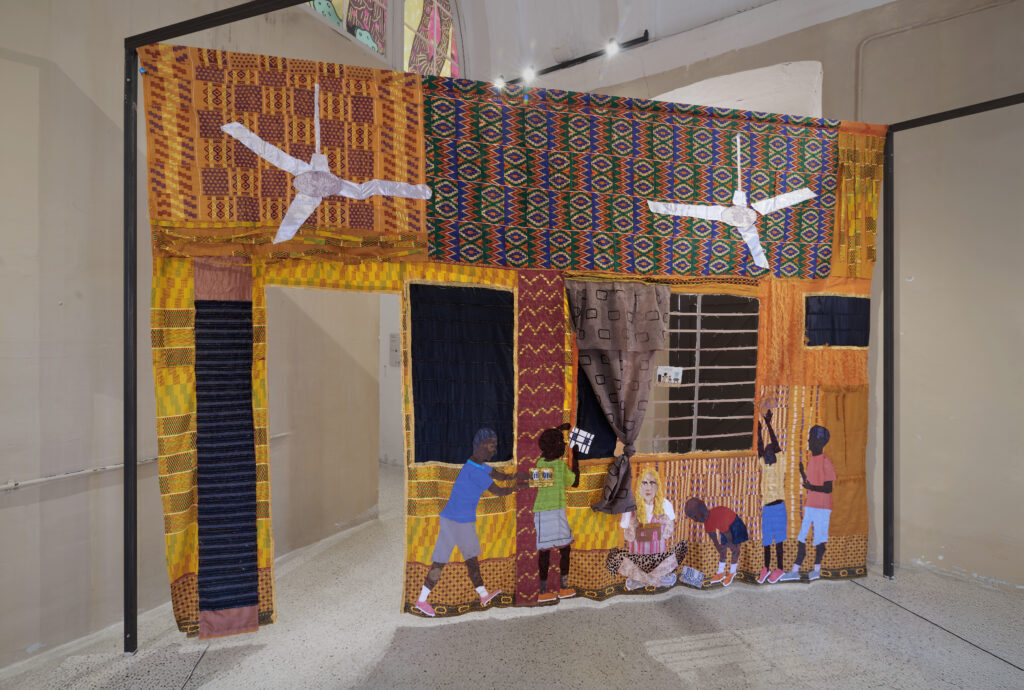
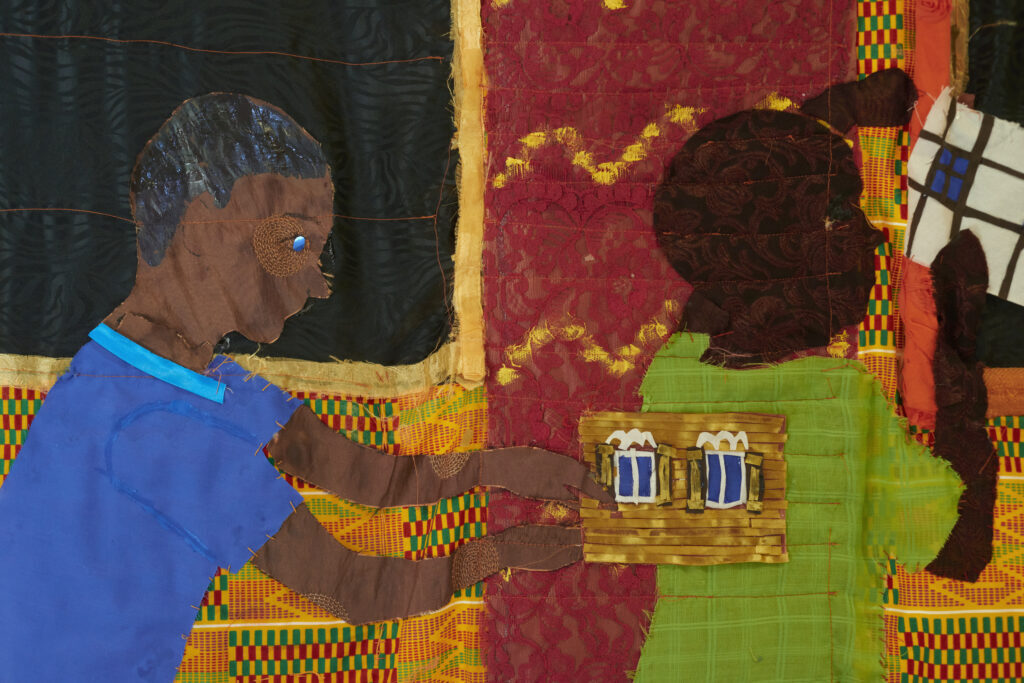
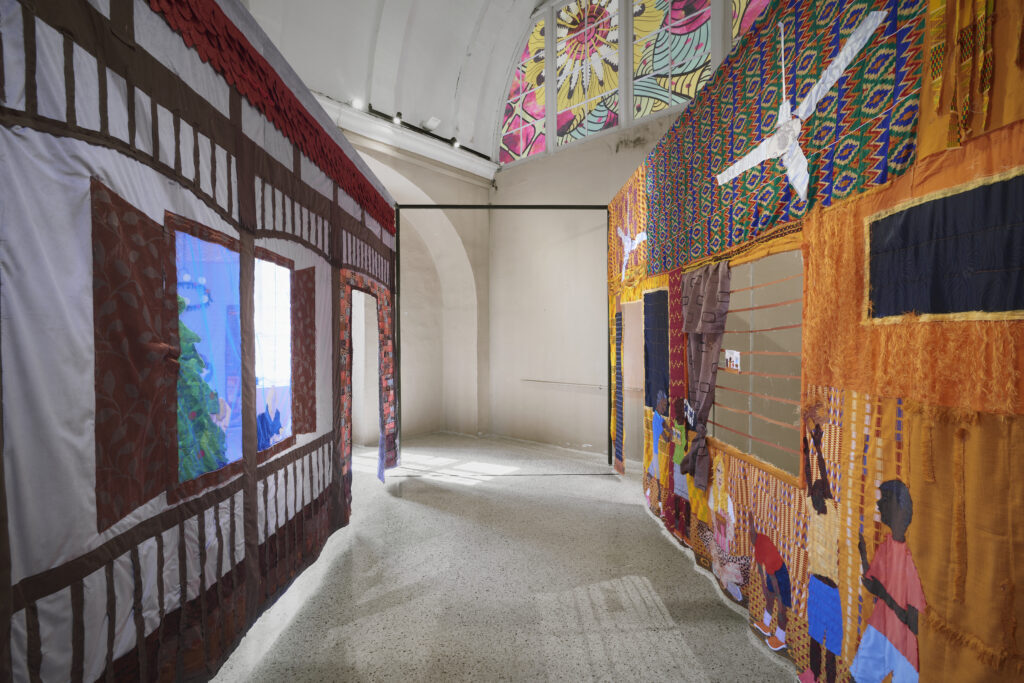
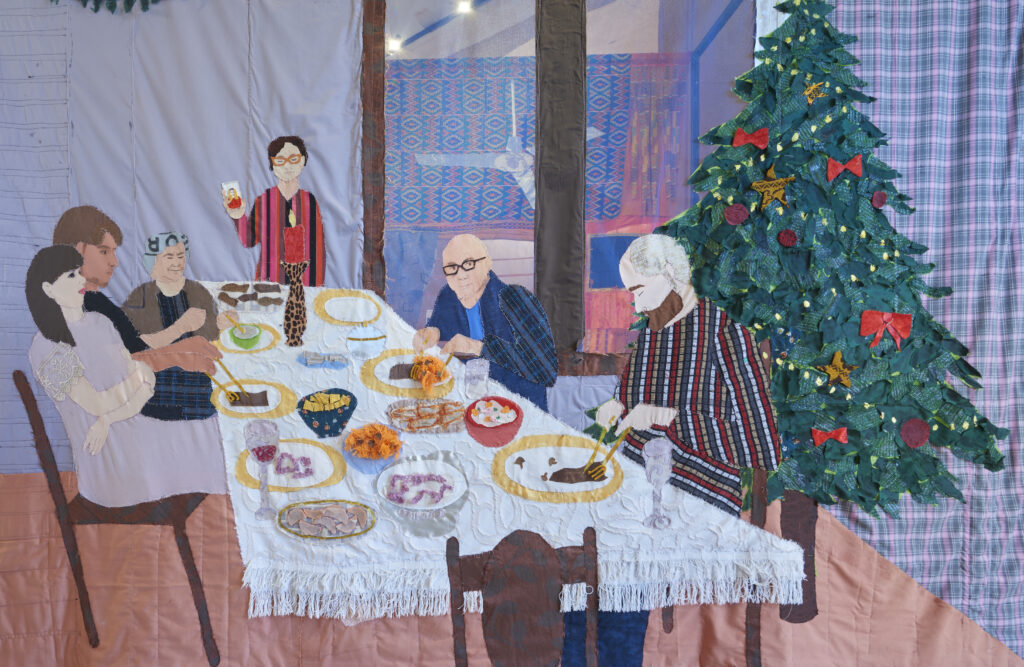
In the pavilion, fabric becomes a way of thinking. The installations are large, tactile, and layered, created during an artistic residency on Malta and drawing from weaving traditions of both Poland and Ghana.
This all links to the Polish School of Tapestry, one of the most influential movements in 20th-century textile art. It emerged in Poland in the 1960s, when artists began transforming traditional textiles into a powerful medium of contemporary art. Rather than treating tapestry as a decorative craft, Polish artists experimented with scale, texture, and unconventional materials, creating large, sculptural textile works that blurred the boundaries between weaving, sculpture, and installation. The movement gained international recognition during the 1962 Lausanne International Tapestry Biennial, where Polish artists—including now famous Magdalena Abakanowicz—presented monumental woven forms that revolutionized the perception of textile art.
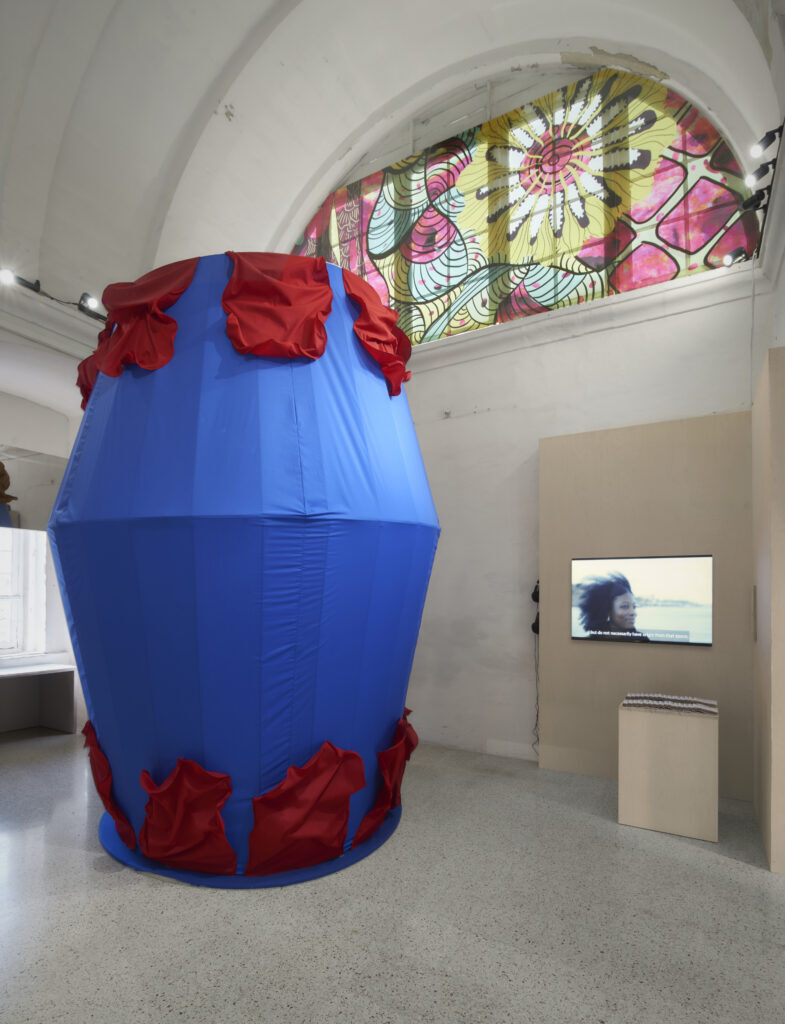
In this specific (and quite heavy!) context, the art of Ernestina Doku works surprisingly well. Doku, Ghanaian and the youngest artist in the project, explores identity as a process shaped by layered exchanges rather than a linear trajectory. She works across textiles, painting, and sculpture. Her key reference in The Echoes from Within is the chevron bead, once used as currency in colonial trade. The artist treats it as a symbol that shaped systems of exchange and, in turn, people’s identities.
Doku’s work focuses on how identity is formed through contact and circulation rather than belonging to a single origin. She uses materials and forms that are not strictly Ghanaian but are tied to her country’s history. Among the pieces are African wax prints—visible among her works presented in the windows—which are widely seen as “African” despite their complex, global production history. The light also becomes an active component of the work, filtering through surfaces of the pavilion evoking stained glass and subtly referencing Malta’s Christian architectural context.