


The Ethics of Depicting Nude Children in Art
Explore the challenges of representing naked children in art. How much do societal norms shape our views?
Candy Bedworth 16 July 2026
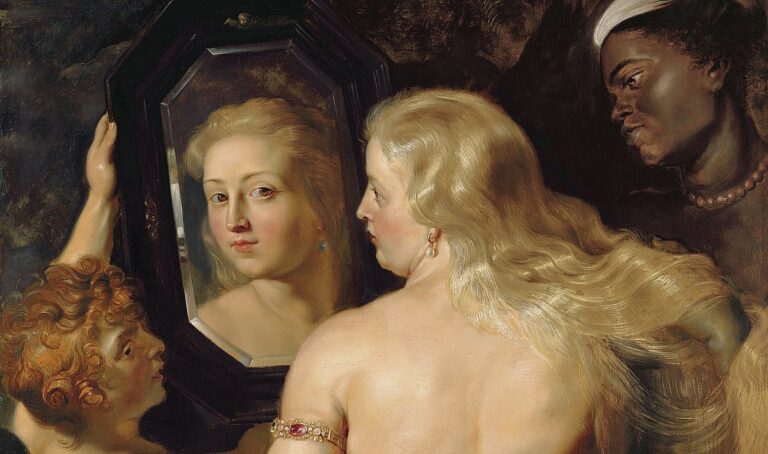
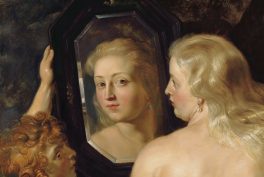
Peter Paul Rubens, Venus in Front of the Mirror, 1614 – 1615, Liechtenstein Museum, Vienna, Austria. Detail.
From Kylie to the Kardashians, bums seem to be big news. But that’s not modern selfie culture – the female body, especially buttocks have been a symbol of fertility and beauty since early human history and this is perfectly mirrored in art.
Modern women face a daily barrage of misogynist, hopelessly unattainable images of womanhood. It’s good to remember that womanly bodies come in all shapes and sizes, so let’s take a moment to celebrate that cellulite.
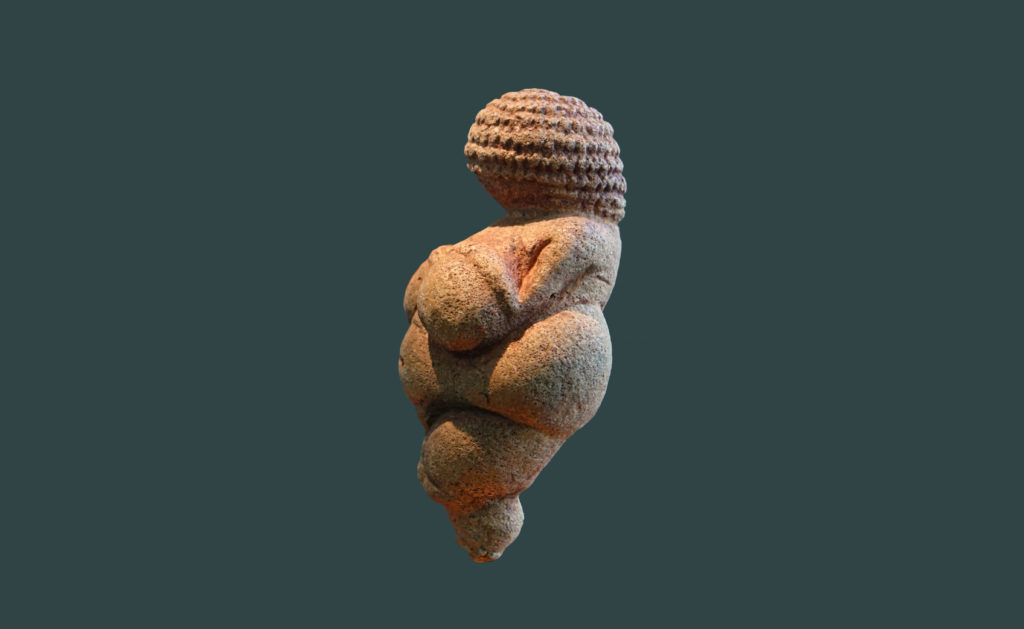
The Venus of Willendorf has exaggerated buttocks, hips, and thighs. Made of oolitic limestone, she is just over 4 inches tall and can be held in the hand. She is over 25,000 years old from the Paleolithic Period. Academics suspect she is a goddess/deity figure – a symbol of well-nourished fertility.
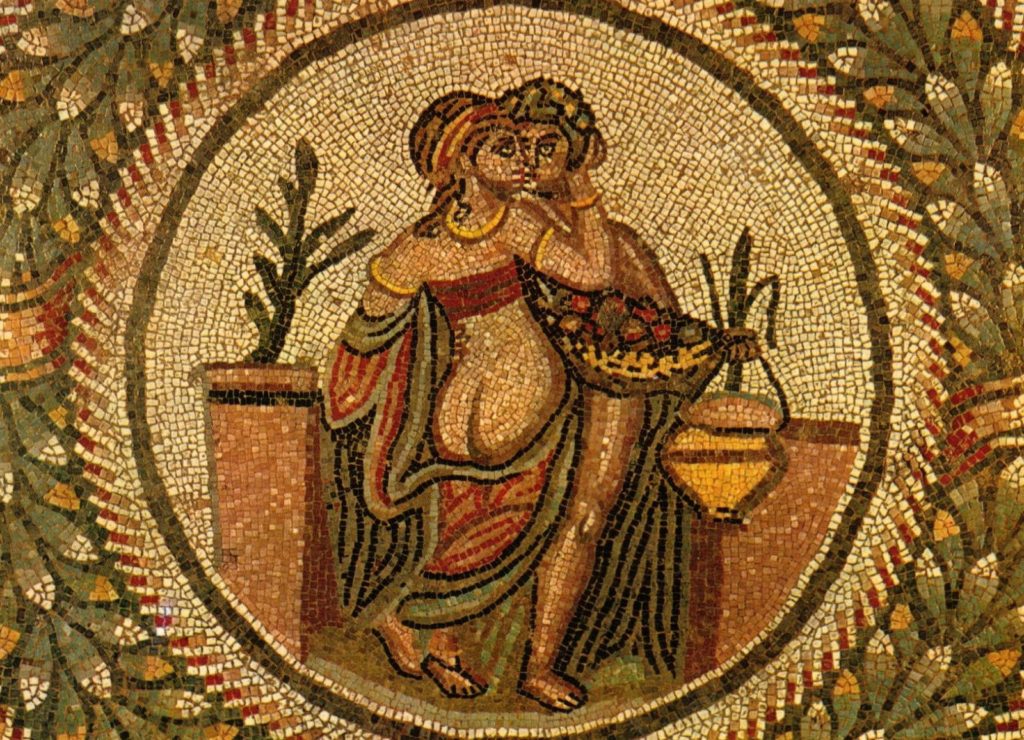
Modern excavations at the 4th century Piazza Villa Romana del Casale in Sicily revealed one of the richest collections of Roman mosaics in the world. This one above was found in the master bedroom!
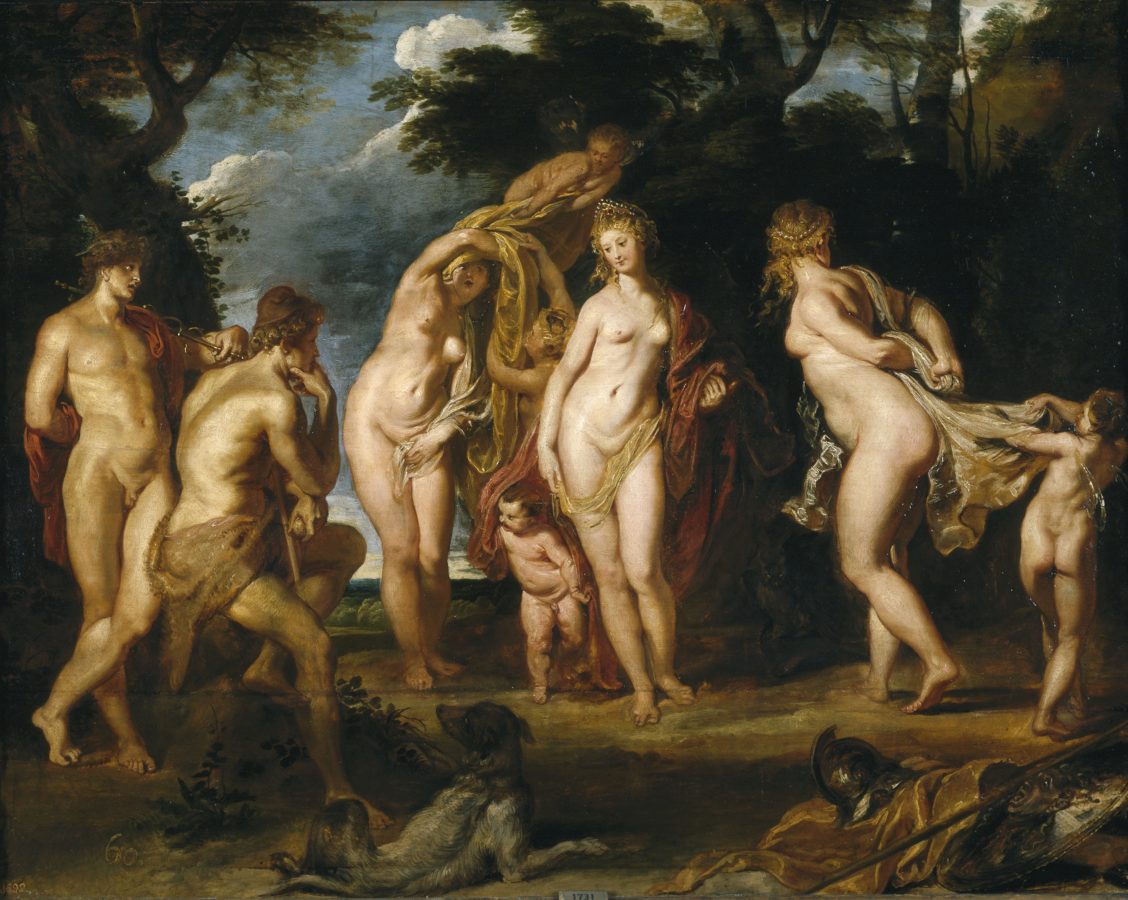
Peter Paul Rubens is, of course, the undisputed master of the fleshy bottom. In The Judgement of Paris we see a kind of beauty contest between Venus, Juno and Minerva, the prize being the golden apple in his hand. These large, fleshy goddesses look confidently in command of their bodies and their sexuality.
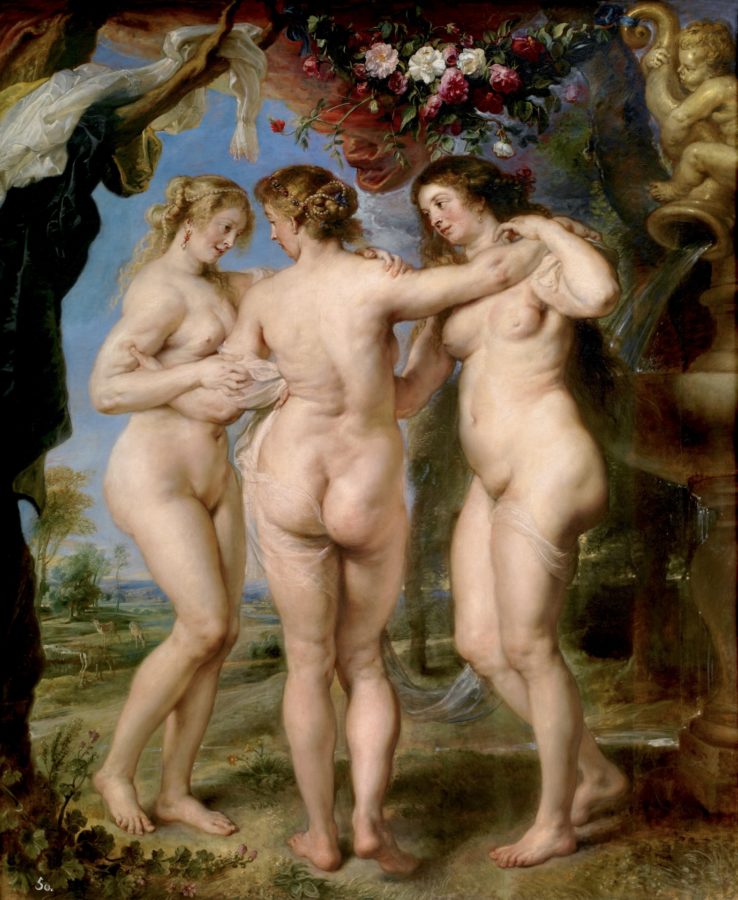
Three equally confident beauties appear in Rubens’s The Three Graces. This skillful signature style earned him the term ‘Rubenesque’ for portrayals of realistic, sensual flesh. Rubens didn’t stick to the rigid female archetypes of so many male artists, and the playful, plump, dappled derrieres of his women are a joy to behold.
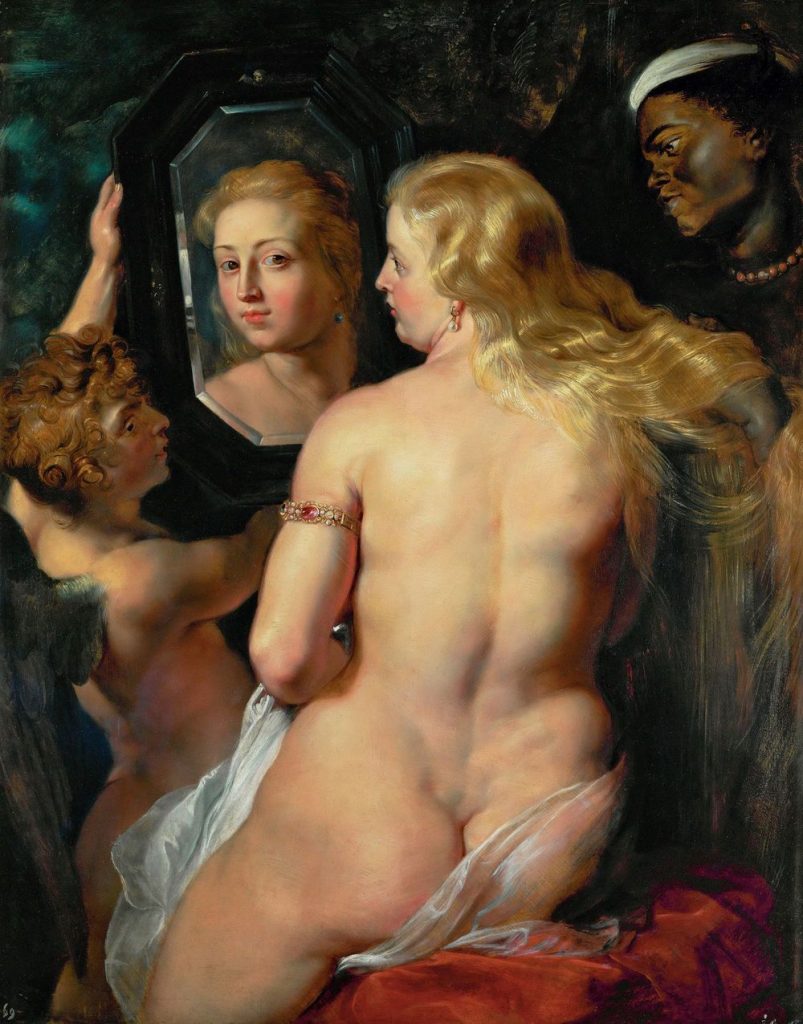
Rubens painted Venus in Front of the Mirror around 1613, an image re-visited by Diego Velazquez some 30 odd years later. Velazquez’s Rokeby Venus is more slender, with darker hair than the more rounded Rubens and without adornment. It is quite a departure from the classical depictions found in other works.
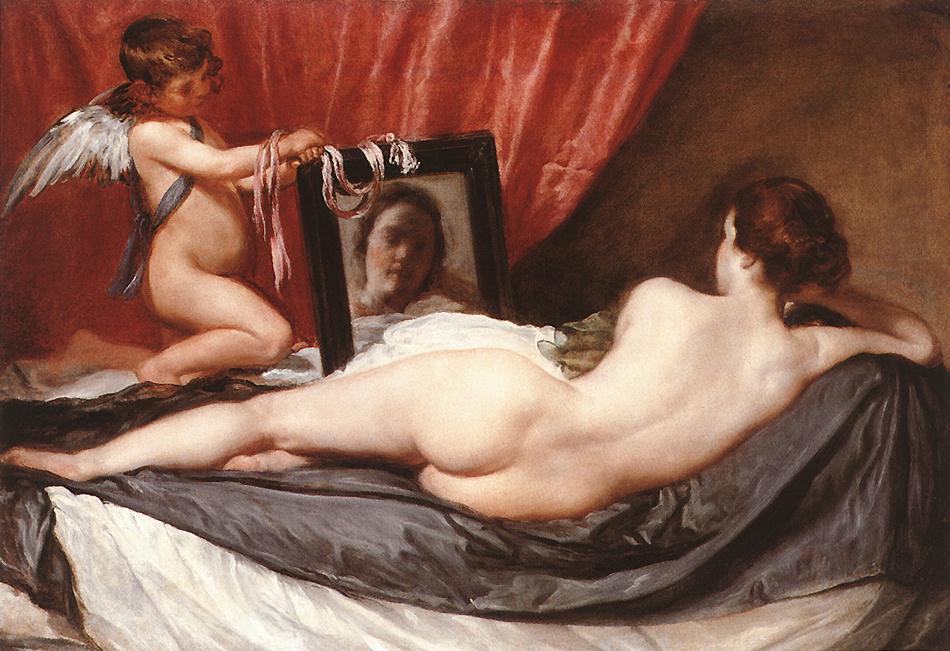
The Rokeby Venus is the only surviving nude by Velazquez. Nudes were rare in 17th century art – remember the Spanish Inquisition was policing the art scene! This painting is famous for being attacked by Suffragette Mary Richardson in 1914, although it was later fully restored. She said she didn’t like “the way men visitors gaped at it all day long.” Well, she did have a point!
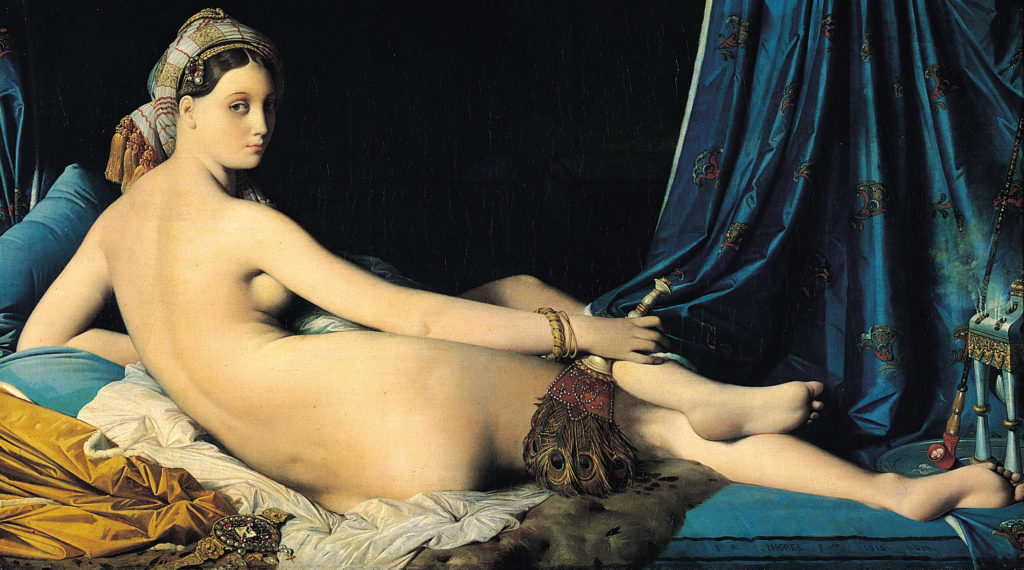
An image that drew strong criticism from the public and art critics alike was La Grande Odalisque, the most famous nude by painter Jean-Auguste-Dominique Ingres in 1814. The long, sinuous lines of this woman bear little resemblance to anatomical reality, a distortion derided by contemporary critics. Now it is hailed as the first great nude of the modern tradition.

Moving even further away from traditional representations of the nude figure in painting, Paul Cézanne produced a whole series of bathers paintings from the 1870s onwards. His large The Bathers is considered one of his finest works and was an inspiration for the Cubist movement. However, it appears that Cézanne ws not comfortable around naked models, and so his bathers were inspired by classical paintings and his own imagination.
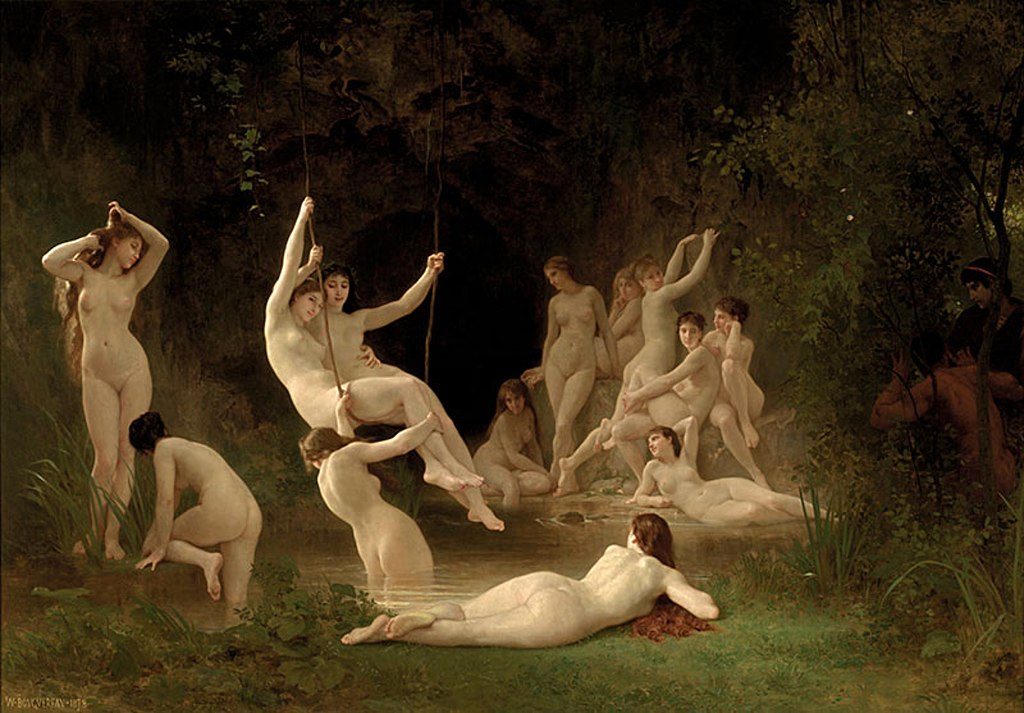
William-Adolphe Bouguereau stayed with the grand manners of the past when he orchestrated a whole host of frolicking nymphs in his painting The Nymphaeum in 1878. These are not really flesh-and-blood women – they are visions of perfection. They have impossibly smooth skins and perfectly proportioned bodies, but I have included it here, just for the sheer number of bottoms! Is this innocent and charming or erotic? What do you think?
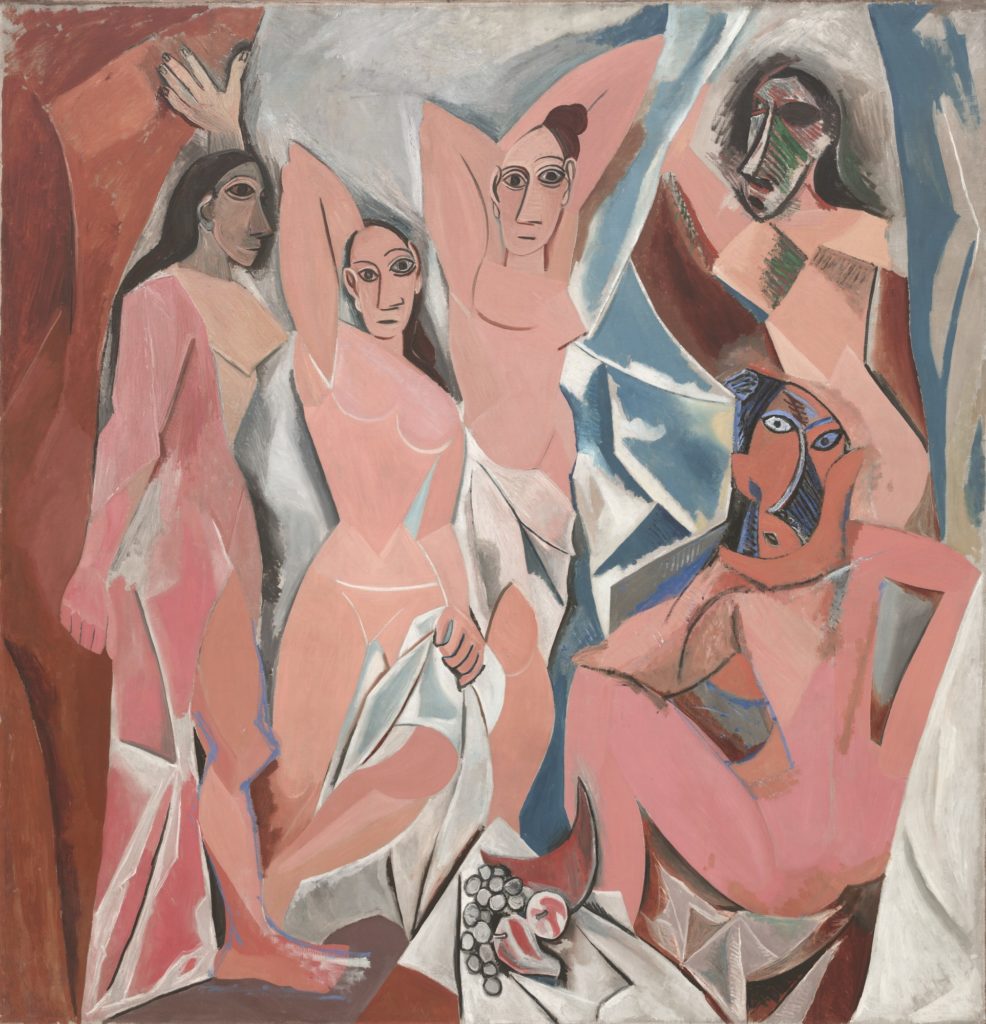
Pablo Picasso was the first to deconstruct the butt with Desmoiselles d’Avignon. See how the graceful curves of Rubens have become sharp and jagged. These women seem dangerous rather than welcoming, but this is still the male gaze we are dealing with here. Picasso was no feminist!
In the twentieth century, it seems we fell out of love with flesh. Or at least with the infinite varieties of the glorious feminine form. The media sells us contradictory directions. Big boobs are in, but not saggy ones. Bubble butts are in, but take a couple of ribs out to emphasise that tiny waist. Look fruitful and fertile, but don’t ever reveal a post-birth baby belly. Ever more scary surgical procedures are advertised. Get a Brazilian Butt Lift in your lunch hour – sepsis and stinky necrosis may be available with every purchase.
Here’s an idea! What if we check back in with our cultural heritage? Accept the bodies around us. Don’t drool over surgical or AI generated butts. Gaze at the women on the walls in our galleries. Get inspired by instagram accounts like @museumbums. It’s time to rebel, to draw in some body positivity. Butts can be ALL shapes and sizes. Go on, Rubens would be proud of you!
DailyArt Magazine needs your support. Every contribution, however big or small, is very valuable for our future. Thanks to it, we will be able to sustain and grow the Magazine. Thank you for your help!

Candy's remote, rain-soaked farmhouse clings to a steep-sided valley in rural Wales. She raises cats, chickens, and children with varying degrees of success. Art, literature, and Lakrids licorice save her sanity on a daily basis.
Explore the challenges of representing naked children in art. How much do societal norms shape our views?
Candy Bedworth 16 July 2026
Explore the representation of the female body and buttocks in art, celebrating diversity and beauty across history and modern culture.
Candy Bedworth 29 January 2026
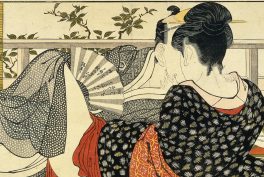
Erotic, playful, and unexpectedly sophisticated, shunga holds a unique place in Japanese visual culture. But there is often far more than mere...
Katerina Papouliou 5 March 2026
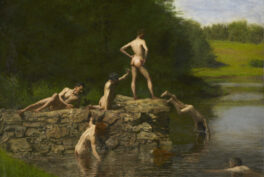
Nudity started being an important subject in art in ancient Greece. The male body was celebrated at sports competitions or religious festivals, it...
Anuradha Sroha 14 May 2026