A Very British Revolution
Tate Britain is hosting a new exhibition, The 90s: Art and Fashion. At the core is a showcase of the rebellious voice of the 1990s. The premise is simple—this was a decade that brought to the UK a cultural revolution. The exhibition pinpoints the beginning of it all with the resignation of Margaret Thatcher as Prime Minister in 1990. With her, the exhibition argues, also ended decades of austerity, traditionalism, and a conservative way of living. The nation was ready for change, and, in that context, a new generation of loud, innovative artistic voices burst forth.
The claim is well grounded, though of course change doesn’t happen overnight! The 1990s in Britain were a time of “out with the old and in with the new.” This touched everything, from art to fashion, music to sociology, and politics to everyday life. The exhibition curator’s task was not enviable—what to fill the exhibition rooms with to give a good snapshot of this mind-boggling change? Some of the choices, in my view, fell short.
Art or Fashion?
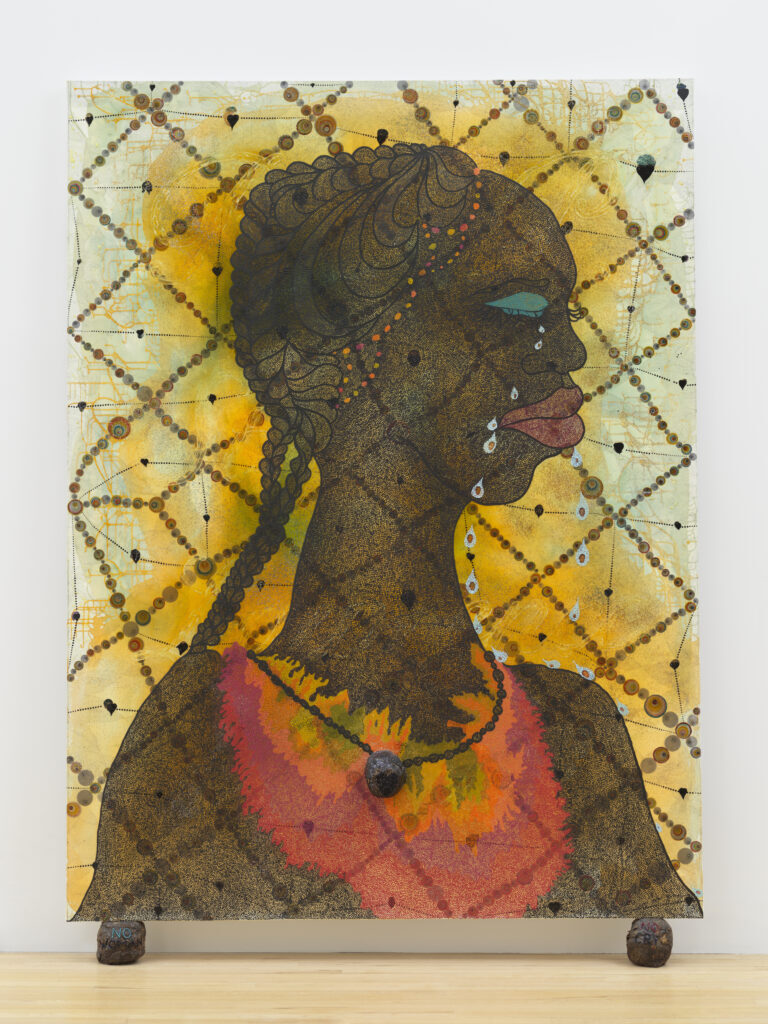
At the time, Britain had some of the most innovative voices in art. Even a collective name took hold among artists coming out of Britain in the late 1980s/early 1990s—the YBAs (Young British Artists). Some of them went on to dominate the international scene for decades. Chris Ofili caused havoc with his Holy Virgin Mary, depicting a black Madonna adorned with elephant dung, yet his only artwork to feature in the exhibition (No Woman No Cry) is relegated to the back of a room.
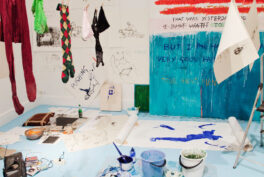
Tracey Emin’s deeply personal and unfiltered art (like her famous My Bed) shocked audiences and redefined the boundaries of what art is, yet all she has is a small neon light high up on a wall.
Damien Hirst soon established himself as one of the most influential artists of his generation, yet he is just name-checked with a modest installation. All this to say, there is plenty of art coming out of the UK in the 1990s to fill up the whole of Tate Britain, let alone this one exhibition. Yet art in the purest sense seems lacking.
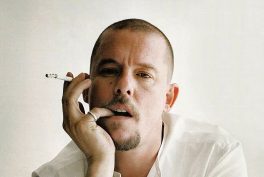
The curator of The 90s: Art and Fashion is British designer and editor Edward Enninful, who was, among his roles, editor-in-chief of British Vogue. Perhaps inevitably, then, this is an exhibition about fashion far more than it is about art. Fashion designer Alexander McQueen gets almost the exclusive to the largest room in the whole show—a room that features a number of dark and devilish works that are supposed to shock but fail to do so, with their lack of subtlety and in-your-face coarseness.
Wide-Reaching Change
Art and fashion are only some of the areas that were touched by the 1990s revolutionary spirit. Yet, fashion designers Vivienne Westwood and John Galliano occupy the majority of a room about a crucial sociological shift—the opening up of conversations about imperialism and the interrogation of subjects such as race, power, and class.
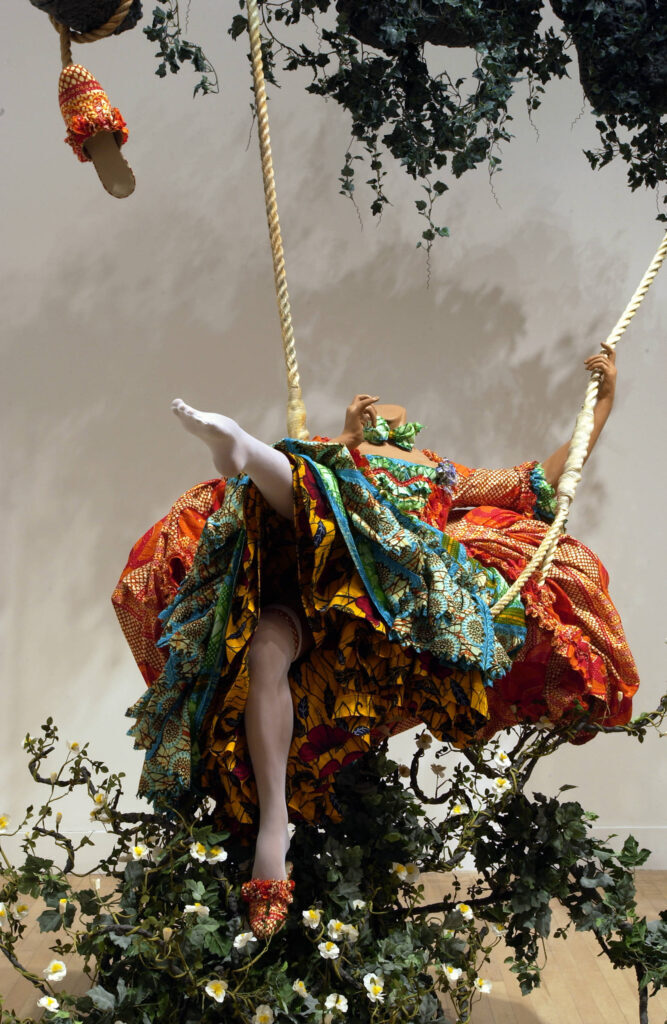
Yes, Yinka Shonibare’s take on Fragonard’s The Swing (one of the most effective pieces in the exhibition) shares the same room. In it, the main subject is an anonymous headless Black woman dressed in bold fabrics imported from Dutch colonies. With its sharp criticism of colonialism, exploitation, and the treatment of Black people, it is a powerful example of the way artists began to deal with these difficult subjects—but it is arguably belittled in a room full of faux-period shots.
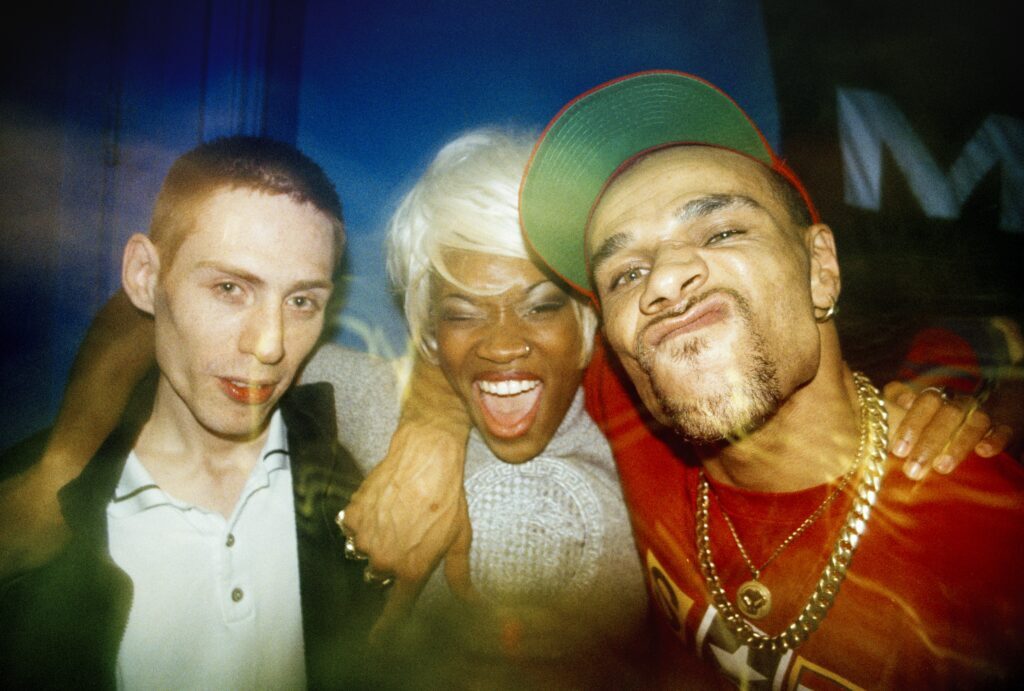
Other rooms mix art with fashion photography, with more or less degree of success. In a slightly odd choice, there is then a single room about music. The curator’s decision was to make it exclusively about club culture, which is debatable. Britain in the 1990s produced some huge names from all corners of the music scene (Oasis, Blur, Spice Girls, Radiohead, Take That, Massive Attack…), all of whom are loud in their absence. Music was, I would argue, best left out of the exhibition altogether.
Overall, this is, in my view, a flawed exhibition. It aims to encapsulate a decade of profound change in British culture. What it does well is begin to show the profound effect that the 1990s had in British culture, on so many different levels. However, ultimately it is only scratching the surface. This is perhaps inevitable, given the sheer amount of potential material in scope, yet some choices appear misplaced. Change in the fashion world comes through relatively strongly, but art seems relegated to an under-appreciated sidekick. Some might enjoy it, others might not. Up to you to decide!
The 90s: Art and Fashion is at Tate Britain, London, until February 14, 2027.