


Halloween Monsters: What Our Fears Reveal About Society
Halloween monsters have long served as mirrors of human fear and imagination. From vampires and witches to zombies and digital phantoms, they reveal...
Errika Gerakiti 30 October 2025
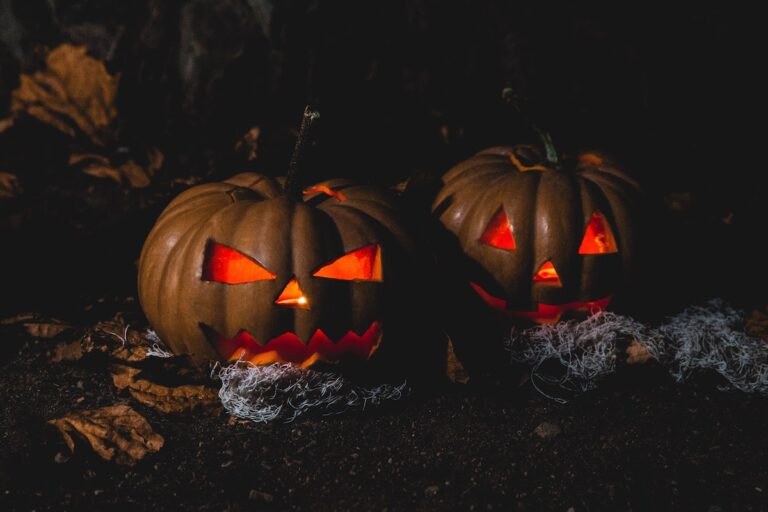
Traditional halloween jack-o’-lanterns. The Greenman Review.
When you picture Halloween, a flood of familiar images rushes in: glowing jack-o’-lanterns, fluttering bats, skeletons, and black cats. But the “look” of Halloween hasn’t always been so recognizable—or so Instagram-friendly. Over the centuries, its imagery has shifted from ritualistic and reverent to playful and commercial. Today, these evolving visuals reveal how culture expresses its attitudes toward death, fear, and fun.
The origins of Halloween aesthetics date back to Samhain, a Celtic festival that marked the end of the harvest and the arrival of winter. At its core, Samhain was a liminal moment when the line between the living and the dead seemed to fade. Communities lit roaring bonfires for protection, while masks and animal skulls served as both disguise and defense against spirits. These early aesthetics were primal, handmade, and symbolic, rooted in respect for nature’s cycles and the fear of unseen forces.
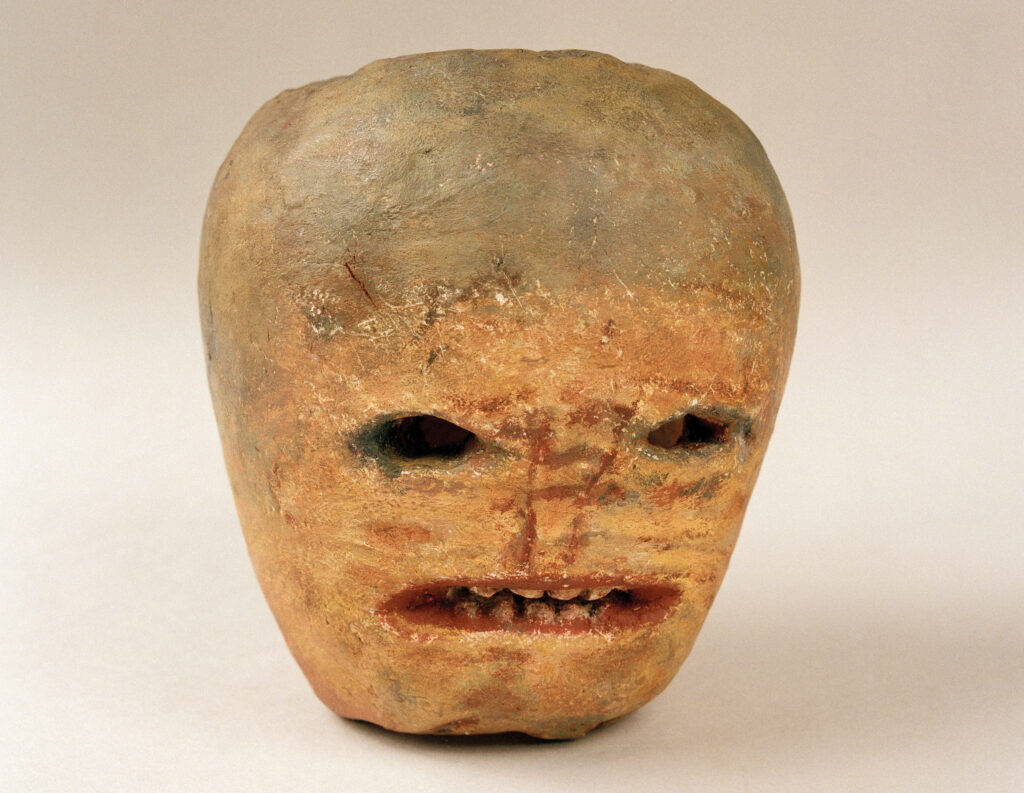
Ghost turnip, ca. 1900, National Museum of Ireland, Dublin, Ireland.
As Christianity spread, Samhain merged with All Hallows’ Eve, introducing new symbols to the evolving Halloween aesthetic. Skeletons, saints, and devils entered the visual vocabulary, and artists began exploring mortality in striking works such as Pieter Bruegel the Elder’s The Triumph of Death (1562–1563), where skeleton armies embody fears of plague and apocalypse.
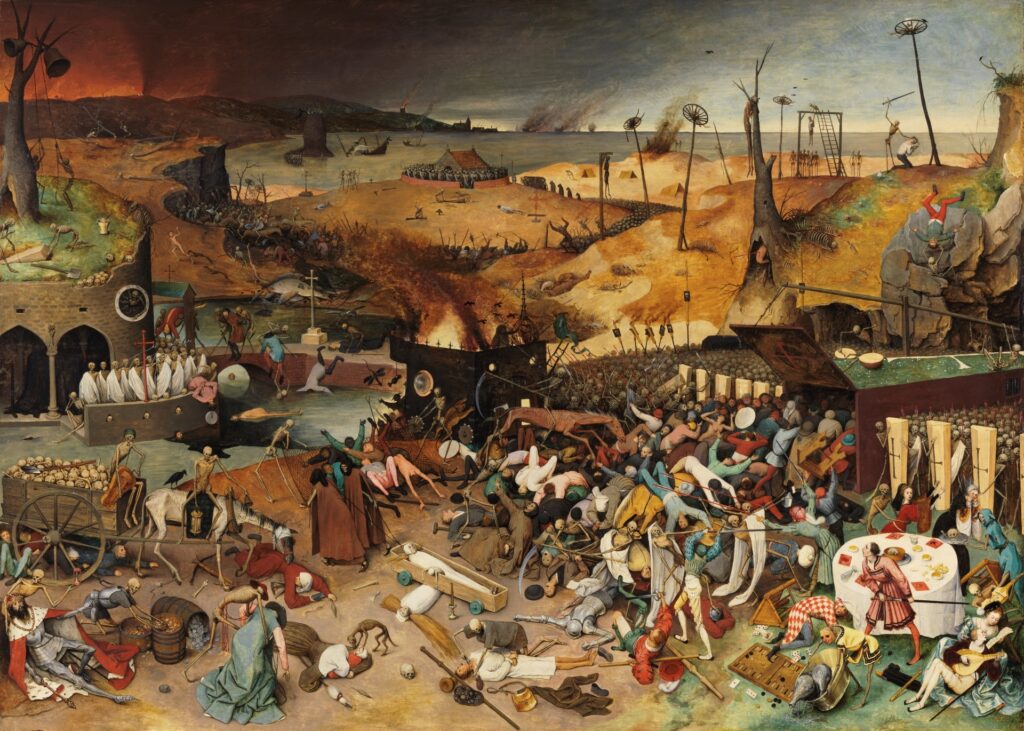
Pieter Bruegel the Elder, The Triumph of Death, 1562–1563, Museo del Prado, Madrid, Spain.
This period also saw the rise of the Danse Macabre, a genre depicting Death leading people from all walks of life in a dance, reminding viewers of their inevitable end. At the same time, memento mori artworks emerged, featuring skulls, hourglasses, and decaying objects that prompted reflection on mortality. The imagery during this time reflected societal anxieties, transforming spiritual ritual into vivid reminders of life’s fragility.
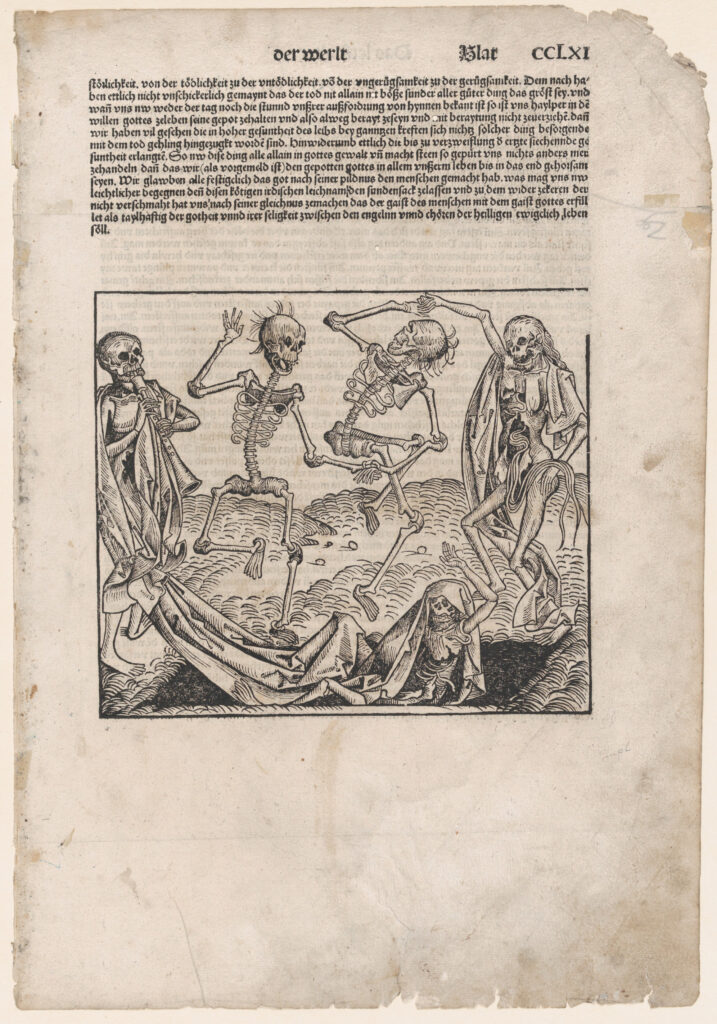
Michael Wolgemut, Dance of Death, leaf from The Nuremberg Chronicle, 1493, Metropolitan Museum of Art, New York City, NY, USA.
By the 19th century, Halloween had become a social holiday, shaping its modern aesthetic. Parties, parlor games, and fortune-telling grew popular. Postcards, illustrations, and magazine prints featured witches, black cats, and harvest scenes, blending charm with spookiness. Witches often looked grandmotherly, pumpkins glowed cheerfully, and black cats appeared mischievous rather than threatening. The Victorian fascination with spiritualism—through séances, ghost stories, and occult experiments—added a whisper of the supernatural. This era transformed Halloween imagery into a mix of playful fun and gentle fright, laying the foundation for the holiday’s decorative traditions.
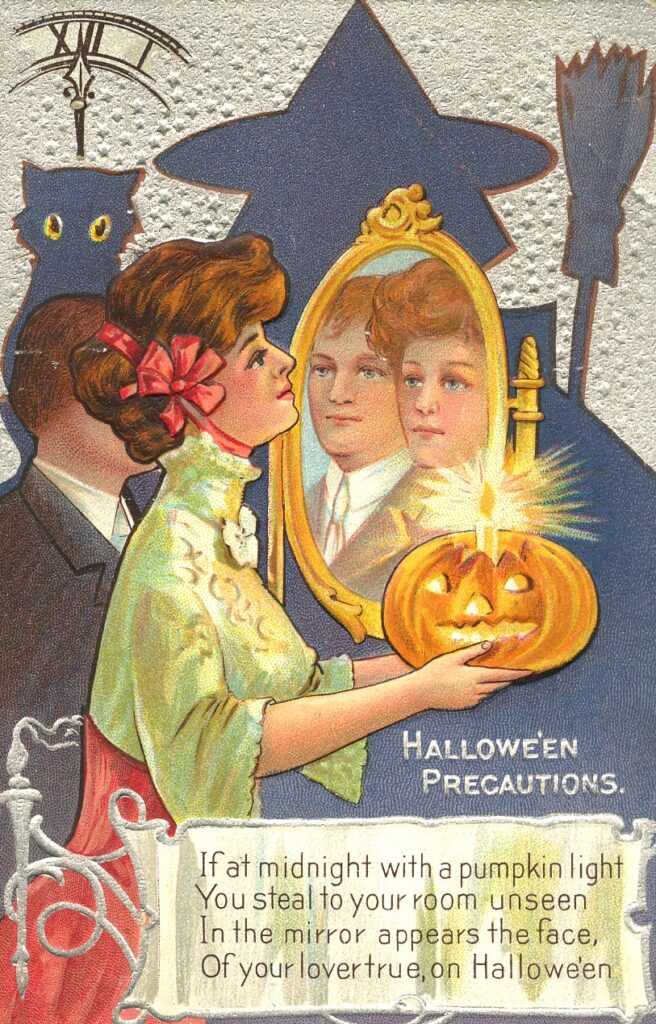
Halloween postcard, 19th century, Middlebury College, Middlebury, VT, USA. Atomic Redhead.
In the 20th century, Halloween developed into a distinctly American holiday, influencing the way it is celebrated today. Trick-or-treating grew popular in the 1930s and 1940s, making the holiday increasingly child-centered. As a result, mass-produced decorations cemented the orange-and-black color palette as iconic.
Meanwhile, Hollywood horror left a lasting mark, with Universal monster films like Dracula and Frankenstein inspiring costumes and decorations. In addition, comics, pulp magazines, and later cartoons expanded Halloween’s visual language, blending spooky with playful. By mid-century, these influences combined, merging tradition with pop culture and setting the stage for the holiday’s contemporary, media-driven look.
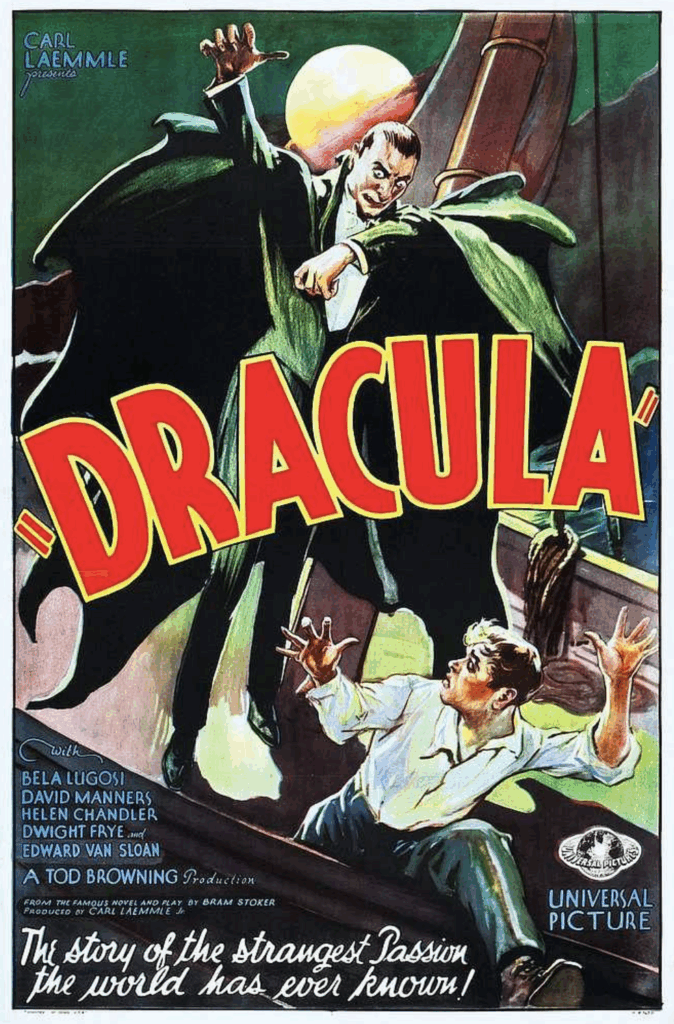
Movie poster for Dracula, 1931. Wikimedia Commons (public domain).
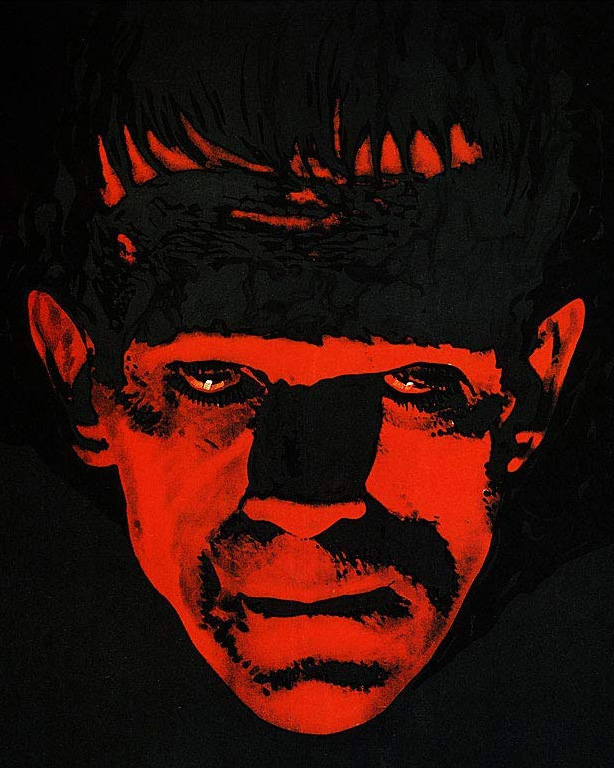
Movie poster for Frankenstein, 1932. Wikimedia Commons (public domain).
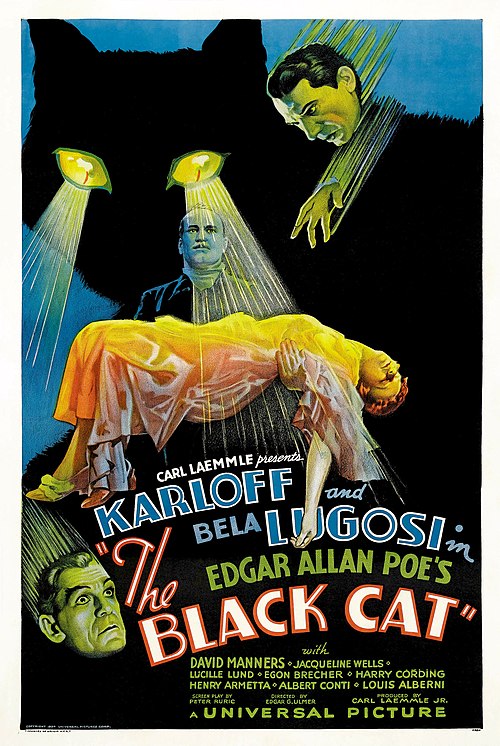
Movie poster for The Black Cat, 1934. Wikimedia Commons (public domain).
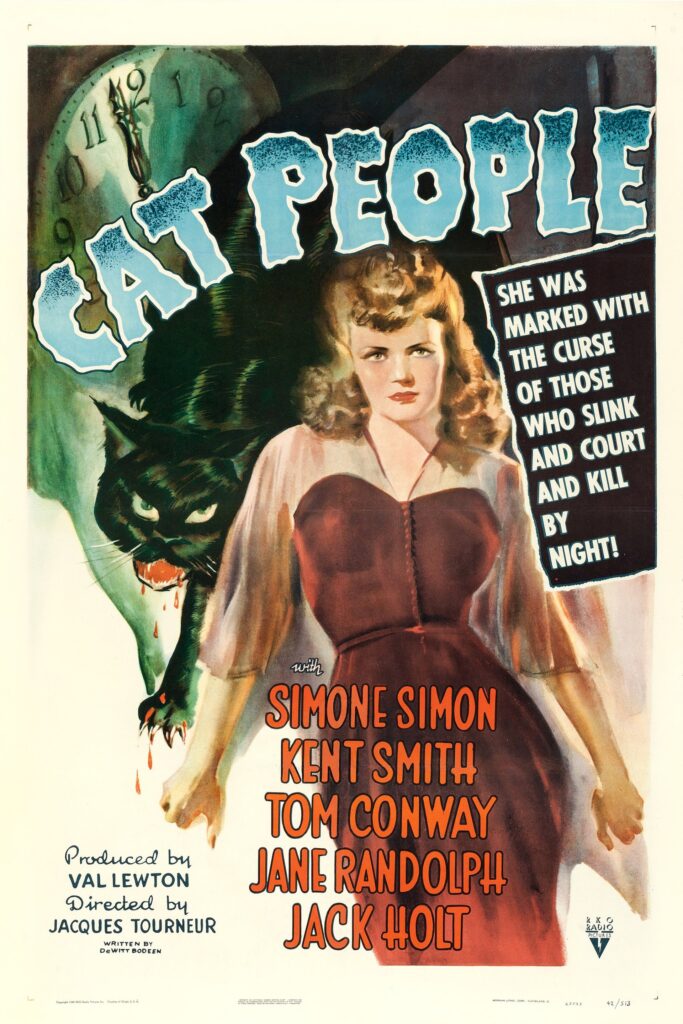
Movie poster for the Cat People, 1942. Wikimedia Commons (public domain).


This iconic poster features Bela Lugosi as Count Dracula, capturing the gothic horror that influenced Halloween imagery.
Karoly Grosz’s dramatic illustration of Frankenstein’s monster is a quintessential example of 1930s horror poster art.
A supernatural thriller starring Boris Karloff and Bela Lugosi. This poster showcases the era’s fascination with the macabre.
A psychological horror film with a striking poster by William Rose, highlighting the era’s blend of horror and noir aesthetics.
Today, Halloween aesthetics form a diverse visual playground shaped by global trends and digital culture. Gothic fashion, dark academia, and vintage horror pay homage to the holiday’s eerie roots, while social media drives colorful, playful trends, such as pastel pumpkins, kawaii ghosts, and neon cobwebs. DIY artistry thrives, from elaborate pumpkin carvings to immersive haunted houses using projection mapping and AR filters.
As a result, Halloween has become an interactive, global, and endlessly customizable celebration. Its imagery now reflects creativity, individuality, and the blending of fear with fun.
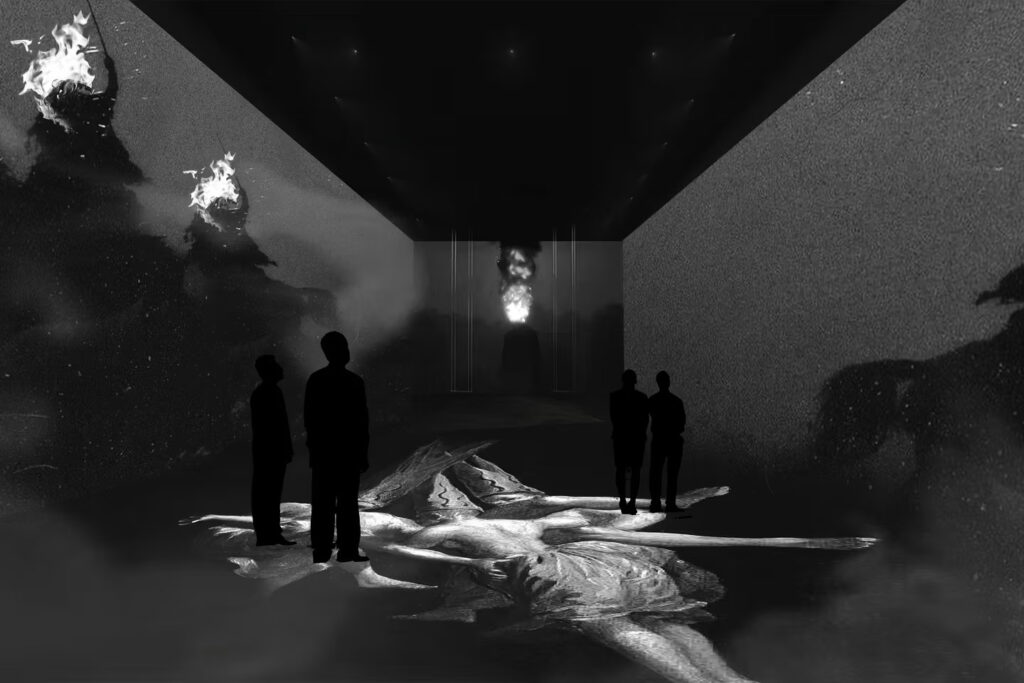
Exhibition view of Dark Matter, 2024, Mercer Labs, New York City, NY, USA. Hypebeast.
From ancient bonfires to digital art installations, Halloween aesthetics continue to evolve alongside culture. Each era transforms fear into creativity and ritual into expression. Today’s Halloween imagery blends history, technology, and imagination, showing that the holiday is more than just costumes and candy. Ultimately, these shifting visuals reflect how we face death, embrace mystery, and find joy in the dark.
DailyArt Magazine needs your support. Every contribution, however big or small, is very valuable for our future. Thanks to it, we will be able to sustain and grow the Magazine. Thank you for your help!

I'm Errika Gerakiti, an art writer and curator based in Athens. I write about modern and contemporary art, fashion, and cinema — with a particular interest in the overlooked, the uncomfortable, and the underrepresented. When I'm not writing, I'm curating exhibitions, reading, painting, sculpting, or reading. For longer reads, personal essays, and an occasional science-fiction or horror story, find me on Substack.

An admirer of antiquity, art, and architecture. An avid reader and amateur photographer. Always curious, always on an adventure.
Halloween monsters have long served as mirrors of human fear and imagination. From vampires and witches to zombies and digital phantoms, they reveal...
Errika Gerakiti 30 October 2025
Marian Henel’s tapestries are huge. The largest one measures over 6 m in length and 3 m in width (19 ft. 8 in. by 9 ft. 10 in.). Created in the...
Zuzanna Stańska 22 May 2026
Los Caprichos are some of the most disturbing of Francisco Goya’s works. A sharp critique of society and its values, there are plenty of monsters...
Edoardo Cesarino 31 October 2024
As autumn’s chill arrives, let’s explore some eerie and supernatural art for Halloween. We’ll showcase 10 artworks (paintings and...
Lisa Scalone 23 October 2025


.jpg)
#/media/File:Frankenstein_(1931)_by_Karoly_Grosz_-_detail_from_teaser_poster.jpg)
.jpg)
