The Education of the Artist
During the Italian Renaissance, young artists used to join the bottegas, or workshops, of the most renowned artists of the time. They sought to learn the art of painting under the tutelage of a master. The change of mentality in the 15th century resulted in the expansion of scientific knowledge, the development of humanism, and the revaluation of classical antiquity. The art world was no stranger to these changes and that is how young artists learned through observation, imitation of models, and nature. It is in this context that the young Michelangelo took his first steps in the world of art.
The Beginnings of Michelangelo as a Forger of Antiques
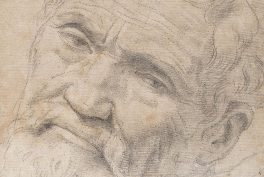
In 1488, at the age of 13, Michelangelo entered the workshop of the brothers Domenico and Davide Ghirlandaio. This type of apprenticeship did not take long to influence the young Michelangelo. His biographers, Vasari and Condivi, relate that during his time in the Ghirlandaio brothers’ workshop, Michelangelo used to copy the drawings of the old masters. He made replicas so similar that it was impossible to distinguish them from the original, especially when he dyed or aged the paper with smoke and other techniques. In this way, Michelangelo could keep the originals, replacing them with one of his copies.
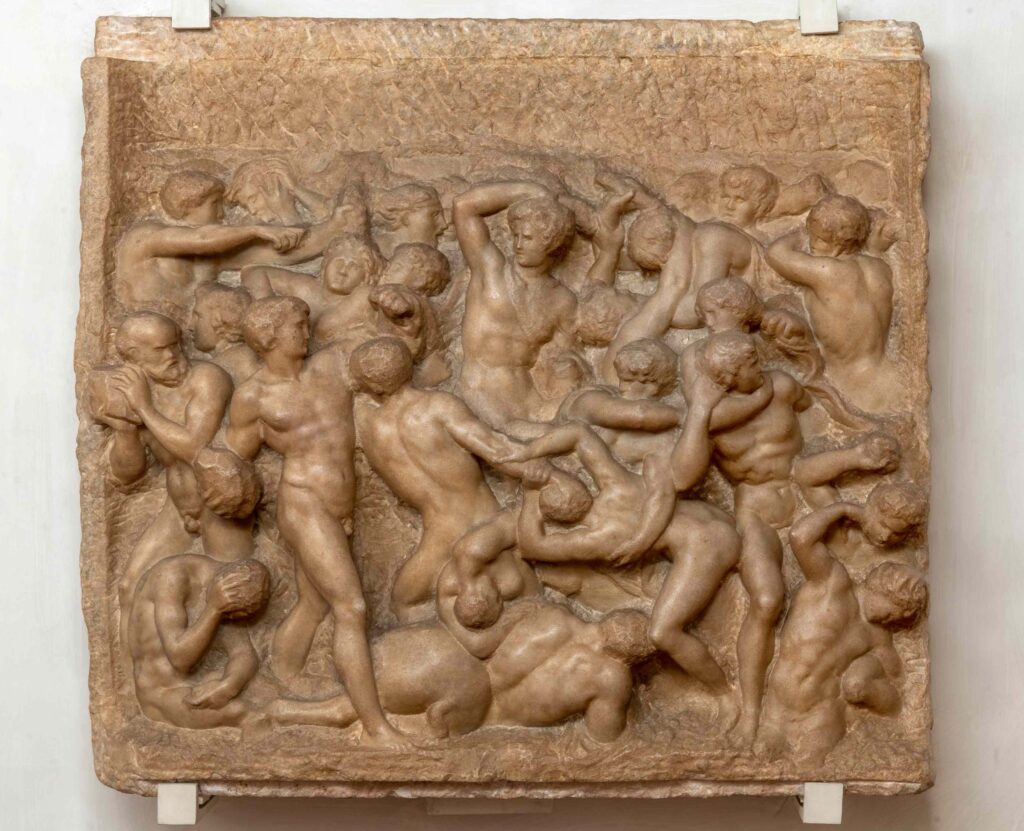
Another aspect that may have influenced Michelangelo as a forger of antiques was the training he received in the garden of San Marco. After only one year in Ghirlandaio’s workshop, Michelangelo discovered his passion for sculpture. That is why he decided to enter the sculpture school run by Bertoldo di Giovanni. Lorenzo de Medici, known as the Magnifico, who would later become Michelangelo’s first great patron, created this school to be the first Academy of Art in Europe. There Michelangelo had the opportunity to study the ancient sculptures that Lorenzo collected, as well as imitate them. The result was one of his earliest works: The Battle of the Centaurs.
The First Forgeries
Working for another Medici, Lorenzo de Pierfrancesco, Lorenzo the Magnificent’s cousin, Michelangelo sculpted a very beautiful sleeping cupid (now lost). Such was its beauty that Lorenzo himself advised him to age it and sell it in Rome, passing it off as an antique. To achieve this antique effect, Michelangelo buried the sculpture in a vineyard and then gave it to a merchant, Baldassarre del Milanese, who sold it in Rome. He in turn sold the sculpture to Cardinal Raffaele Riario, who owned one of the greatest antique collections of the time. However, the cardinal eventually discovered the trick and demanded the return of the money paid for the sculpture. Nevertheless, he could not help but be impressed by the talent of the young Michelangelo, whom he did not hesitate to call to Rome.
Mastering the Art of Forgery
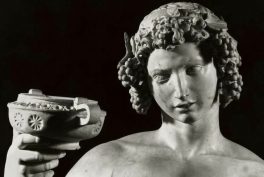
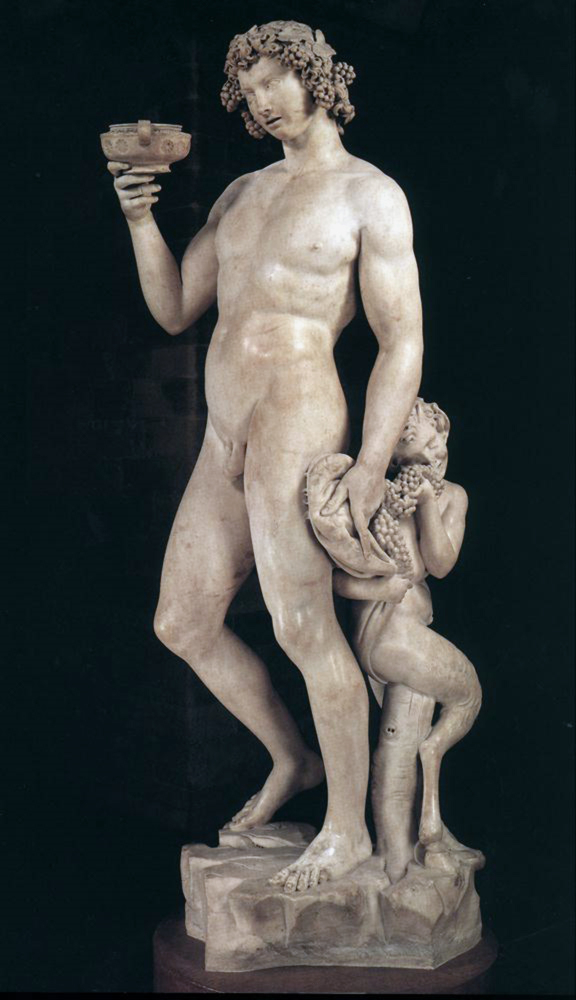
Under the protection of Cardinal Riario, Michelangelo made a single sculpture, Bacchus. However, the cardinal rejected it and the sculpture ended up in the antiquities garden of Jacopo Galli. Analyzing the sculpture, it seems conceived as a false antique, not only to pass as an antique but to leave the viewer uncertain whether it is an antique or not. This observation makes sense if we think about its original location: Riario’s collection was a mix of authentic antiquities and imitations.
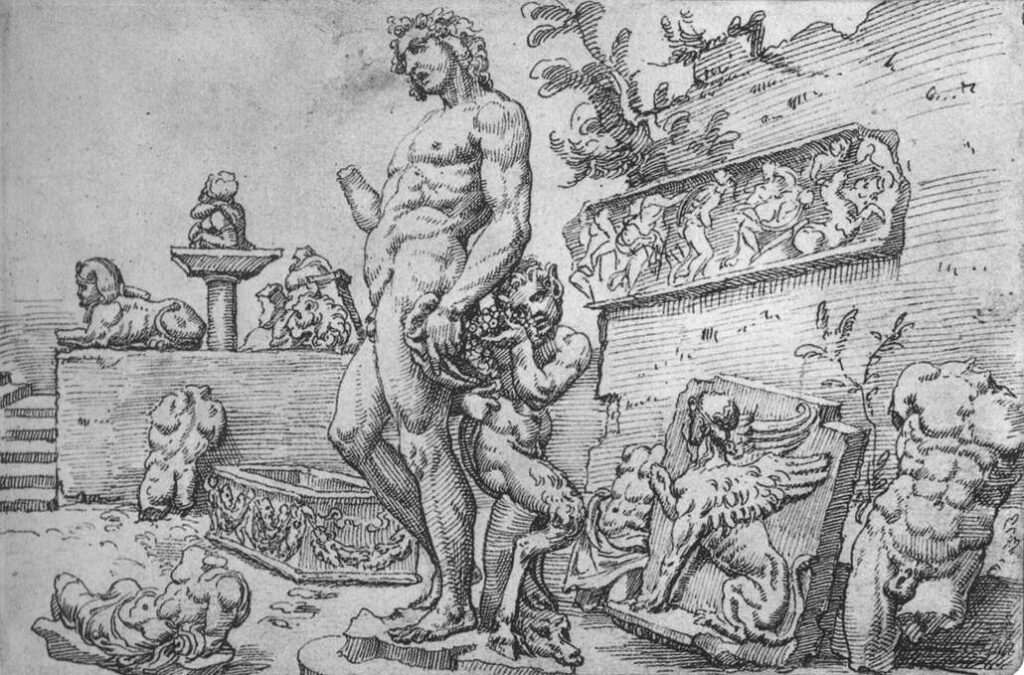
When the work passed into the Galli collection, it became part of an antique context, so Michelangelo had to adapt it to its new context. To do so, the artist most probably mutilated the right arm—very few antiquities survived with all their limbs intact. This is how Maarten van Heemskerck drew it in 1530 during his stay in Rome. In this drawing, it appears without the arm that holds the goblet.
That Michelangelo used the technique of mutilating the sculpture to age it is known from the detailed description of the work by Condivi, who describes it with an arm. From 1550 onwards, the work never appears broken again, although it is not known who restored it and when. Michelangelo managed to have his sculpture considered an antique for almost half a century. Aldrovandi himself included it in his catalogue of antique sculptures in Roman collections. In 1538 Francesco de Hollanda guessed that the classical appearance was contemporary. He immediately related it to Michelangelo as an attempt to deceive the Romans and the Pope himself with his antique style.
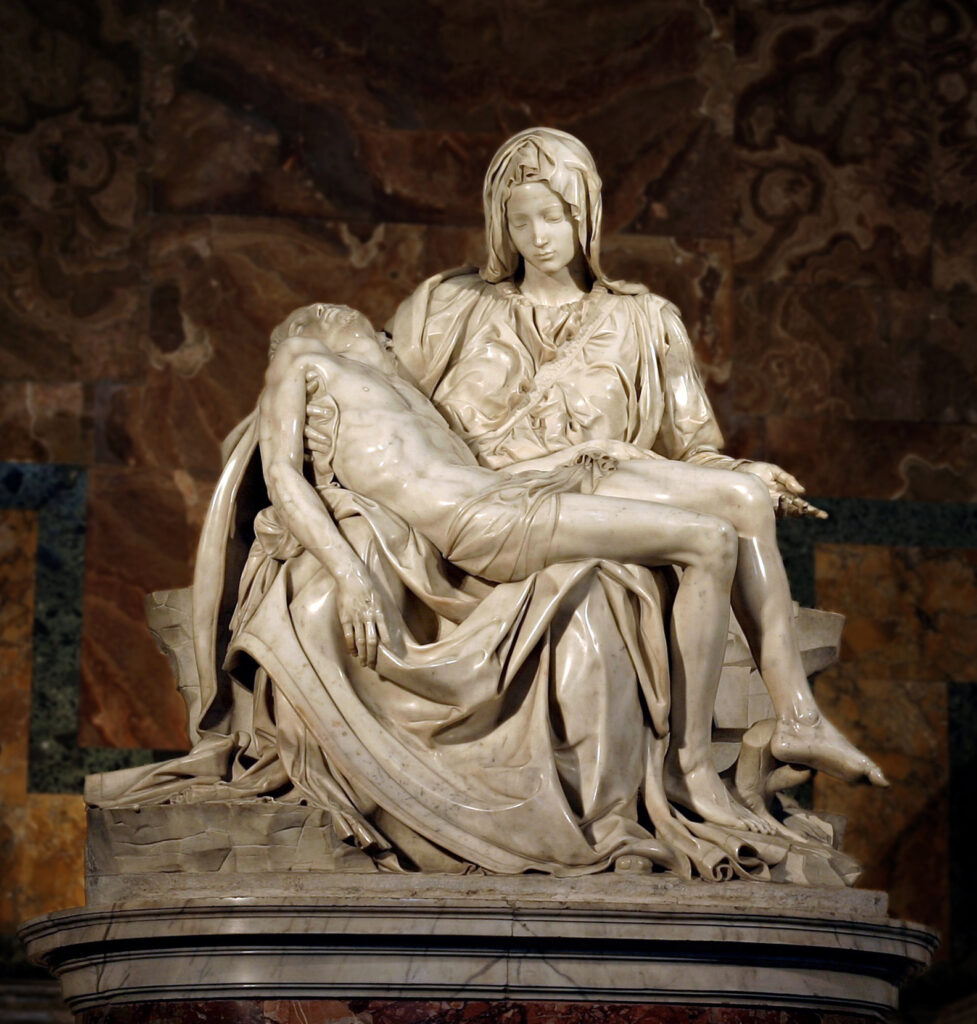
Michelangelo, with these works, acquired the reputation he needed to win his first major contract for a sculpture. This ended up being his first masterpiece, the Pietà. From that moment on, the commissions did not stop and he left behind his title of “imitator of antiques” to develop his characteristic and recognizable style.
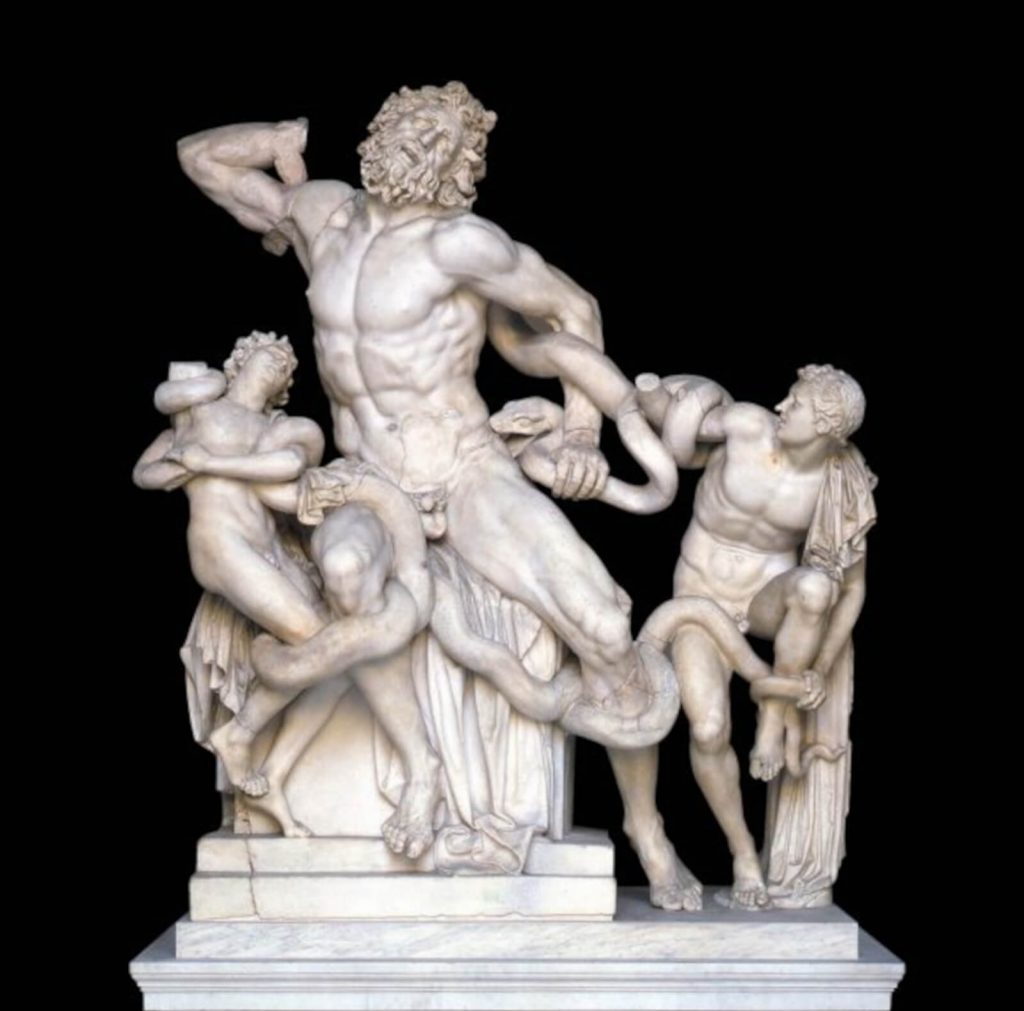
However, what if he made some other sculptures during this time and they have not been linked to him yet? Contemporary researchers hypothesize about Michelangelo’s possible authorship of one of the most famous sculptures in the history of art, the Laocoön.