From Artist to Icon
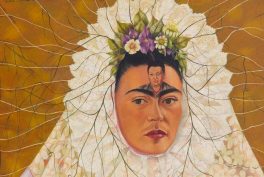
A lot has been written about Frida Kahlo (1907—1954). Her artistic career has been much analyzed—from her refusal to stick to any labels to the popularity she had with Surrealist artists. Her life has similarly been heavily scrutinized—from her turbulent relationship with Diego Rivera to the fights and struggles she endured (whether to do with her political ideals or her ill health). Finding a new angle to look at Kahlo’s art is, at the very least, a challenge. Frida: The Making of an Icon at Tate Modern, London, seeks to take a different stance. It doesn’t guide the audience through Kahlo’s achievements, instead favoring a journey into how Kahlo the artist became Frida the celebrity.
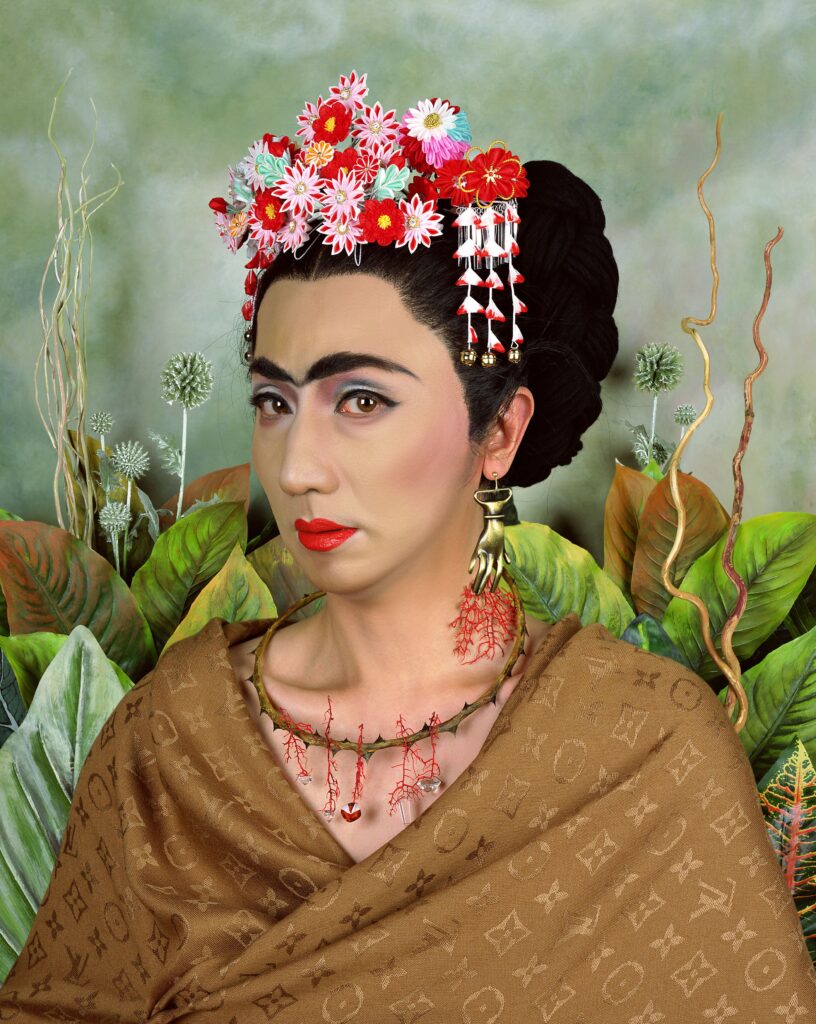
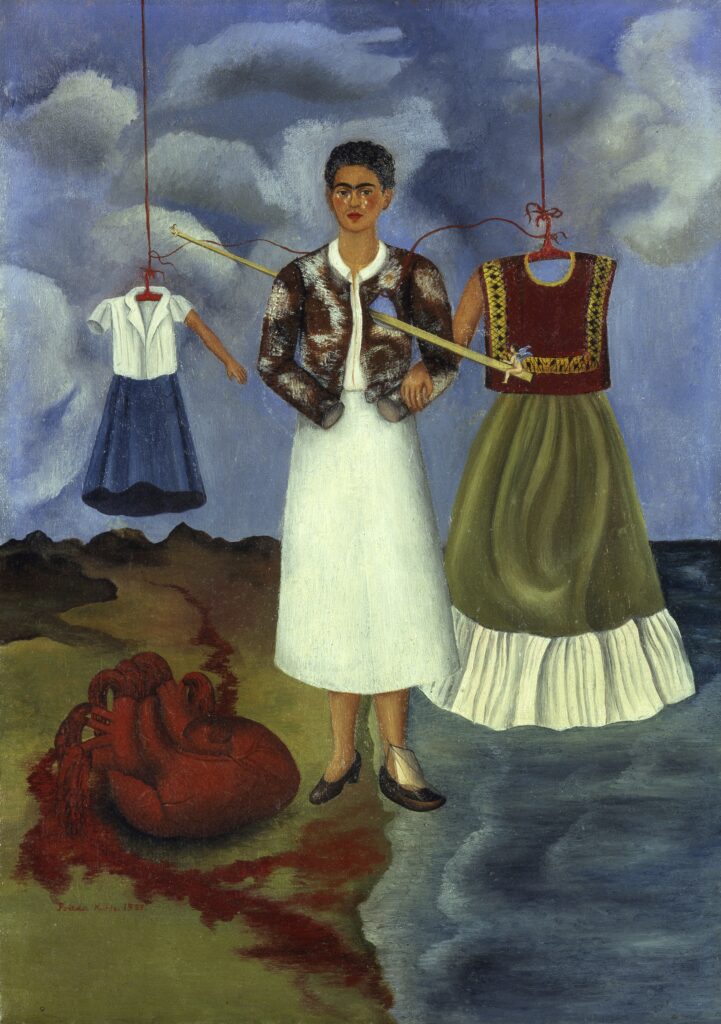
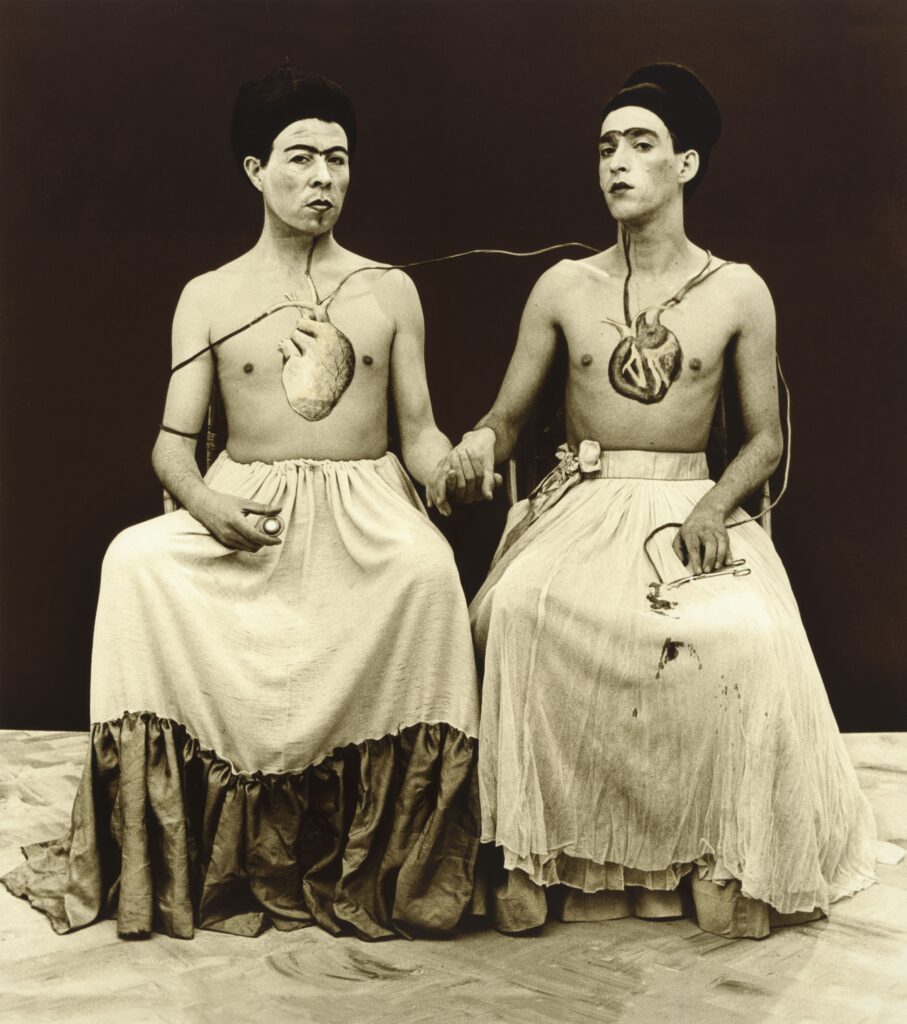
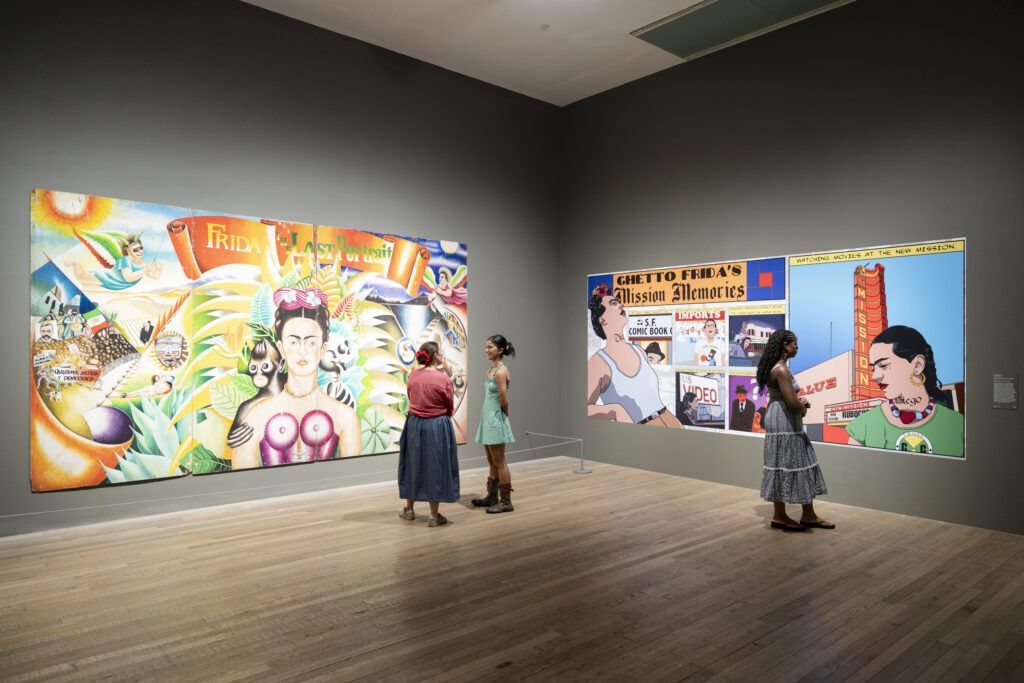
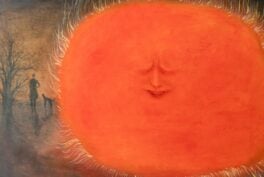
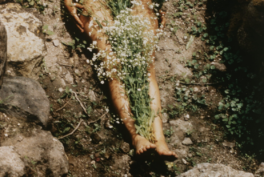
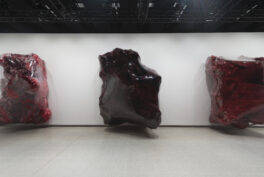
If you are expecting to see an array of Kahlo’s artworks, think again. Though there are, of course, a number of pieces she authored on display, they are dotted around rooms filled with the art of others who have been inspired by Kahlo. In some cases, these are straight juxtapositions—such as Yasumasa Morimura’s re-creations of some of Kahlo’s most famous artworks. In others, artists have taken elements of Kahlo’s essence (from her face to her experiences, from her style to her struggles) and used them to express their own ideas.
Frida Is Art
Kahlo has the exclusivity—enviable or not—of being perhaps the only artist whose own self has become art. When we think of other big names in the art world (from Van Gogh to Andy Warhol, from Caravaggio to Picasso), their artworks are the lens through which we look at them. Their lives, as interesting as they may have been, are often secondary—an accessory to explaining their art. For Kahlo, it’s quite the opposite.
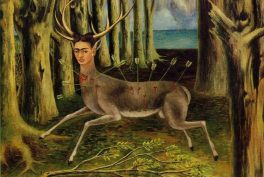
In part this was a result of Kahlo’s own artistic decisions. For a start, she often put herself at the centre of her art—quite literally. Kahlo painted several self-portraits, like many others before and after her have done. But she also included herself (or at least her own face) in scene paintings and other pieces. A lot of Kahlo’s art is also deeply personal. She used art to express herself and her personal struggles—from accidents and illnesses to the resulting inability to have children. It is perhaps no surprise, then, that at some point the image of Frida the woman surpassed in the collective mind the achievements of Kahlo the artist.
Fridamania
This exhibition rides on that wave and presents Kahlo as someone who has and still is influencing the world. The exhibition argues that “Frida” has become so successful, so iconic, because her life and experiences are so deeply relatable. This is, of course, undeniable. Disability, gender fluidity, motherhood, illness, political unrest, discrimination, mental health—those are all extremely timely matters that Kahlo addressed in her own powerful way many decades ago.
Very few can claim to have such reverberation over time and worldwide appeal—and not just in art. Frida the commodity—or Fridamania, as the exhibition puts it—is everywhere. From tea towels to mugs, from murals to posters. There’s even a Kahlo Barbie doll.
What the exhibition fails to address—or perhaps consciously chooses to avoid—though, is whether there is a line, past which this all becomes a bit too much. There are visceral artworks dissecting Kahlo’s body (steeped in religious symbolism), others depicting her pregnant, which of course never occurred. Is that fair? Do we have the right to take Kahlo’s body and portray it in such deeply intimate, if not violating, ways? The question lingers unanswered, but is undoubtedly there.
Complemented by installations throughout London, this hotly-anticipated exhibition is bound to be a success. Already the most pre-booked Tate exhibition ever, it is sure to gather crowds and bring them into the world of—or rather shaped by—Frida Kahlo. What it does really well is showing how a niche Mexican artist went from anonymity to being one of the most influential figures and recognized faces ever. What the audience may be left wondering is whether we should give Kahlo some of her agency back.
Frida: The Making of an Icon is at Tate Modern, London, UK, until January 3, 2027.


![Frida Kahlo Tate: Frida Kahlo, Untitled [Self-Portrait with Thorn Necklace and Hummingbird], 1940. Nickolas Muray Collection of Mexican Art. Press materials.](https://www.dailyartmagazine.com/wp-content/uploads/2026/06/Frida-Kahlo-Untitled-Self-portrait-with-thorn-necklace-and-hummingbird-1-791x1024.jpg)