Canova’s World
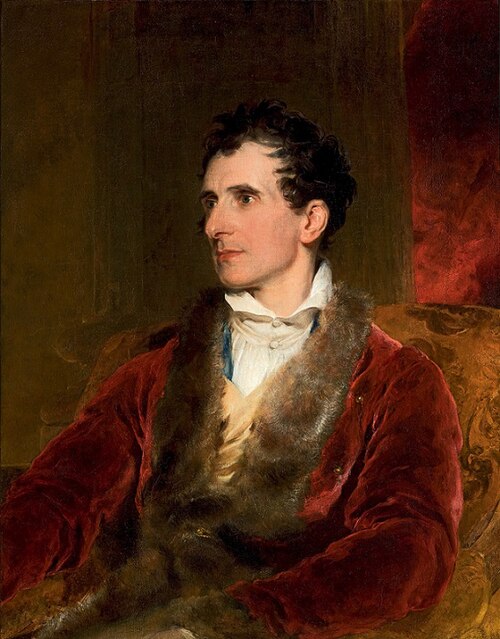
Livio Pestilli’s Canova and His World is much less a biography of the sculptor and more an investigation of Antonio Canova (1757–1822) as a public figure within a complex and shifting world. The Italian’s career began in the supposed rational internationalism of the Enlightenment, although Pestilli suggests this was a far more nationalistic and divided environment than often represented. Working for patrons throughout Europe, at a time when Rome was seen as the cultural Mecca, Canova could still be criticized as too Italian in his style.
The artist then had to negotiate the increasingly fractious and fractured Europe of the French Revolution and Napoleonic era, which saw Italy invaded and artworks looted. Old certainties were overthrown and a new emphasis on emotion paved the way for Romanticism. That Canova not only survived this, but managed to develop his career is a testament not just to his skill and reputation as an artist, but his powers of diplomacy.
Canova’s Range
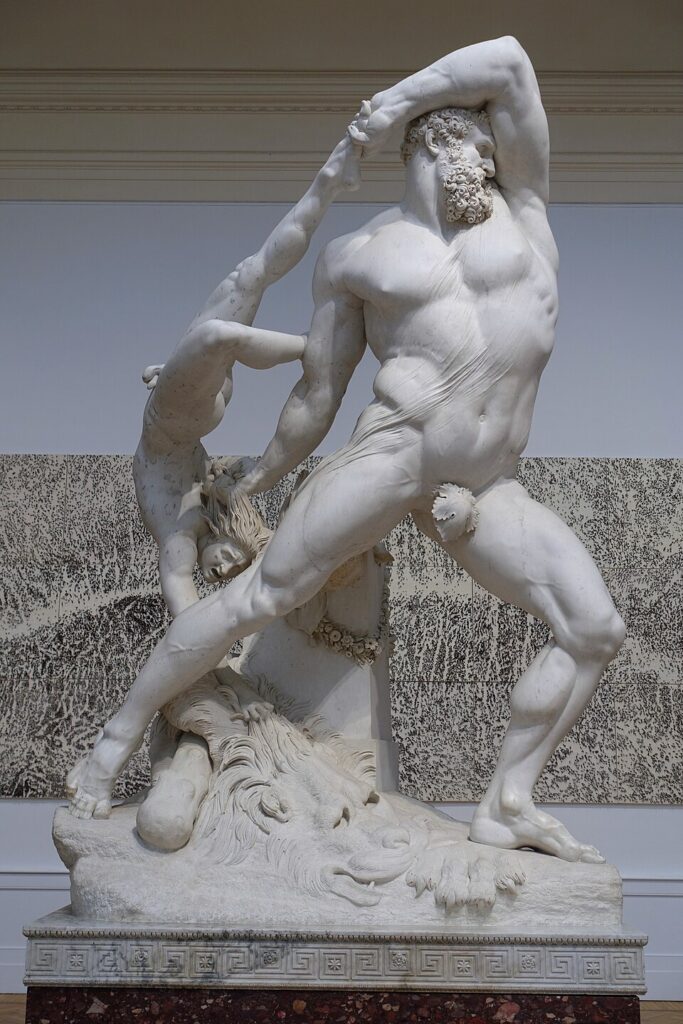
Canova’s art is often reduced to a few key and over-familiar pieces, of which there are many versions and copies on display throughout Europe and beyond. The first few chapters of Canova and His World deliberately throw the reader into the center of a varied, prolific career. As a product of his time, Canova was immersed in classical subject matter and Greek and Roman sculptural precedents, yet even his mythological works exhibit considerable range. The brutish, muscled masculinity and exaggerated emotion of Hercules and Lichas is a world away from the meditative stoicism of Theseus and the Minotaur, the observed naturalism of Daedalus and Icarus, or the delicate, Rococo eroticism of the Three Graces.
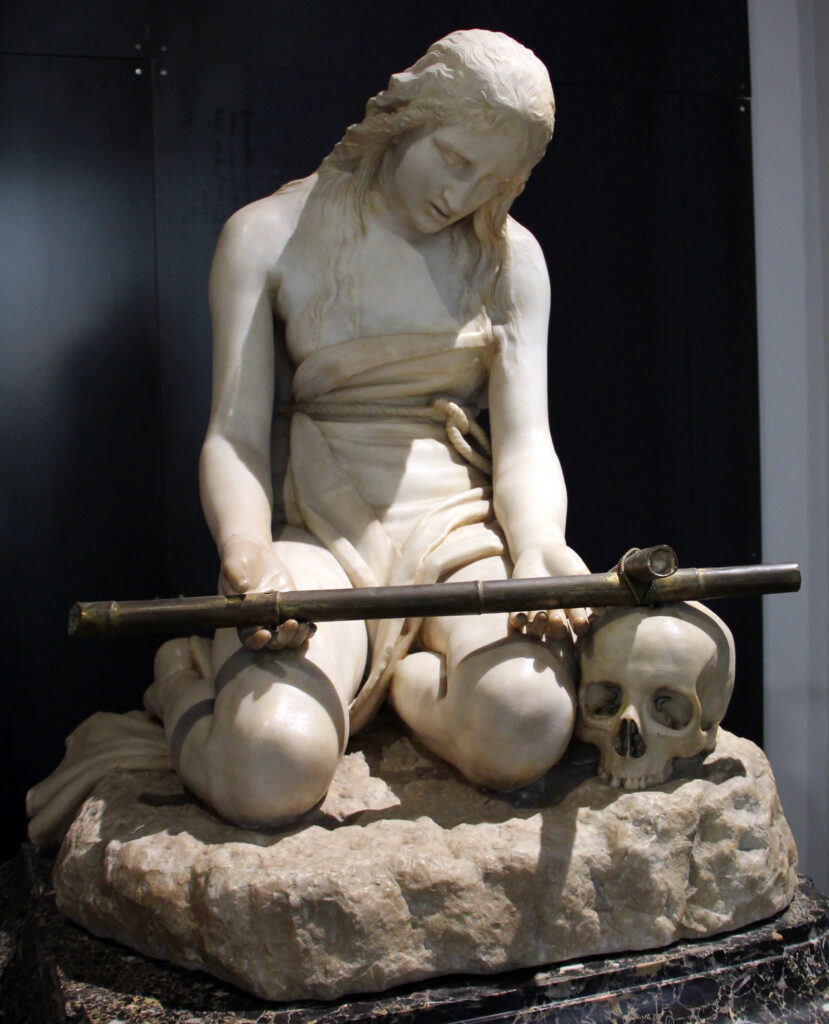
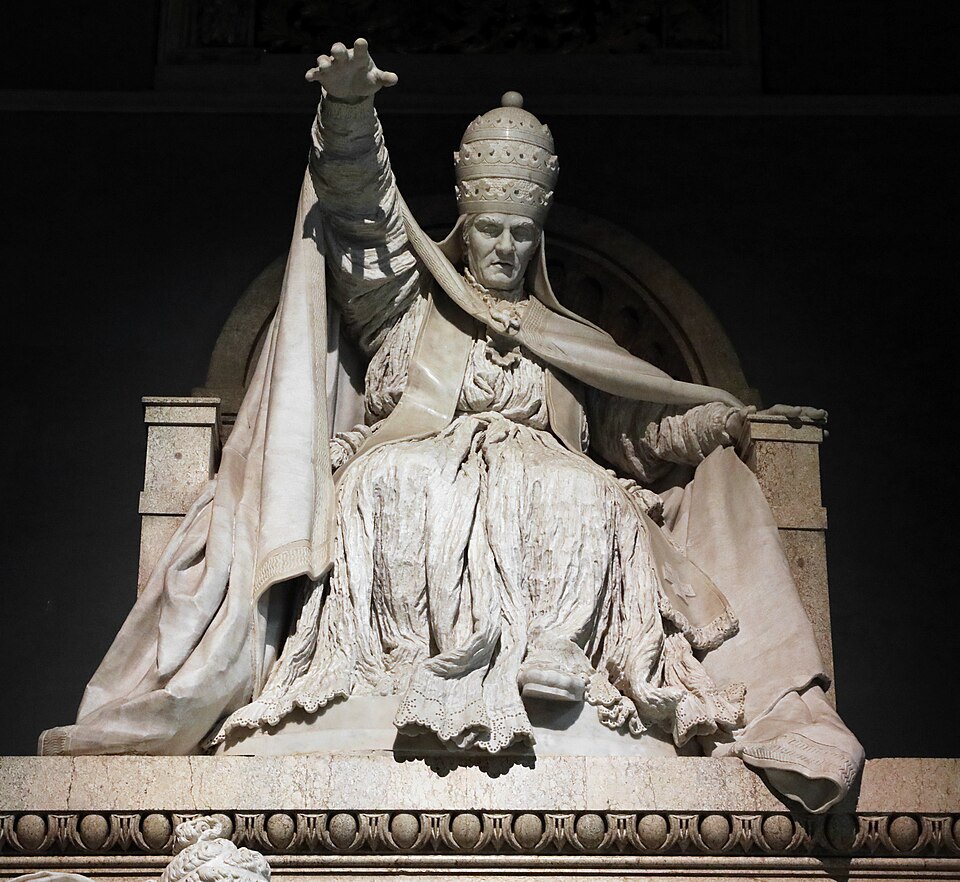
Canova also produced contemplative religious works like the Penitent Magdalene and became famous as a designer of tombs and funerary monuments, notably that of Pope Clement XIV. He also produced a large number of portraits, from busts to innovative full-length figures, like his Pauline Borghese as Venus Victorious.
The monuments and portraits could arguably have greater coverage in Pestilli’s account and, in the absence of a chronological structure, it is difficult to gain a sense of stylistic shifts and career development. However, the breadth and variety of Canova’s work are undeniable. He comes across as an artist who, far from simply pursuing a Neoclassical aesthetic, was sensitive to the demands of each commission.
Canova’s Critics
It is a brave move to start a book with a torrent of criticism about one’s chosen artist, yet that is exactly what Canova and His World does. By choosing this approach, Pestilli is able to present Canova as a radical artist who pushed boundaries. The Canova presented here is not merely a classical imitator, nor a staunch upholder of Neoclassical principles. His Hercules and Lichas, for instance, was considered overly muscled, too violently emotional, and contrived in its pose by some contemporaries.
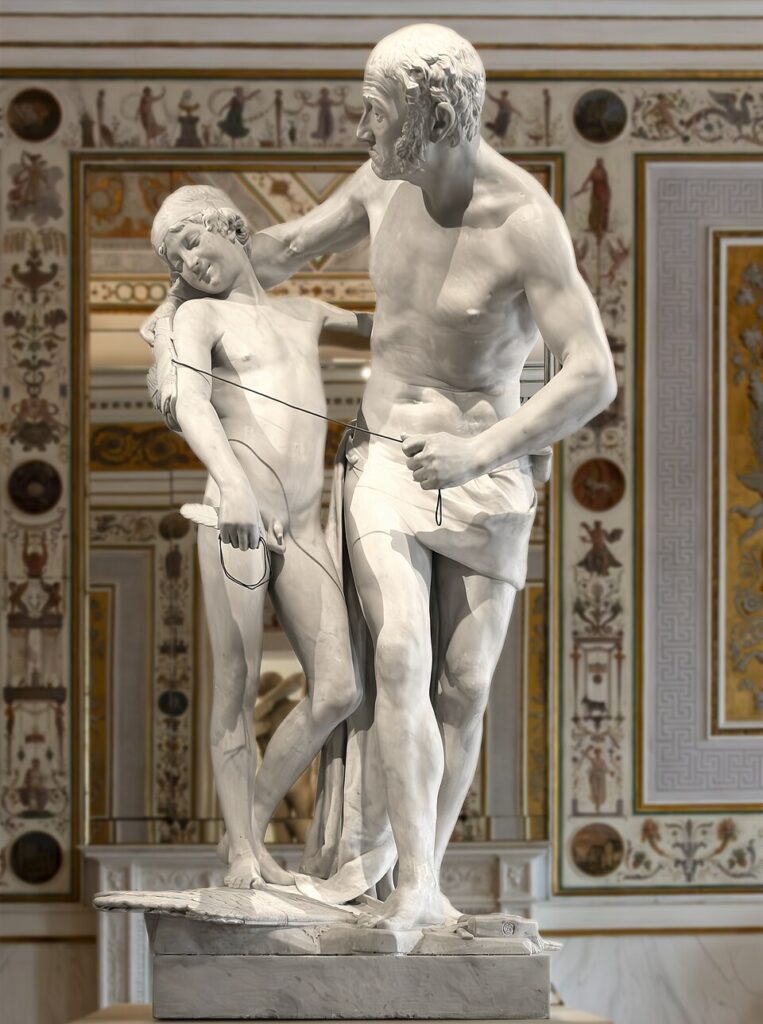
Daedalus and Icarus came in for particular criticism for its naturalism. Not only did Canova choose to represent the father with the slightly sagging flesh of an older man, but he posed the two figures with a frozen-in-action casualness that ignored the usual rules of balance and harmony.
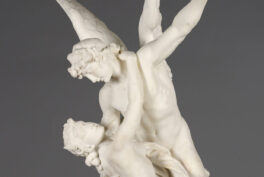
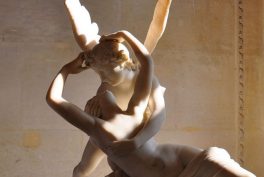
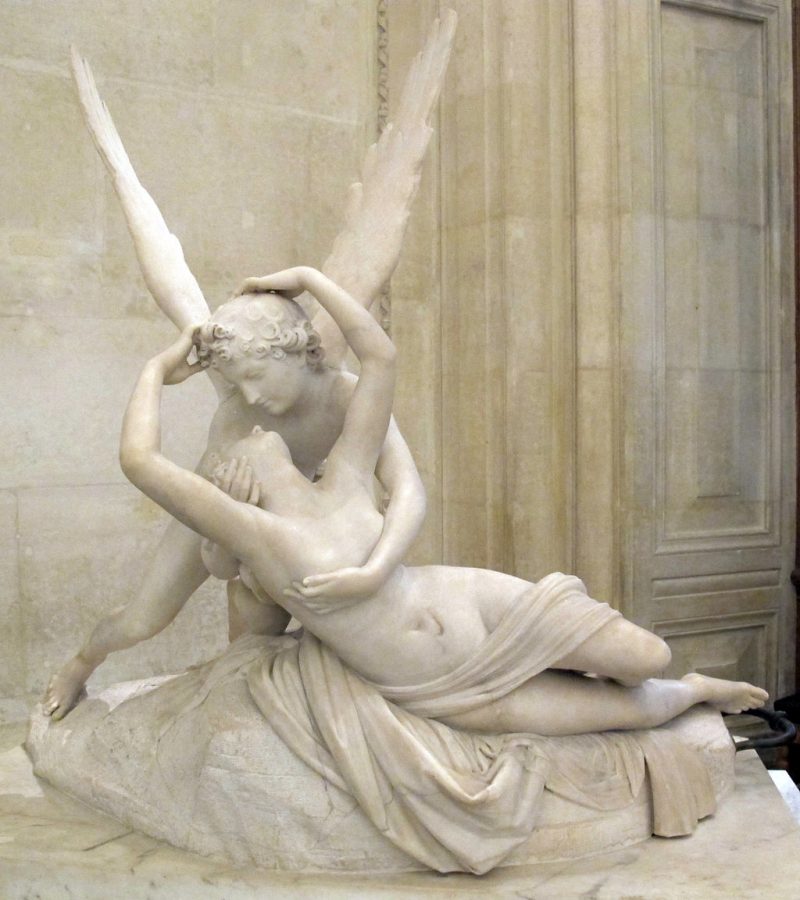
Canova’s decision to switch from a traditional pyramidal composition to a dramatic X-shaped design with the inclusion of vertical wings in Cupid and Psyche, was similarly criticized. A contemporary painting shows the sculpture without wings, creating a more compact piece that focused on the key narrative aspect, the kiss, which awakens the lifeless Psyche.
Cupid and Psyche was originally placed on a pedestal that could be rotated, as were many of Canova’s works. Contemporaries claimed that they were unsure of where to stand and how to look at it: there is no obvious single viewpoint. Indeed, viewed from behind, the splayed limbs, awkward poses, and sense of captured movement in the two figures become even more apparent.
Canova and Napoleon
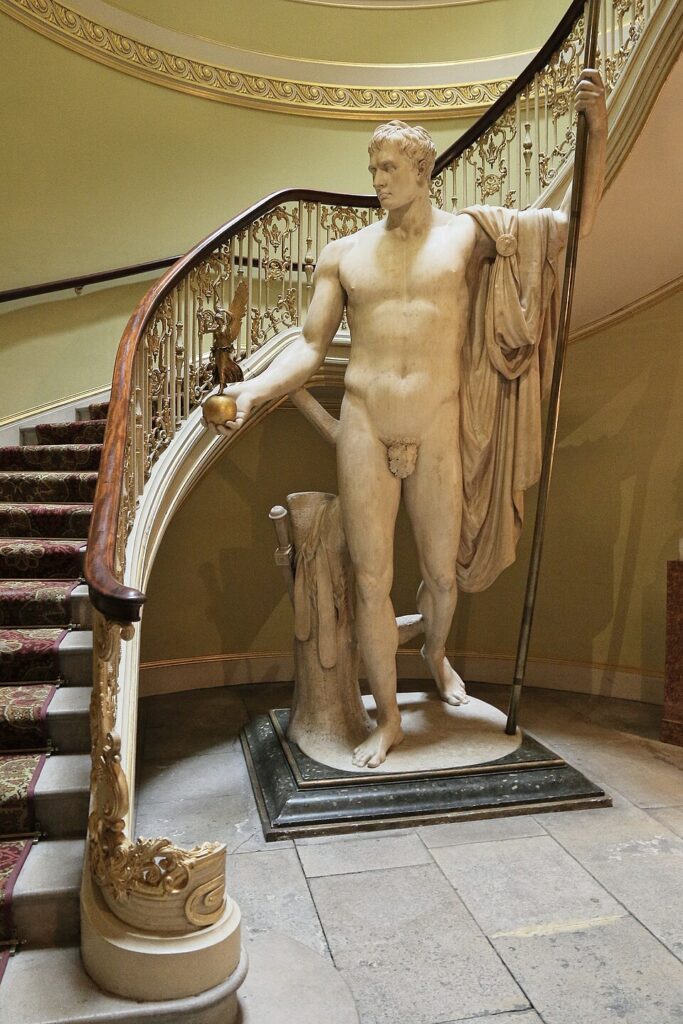
Some of the most interesting chapters in Canova and His World, deal with the artist’s relationship with Napoleon and his creation of the infamous nude portrait of the Emperor as Mars the Peacemaker. Canova was reluctantly summoned to Paris to produce a portrait bust of the French ruler. As an Italian who had just seen his land invaded, he had no love for Napoleon, and he was also an artist running a busy studio who had little time to make an extended trip over the Alps. However, the French ruler was the most powerful man in Europe.
The bust Canova produced in Paris eventually became the head of the Mars statue, but not before it was remodeled and slimmed down to make it more “classical” in appearance. The final figure displeased Napoleon: it is difficult to imagine how any ruler would like to see themselves represented naked. Equally, by the time the statue was finished, it was politically embarrassing. The Emperor was losing battles and losing popularity and a triumphant god-like image might almost be seen as a caricature. Canova did, however, produce many other successful works for the extended Bonaparte family, including Empress Marie Louise as Concordia.
Canova the Diplomat
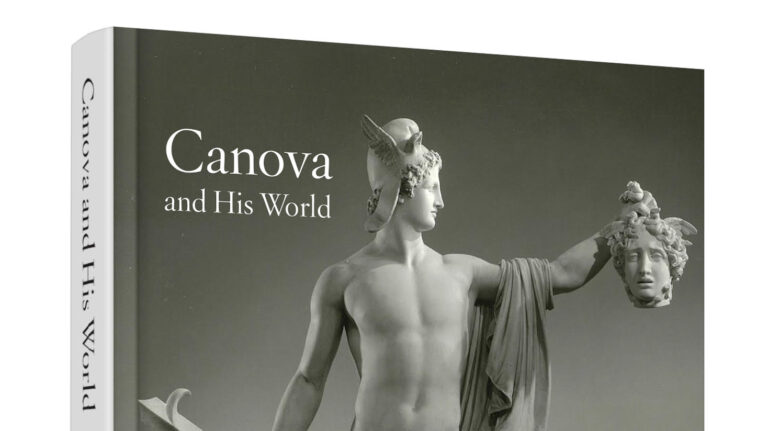
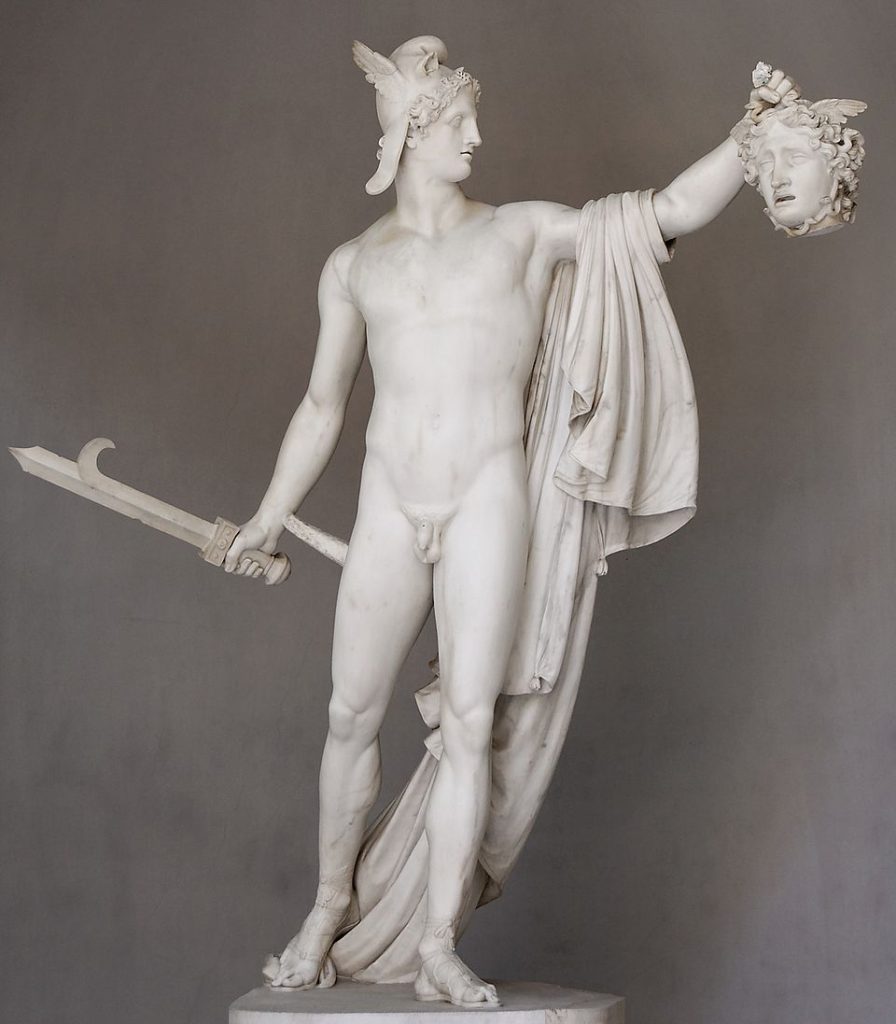
Canova had a second reason to travel to Paris. He went with the intention of trying to recover some of the artworks that had been taken there by the French after the invasion of Italy. The pope had effectively appointed the artist as a cultural ambassador. Canova had already provided the papacy with a replacement for the Apollo Belvedere, the work considered by many 18th-century scholars to be the epitome of classicism. His Perseus Triumphant stood on the empty Belvedere pedestal and was a deliberate echo of Apollo’s pose, albeit with a change of subject. Subtle differences of weighting and posture arguably showed Canova’s superior skill: the contrapposto is switched and the tree stump support removed.
After the fall of Napoleon, Canova continued to act in a diplomatic role, representing the papacy at the 1815 Treaty of Paris and eventually securing the return of many of the looted treasures. At this time, he also travelled to London partly to view the Parthenon marbles recently brought to Britain by Lord Elgin, partly to thank the monarchy for their support in getting artworks returned.
Canova’s Method
Canova ran a large workshop and produced a vast number of works during his career. Most were carved by assistants and only finished by the artist himself. However, he maintained a rigorous hands-on process, partly to ensure high levels of quality control, partly to fulfil his own artistic philosophy. Canova believed in the importance of drawing from life and produced large numbers of preparatory sketches for each work which ranged from rough designs of pose and group composition to precisely rendered anatomical studies.
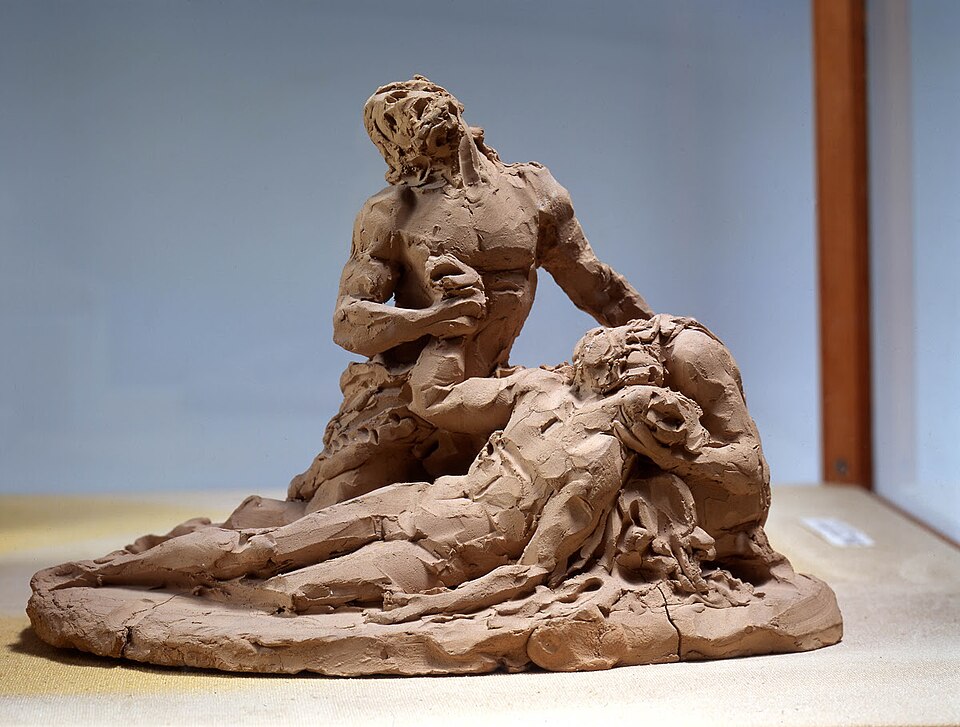
He also produced roughly-worked clay models, which enabled him to experiment in the round. These were the subject of a recent exhibition in the United States. They have a raw tactility which appeals to modern viewers, but for Canova, they were simply a means to an end.
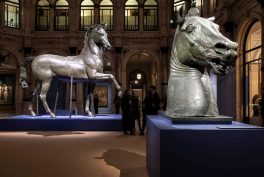
The next crucial part of the process was the production of full scale, highly finished plaster models from which assistants could transfer the design onto a marble block for carving. Many of these plasterworks are still visible at the museum in Canova’s hometown of Possagno. A huge equestrian statue was reassembled from plaster workshop pieces for a 2025 exhibition in Milan.
Additions
One of the more controversial aspects of Canova’s work in the eyes of his Neoclassical contemporaries was his use of non-marble components in his sculpture. Such additions compromised the purity of the white marble, promoted by writers like Johann Winckelmann despite factual evidence that Greek marbles had originally been colored.
For Canova, the use of non-marble additions could have both a practical and a naturalistic value. His Daedalus and Icarus, which shows the tying on of Icarus’ wings, would not have been as effectively rendered without the inclusion of wire. This has the double effect of believably showing what is happening and also visually bonding the figures together.
Elsewhere, Canova was happy to use bronze additions, notably in the Penitent Magdalene, where the kneeling figure cradles a cross, almost as if it were the body of Christ himself. Hebe holds a bronze jug from which she will pour nectar for the gods. In both instances, the change of medium draws the eye to these features, adding to the narrative depth of the works.
Cantilevering
Canova was also prepared to employ elements of fakery in his work, partly to increase the visual impact, partly on grounds of cost. It was both cheaper and easier to add separately carved extended limbs rather than carving from a single, larger block. The blessing arm of Pope Clement XIV atop his tomb is one example of this, modeled on Jean-Antoine Houdon’s plasterwork of John the Baptist. By carving the arm separately and attaching it with iron rods, Canova could produce a less fragile, cheaper but ultimately more dramatic sculpture.
Similarly, the delicate V-shaped wings in Cupid and Psyche were created separately. Even so, there was considerable experimentation on the angle at which they sat, with plaster models showing them much less vertically positioned. In the case of Icarus, some of the feathers are not even marble, but carved in plaster. It was a trick repeated with Medusa‘s head in Perseus. Canova was determined to use the outstretched arm and dangling head, which would have reminded viewers of Cellini’s Perseus, but that was much trickier in marble. He produced two separate heads, one plaster and one marble and suggested that for safety, the plaster one was used.
Canova and Bernini
Livio Pestilli is also a Bernini scholar, and perhaps the most interesting aspect of Canova and His World is the daring comparison he makes between two artists who most people would consider polar opposites. Bernini represented everything which Neoclassicism rejected: drama, showmanship, exaggeration. However, as Pestilli argues, both dominated Rome, enjoyed the patronage of the papacy during their respective careers, and ran big workshops to maintain their output and preeminence. More importantly, both men prioritized drawing, both were prepared to mix media, both were sensitive to the demands of the subject. As a final poignant comparison, both artists were compared in greatness to Greeks like Praxiteles, only to have their reputation tumble after their deaths.
Once you start to think of Antonio Canova as a “(neo)classical Bernini,” you see him in a whole new light. Canova and His World presents an artist who was prepared to take risks, break rules, and go his own way. He was a dedicated master of his craft who constantly measured himself against other sculptors, both contemporary and classical, and a successful real-world practitioner who could juggle the demands of patrons and politics. After reading it, you will never again dismiss him as dull. It is a bravura book about a bravura artist.
Canova and His World by Livio Pestilli is published by Lund Humphries in June 2026.





.jpg#/media/File:Paolina_Borghese_(Canova).jpg)

_by_Antonio_Canova_(Museo_Correr)#/media/File:(Venice)_Dedalo_e_Icaro_by_Antonio_Canova_-_Museo_Correr_2.jpg/2)

,_Retro.JPG#/media/File:Amore_e_Psiche,Canova_(1757-1822),_Retro.JPG)


.jpg)

#/media/File:Antonio_canova,_maddalena_penitente,_genova_02.JPG)
#/media/File:San_Giocanni_Battista,_of_Giocanni_Antonio_Houdon.jpg)
