


Frida the Icon: Kahlo at Tate Modern in London
Very few artists can claim to be as ubiquitous and iconic as Frida Kahlo. This hotly anticipated exhibition at Tate Modern delves into how and why...
Edoardo Cesarino 6 July 2026
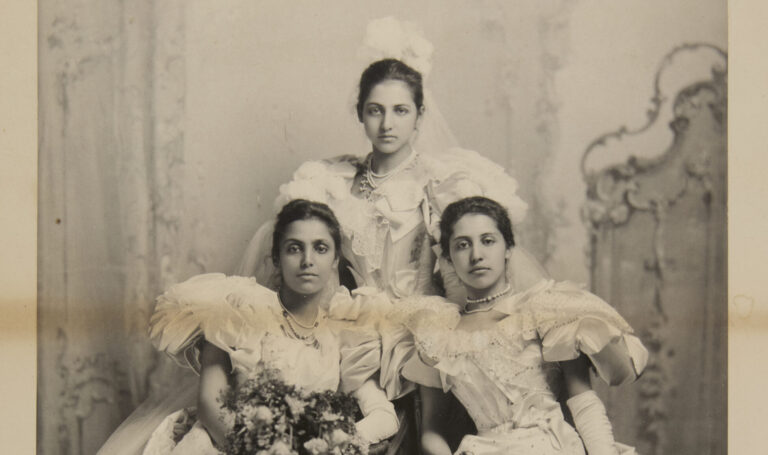
Portrait of Princesses Sophia, Catherine, and Bamba Duleep Singh as debutantes, 1895. © Peter Bance Collection. Press materials. Detail.
A new exhibition at Kensington Palace, London, The Last Princesses of Punjab, is shedding light on the fascinating lives of three remarkable women.
Nestled in at the far end of Hyde Park, Kensington Palace is a royal residence with an enviable history. Above all, it was the childhood home of Queen Victoria—a legacy that is strongly felt throughout its galleries and permanent exhibition spaces.
Until November 8, 2026, it is hosting a fascinating exhibition: The Last Princesses of Punjab. Through a handful of rooms in the Palace, the exhibition brings together objects and artefacts related to the lives of three remarkable 20th-century women. However, this is an exhibition about heritage and identity far more than it is about artworks—and for that, it greatly resonates with our world today.
The exhibition starts before the three main characters were born with their father, Duleep Singh, and the infamous Anglo-Sikh wars. Aged 6, Duleep became the last Sikh Maharajah of the Punjab, with his mother Jind Kaur as regent. Aged 9, he was taken from his mother, put under the guardianship of an East India Company official, and brought to England. Jind Kaur did not get to reunite with her son until 13 years later, when she was finally allowed to visit him.
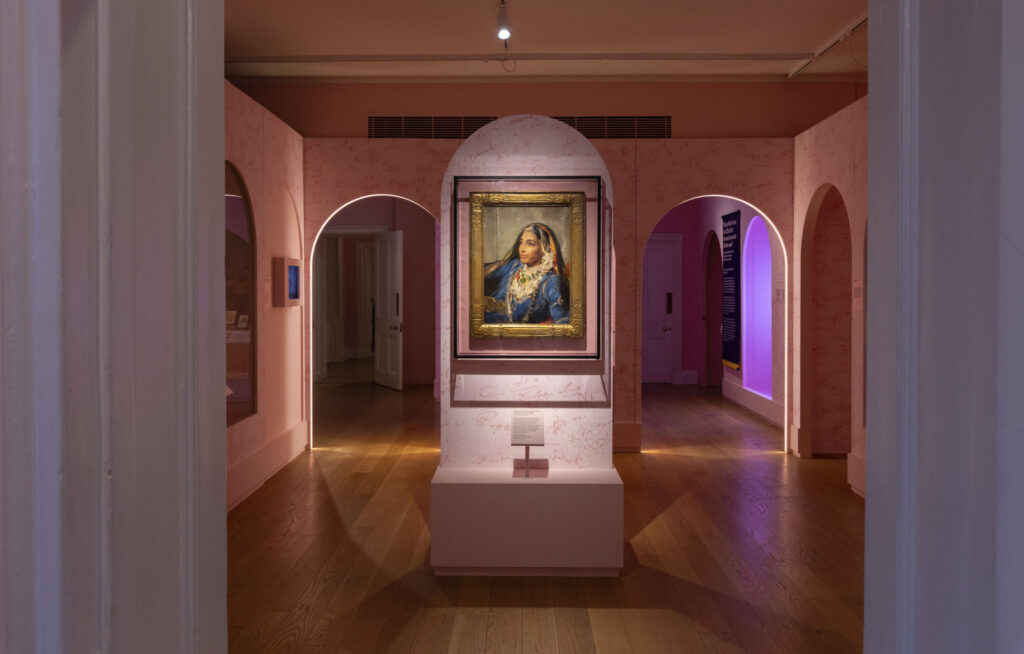
Exhibition view of The Last Princesses of Punjab, Kensington Palace, London, UK. © Historic Royal Palaces / Courtesy of the Kapany Collection, The Sikh Foundation. Press materials.
In England, Duleep converted to Christianity and became a favourite of Queen Victoria. He had three daughters and four sons from his marriage to German-Ethiopian Bamba Müller. Bamba struggled to adapt to England and suffered from loneliness and depression (in part also caused by Duleep’s unfaithfulness and gambling addiction). She died in 1887, when Sophia, the youngest child, was only 9.
The three sisters lived a somewhat peculiar life. They were well embedded in British society and royalty, being so close to Queen Victoria and other prominent royals. They attended the best schools and moved in the highest circles. Catherine and Bamba even went to Oxford University, though women were only allowed to attend lectures but could not take degrees at the time.
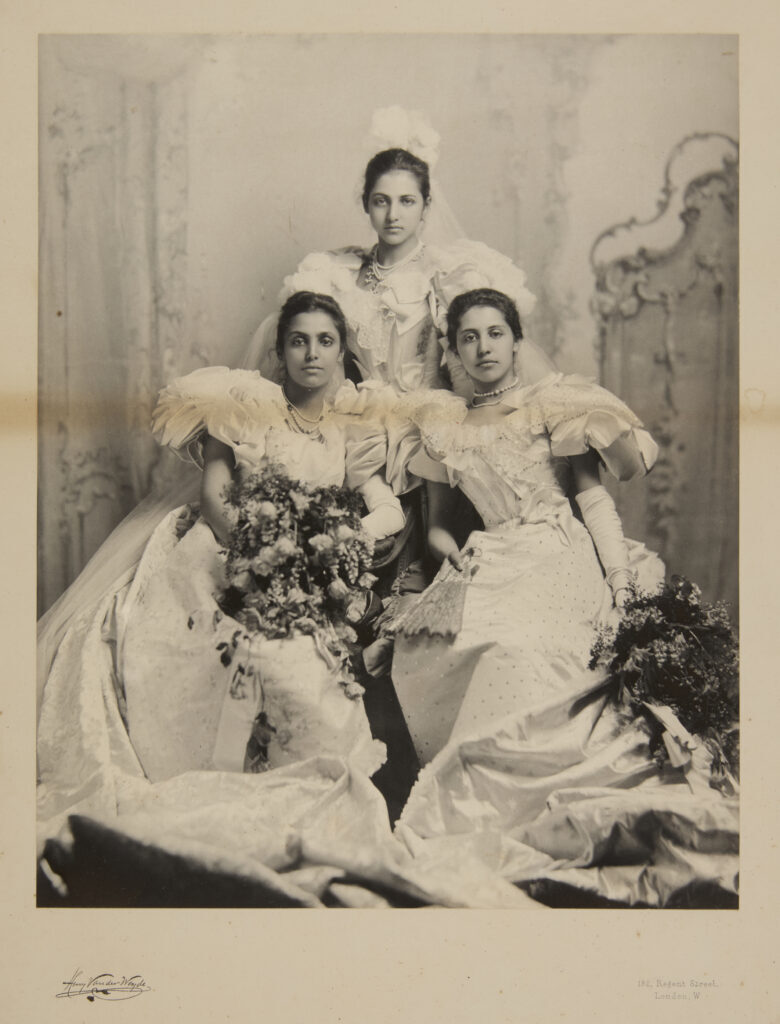
Portrait of Princesses Sophia, Catherine, and Bamba Duleep Singh as debutantes, 1895. © Peter Bance Collection. Press materials.
Yet life for them wasn’t always easy. From family circumstances—Duleep left the family some years after their mother’s death—to a complex heritage that didn’t always allow them to fit in. Their mother was the daughter of a German banker and an Ethiopian slave who lived in Egypt, and their father was the last descendant of the eclipsed Sikh empire, and they lived in the country that was in active war against it. In their early years, their own sense of identity was very much in development.
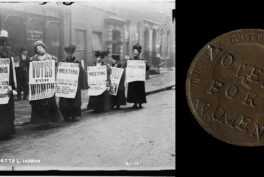
The sisters all carved their own remarkable path in adult life. Sophia is perhaps the most recognized of the three and known for her political battles. She used her status to fight for very timely issues—from taxation to women’s right to vote. It is the latter that carries her legacy to this day. Notably, the exhibition includes letters from Sophia to then Prime Minister Winston Churchill on the infamous Black Friday of 1910, describing police brutality against Suffragettes.
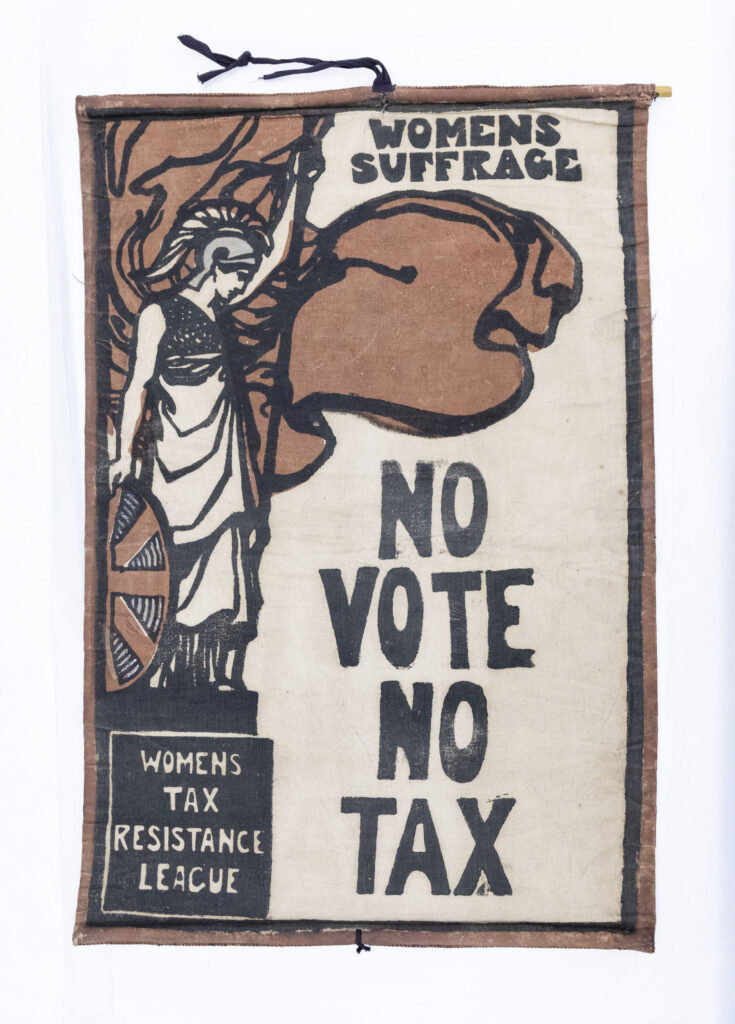
No Vote No Tax banner, c. 1908. © The Women’s Library at LSE. Press materials.
Catherine lived in Germany for a while with Lina Schäfer, whom she met at Oxford. Though it is difficult to know how Catherine and Lina would have defined themselves, the exhibition points out that many today consider Catherine a lesbian icon. Once back in England, Catherine acted as a guarantor for Jewish families in Germany fleeing persecution. Meanwhile, Bamba decided to trace back her roots and become a champion of her family’s heritage. She lived between England and Lahore, where she tried to reclaim the family’s lands and collect objects to build a legacy of both her own family and the former Sikh empire.
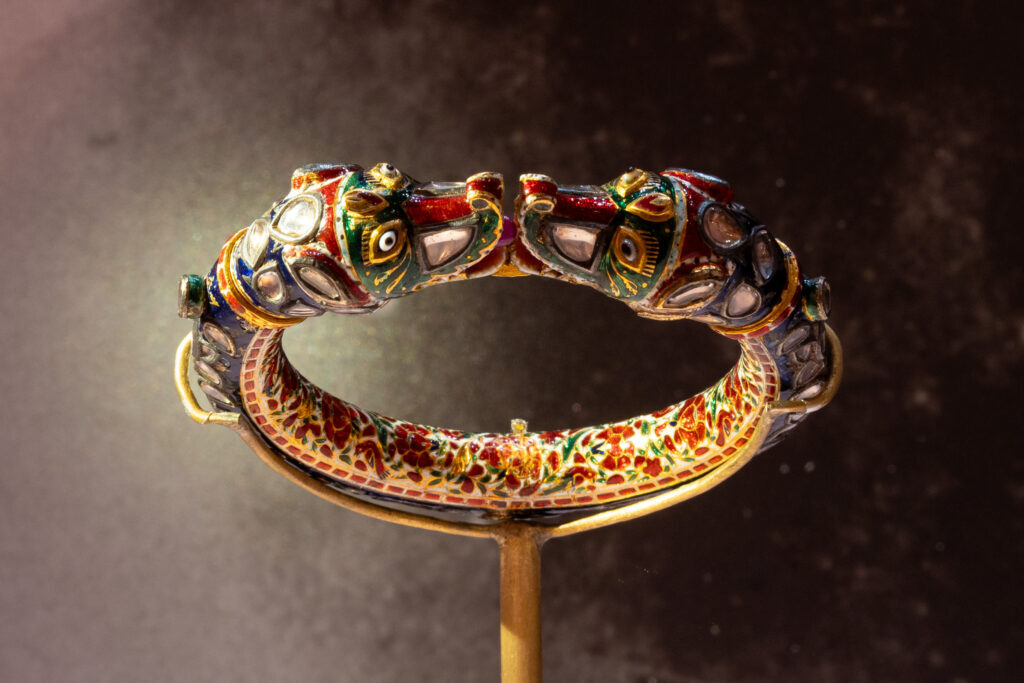
Makara head enameled gold bangle, c. 1850. © Toor Collection. Press materials.
This exhibition is a very interesting insight into lesser-known but very inspiring women. In a very effective manner, their stories are complemented by the voices and artworks of today’s British South Asian communities. This shows even more clearly how relevant and timely these women and their stories are.
The Last Princesses of Punjab: The Story of Sophia Duleep Singh and the Women Who Shaped Her is on view at Kensington Palace, London, until November 8, 2026.
DailyArt Magazine needs your support. Every contribution, however big or small, is very valuable for our future. Thanks to it, we will be able to sustain and grow the Magazine. Thank you for your help!

Art history fan Rome-born Edoardo lives in London, where he juggles his day job with creative writing.

An admirer of antiquity, art, and architecture. An avid reader and amateur photographer. Always curious, always on an adventure.
Very few artists can claim to be as ubiquitous and iconic as Frida Kahlo. This hotly anticipated exhibition at Tate Modern delves into how and why...
Edoardo Cesarino 6 July 2026
Back in 1998, the Hayward Gallery was the first to host a major exhibition of Anish Kapoor’s work in the UK. Now, in the year of the Southbank...
Edoardo Cesarino 22 June 2026
Antonio Canova had an international practice and superstar status as a sculptor during his lifetime, but his works today can often seem bland and...
Catriona Miller 1 June 2026
Last week, I entered the Neue Nationalgalerie in Berlin for a press meeting with Beeple. I was too early and looked for the restroom, and suddenly...
Kate Wojtczak 18 May 2026