

5 Beautiful Diagrams That Visualize Art History
Art history is a field that explains pictures using words. A few people have tried the opposite. Some sketch the landscape of art by hand, shaped by...
Guest Author 27 August 2026
17 September 2026 min Read

Camille Rose Garcia, The Hunter Releases Snow White, 2011. Artsy.
Somewhere between the late 1960s and the 1970s, a new artistic movement emerged from the underground scene. At that time, it didn’t have any self-consciousness, as there wasn’t even a name for it. However, the art was present and it appealed to ordinary people. The art movement under discussion is called Lowbrow. Some consider it a branch of pop art. Nonetheless, it grew so much that it gave life to new offshoots. Let’s see what the Lowbrow movement actually is. Is it just another subculture or does it define a whole generation of artists?
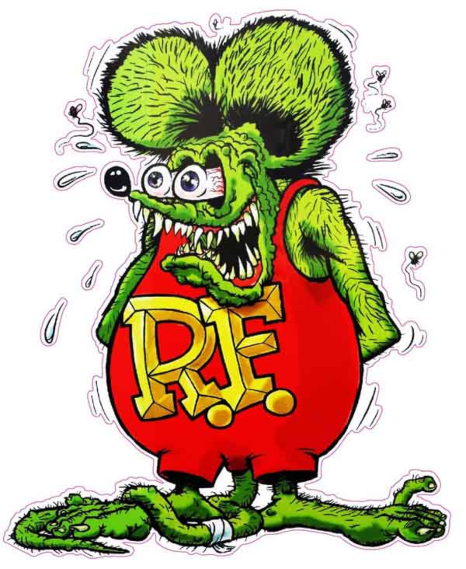
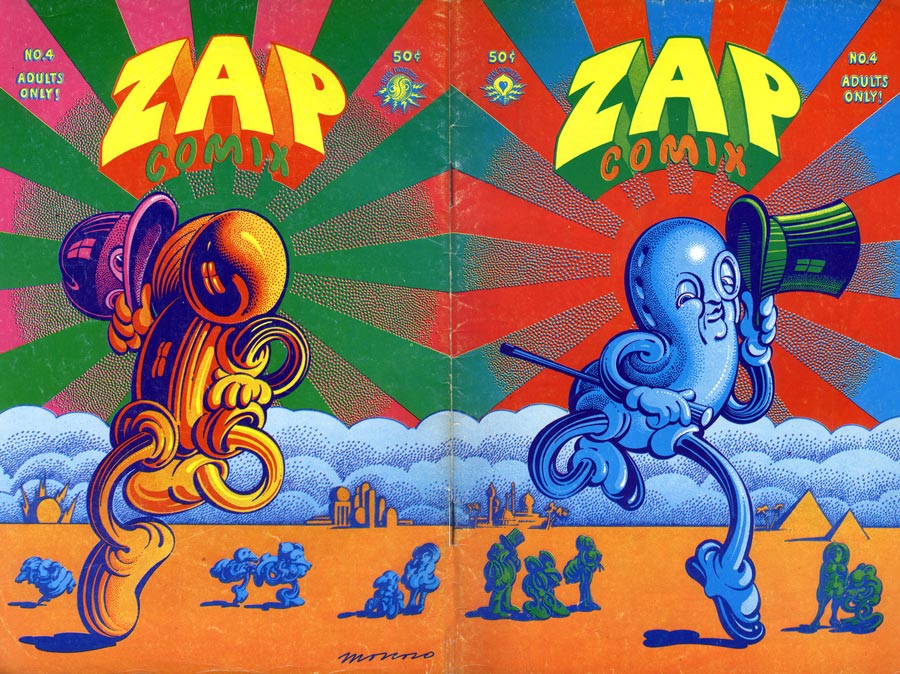
Lowbrow arose in Los Angeles, California, in the late 1960s and 1970s. In the beginning, most of the artists were underground cartoonists, like Robert Williams and Gary Panter. Some believe that the movement has its roots in the late 1950s when Ed “Big Daddy” Roth created Rat Fink in Southern California. During the 1960s, Lowbrow flourished into underground comix (yes, on this occasion, it is spelled this way) like Zap Comix. The most distinctive artists were Robert Crumb, Victor Moscoso, Steve Clay Wilson, and the pillar of the movement, Robert Williams.
There are many cultural influences of the Lowbrow movement. Besides underground comix, artists drew inspiration from classic cartoons, punk music, pulp art, “B” horror movies, Japanese anime, tiki and surf cultures, soft porn, graffiti, hot rod culture, and other “subcultural” offerings. They also used several icons of popular culture. All artworks are humorous, sometimes in a joyful or mischievous way. There are times when the humor is quite sarcastic too.
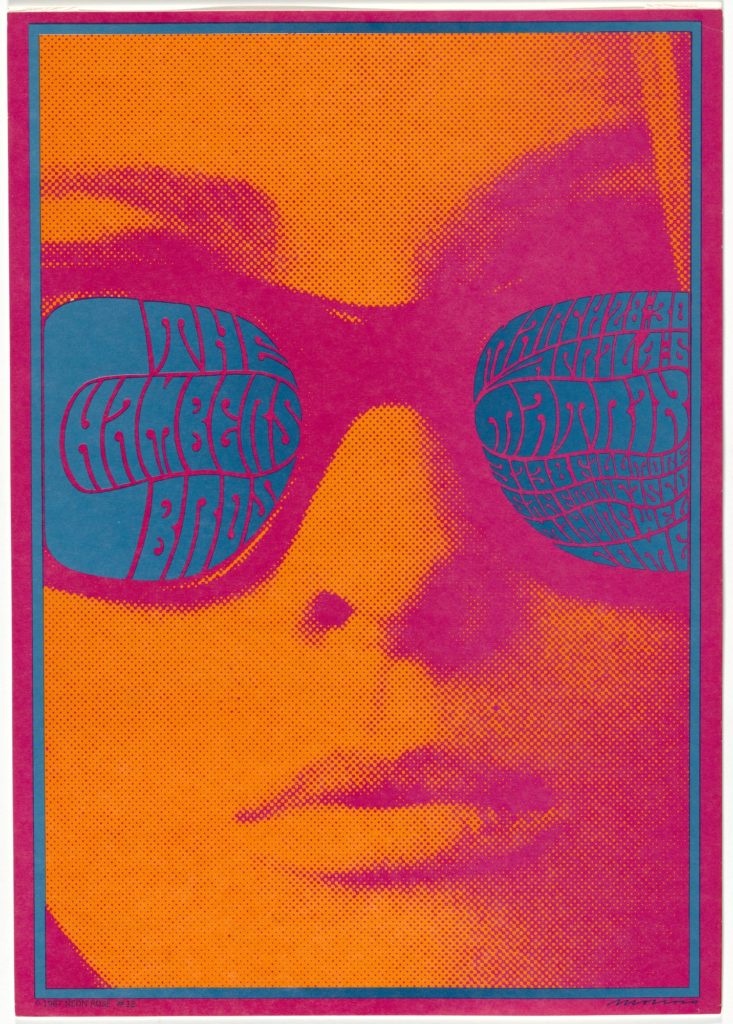
The goal of the movement was to get a rise out of convention. Most artists, if not all, were self-taught and they had nothing to do with fine art. Even though they knew the “rules” of art, they unapologetically didn’t follow them. This led to the disapproval of the movement by mainstream critics, curators, and galleries. Nonetheless, there were some alternative galleries in Los Angeles and New York that organized exhibitions of Lowbrow artists. To name a few of these galleries, there was the Psychedelic Solution Gallery in Greenwich Village, New York, La Luz de Jesus in Los Angeles, and 01 Gallery in Hollywood.
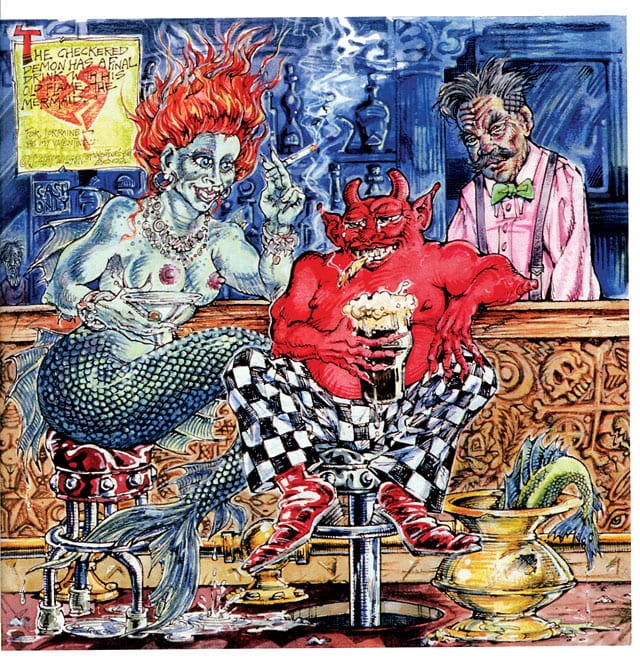
In 2006, Robert Williams took credit for originating the term. He stated that back in 1979, Gilbert Shelton, the publisher of Rip Off Press, decided to make a book of Williams’ paintings. So Williams had to think of a name for the book. He named it The Lowbrow Art of Robt. Williams since no authorized art carrier would recognize his type of art. Thus, lowbrow opposed highbrow, which is high culture. The name stuck although Williams felt it was not suitable. He refers to the movement as “cartoon-tainted abstract surrealism”. When it comes to his own work, he lately refers to it as “conceptual realism”.
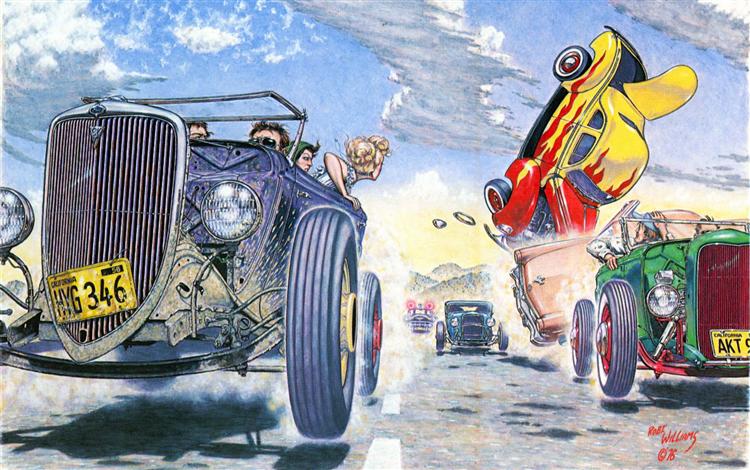
In 1994, Robert Williams, along with Greg Escalante and Eric Swenson, published the first Juxtapoz magazine. The aim was to express and legitimize the Lowbrow art movement. The magazine had a huge impact on the representation and projection of Lowbrow artists. Of course, it didn’t publish only Lowbrow, but also underground cultural stuff too. It was always proud of its cultural roots and it didn’t hesitate to show it.
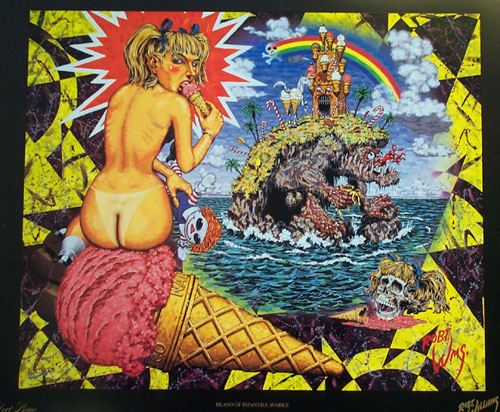
The magazine is still being published today and it is the second most-read art magazine in the USA. It counts thousands of readers, and after 30 years, it is still going strong in art and culture.
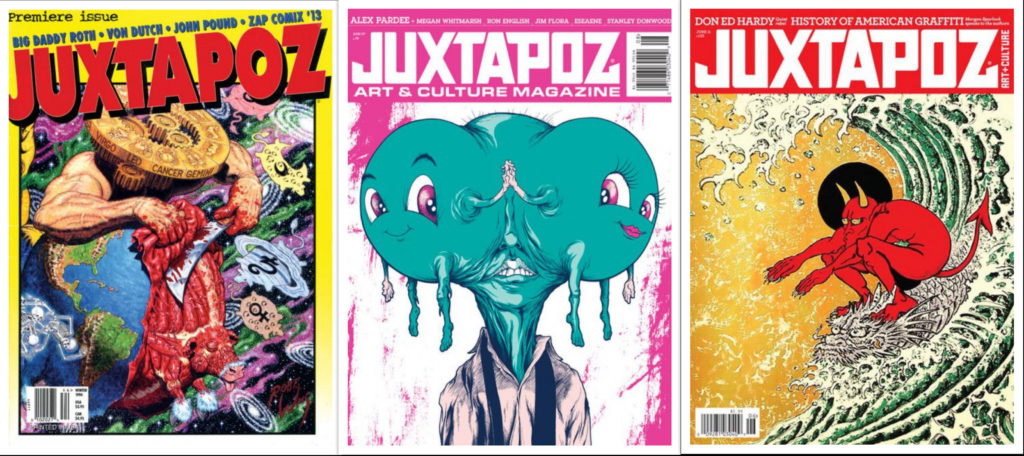
The Lowbrow movement didn’t have and still doesn’t have the approval of the art world. Certainly, the art world didn’t approve of many movements when they first emerged, such as Realism, Fauvism, Dada, Surrealism, Expressionism, Indian River School, or the Florida Highwaymen, and many others.
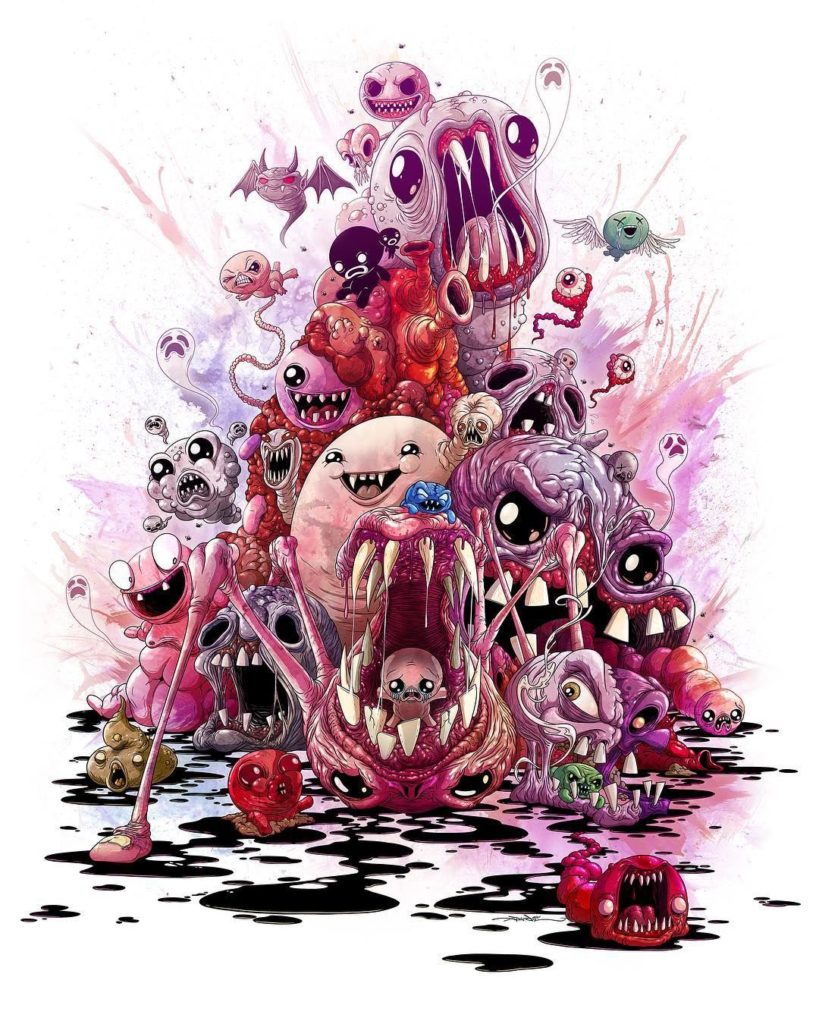
However, if the necessary conditions for the legitimacy of a movement are the ability to last and to speak in visual terms to a large audience, it is safe to say that Lowbrow is a legitimate art movement. It corresponds to the needs of ordinary people for a common cultural language. It has defined a whole generation of artists, and it would be unfair not to applaud them.
Lowbrow manifests itself differently in varying regions, places, and social conditions. Some see a distinct U.S. “West Coast” style, which is influenced by tiki culture, surf culture, and hot rod car culture. Its diverse influences and forms have also led to a variety of labels, including Underground, Neo-Pop, and Kustom.
As the Lowbrow movement started to grow, some artists tried to take their art to the next level. So a new branch emerged: Pop Surrealism. These artists were trained in the fine arts but they were charmed by the Lowbrow style. Kenny Scharf, the godfather of Pop Surrealism, gave a very good definition of his work and, by extension, to this new style:
Surrealism is about the unconscious, and I feel my work is about the unconscious. The images come from the unconscious except that my unconscious is filled with pop imagery. My unconscious is pop, therefore the art would be Pop Surrealism.
Kenny Scharf
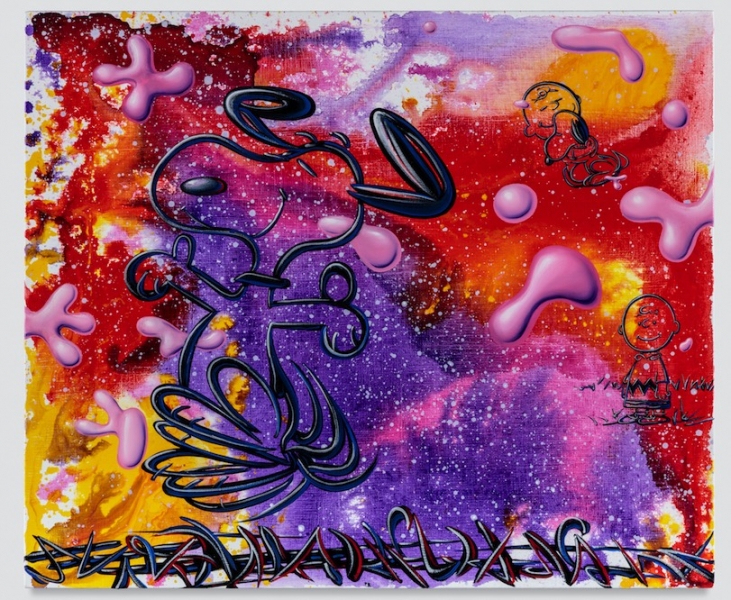
Basically, Pop Surrealism is the marriage of pop culture icons to the obscurity of surrealism. Gradually, the line between lowbrow and highbrow blurred. The artists use pop icons, like Disney characters or Marilyn Monroe, to transmit social and political messages. Meanwhile, their technique reminds one of Van Gogh, Picasso, or Dali, and other great artists. The result is a beautiful and polished work of art, in comparison to pure lowbrow’s raw and rough.
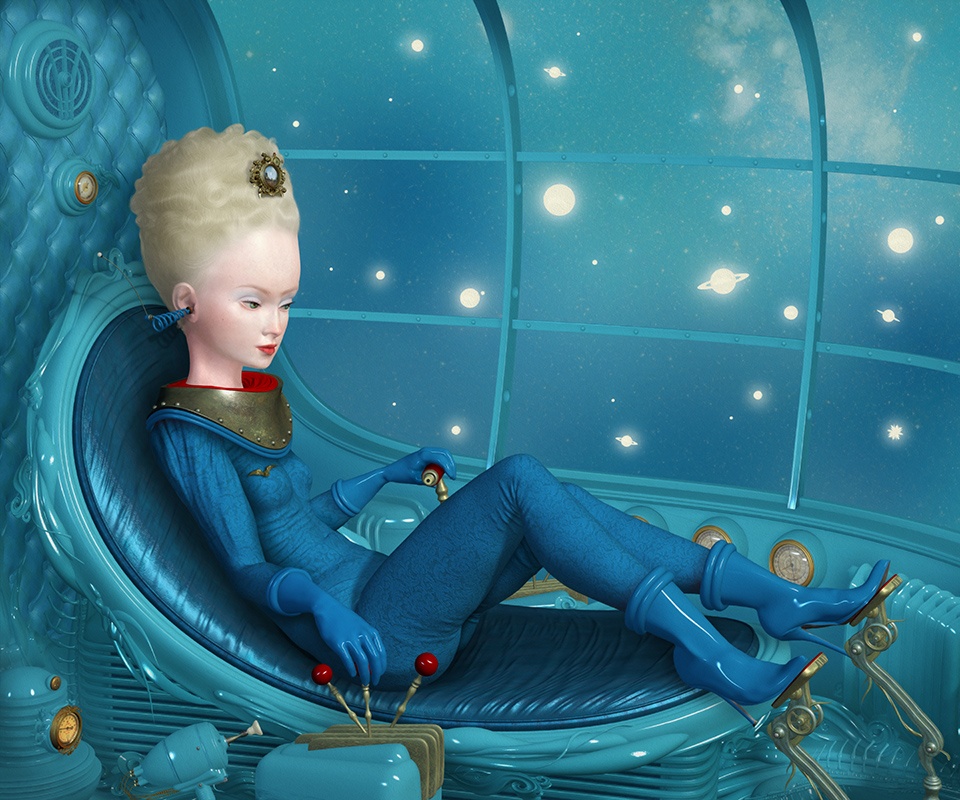
One of the most famous Pop Surrealist artists is Mark Ryden. He uses pop idols and puts them into dreamy or creepy environments. There are also Ray Caesar, Jeff Sotto, Yoshitomo Nara (the Keane eyes have been a major inspiration for him), Alex Gross, Camille Rose Garcia, Tara McPherson, and so many others. Also, Hi-Fructose magazine publishes many artists. It kind of does the same thing as Juxtapoz, although Hi-Fructose leans towards Pop Surrealism. Whatever the case, it has helped to strengthen both movements.
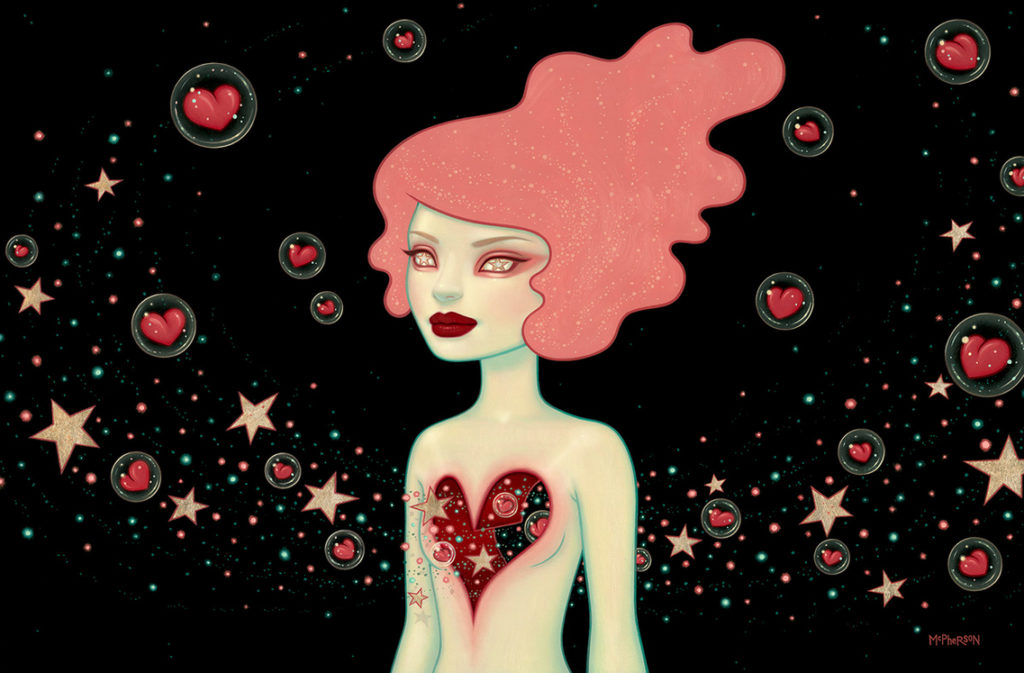
Thus, Pop Surrealism appeals to ordinary people too. The average citizen isn’t interested in or educated in art history, but is into pop culture. Therefore, it is easy to enjoy Pop Surrealism. Along with the rise of Pop Surrealism and its public appeal, came the first validation of the Lowbrow movement in the art world. Galleries have opened their doors to these artists and have held their exhibitions. Of course, there is still a long way to the top, but at least there is some recognition.
In the 2000s, everything went digital. So did Lowbrow and Pop Surrealism. The artists started using Photoshop and 3D modeling to create their art. Unfortunately, with this adaptation came an identity crisis. Nowadays, anyone who creates a kitschy or pop illustration claims to be a Lowbrow artist. So, how do artists who make flawless Lowbrow paintings or sci-fi sculptures separate themselves from all others? How can one prove that their technically perfect works are proper Lowbrow or Pop Surrealism when under the hashtag #popsurrealism, there are millions who claim to be suitable representatives?
DailyArt Magazine needs your support. Every contribution, however big or small, is very valuable for our future. Thanks to it, we will be able to sustain and grow the Magazine. Thank you for your help!

I'm Errika Gerakiti, an art writer and curator based in Athens. I write about modern and contemporary art, fashion, and cinema — with a particular interest in the overlooked, the uncomfortable, and the underrepresented. When I'm not writing, I'm curating exhibitions, reading, painting, sculpting, or reading. For longer reads, personal essays, and an occasional science-fiction or horror story, find me on Substack.
Art history is a field that explains pictures using words. A few people have tried the opposite. Some sketch the landscape of art by hand, shaped by...
Guest Author 27 August 2026
Did you know that some of the most admired painters’ pigments in art history are also among the most toxic? The pursuit of beauty has sometimes...
Celia Leiva Otto 4 June 2026
Legend has it that in 1672, two important Dutch statesmen and brothers, Johan and Cornelis de Witt, were murdered, mutilated, and eaten by an angry...
Nicole Ganbold 6 October 2025
Controversial and challenging Madonnas from across art history. Ten eccentric and thought-provoking paintings. Take a look!
Candy Bedworth 28 April 2025