From Symbolism, through Fauvism, Futurism, and Abstraction, František Kupka is a great example of an artist whose works reflect changes that happened in modern art at the turn of the 19th century. This fascinating painter definitely deserves more recognition.
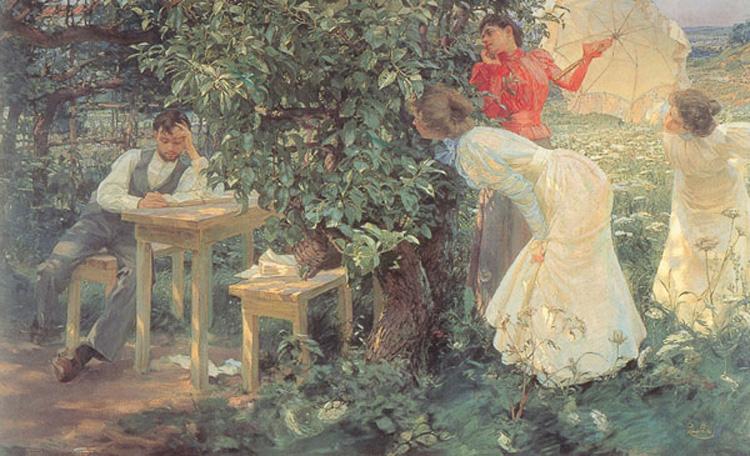
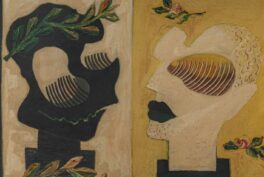
Symbolist Face
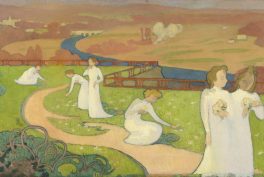
František Kupka was born in the Bohemia region (today’s Czech Republic), which back then was part of the Austro-Hungarian Empire. He first spent 3 years studying painting at the Academy of Fine Arts in Prague, and then he moved to Vienna to study at Akademie der Bildenden Künste. It was 1892, a few years before Gustav Klimt announced the foundation of the Secession movement in 1897, yet one could already feel the ferment of change in the air. During these years, Kupka created works in an Art Nouveau style which combined Symbolism and Naturalism.
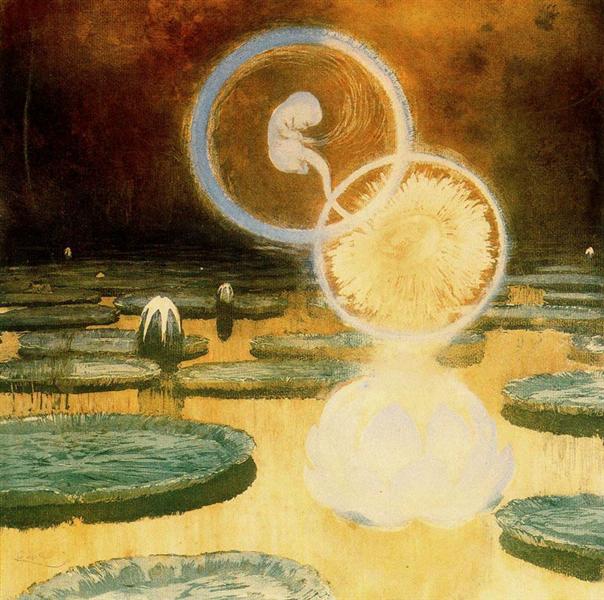
Theosophic Face
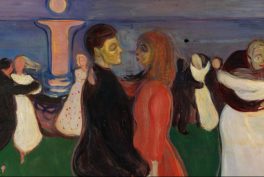
Symbolism was just a step toward Kupka’s new transformation. He was a sensitive man who, already in adolescence, had been introduced to spiritual concepts about the cosmos by his employer, a saddle maker for whom Kupka worked as a teenager. The exploration of the relationship between geometry and spirituality was one of the themes that dominated his life and work. Probably as early as 1894, he became involved in the Theosophic movement and was fascinated by Eastern philosophies. Two years later, he moved to Paris to begin studies at Académie Julian.
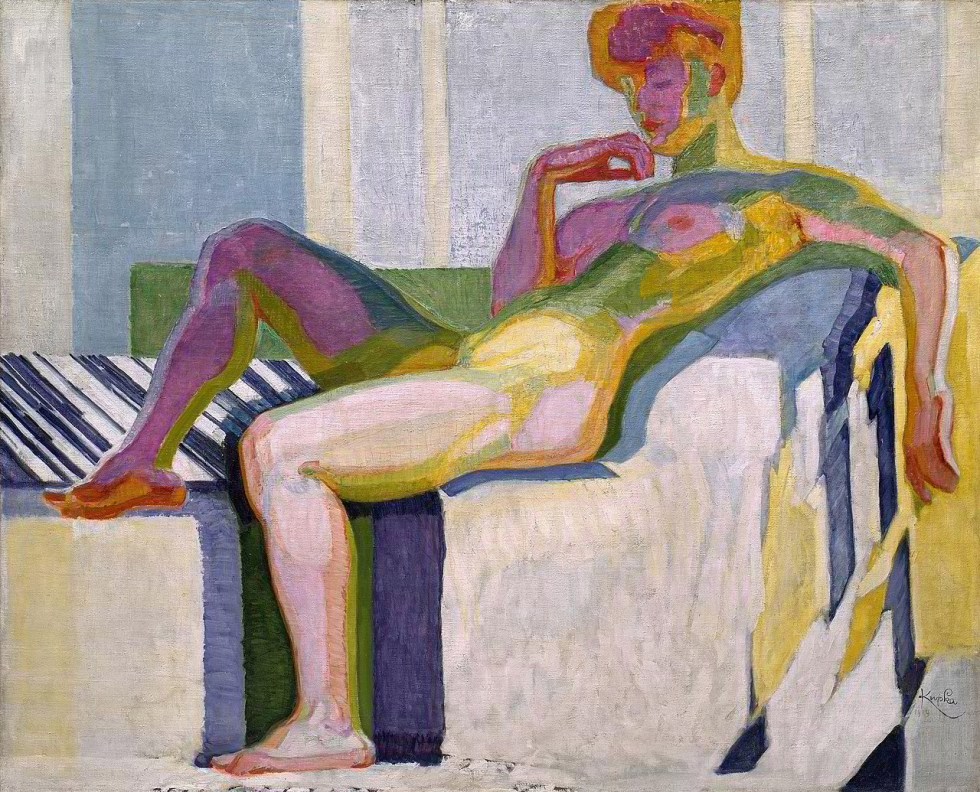
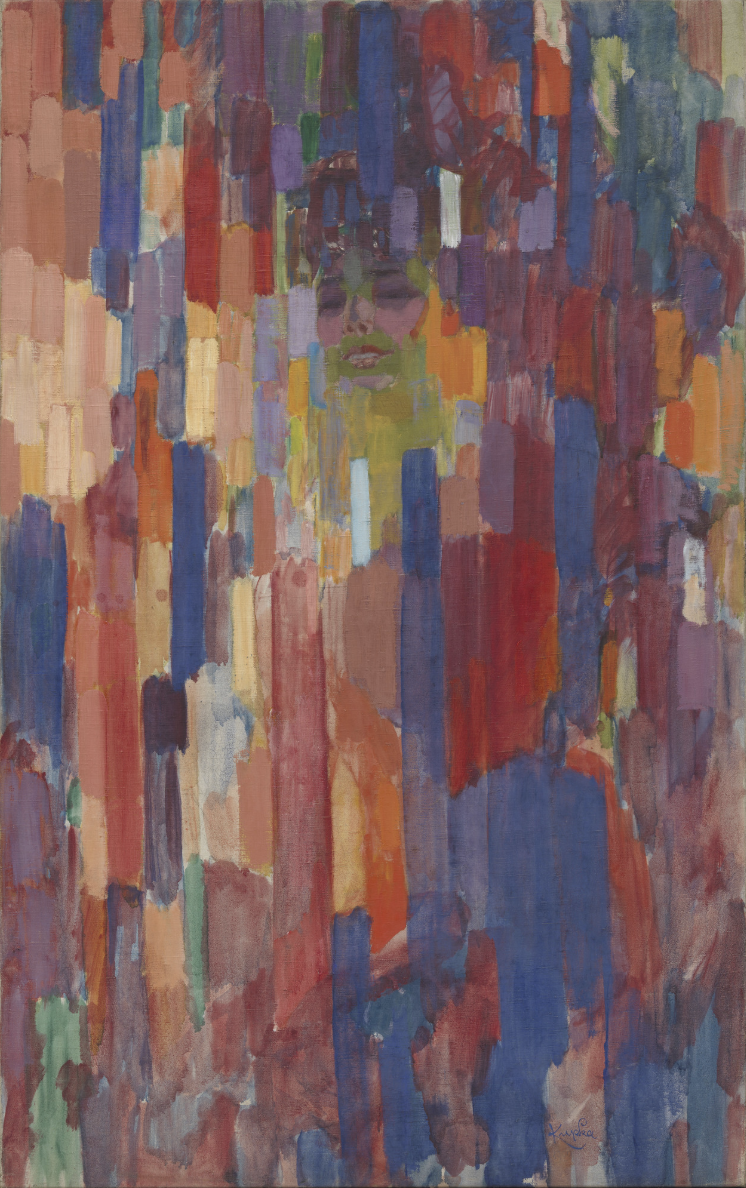
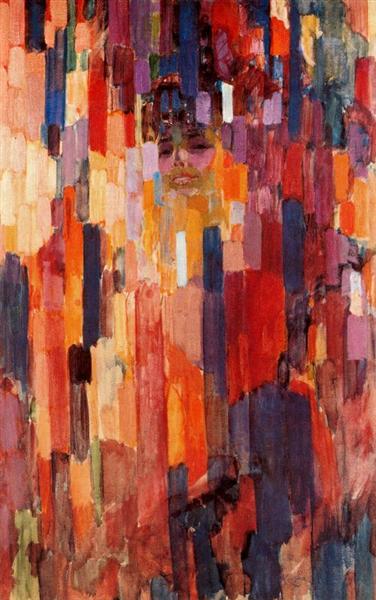
Fauvist Face
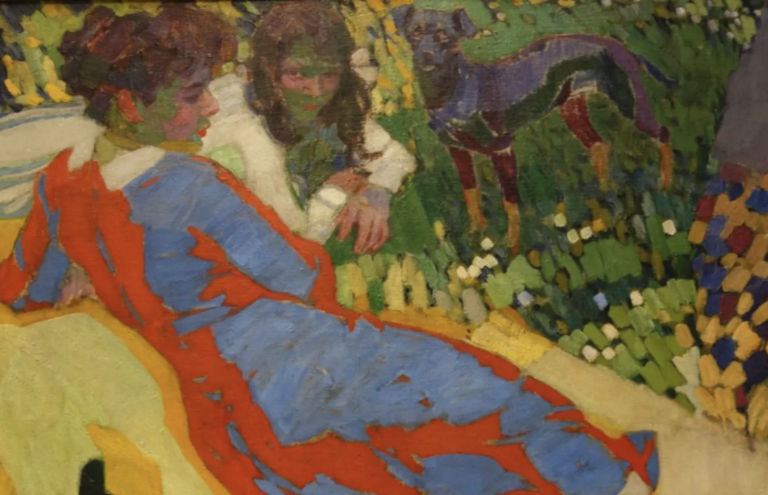
As he moved to the center of the artistic universe, he began frequenting exhibitions. Undoubtedly, he saw works by Neo-Impressionists and Fauvists whose bright palette and dependence on color as a means of expression inspired him to experiment with different styles. In the meantime, he did caricatures for various satirical magazines to pay his living. In this painting, we see his muse and wife Eugénie, whose body is constructed solely by colors.
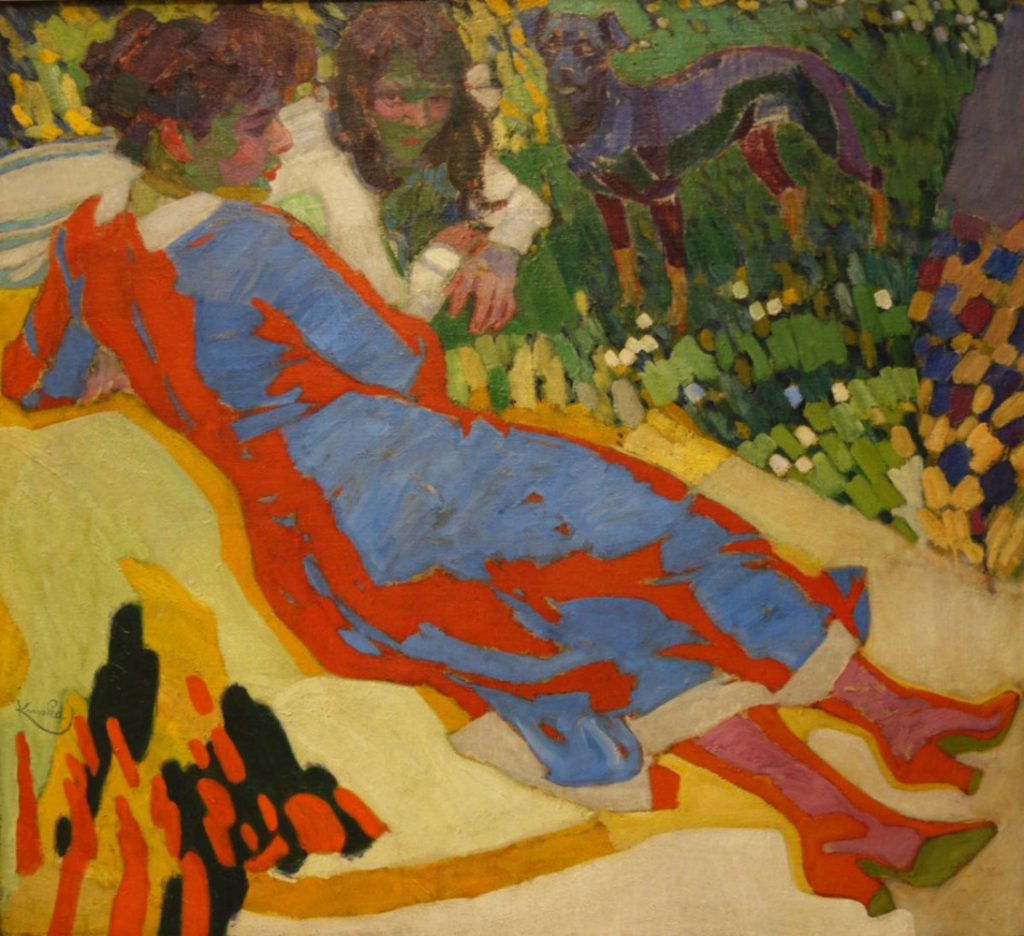
Futurist Face
In 1909 the Italian Futurists published their first manifesto on the pages of the French paper Le Figaro. He was deeply affected by their experiments with capturing movement in painting and sculpture, or re-inventing music. They corresponded with his own attempts at that and his theories on motion and color, and the relationship between music and painting.
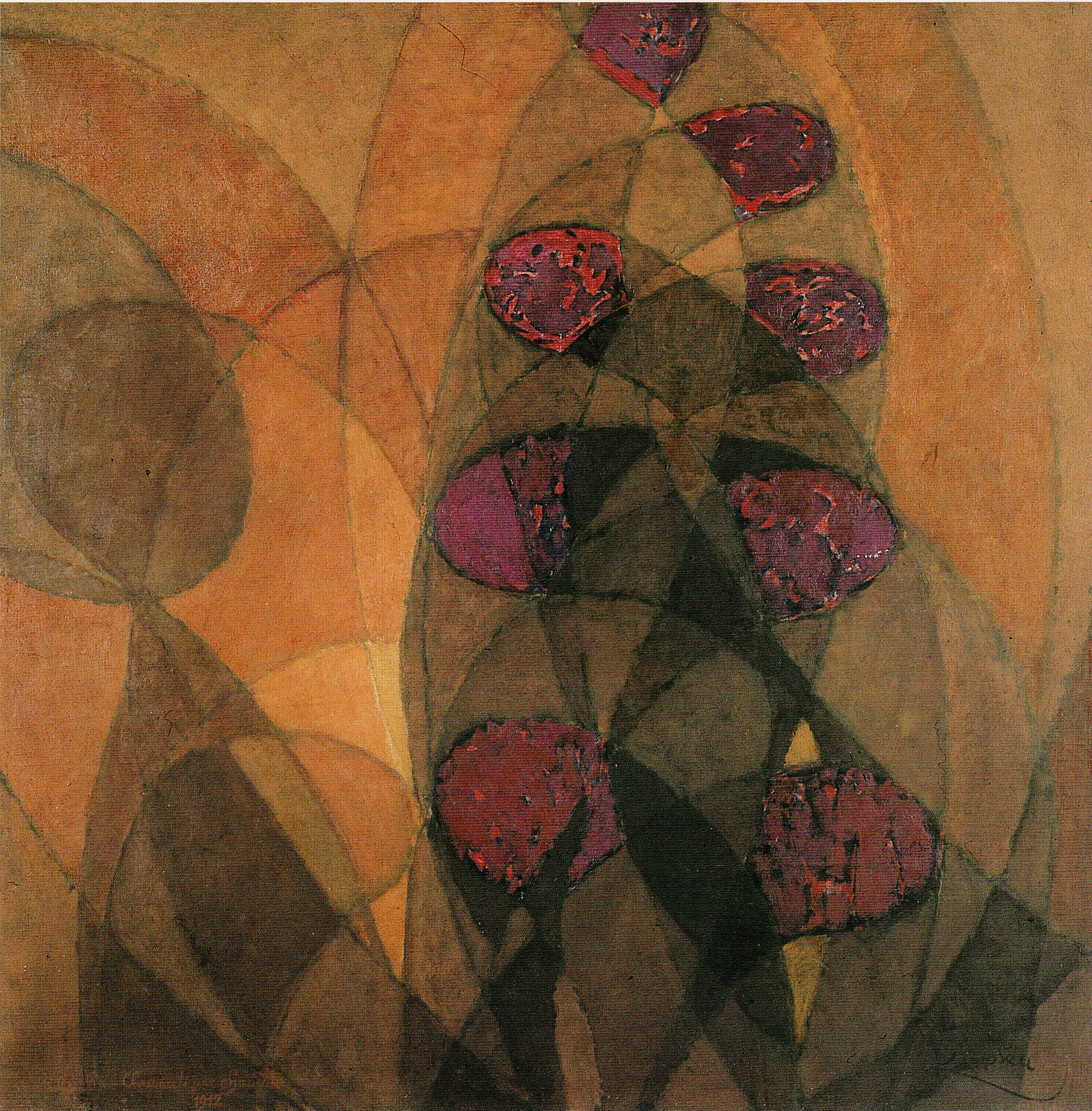
Orphic Face
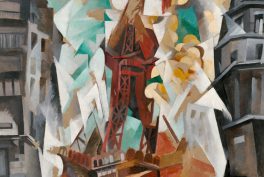
The invention of radiography at the turn of the century, Cubism and Robert Delaunay‘s creation of Orphism, was a threshold in Kupka’s search for an alternative dimension of reality. Through a kind of painterly X-ray vision, he analyzed movement and form, heading directly toward the only possible direction: the road of Abstraction.
We love art history and writing about it. Your support helps us to sustain DailyArt Magazine and keep it running.
DailyArt Magazine needs your support. Every contribution, however big or small, is very valuable for our future. Thanks to it, we will be able to sustain and grow the Magazine. Thank you for your help!
Magda, art historian and Italianist, she writes about art because she cannot make it herself. She loves committed and political artists like Ai Weiwei or the Futurists; like Joseph Beuys she believes that art can change us and we can change the world.