
This Viral Game Turns the Met’s Collection into a Daily Quiz
How well do you know art from around the world? Anthropeum turns exploring the Met’s digital collection into a daily guessing game, where players...
Bec Brownstone 24 August 2026
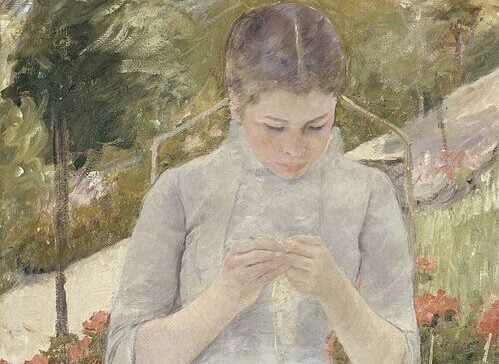
Mary Cassatt, Girl in the Garden, 1880–1882, Musée d’Orsay, Paris, France. Detail.
Wherever you are in Europe or the United States this fall 2026, there are great exhibitions to visit. From anniversary blockbusters to intimate focus displays and themed shows, there is something for everyone. Van Eyck, Mary Cassatt, Roy Lichtenstein, and many, many more. Here are some of the best exhibitions around.
Whitney Museum of American Art, New York City, NY, USA, opening October 11, 2026
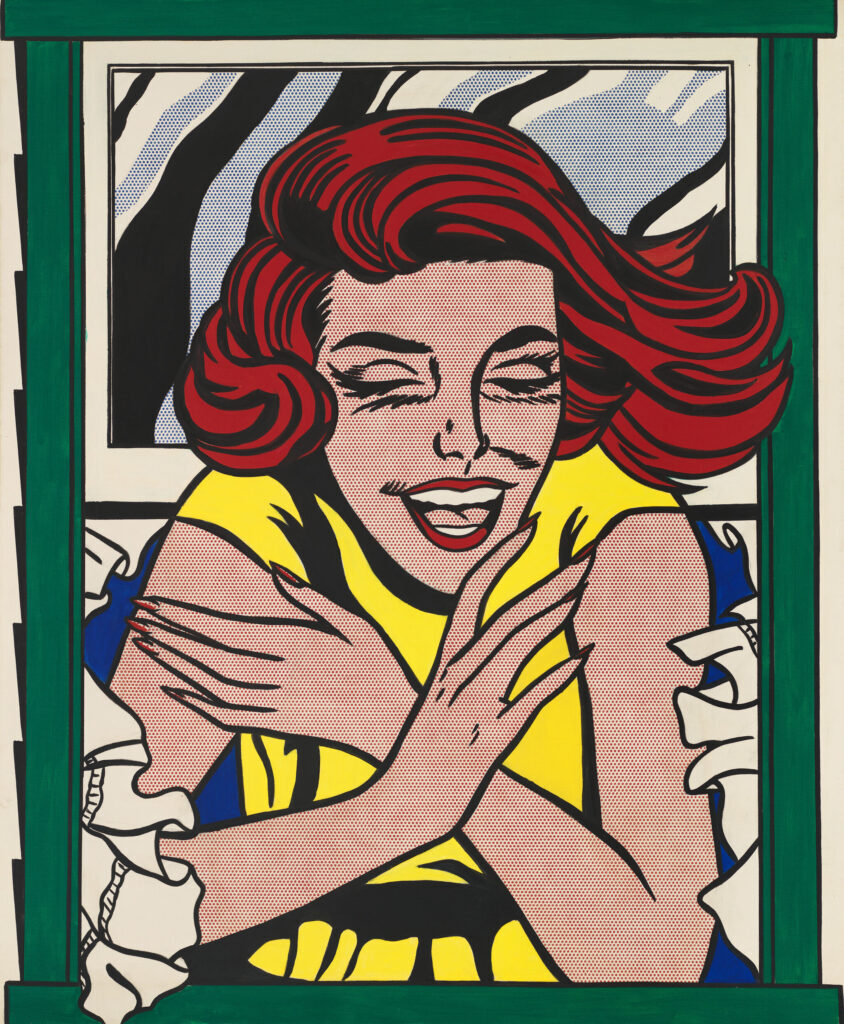
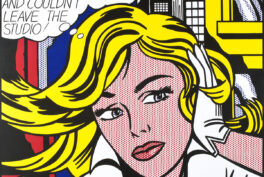
Roy Lichtenstein, Girl in Window (Study for World’s Fair Mural), 1963, Whitney Museum of American Art, New York City, NY, USA. © Estate of Roy Lichtenstein.
Iconic Pop artist with one of the great names of the 1960s movement, Roy Lichtenstein is best known for his bold comic-inspired paintings. The Whitney is promising a re-evaluation, however, with a huge 130-work show covering the artist’s whole life and genres as diverse as film and sculpture. There is a complete recreation of the artist’s first breakout exhibition in 1962, and of his 96-foot-long Greene Street Mural from 1983. The highlights, however, are surely works like Drowning Girl, which apply handmade painterliness to mass-machine-produced images. There is also a separate exhibition looking at the last year of his life, 1997.
For dedicated fans of Pop Art, New York’s Guggenheim is also exploring the movement and bringing it bang up to date in their ongoing show Guggenheim Pop, 1960 to Now (ending January 10, 2027). It is a collection show, but they have a pretty good collection which includes big names like Andy Warhol and Richard Hamilton, alongside new, contemporary acquisitions. Meanwhile, across the Atlantic, the Musée du Luxembourg in Paris has a big Warhol show, focusing on his lesser-known drawings, but including plenty of silk-screen prints and paintings as well (September 16, 2026–January 10, 2027).
Musée d’Orsay, Paris, France, October 6, 2026–January 31, 2027
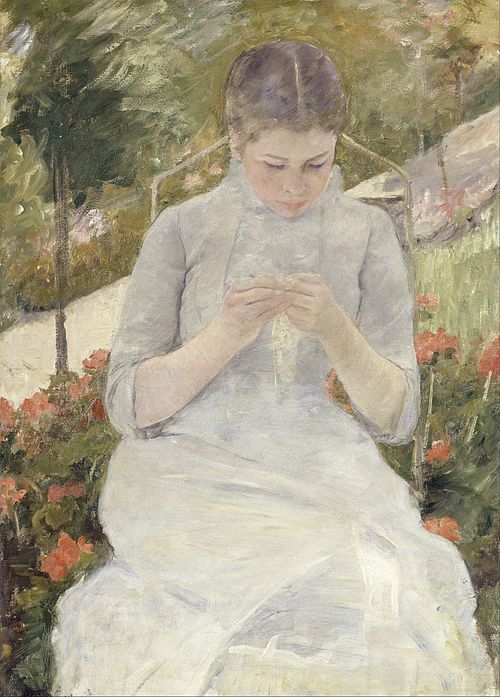
Mary Cassatt, Girl in the Garden, 1880–1882, Musée d’Orsay, Paris, France.
Marking the centenary of Mary Cassatt‘s death, this is a big, 80-work retrospective of the American-born, French-based Impressionist, taking in paintings, pastels and prints, which are some of her most innovative works. Although the curators are taking a standard chrono-thematic approach, the subtitle positions Cassatt as a woman who was determined to make her own way in the world. She made a successful living as an artist, exploiting the popularity of her mother and child paintings, but was also a supporter of women’s suffrage. The exhibition includes a digital recreation of her monumental mural Modern Woman produced for the 1893 Chicago World Fair.
Iterations of the exhibition are traveling to the National Portrait Gallery in London (March 11–June 13, 2027) and the Boston Museum of Fine Arts (July 17–November 28, 2027). The Chicago Institute of Art is also celebrating the anniversary with a 75-work show looking at Cassatt’s later career: Mary Cassatt: After Impressionism (September 6 2026–January 3, 2027).
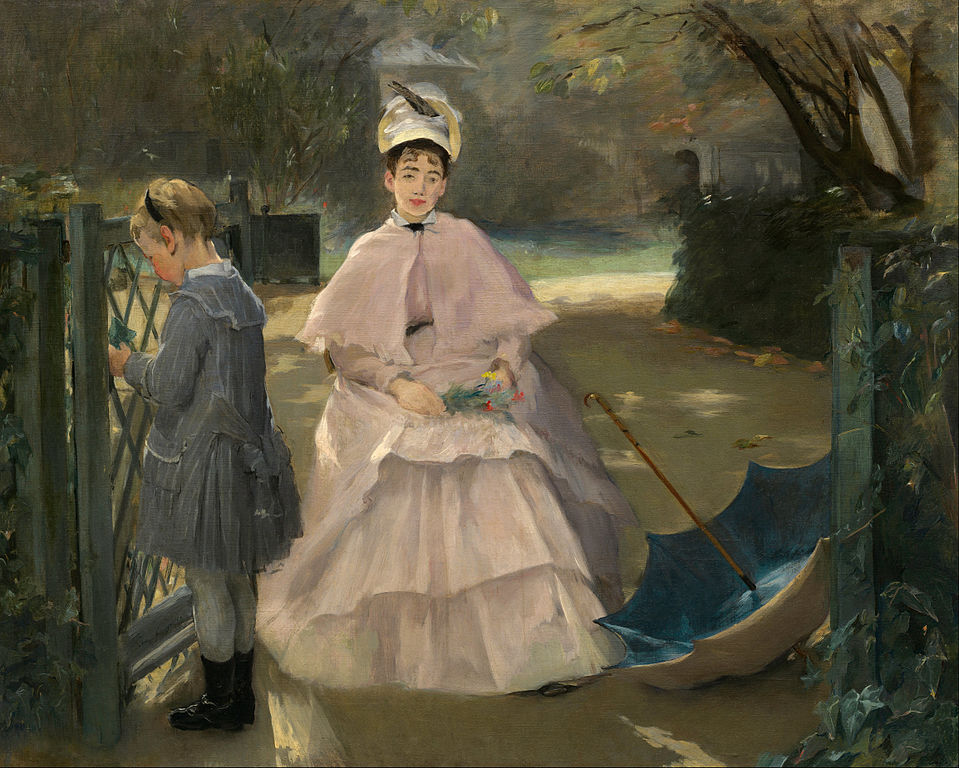
Eva Gonzales, Nanny and Child, 1877–1878, National Gallery of Art, Washington, DC, USA.
Meanwhile, back in Paris, you can also see the work of another female Impressionist. Eva Gonzales has never had a big retrospective, but the Petit Palais has gathered over 100 works for A Free Spirited Artist (September 15, 2026–January 24, 2027).
National Gallery, London, UK, November 21, 2026–April 11, 2027

Jan van Eyck, Portrait of Giovanni(?) Arnolfini and His Wife, 1434, National Gallery, London, UK.
There are big blockbusters, and then there are once-in-a-lifetime shows like this: the first time all nine of Jan van Eyck’s surviving portraits have been brought together. It helps that the National Gallery has two of them to start with, but this is still a huge undertaking and a not-to-be-missed show. The symbolically complex and mysterious Arnolfini Portrait is being shown alongside another portrait of Arnolfini from Berlin. The Portrait of a Man, assumed to be a self-portrait, will hang alongside a painting of the artist’s wife from Bruges. Van Eyck’s portraits were revolutionary in their representation of untitled gentry and merchants. More than that, they achieved a level of detail and realism which is still breathtaking.
The National Gallery’s other fall 2026 exhibition offering is Renoir and Love (October 3, 2026–January 31, 2027). A feast for Impressionist fans and anyone who likes their art with a touch of sweetness, it includes Bal au Moulin de la Galette on show in the UK for the first time. The exhibition was previously in Paris, where it was well received, and will travel on to Boston in 2027.
Städel Museum, Frankfurt, Germany, September 17, 2026–January 17, 2027
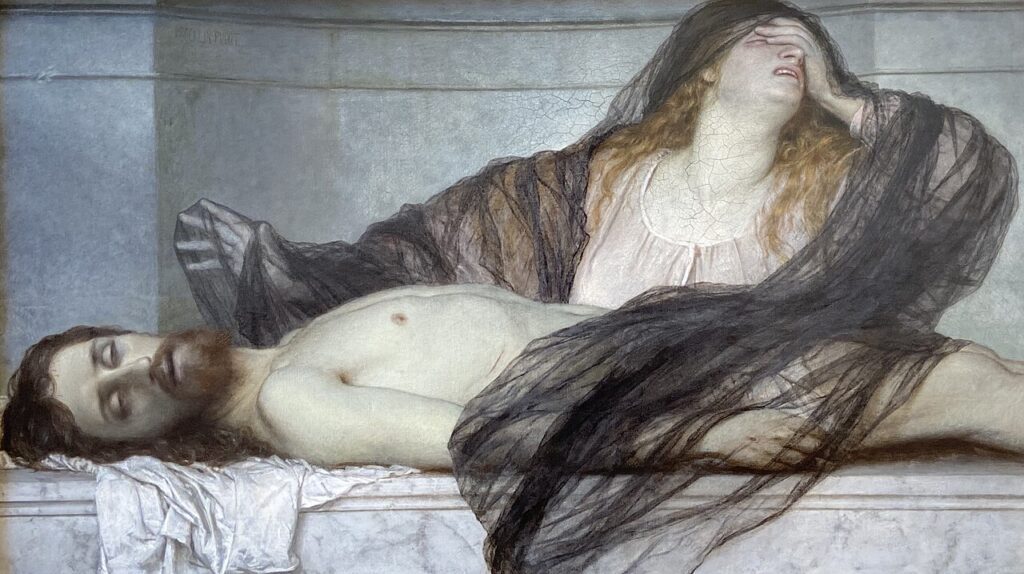
Arnold Böcklin, Sorrow of Mary Magdalene at the Body of Christ, 1867, Kunstmuseum Basel, Basel, Switzerland.
Thematic exhibitions are always interesting, and this is a particularly intriguing one. Mary Magdalene has fascinated artists for centuries, and this exhibition uses over 100 paintings, sculptures and prints from the Middle Ages up to the present day to explore the ways she has been represented. A figure shrouded in mystery, she has been conflated with various Biblical “Marys” to symbolize sin, repentance, devotion and ecstasy, often through a male gaze which exploited her sexuality. There is a strong presence of women artists as diverse as Spanish Baroque sculptor Luisa Roldán and German New Objectivity painter Lotte Laserstein. By taking such a broad chronology, the curators also aim to investigate changing ideas about women, faith and society.

Sandro Botticelli, Portrait of Giuliano de’ Medici, 1478, Gemäldegalerie, Berlin, Germany.
In Berlin, there is a more straightforward, but equally interesting, thematic show. Portraits! Surprising Encounters from Botticelli to Lempicka runs from October 16, 2026 to March 14, 2027, at the Gemäldegalerie. Here they are deliberately pairing 80 pictures from different periods, countries, and social classes, which should throw up lots of interesting comparisons.
Albertina Museum, Vienna, Austria, September 18, 2026–January 31, 2027
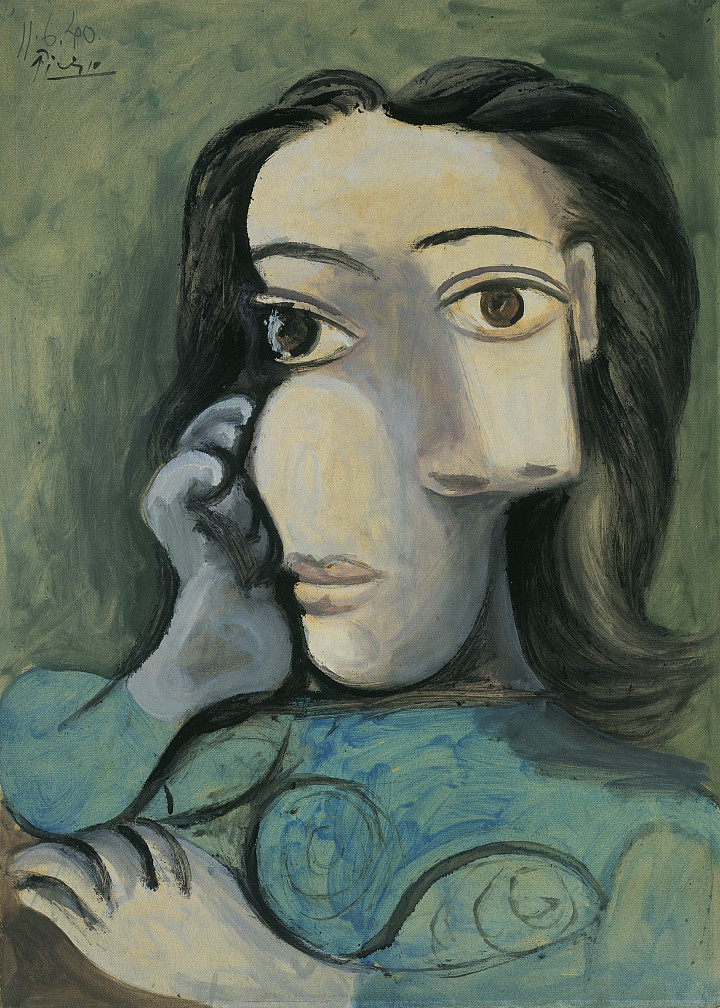
Pablo Picasso, Dora Maar, 1940, Berggruen Museum, National Gallery, Berlin, Germany. © Succession Picasso / Bildrecht, Vienna 2026 © Photograph by bpk/Nationalgalerie, SMB, Museum Berggruen/ Jens Ziehe via Albertina.
Two 20th-century giants go head to head at the Albertina. Pablo Picasso inarguably revolutionized art in the 1900s, and Francis Bacon wanted to do the same in the years after the Second World War. Although the artists never worked together, they followed each other’s careers and shared many of the same artistic interests. In different ways, too, they both had turbulent and sometimes controversial personal lives.
The Albertina is assembling around 70 works which aim to highlight these similarities. Subjects like crucifixions, bullfights and nudes were explored by both artists. Both used distortion and exaggeration in their representation of the human figure and seemed obsessed with suffering and extreme emotion. Their work is not just about what it feels like to be human, but what it was like to live through the last century.
Other pair exhibitions include the rather more obvious combinations of Hals-Rembrandt at the Frans Hals Museum (November 6, 2026-February 28, 2027), and Vanessa Bell and Duncan Grant at Tate Britain (from November 12, 2026). Inside Bloomsbury is a huge, 300-object show, including a restaging of their Charleston studio. The wildcard show is Maria Lassnig and Edvard Munch. Flow of Paint= Flow of Life, which moves from the Hamburger Kunsthalle to Kunsthaus Zürich (October 2, 2026-February 21, 2027). Two very different artists, half a century apart, who shared ideas about humanity, life, death, and relationships.
Van Gogh Museum, Amsterdam, Netherlands, October 16, 2026–January 10, 2027
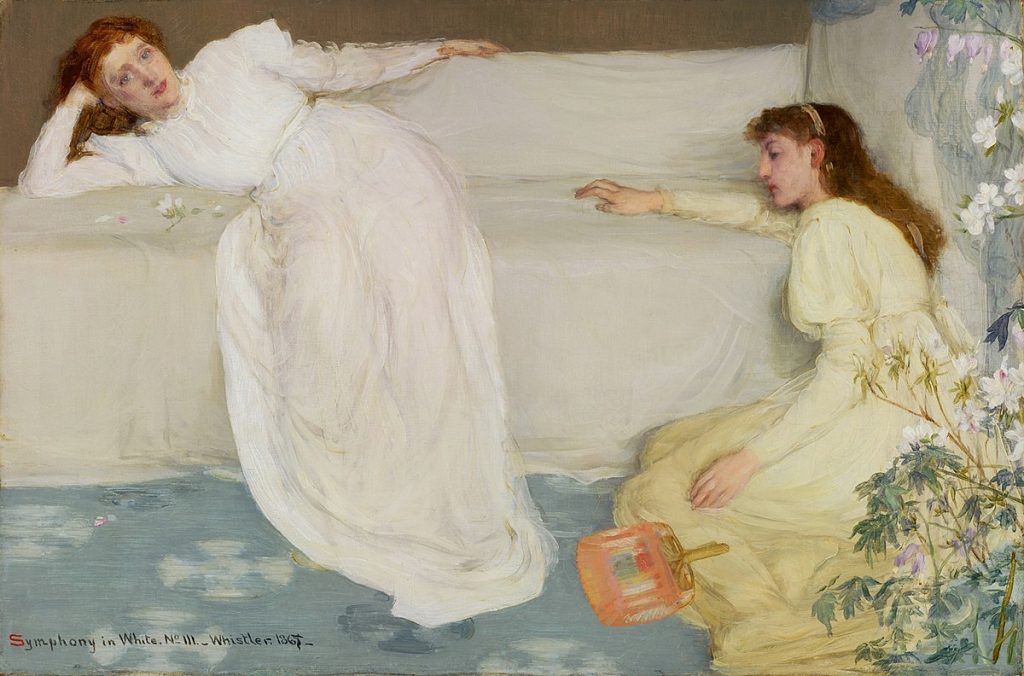
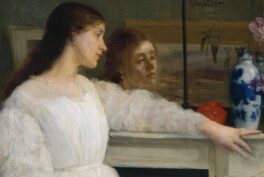
James McNeill Whistler, Symphony in White, No. 3, 1865–1867, Barber Institute of Fine Arts, University of Birmingham, Birmingham, UK.
Coming off the back of the big Tate exhibition, the Van Gogh Museum is giving its own take on the work of James McNeill Whistler in the artist’s biggest European retrospective in a generation. There are over 100 works, including some of his most iconic (Arrangement in Grey and Black No. 1), but the museum is, perhaps not surprisingly, stressing links between Whistler and Van Gogh. The Dutch artist frequently wrote about Whistler in his letters and particularly admired his etchings.
There is a companion exhibition, Exhibition Whistler. Loving the Netherlands, running at the same time, at the Mesdag Collection in The Hague. Whistler was a frequent visitor to Holland and a lover of Rembrandt’s work. He also knew Willem Mesdag and actually visited his art collection. This show contextualizes the American with work by his Dutch contemporaries as well as displaying Whistler’s scenes of the Netherlands.
Gemäldegalerie Alte Meister, Dresden, Germany, September 19, 2026–January 10, 2027
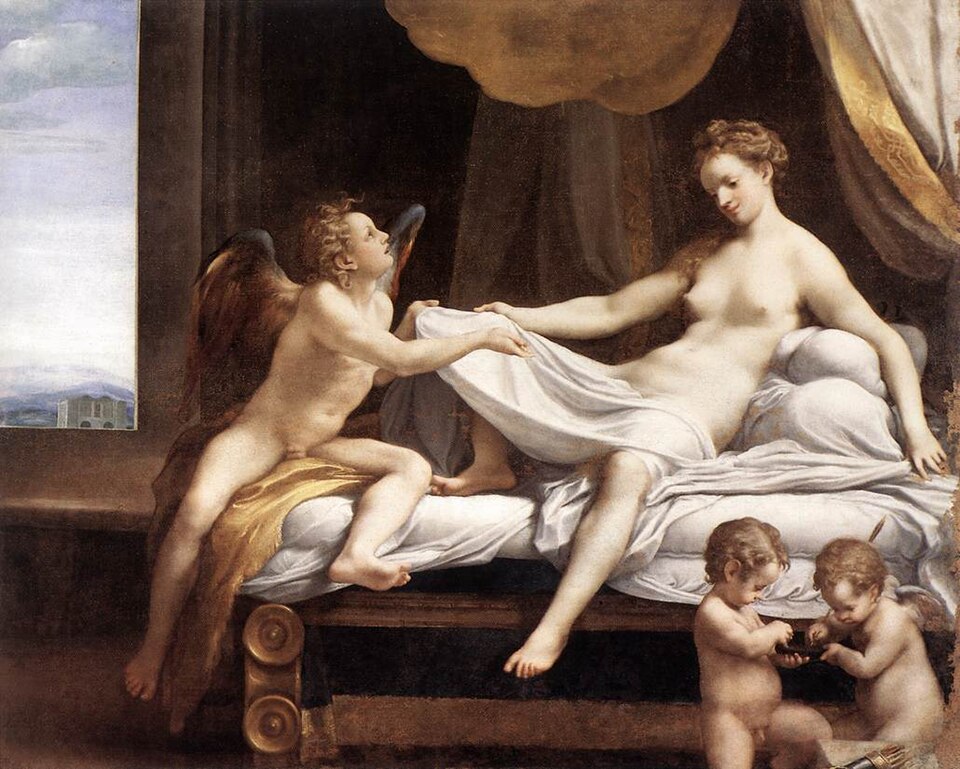
Correggio, Danaë, c. 1531, Galleria Borghese, Rome, Italy.
Correggio is one of those artists who gets slightly sidelined, partly at least because there are not a huge number of his paintings around—only about 60. Arguably, however, he represents the best of the Renaissance, fusing assured draughtsmanship and compositional complexity with Titian’s use of color.
Dresden is taking advantage of their own excellent collection and especially the newly restored Madonna of St Sebastian. However, it is Correggio’s often overtly erotic classical scenes for which he is now best known, and Dresden has secured big loans, like the Borghese’s Danaë, to make this the biggest show ever held outside Italy.
National Museum of Norway, Oslo, Norway, October 8, 2026–February 7, 2027
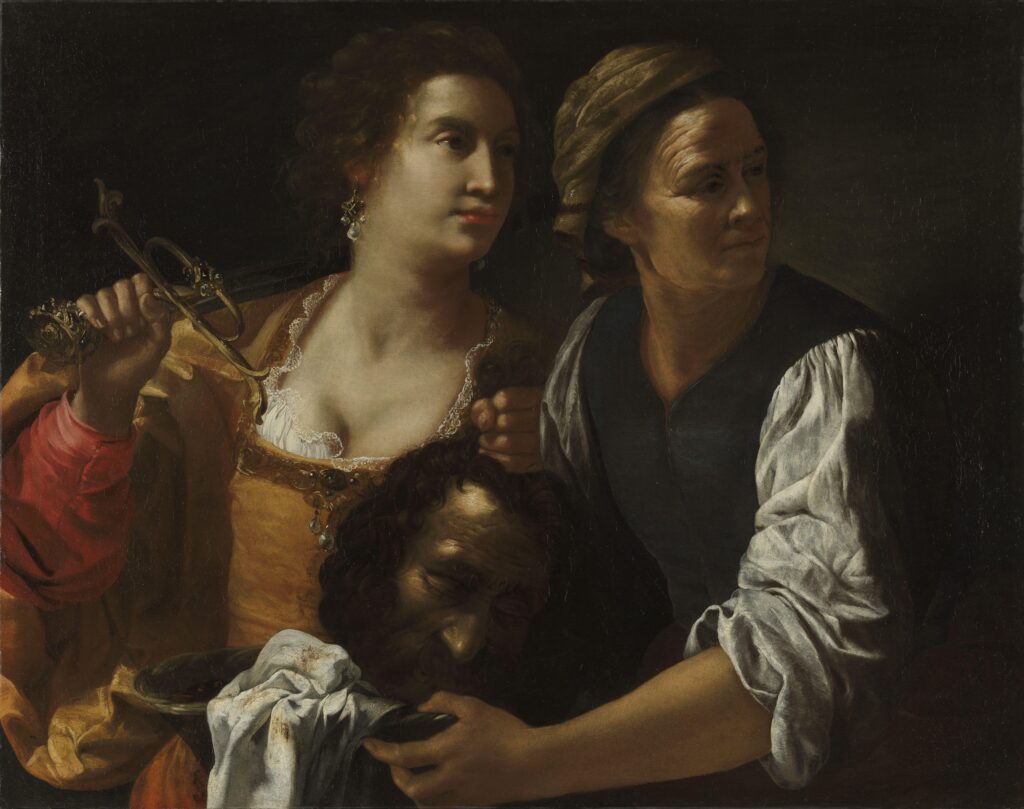
Artemisia Gentileschi, Judith and Her Maidservant with the Head of Holofernes, 1639–1640, National Museum of Norway, Oslo, Norway.
This might have a quirky title, but exhibitions focusing on women artists are becoming pretty standard these days, and Oslo’s National Museum is not alone in having a program dominated by female practitioners. They are currently showcasing the work of Asta Nørregaard (Truth and Beauty, finishing October 18, 2026), a 19th-century painter and activist, best known for her portraiture. Meanwhile, the National Gallery of Ireland has got Hilma Af Klint; Surrealist Leonor Fini is in Frankfurt, and Germany is gearing up for Gabriele Münter’s 150th anniversary with a touring exhibition of Women of the Blue Rider which starts in Wiesbaden.
Oslo’s W̶o̶m̶a̶n̶ Painter show looks at 90 artists working c. 1550-1650 and includes big names like Sofonisba Anguissola, Judith Leyster and Artemisia Gentileschi, as well as some less familiar, like that of portraitist Chiara Varotari. A newly acquired Clara Peeters still life is on display for the first time, but most of these works disprove the misconception that women only painted flowers and fruit. Equally, there is a deliberately broad geographical span, emphasizing that women worked throughout Europe. The exhibition will travel to Galleria Borghese in Rome from March 15 to May 30, 2027.
These are just some of the hundreds of exhibitions opening in fall 2026—go and enjoy some art!
DailyArt Magazine needs your support. Every contribution, however big or small, is very valuable for our future. Thanks to it, we will be able to sustain and grow the Magazine. Thank you for your help!

Catriona Miller is an art historian and freelance writer on art. Having studied at Oxford and St Andrews, she is currently researching issues of nationalism and identity in British landscape painting. She has taught art history and lectures on art history and art appreciation.

How well do you know art from around the world? Anthropeum turns exploring the Met’s digital collection into a daily guessing game, where players...
Bec Brownstone 24 August 2026
At DailyArt Magazine, we have assembled a carefully curated list of 10 must-see exhibitions across Europe and the United States this spring, from...
MJ Rivera 9 April 2026
As the art world turns the page on a new year, museums and galleries are unveiling a lineup that invites us into a season of bold visions, unexpected...
Natalia Iacobelli 15 January 2026
It might be cold and grey outside, but you can head into a museum and find sunshine and summer, color, and beauty. Here are some of the best...
Catriona Miller 1 January 2026