Cornettes
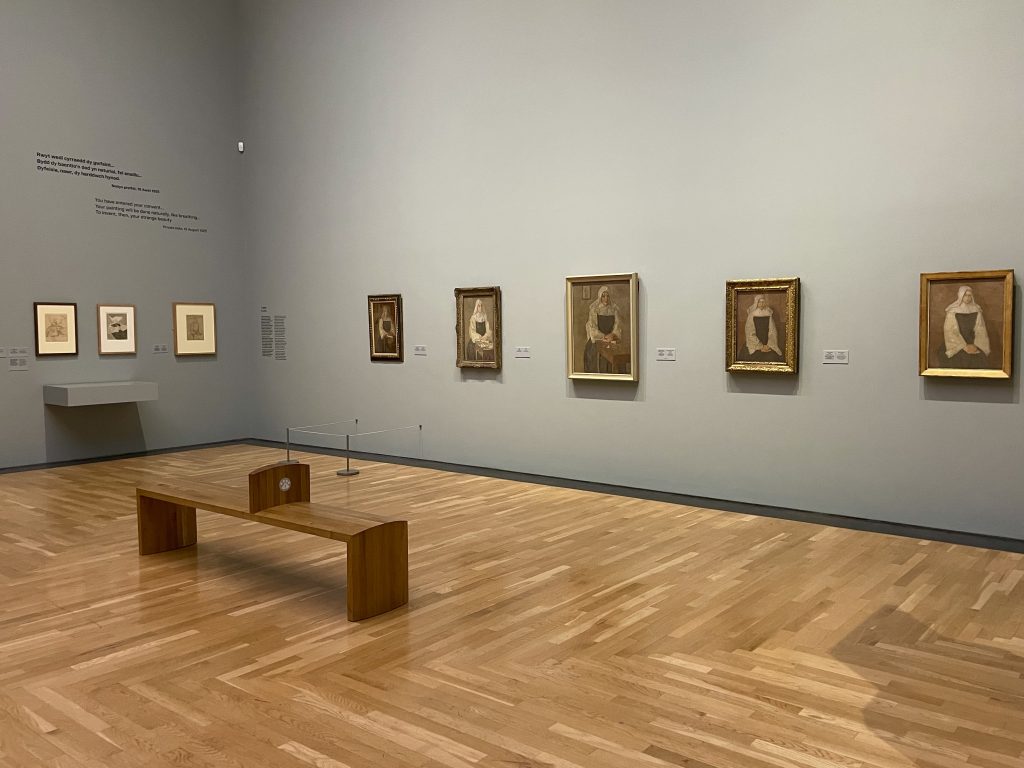
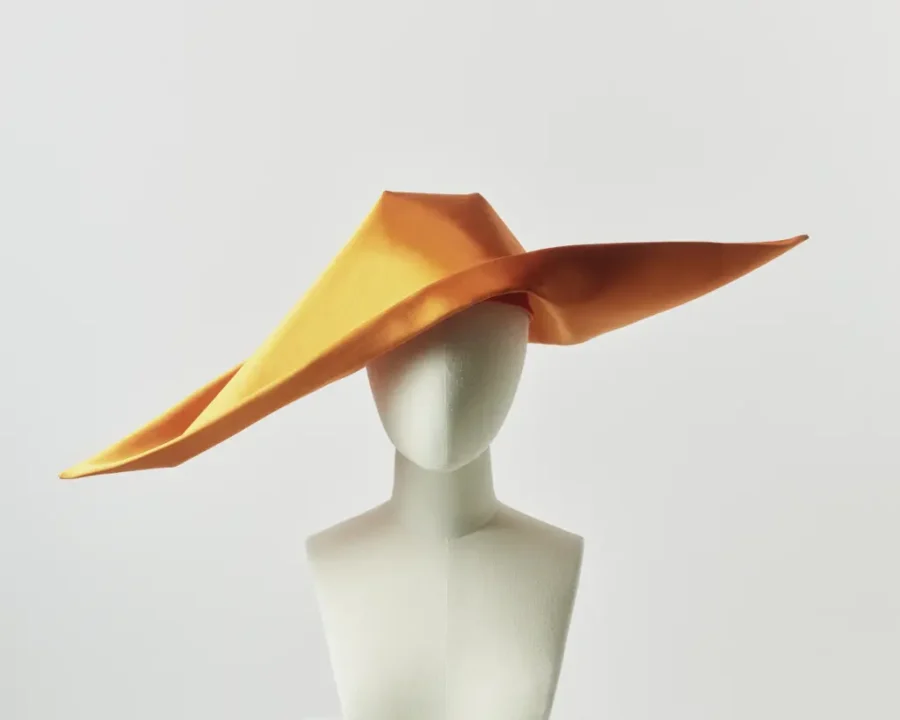
An additional delight can be found just before you enter the gallery space. Irish fashion designer, creative director of Christian Dior, and huge Gwen John fan, Jonathan Anderson has created a series of five cornettes—an elegant, starched headdress worn by Dominican nuns. A powerful symbol of female spirituality, these occur repeatedly in Gwen John’s work. Created using different fabrics and colors, this contemporary counterpoint responds to John’s sensitivity to texture, color, and pattern.
Rebellious
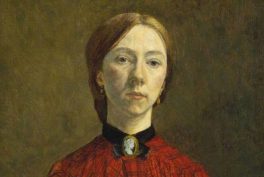
In childhood, Gwen John yearned to get away from Welsh small-town life with her old fashioned patriarch father. In fact, Gwen and her sister Winifred invented a sign language to communicate at the dinner table, where he strictly insisted on absolute quiet. However, he did encourage artistic pursuits, and Gwen John later attended the radical Slade School of Art in London. She immersed herself completely in the bohemian life of London and later Paris. She had many friends, wild adventures, close and intimate friendships, and love affairs. She was a rebellious, vivid, confident, modern woman.
Creative Manifesto
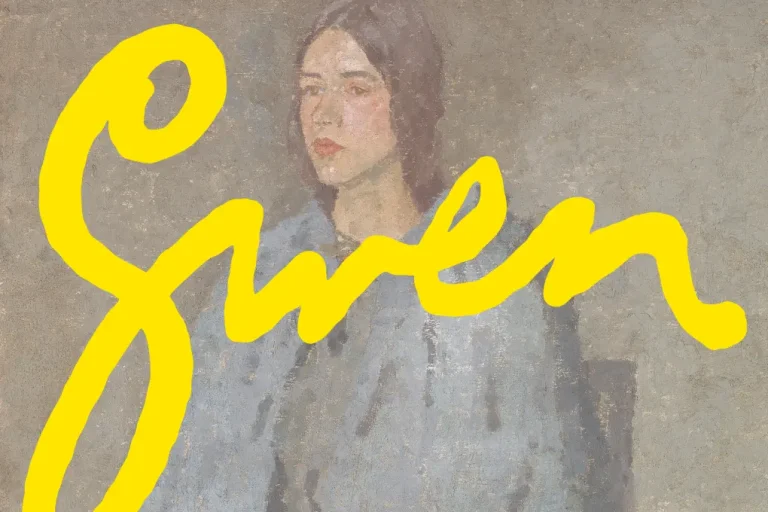
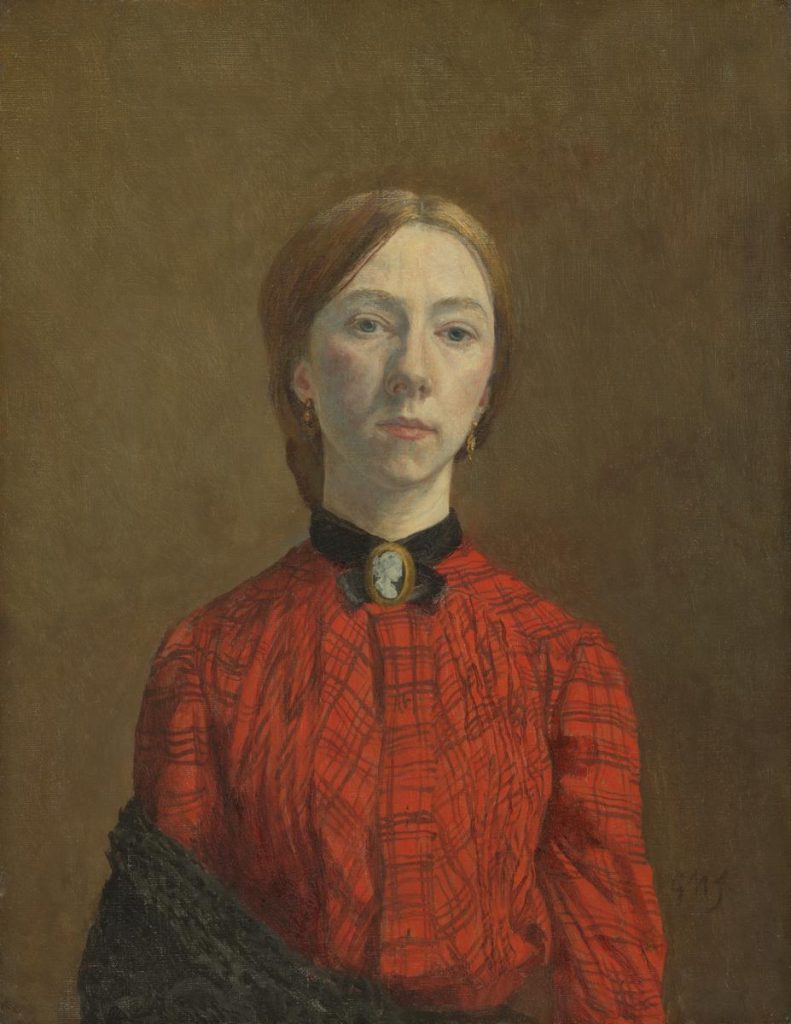
Often portrayed as the pale, crazy spinster who painted nuns and cats, Gwen John lived life very much on her own terms. Her entire life was an exercise in resistance, where strangeness and beauty live side by side. In the 1920s, she referred to herself as “God’s little artist, a seer of strange beauties, a teller of harmonies, and a diligent worker”—as curator Lucy Wood points out, this was her creative manifesto. Gwen John was not forlorn or frail. Her self-contained interiority, vital to her art practice, was wrongly defined as small and lonely by the white, male arts establishment.
Living Alone
We have no established frame of reference for the woman living alone, exploring her own psyche. Especially in an art world where the white male aesthetic is dominant. How do we explore the female body in direct communion with the space around it, with no male intermediary? We need a new language for that, and this exhibition helps us move towards an emotional truth that we are not used to seeing or describing. This incredible exhibition and its comprehensive catalog help with this, alongside biographies such as Alicia Foster’s book Gwen John: Art and Life in London and Paris. They offer us an alternative view of the “female artist as recluse” myth.
Painting Women
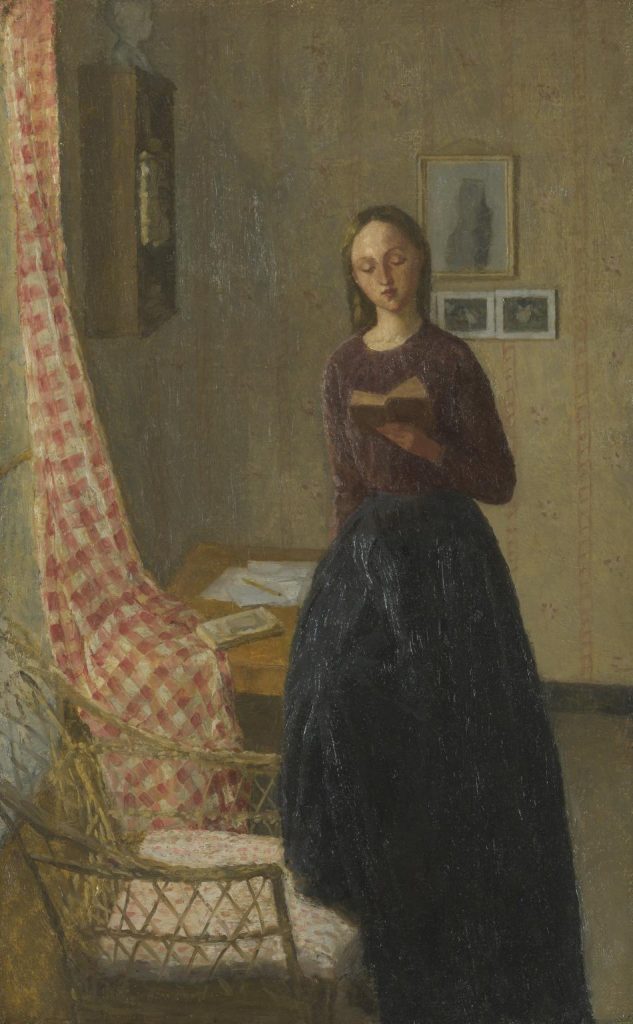
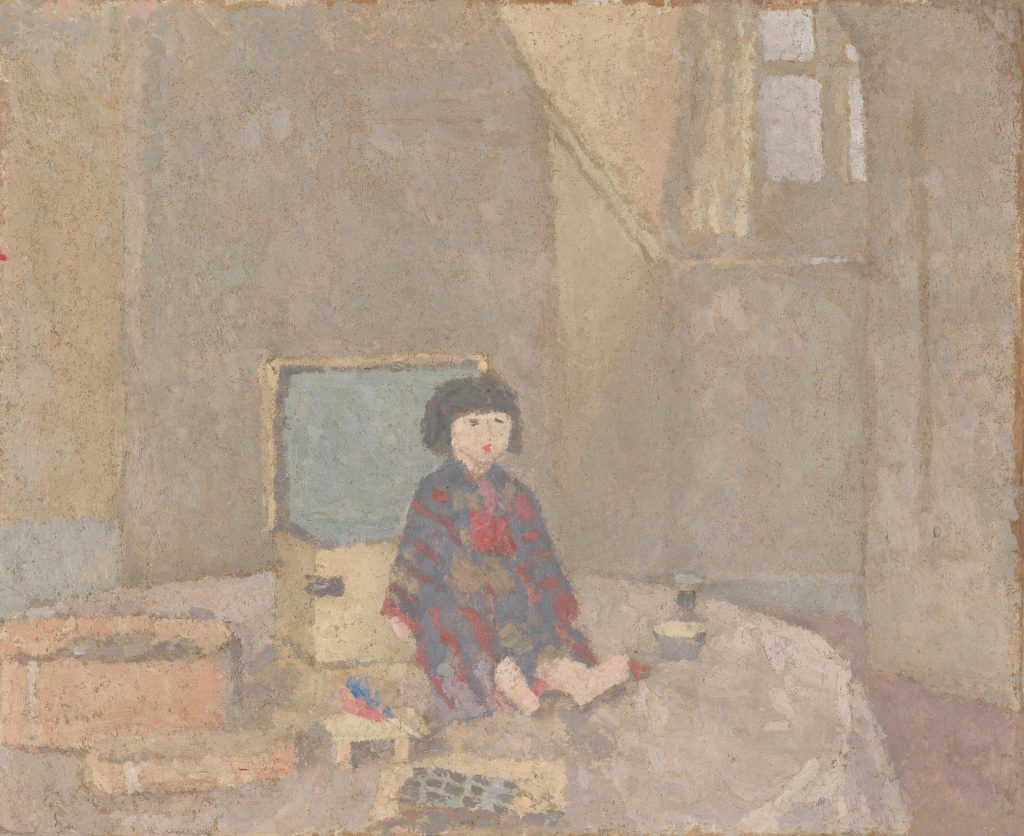
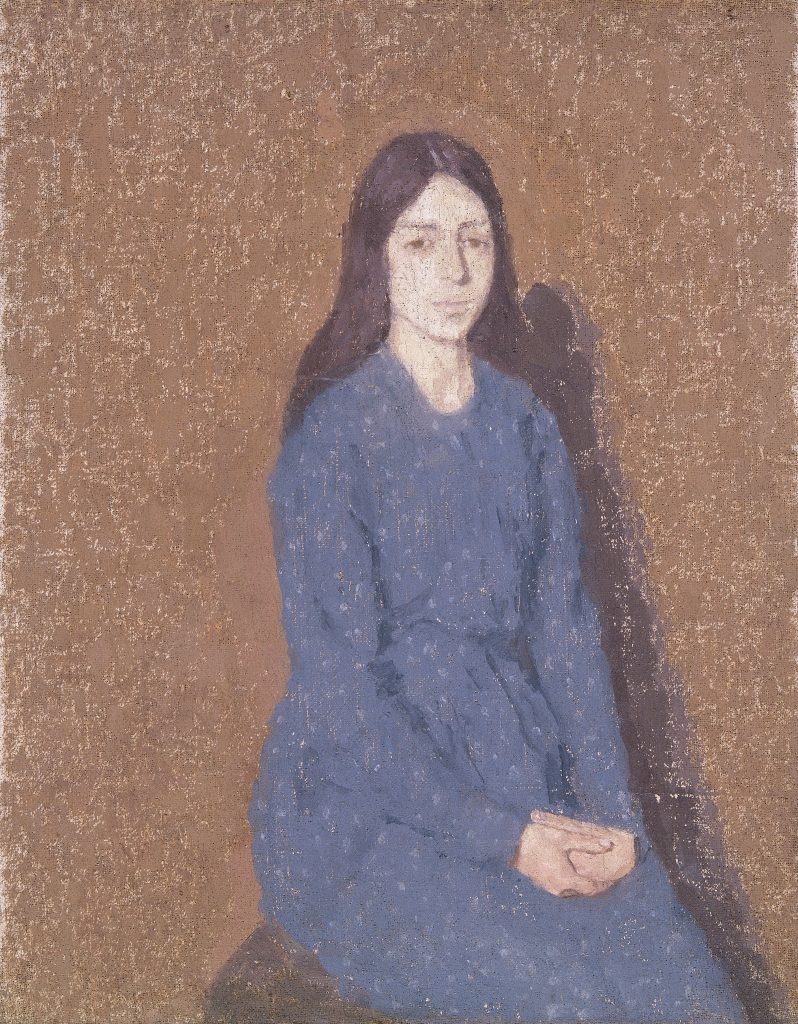
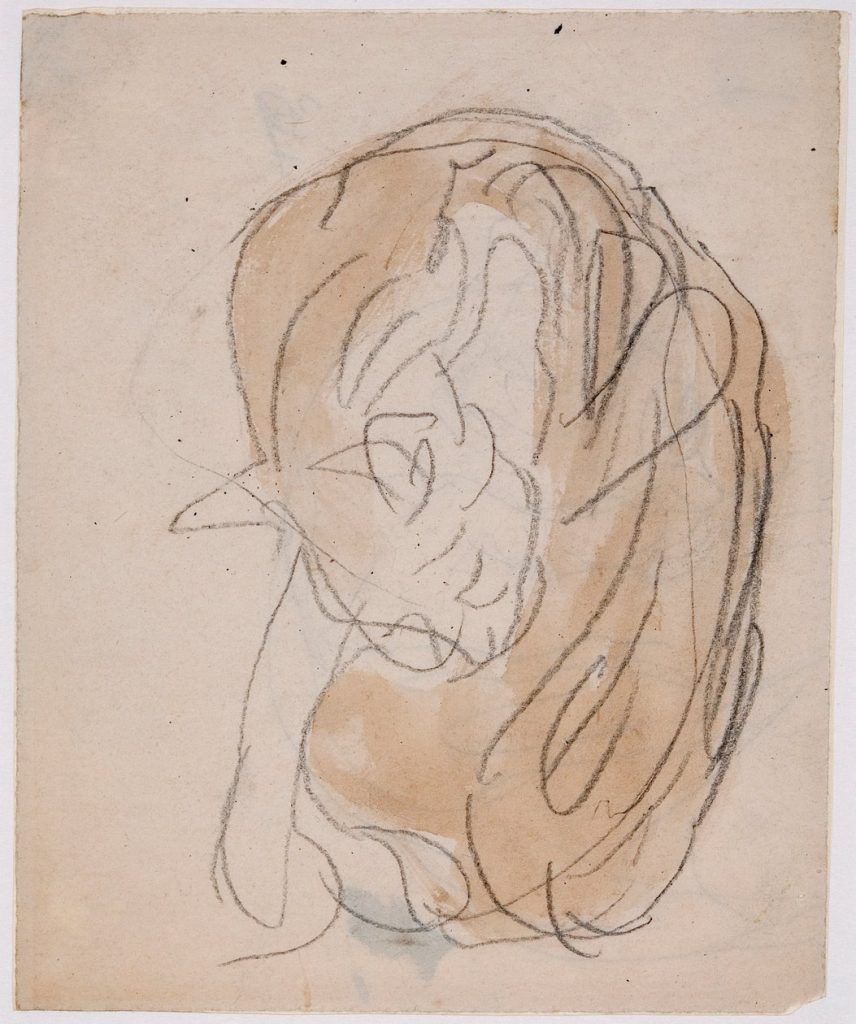
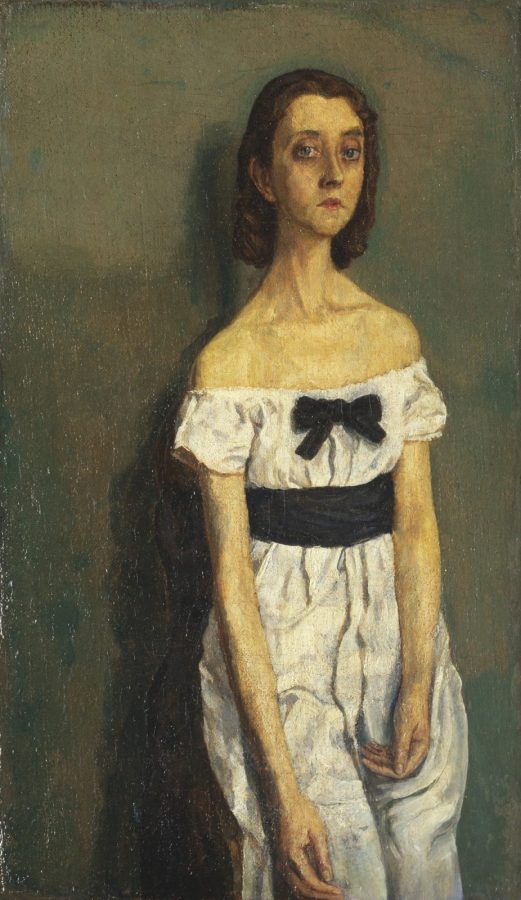
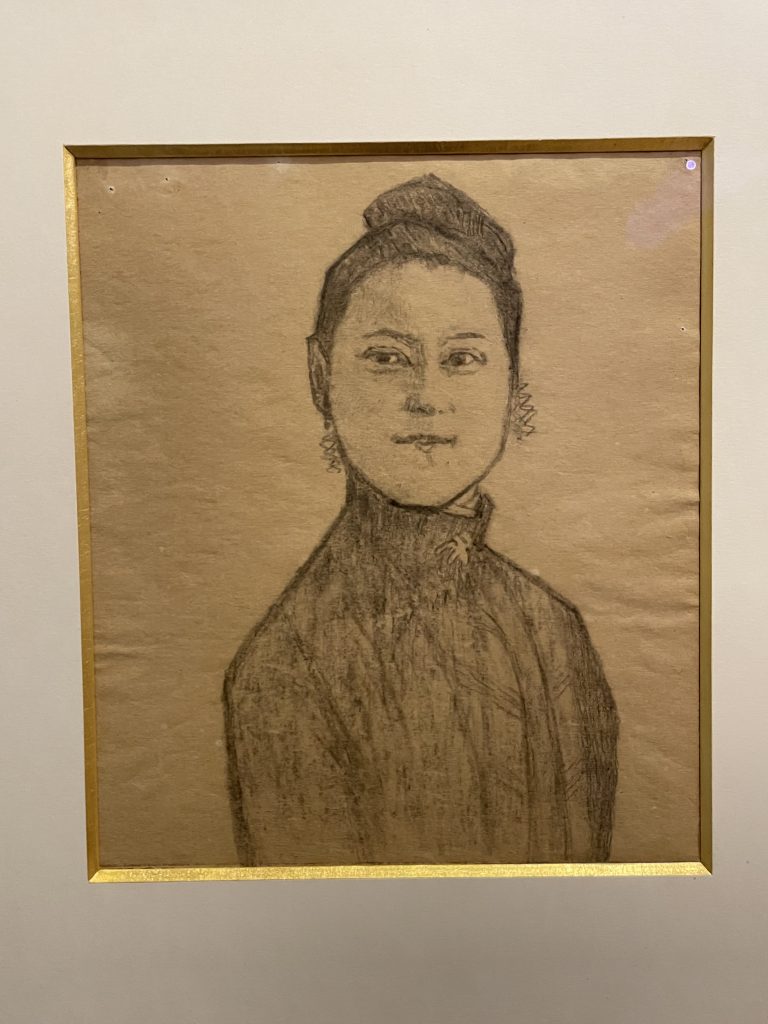
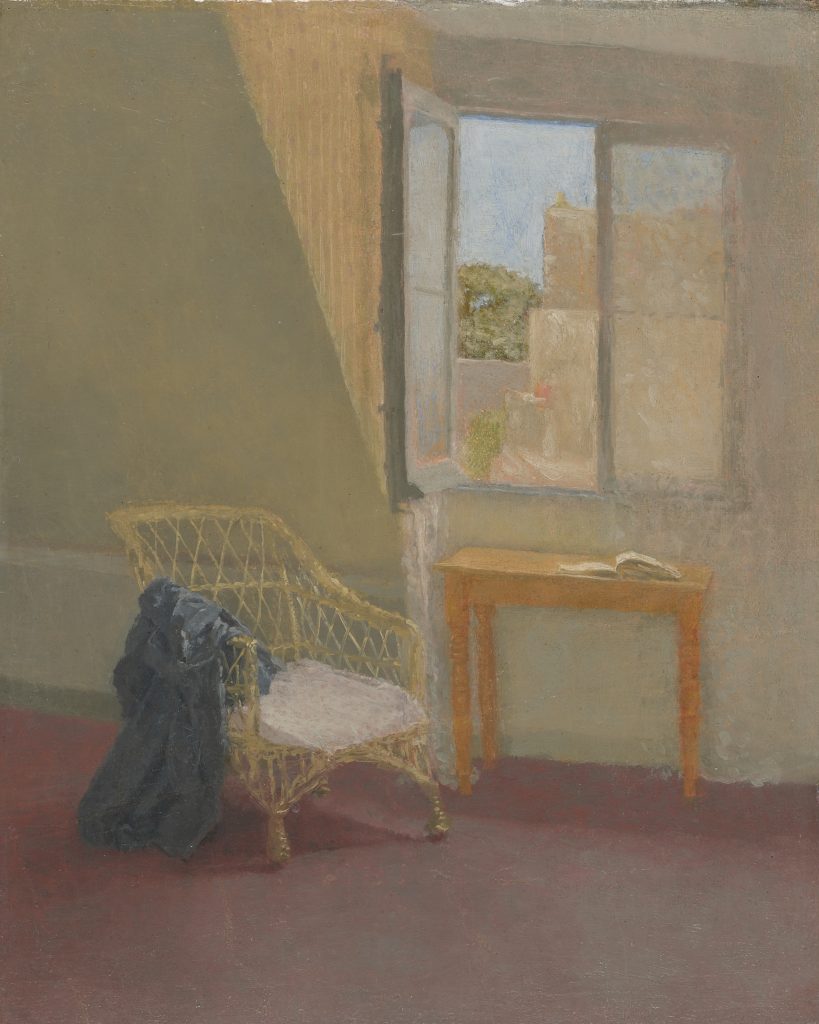
Women, children, and nature—that is essentially what Gwen John painted. She often painted figures clothed and then unclothed. Not sexualized nudes, simply naked women. Not reclining sensually for the male gaze, just women actively standing or sitting. This is the honest portrayal of women without performance, outside of the male gaze. Gwen John undercuts and sweeps aside ideas of how to look at women. Her sitters are symbolic and poetic yet also ordinary and everyday. When men paint women, they are often posed as muses or sexual objects. Gwen John paints women reading, learning, writing, and thinking. Women with integrity and luminous presence.
God and Art
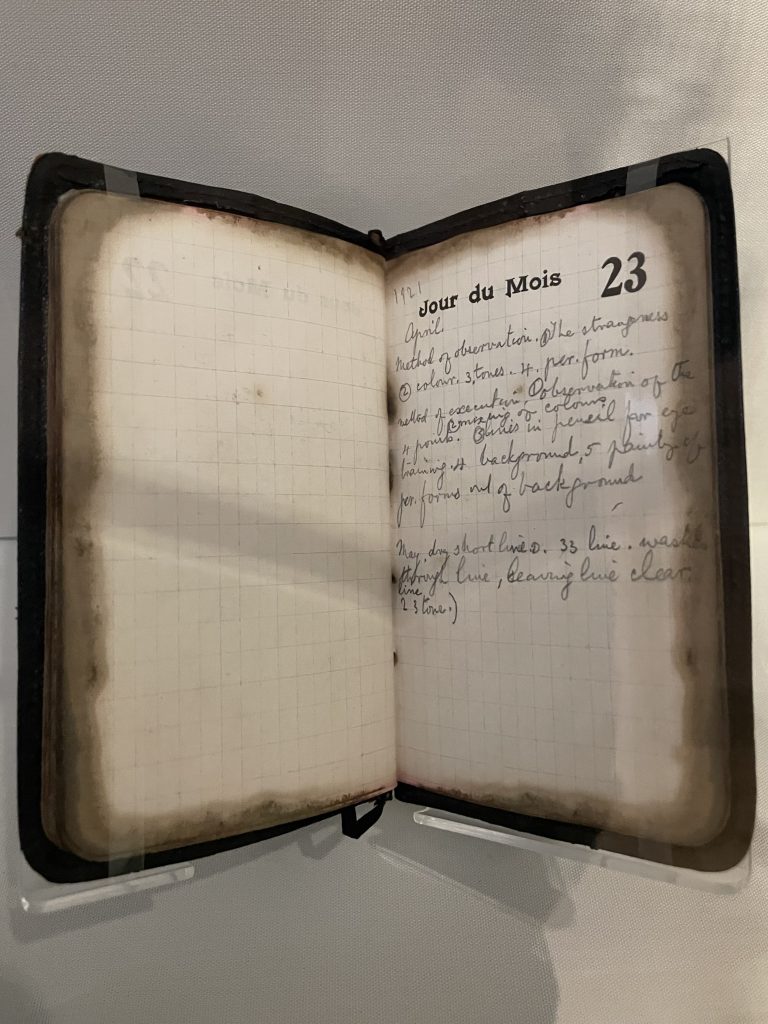
A voracious reader of poetry, philosophy, and theology, Gwen John adored Edgar Allan Poe, Rainer Maria Rilke, Charles Baudelaire, and Fyodor Dostoevsky. Like them, she sought imperfect, unexpected beauty to awaken the senses. She was an adventurer, walking across France with her friend Dorelia McNeill, studying as they went, sleeping rough under hedges. She was a studio model, then lover, of Auguste Rodin. He was the rock star of sculptural art, and their affair lasted over a decade. When it ended, Gwen John swapped her art god for God with a capital G, and became a Catholic.
Her later life focused on contentment and modest pleasures. She adored the modern Saint Thérèse of Lisieux, the little flower girl who found holiness in all things, especially the hidden and the ordinary.
Devotional
The women in these paintings are lost in thought, yet charged with feeling and emotion. Gazing into one of her paintings, we get a real sense of stillness, but this is not passive; the viewer feels somehow connected. Gwen John returns again and again to the same subject matter – nuns, a convalescent, children in church. She sought meaning with close, attentive looking. And isn’t it quite revolutionary to insist on portraying rest and recovery, something vital for humankind, yet denigrated by patriarchal, capitalistic values? There is a devotional aspect too, not just religious prayer, but the idea of a woman attending to her soul, protecting her solitude and her self.
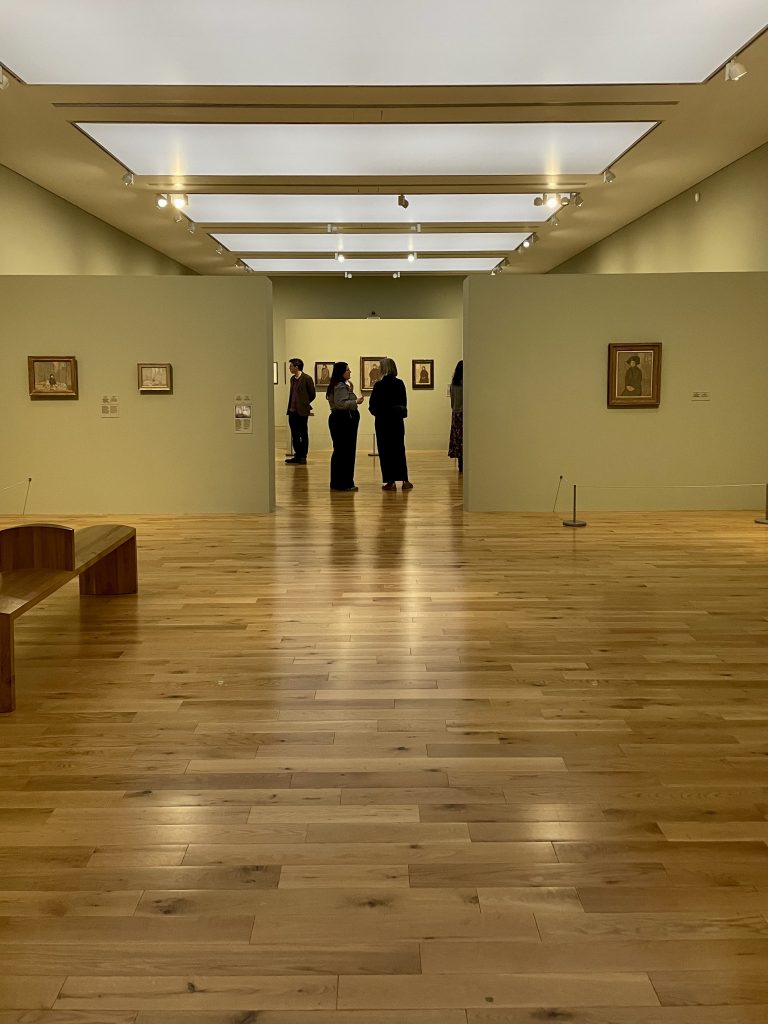
Gwen John: Strange Beauties is at the National Museum Cardiff, UK, until June 28, 2026.
The exhibition then goes on tour and will be presented at the National Galleries of Scotland, Edinburgh, UK, from August 1, 2026 to January 4, 2027; and the US: at the Yale Center for British Art, New Haven, CT (from February 18, 2027 to June 20, 2027), and National Museum of Women in the Arts, Washington, DC (from July 30, 2027 to November 28, 2027).