


Azulejo: Macau’s Inheritance from Portuguese Art
In the Pacific world and throughout the Lusophone community, Macau is a special place. The streets of Macau exude the subtle, melancholic sense of...
Guest Author 28 July 2025
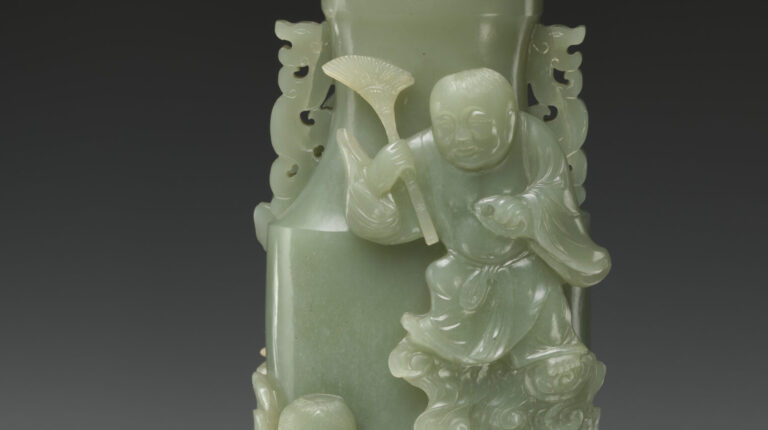
Covered nephrite vase with figures of immortals, China, 18th–19th century, Metropolitan Museum of Art, New York City, NY, USA. Detail.
Jade is a highly prized ornamental stone that encompasses two distinct minerals: nephrite and jadeite. Throughout antiquity, it was fashioned into everything from burial masks and weapons to fine jewelry and royal talismans across the globe. Long before gold or diamonds dominated global trade, early civilizations were enthralled by this striking stone.
What makes their mastery of jade so impressive is the sheer difficulty of working it. Since it is highly dense and resistant to traditional carving methods, ancient artifacts had to be created through a painstaking process of abrasion, shaping, and polishing-a labor-intensive technique that has been replaced in modern times by rotary tools with diamond bits.
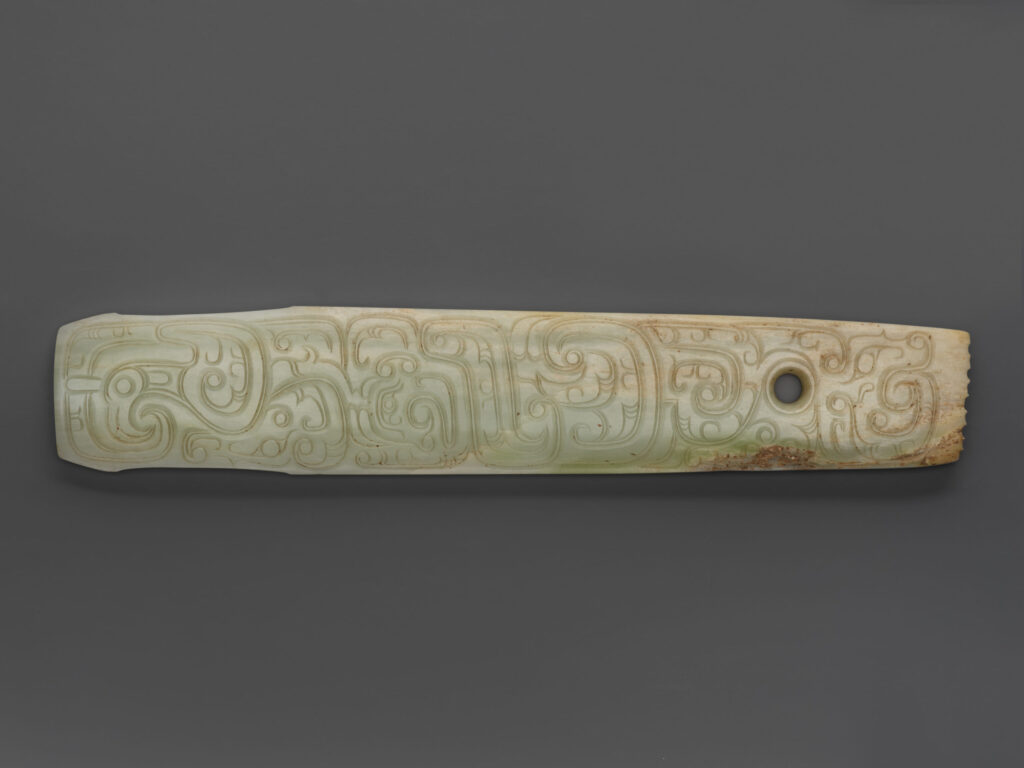
Jade art: Nephrite ceremonial blade, Western Zhou dynasty, 10th–9th century BCE, Metropolitan Museum of Art, New York City, NY, USA.
When gemologists refer to jade, they mean either nephrite or jadeite. Though they share a name and a history of reverence, their chemical compositions and physical structures differ significantly. Nephrite is the traditional jade used in China for thousands of years before jadeite was introduced from Burma (modern-day Myanmar). A durable calcium-magnesium silicate with a waxy luster, nephrite ranges in color from greens and whites to yellows and blacks depending on the percentage of its iron content. Its extreme toughness made it ideal for both intricate carvings and weaponry.
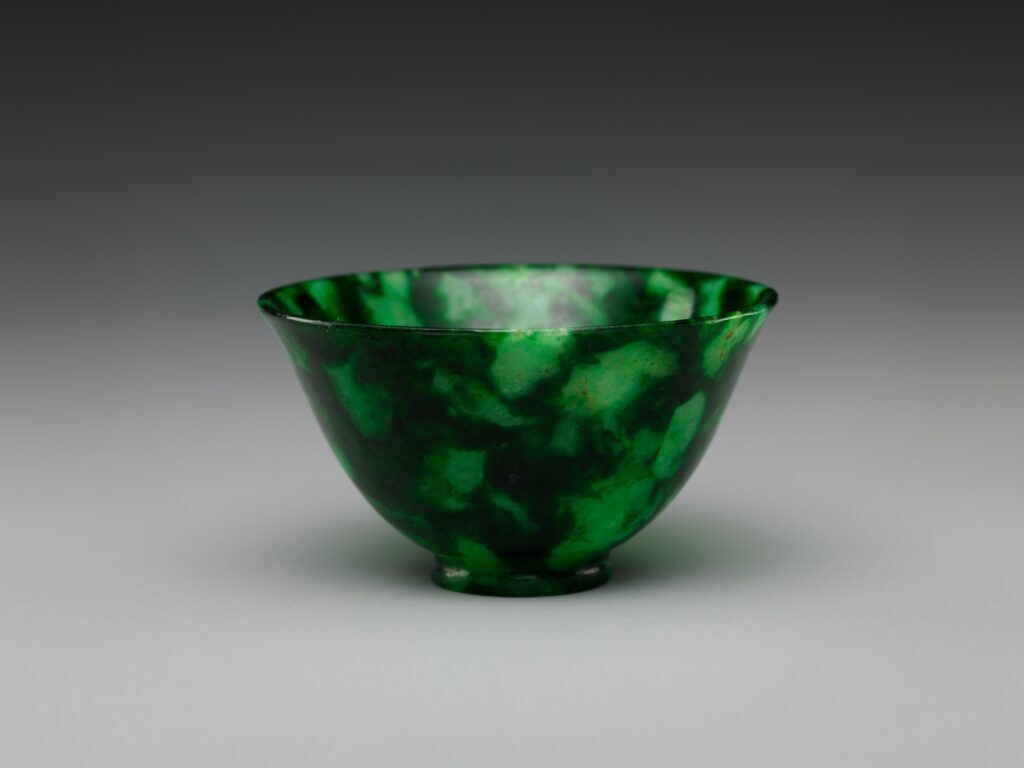
Jade art: Jadeite cup, Qing dynasty, 19th century, Metropolitan Museum of Art, New York City, NY, USA.
Jadeite, on the other hand, is denser, much rarer, and features a vivid, vitreous luster suited for jewelry. Discovered much later in history, it quickly became favored by nobility due to its intense hues, most notably the emerald-green variety known as Imperial Jade. Today, jadeite remains the rarer and more expensive of the two minerals.
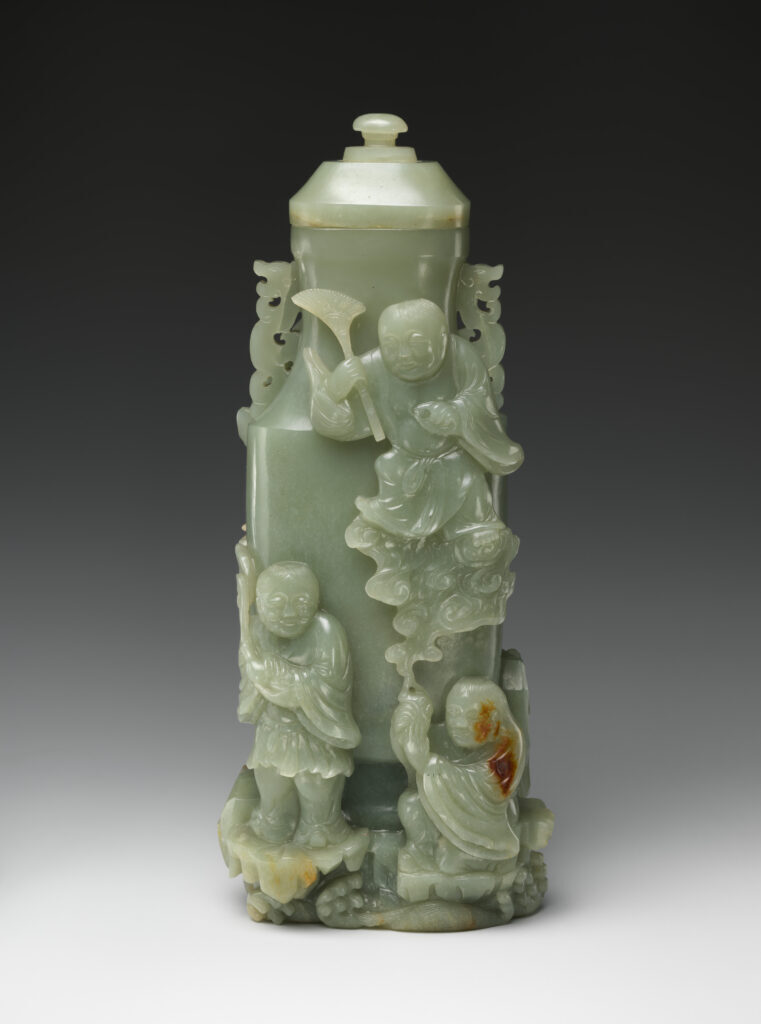
Jade art: Covered nephrite vase with figures of immortals, China, 18th–19th century, Metropolitan Museum of Art, New York City, NY, USA.
In China, jade was cherished much like gold is in the West, but with an even deeper connection to virtue and honor. Gathered from riverbeds and mountain deposits, nephrite was revered as the essence of heaven and earth. Early Chinese society linked the stone directly to purity and strength, gradually turning a practical material into a celebrated art form. Because it was so durable, craftspeople devoted endless hours to shaping jade into ceremonial blades and ritual objects decorated with abstract symbols like dragons and cloud patterns.
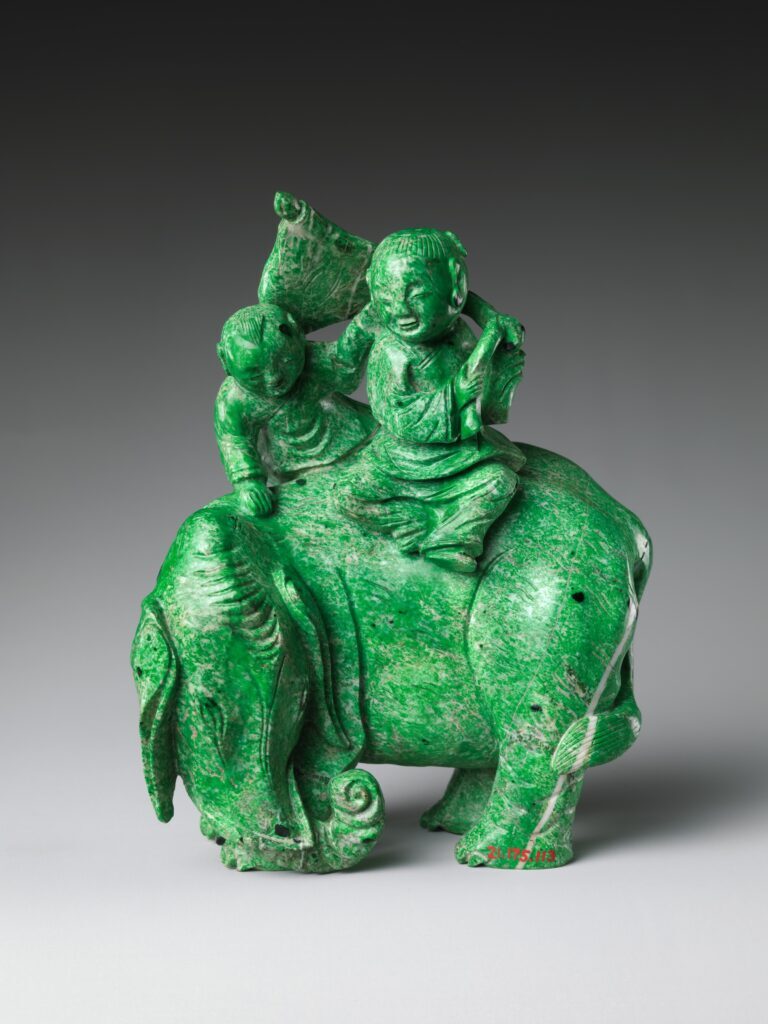
Jade art: Jadeite figurine of an elephant and two boys, Qing Dynasty, China, 19th century, Metropolitan Museum of Art, New York City, NY, USA.
Over time, jade became a central part of both royal life and personal belief. Important ritual pieces, like flat circular disks and hollow tubes, were placed in tombs to protect and honor high-ranking elites in the afterlife. Artisans also began creating delicate jewelry, desk ornaments, and decorative sword fittings designed to showcase status rather than for real combat. Today, jade maintains a special place in Chinese culture as a timeless symbol of wisdom, courage, and long life.
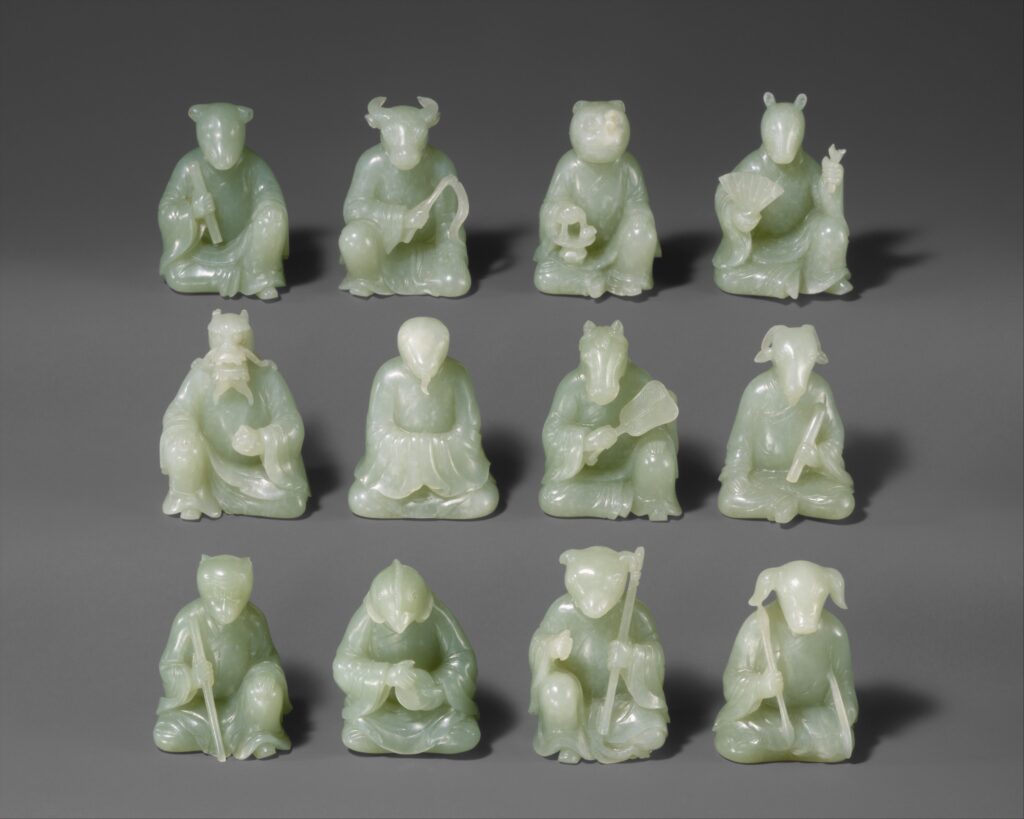
Jade art: 12 nephrite animals of the Chinese zodiac, 18th–19th century, Metropolitan Museum of Art, New York City, NY, USA.
In Mesoamerica, jade held immense sacred and political value for ancient civilizations such as the Olmecs and the Mayas. Unlike in Asia, where nephrite dominated early history, Mesoamerican craftspeople worked almost exclusively with jadeite. Northern Guatemala served as a major production center, as evidenced by extensive workshops excavated at archaeological sites like Cancuén.
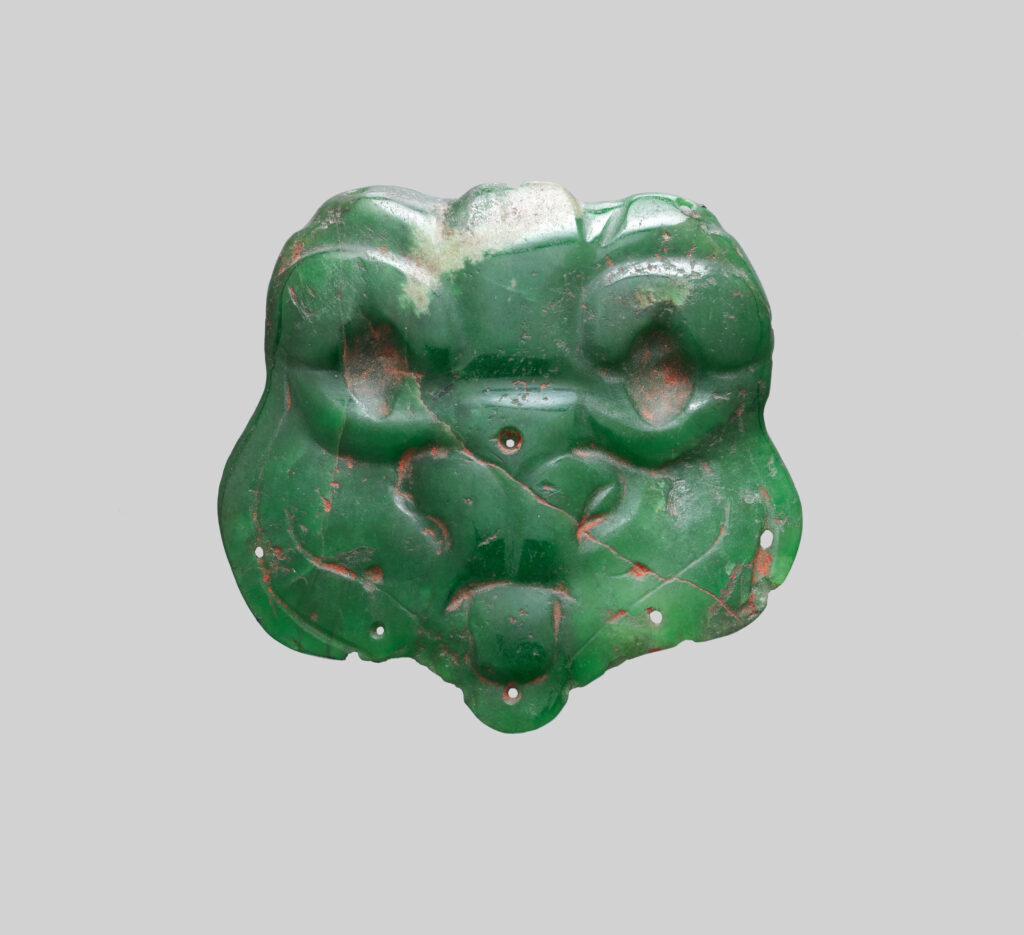
Jade art: Zoomorphic jadeite ornament, Mexico or Guatemala, 400–100 BCE, Metropolitan Museum of Art, New York City, NY, USA.
Throughout much of the first millennium C.E., Mayan elites favored a vibrant green hue, though artisans also carved luminous blue-green stones into elaborate deity figures, ear flares, and intricate mosaic masks. These precious items were often placed in royal tombs or cast into cenotes at sites like Chichen Itza as sacrificial offerings to the gods.
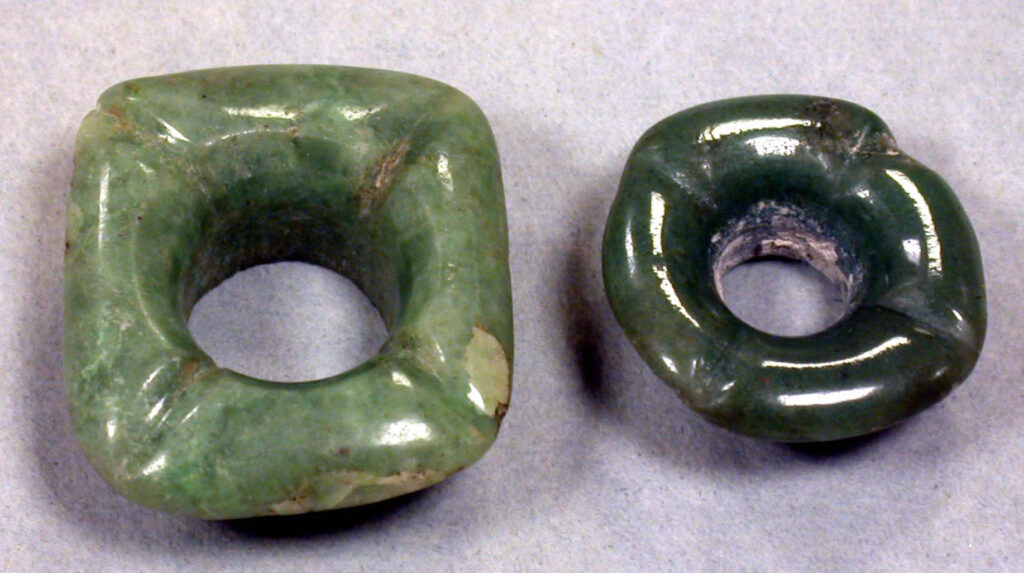
Jade art: Earflare set, Olmec culture, Mexico, 3rd–9th century, Metropolitan Museum of Art, New York City, NY, USA.
The Aztecs similarly revered the stone, attributing potent medicinal qualities to it and using it to treat ailments of the liver, kidneys, and spleen. Because Mesoamerican cultures prized green jade far above gold, early Spanish conquistadors easily traded simple green glass beads for gold and other goods, as the local populations viewed the glass as sharing jade’s sacred qualities.
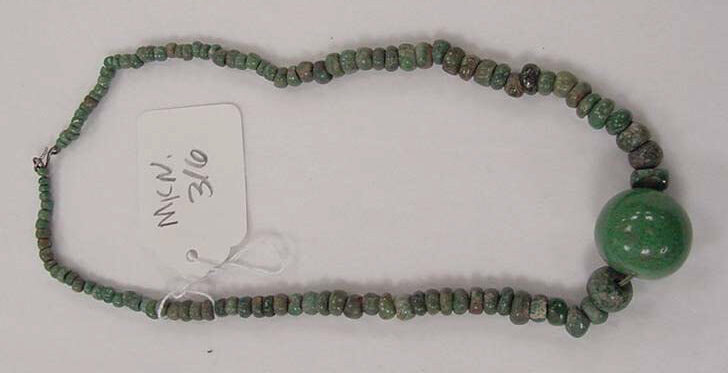
Jade art: Jade necklace, Costa Rica, 500 BCE–900 CE, Metropolitan Museum of Art, New York City, NY, USA.
Unlike in China, where jade served as a primary sacred stone for thousands of years, ancient India held a more flexible relationship with the mineral. Jade was traded as early as the Indus Valley Civilization, but precise historical tracking can be a challenge because ancient Indian texts did not appear to differentiate between various green stones.
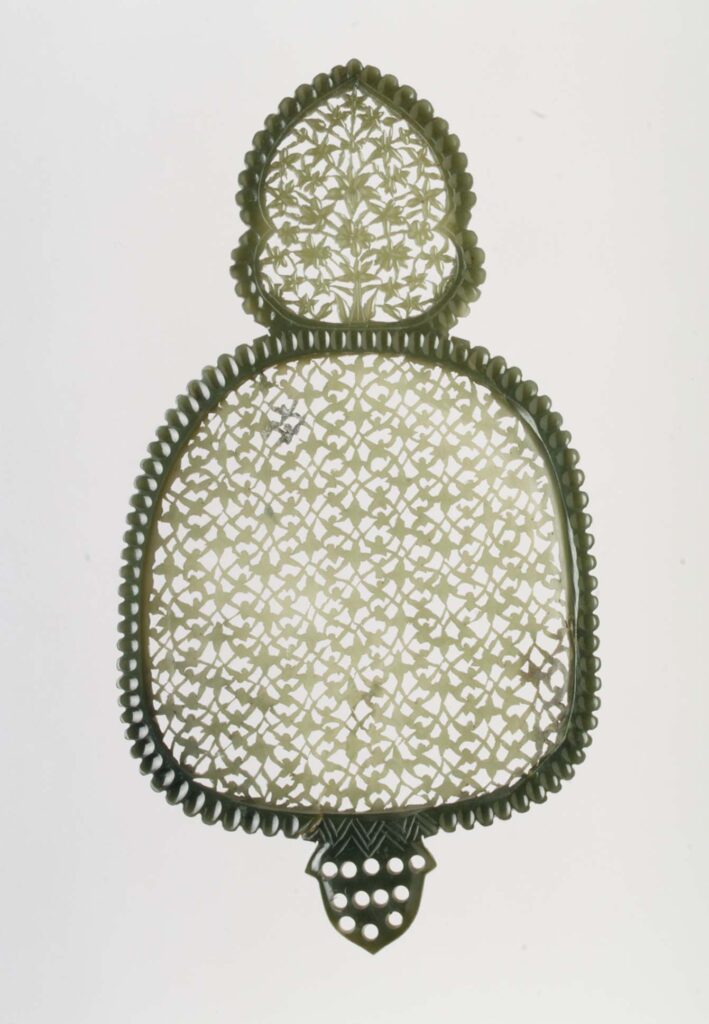
Jade art: Nephrite mirror frame, Mughal India, 18th Century, Metropolitan Museum of Art, New York City, NY, USA.
Rather than taking center stage as a religious icon, jade found its unique identity in the Indian subcontinent as an exotic, highly prized luxury material traded across Central Asian Silk Routes.
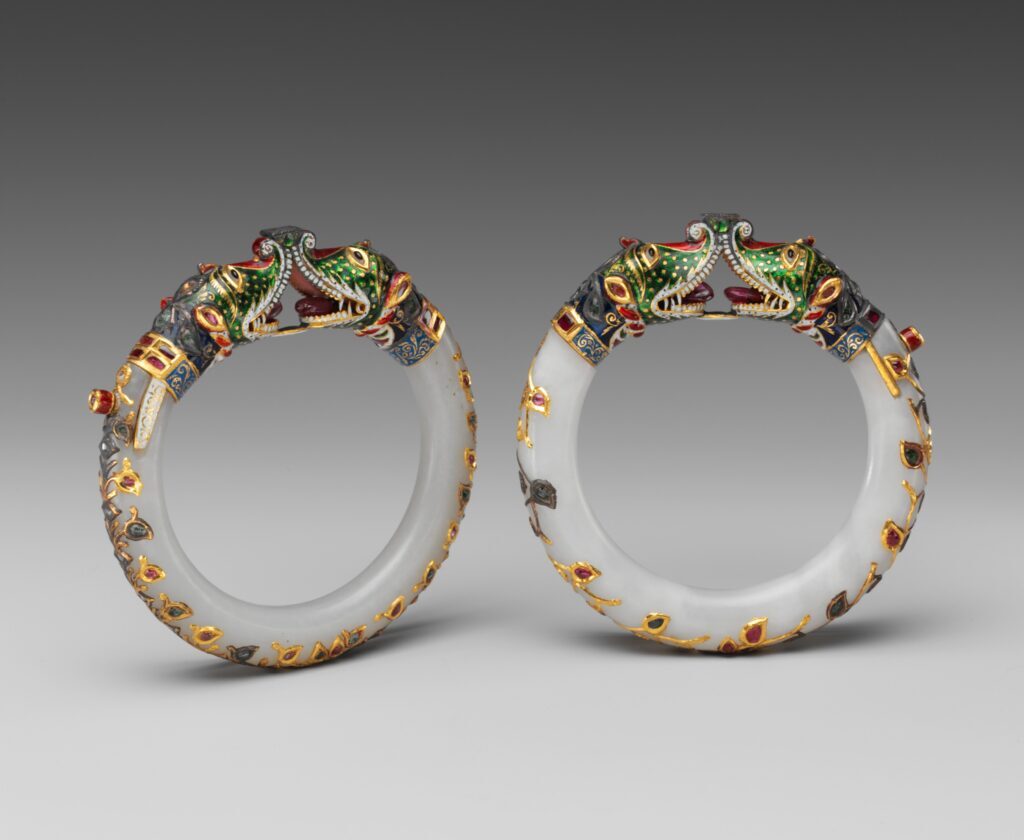
Jade art: Nephrite bracelet with gold, enamel, and stone inlays, Mughal India, ca. 18th–19th century, Metropolitan Museum of Art, New York City, NY, USA.
The artistic peak of Indian jade occurred during the Mughal Empire. Drawing on Central Asian traditions, Mughal emperors set up royal workshops where master craftsmen transformed imported white nephrite into delicate, paper-thin wine cups, bowls, and dagger hilts.
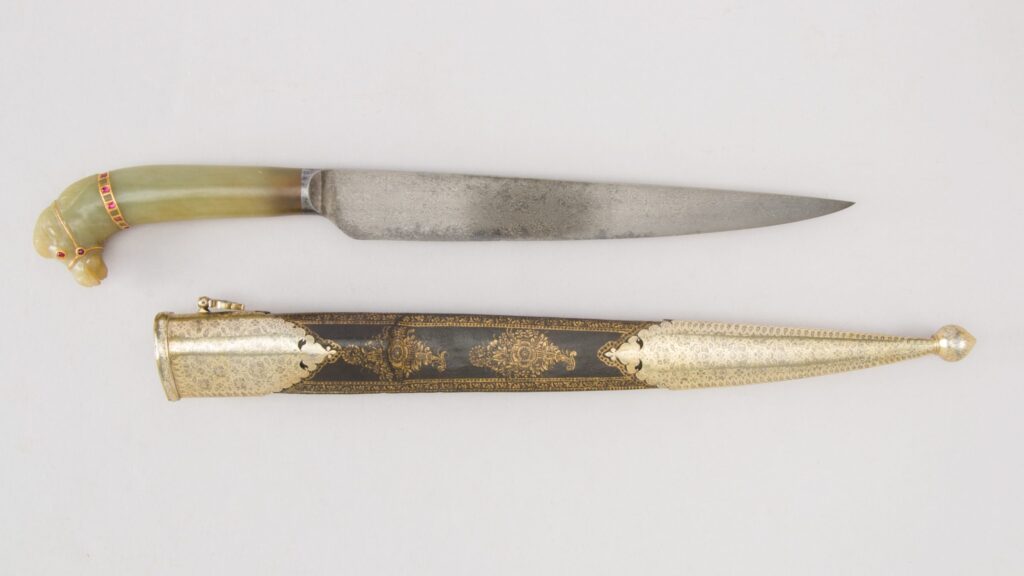
Jade art: Knife with sheath, Mughal India, 18th–19th century, Metropolitan Museum of Art, New York City, NY, USA.
South Asian artisans pioneered a signature style, carving intricate floral motifs into the stone and embellishing it with gold wire, rubies, and emeralds using traditional setting techniques.
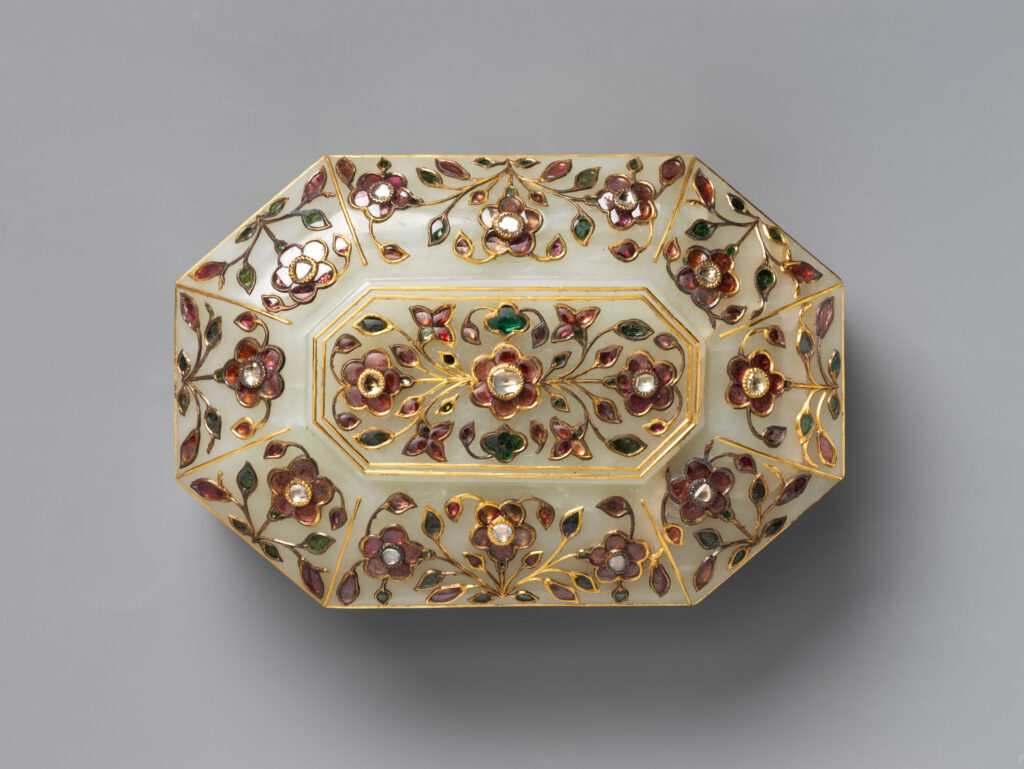
Jade art: Octagonal box with cover, Mughal India, 18th–19th century, Metropolitan Museum of Art, New York, NY, USA.
Today, the global fascination with jade remains as strong as ever, bridging ancient traditions with modern jewelry and art. While traditional hand-polishing techniques have given way to diamond-tipped rotary tools, the extraction of the stone remains tied to specific geographic regions.
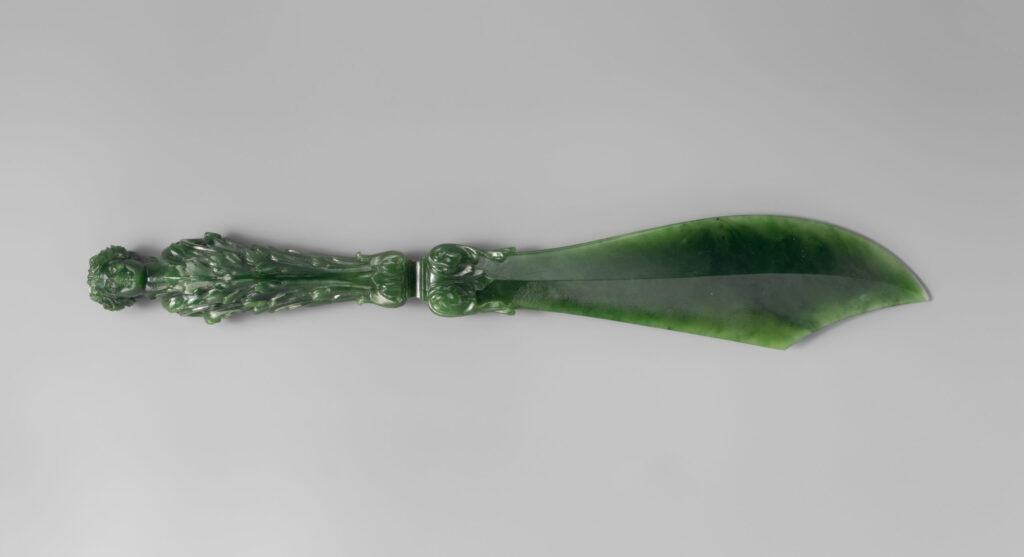
Jade art: Berquin-Varangoz workshop, Nephrite paper knife, 1890, Metropolitan Museum of Art, New York City, NY, USA.
Modern jadeite comes almost entirely from northern Myanmar, while nephrite is mined across China, Russia, and Canada. High demand throughout Asia continues to drive a thriving international market for both minerals.
DailyArt Magazine needs your support. Every contribution, however big or small, is very valuable for our future. Thanks to it, we will be able to sustain and grow the Magazine. Thank you for your help!

Maya Tola is a Dallas-based attorney, with a zest for art history. A time traveler at heart, Maya often finds herself consumed in the contemplation of life in antiquity. She has been sharing her infectious enthusiasm for art and history since 2018 through her posts and articles for the DailyArt App and DailyArt Magazine. When she's not working or writing, you'll find Maya obsessing over plants, animals, and food (in no particular order).

Leigh is a writer, reader, art lover, radio nerd and herbalist based in Nashville, TN.
In the Pacific world and throughout the Lusophone community, Macau is a special place. The streets of Macau exude the subtle, melancholic sense of...
Guest Author 28 July 2025
As modern life demanded new ways of living at the beginning of the 20th century, the Bauhaus responded with radical designs. We explore 10 iconic...
Lisa Scalone 27 August 2026
Decorative snuff boxes were highly ornate containers for powdered tobacco, the consumption of which was a fad that swept the 17th century. By the age...
Maya M. Tola 6 July 2026
Does calligraphy have a place in the age of AI? Do we still need handwritten words when we can just as easily print them from a computer? What about...
Ledys Chemin 7 April 2025