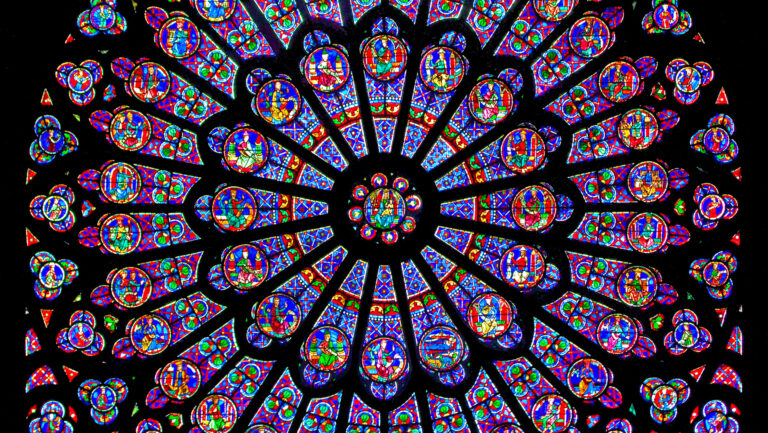
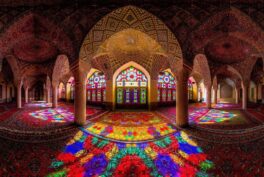
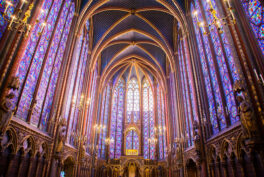
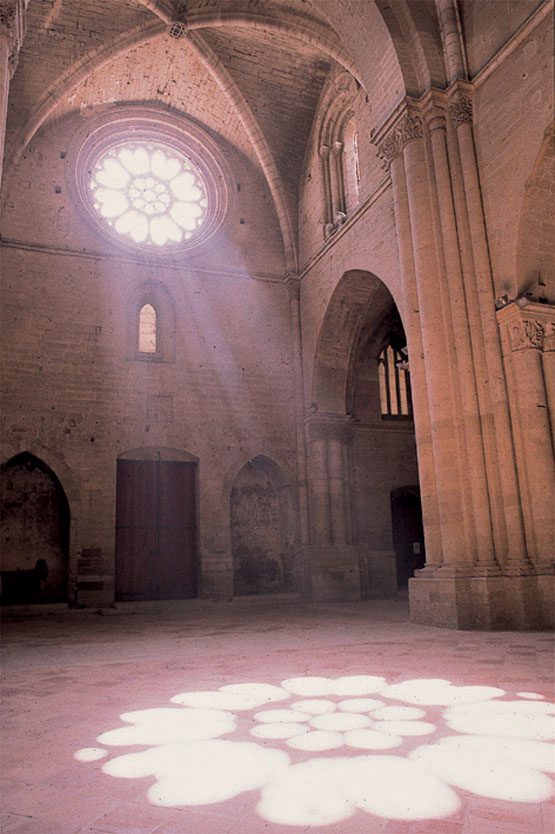
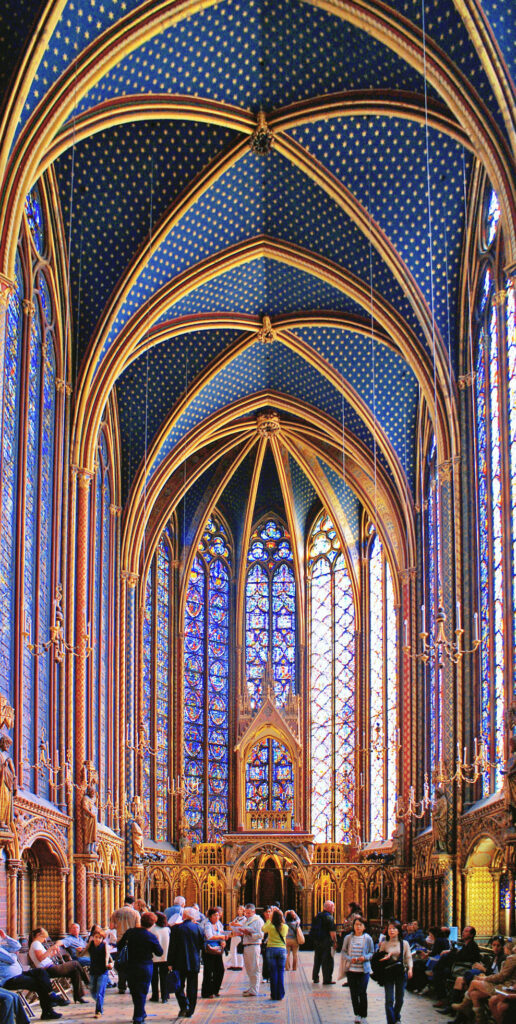
The moment you step inside a Gothic cathedral, one of the first things you notice is light, a symbol of God. Brilliant reds, deep blues, and golden rays transform what appears from the outside to be a dark fortress into a luminous sacred space. This dramatic contrast was anything but accidental.
During the centuries preceding the Renaissance, medieval Christianity placed God at the center of human existence. The Virgin Mary occupied a unique place in this worldview as the woman through whom Christ entered the world. This symbolism found one of its richest expressions in Gothic stained-glass windows.
The Renaissance later shifted attention toward humanity and classical ideals. Medieval art, however, was primarily concerned with the divine. Beautiful Gothic cathedrals rose for centuries around Europe, each bearing the name of one of the many personifications of the Virgin Mary. They soared toward the heavens, the tallest buildings ever constructed, as if to bring them a little closer to God.
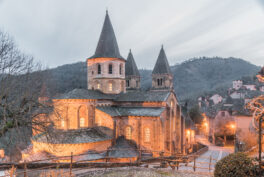
From the outside, their dark stone walls and massive structural supports created an austere appearance, often adorned with gargoyles and fantastic creatures. However, the interior opened into an unexpectedly luminous space: enormous, ribbed naves of great height, bright colors, and, of course, light. It was not merely light; it was the marvelous spectacle of color that entered through the stained-glass windows and the great circular rose windows.
The Cathedral as a Divine Experience
Like most medieval churches, Gothic cathedrals were oriented toward the east, the direction of the rising sun, a symbol of Christ’s Resurrection. Morning light streamed through the stained-glass windows behind the altar, reinforcing the idea that divine light entered the sacred space. Medieval theologians compared Christ’s conception to light passing through glass without breaking it—a metaphor for Mary’s perpetual virginity.
The stained-glass windows were not merely decoration. During a period when much of the population could not read, they became visual narratives that communicated biblical stories to everyone who entered the church. Saints, prophets, miracles, and scenes from Christ’s life unfolded across the glass, allowing worshippers to learn through images rather than words. The light changed throughout the day, ensuring that the experience was never the same.
Gothic architecture was not designed solely to shelter worshippers, but to inspire awe, contemplation, and hope, a building that protected them from the chaos outside. More than eight centuries later, these remarkable buildings continue to move millions of people, reminding us that great architecture can speak not only through stone, but through light.
Author’s bio:
Johanna Vargas Sanchez is a designer and art enthusiast, always curious to learn and understand the beauty behind masterpieces and great artists from every time and every place.