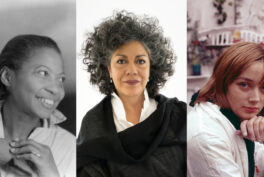

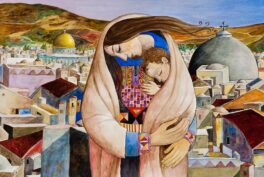
Sliman Mansour, Painter of Palestinian Resistance, Dies at 79
Sliman Mansour, one of the leading figures in Palestinian art, died yesterday at the age of 79. Mansour’s practice was profoundly intertwined...
Martha Teverson 25 August 2026
12 November 2026 min Read
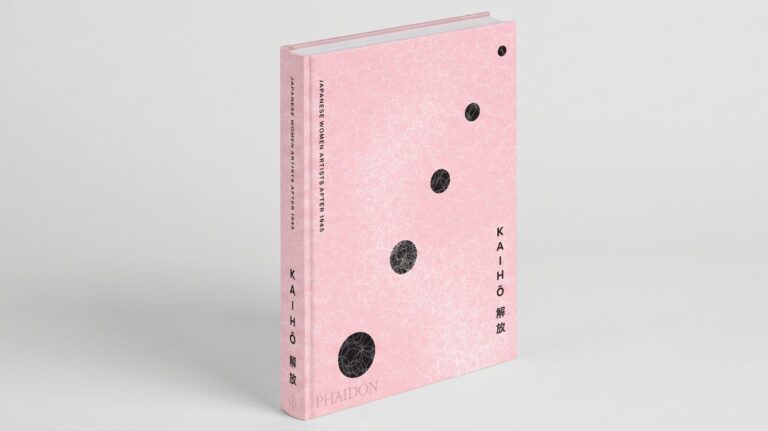
Kaiho: Japanese Women Artists After 1945, Phaidon 2026.
Few books make you question a whole chapter of art history, but Kaihō: Japanese Women Artists After 1945 does exactly that. Phaidon’s catalogue gathers 39 women who spent decades working outside the spotlight, and it makes a strong case that the spotlight was never fair.
In 1966, the Museum of Modern Art in New York staged a survey of Japanese avant-garde art. It featured 46 artists. But only one was a woman: Atsuko Tanaka. Hiroko Hagiwara raises that fact early in her essay, framing the whole book.
Kaihō means “breaking free.” This Phaidon catalogue accompanies an exhibition that Mudam in Luxembourg City organized with Lenbachhaus in Munich and Guggenheim Bilbao. It gathers 39 artists working in painting, ceramics, photography, video, and performance, with 18 essays accompanying them. According to the museums, it is the first European show ever on the subject.
Most post-World War II stories love a tidy turning point. Japan loses the war, democracy arrives, and everyone starts fresh. Kaihō doesn’t buy that version. Florence Ostende opens the book by asking what 1945 really changed for Japanese women artists, and the answer gets messy fast. Some things did change quickly. Women won the vote, and Tokyo Fine Arts School let women enrol in 1946. A year later, artists founded the Women Artists Association. One founder, Setsuko Migishi, said it plainly in 1950: “History has given us our first chance.”
Still, the old order stayed put. Before the war, fathers and brothers decided who could study art, and men held authority over marriage, property, and divorce. Defeat did not erase any of that, and it did not erase the empire behind the war either.
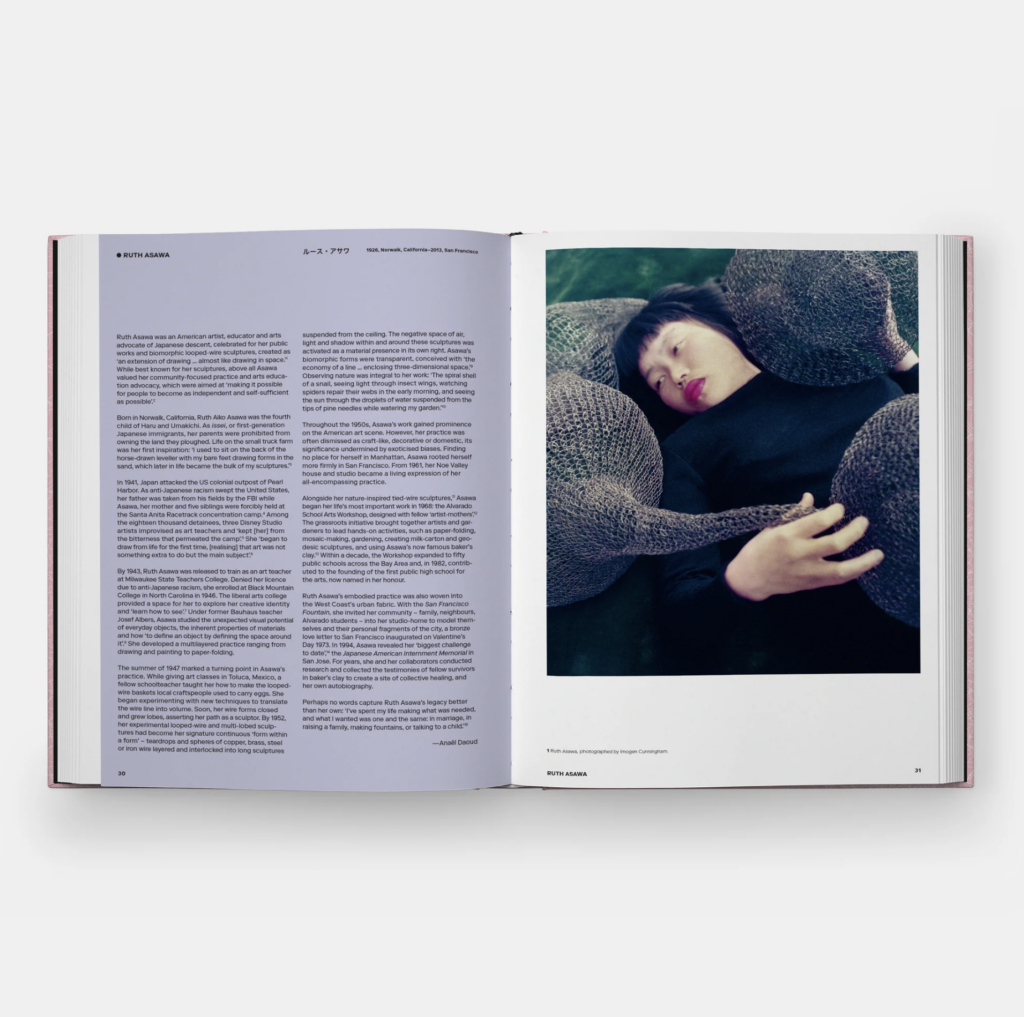
Kaihō: Japanese Women Artists After 1945, Phaidon 2026.
Then the US Occupation added another layer. American reforms promised women’s emancipation, yet American censors blocked images of atomic bomb damage. Okinawa stayed under US administration until 1972, and Mao Ishikawa later photographed life around the bases there. So these artists stood at a strange crossroads where imperial legacies, foreign occupation, and old patriarchal rules pressed on them all at once.
Ostende also reads their absence from the standard histories differently. She sees women who built their own networks across Asia, Europe, the United States, and Brazil instead of waiting for a seat at the table. That is where the book’s argument starts. These artists used abstraction, performance, and photography to survive the crossroads. Their work also pushed back on the ethnographic gaze and on the “we, the same women” myth of mainstream feminism.
The hardest thread comes from Hagiwara’s essay on imperialism. Toshi Maruki, famous for the Hiroshima Panels, travelled to Japan’s South Seas islands in 1940. She was the only woman among about 50 painters. She also belonged to a wartime women artists’ brigade. Later, along with Iri Maruki, they painted Korean victims and the Nanjing atrocities, confronting their own responsibility as Japanese artists.
Yoshiko Shimada pushes even further. In Woman Shooting, a settler woman in Manchuria wears a white apron and holds a pistol. In another work, a Korean survivor faces a Japanese woman from a wartime women’s organisation. Shimada therefore attacks the slogan of mainstream Japanese feminism: “we, the same women.”
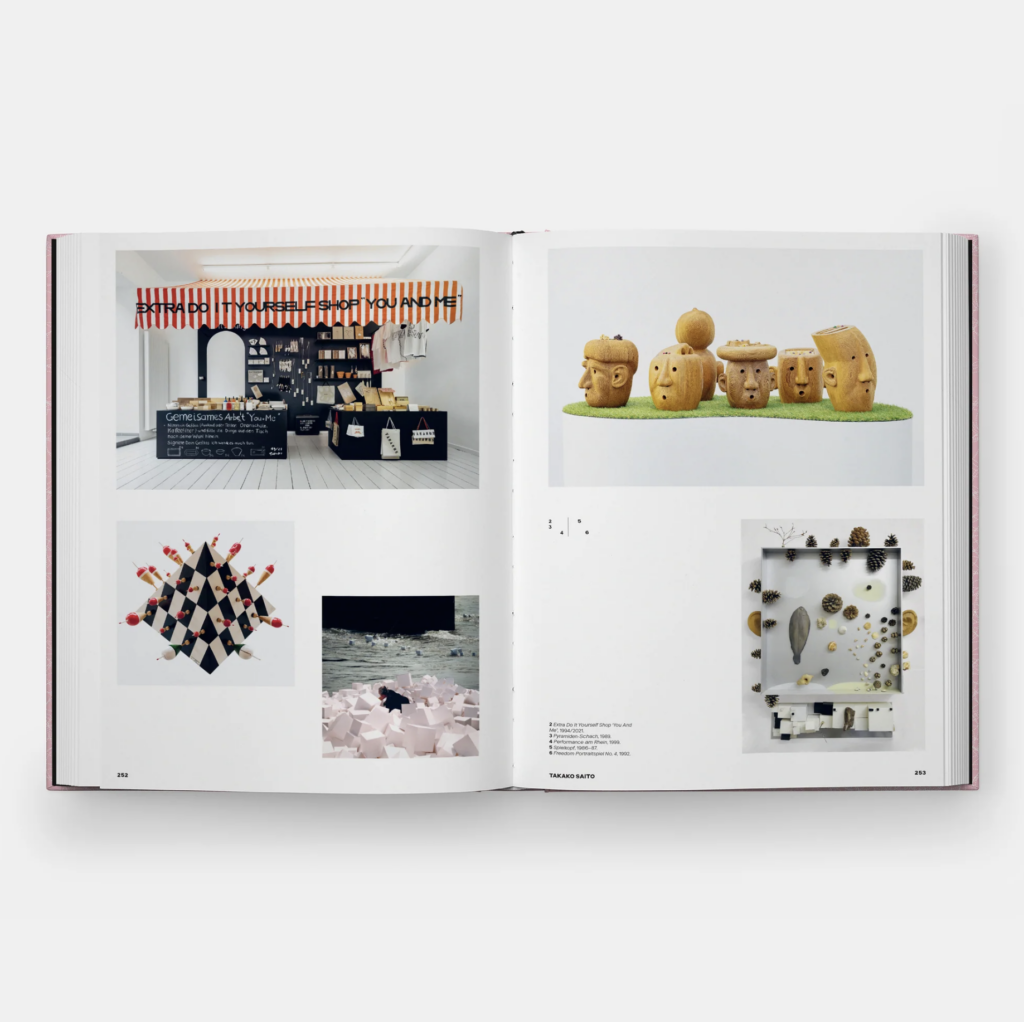
Kaihō: Japanese Women Artists After 1945, Phaidon 2026.
Kaihō puts the body at the center of its most powerful pages. Yurika Imaseki reads these artists through a queer lens, using “queer” as a way to question the rules about which bodies matter, not as a label for who someone is. Her examples hit hard. In 1968, Mitsuko Tabe took part in a “sex museum” show. Her male colleagues built giant phalluses. Tabe sat down and sewed hers from soft rainbow fabric. That choice took the symbol apart and showed the hidden housework behind it.
Tabe’s earlier piece, Artificial Placenta (1961), goes even darker. It uses shop dummies, nails, and tangled tubes to talk about the pain of pregnancy. Sayako Kishimoto pushed the idea further. In 1967, she sprayed her own exhibition white. Then she sprayed herself. Years later, she took to the streets as a “messenger from hell.” Shōko Maemoto added another angle, since her empty bridal gowns look both pretty and violent.
The book rarely mentions horror. Even so, anyone who loves the uncanny will spot it everywhere. These artists treat the female body as a role that society forces on women. In response, they use humor, performance, and plenty of rage.
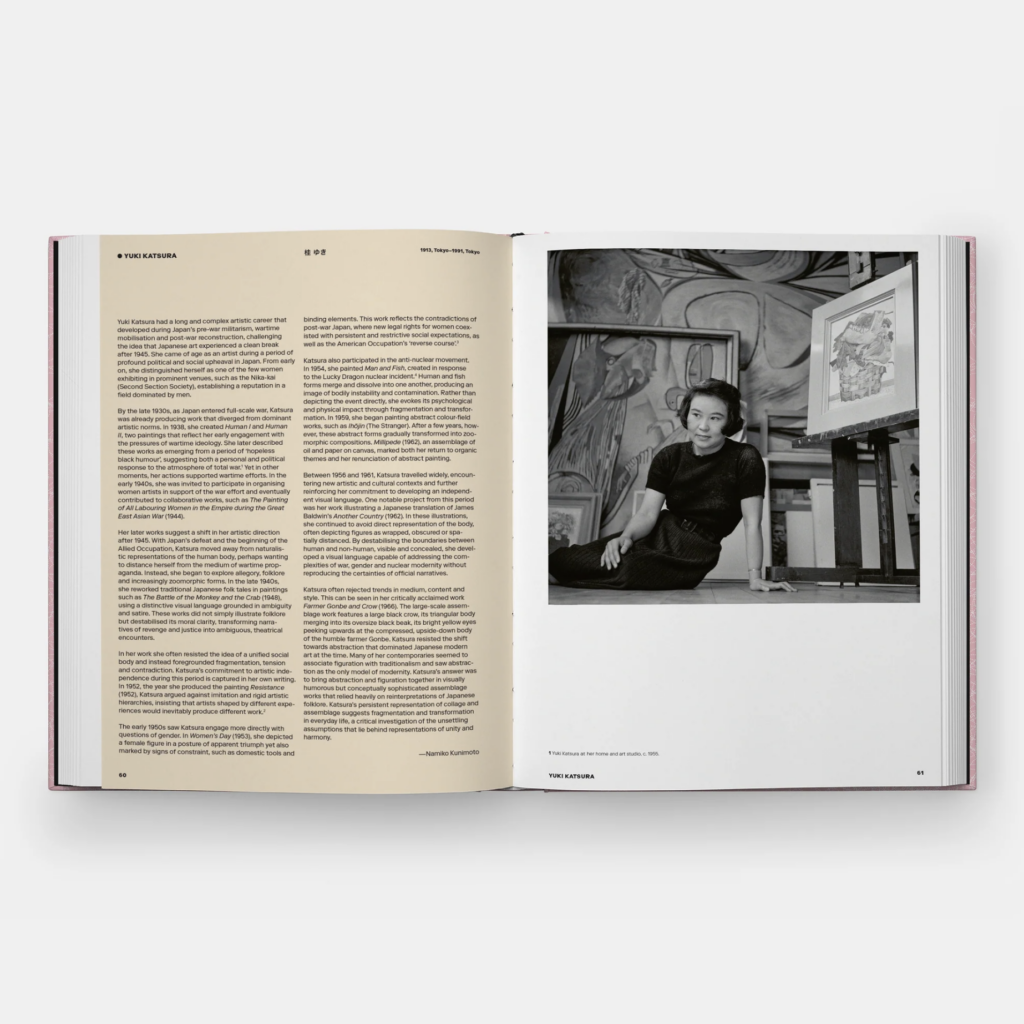
Kaihō: Japanese Women Artists After 1945, Phaidon 2026.
Abstraction usually gets sold as a male story. Think of Jackson Pollock or Kazuo Shiraga painting with his feet. Kaihō shows another side. Izumi Nakajima argues that abstraction gave Japanese women artists room to claim a modern, professional voice in a world that barely noticed them. She splits it into two kinds. The first is expressive abstraction, built on gesture and paint. The second is what she calls common culture abstraction, which grows from neon signs, electric circuits, and city life.
Atsuko Tanaka fits the second kind perfectly. She came up with her Electric Dress after staring at the glowing billboards at Osaka Station. Hundreds of colored bulbs flash across the body, so the outline never settles. Later, she turned the same web of lights and wires into huge circle paintings. Yūko Nasaka took a different route. She borrowed drills and a potter’s wheel, then covered surfaces with holes and concentric rings. Hideko Fukushima stamped circles into washi paper, so her work swings between spontaneous gesture and strict order.
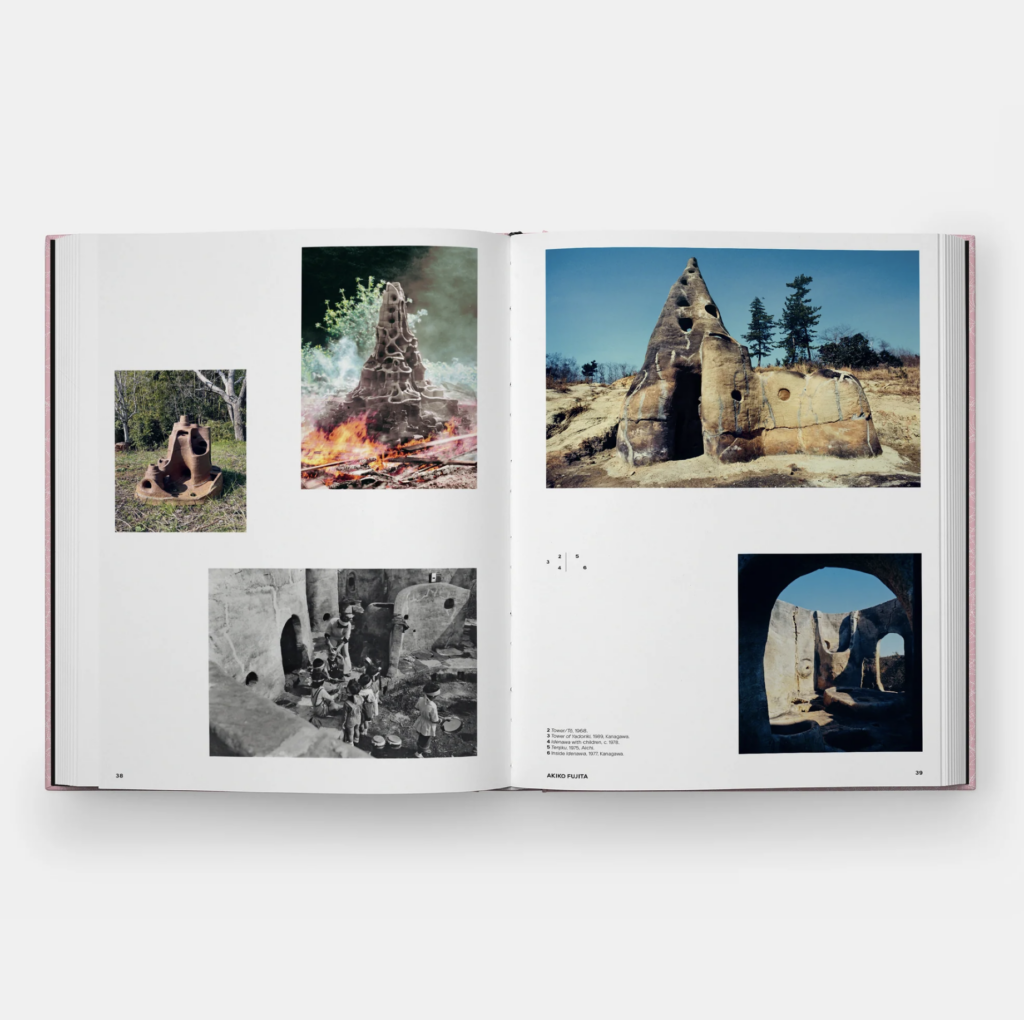
Kaihō: Japanese Women Artists After 1945, Phaidon 2026.
Nakajima also gives us the idea of “Anti-Action.” Gutai’s story usually centres on men throwing their bodies at the canvas. In contrast, many women in the group worked quietly with material, process, and repetition. Fujiko Shiraga, for example, sawed straight through a white wooden beam. Yayoi Kusama belongs in this conversation too, since the introduction ties her endless nets to displacement after she left Japan.
Both Nakajima and Hagiwara warn readers about one trap. Do not call any of this a “female” style. Circles and translucent paint do not belong to one gender. Instead, the book shows abstraction as a smart escape route. It lets these artists step around the old rules and build something new.
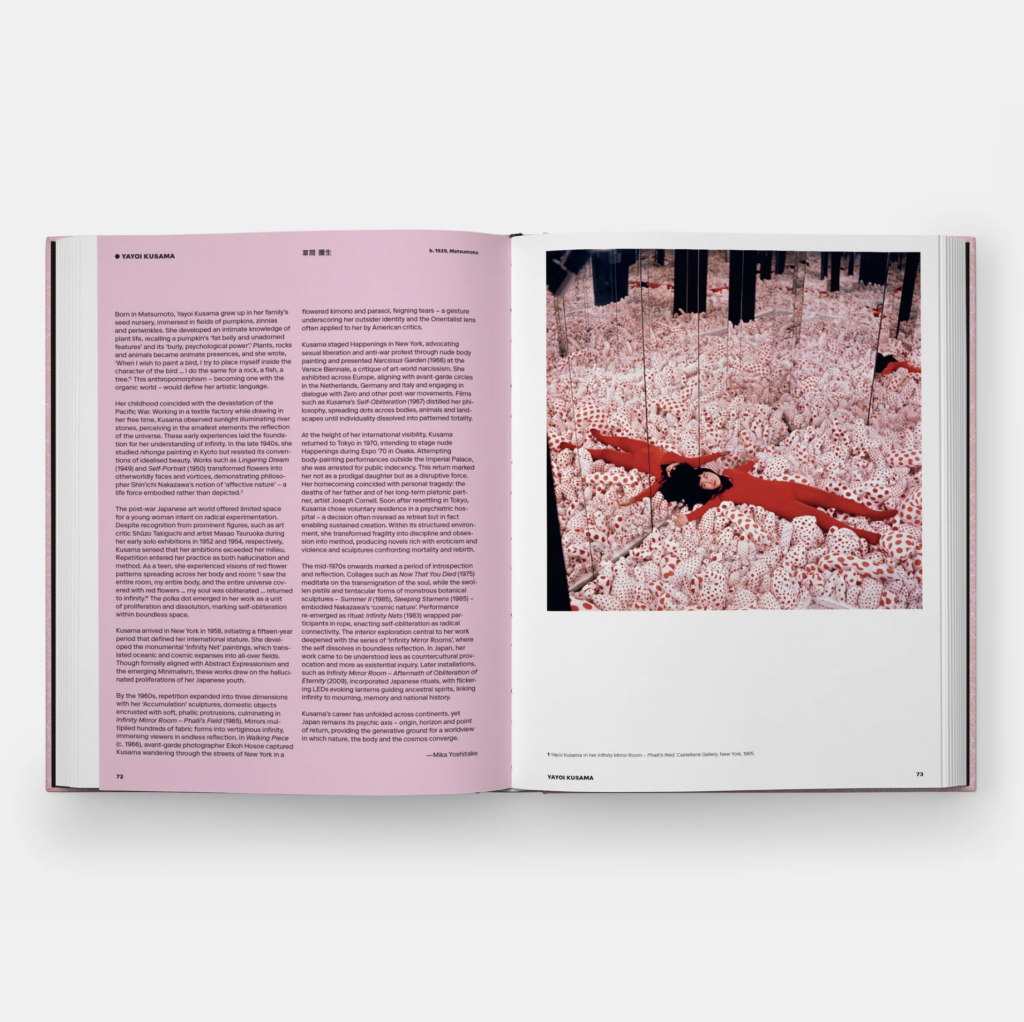
Kaihō: Japanese Women Artists After 1945, Phaidon 2026.
The essays turn this book from a pretty catalogue into a real research tool. Reiko Kokatsu’s piece on education forms the backbone. She shows how art schools and exhibition groups shut women out. Even talented painters hit a ceiling. Setsuko Migishi won a major award in 1935, yet she quit the Independent Art Association in 1938. The group never let women become full members. In response, women started their own groups and held women-only shows. Kokatsu also explains why Yoko Ono and Shigeko Kubota left for New York, as critics in Japan ignored or misread their work.
Megumi Kitahara then drags the story into the present. She covers the Gender Debates of 1997 and 1998, when male critics dismissed gender as a Western import. Her numbers still sting. Men direct more than 80 percent of Japan’s major art museums. Women fill about 70 percent of new art places, yet men hold over 80 percent of faculty jobs.
That is why Kaihō matters beyond the exhibition. These essays prove the problem runs deep, the fight continues, and they give readers the evidence to say so.
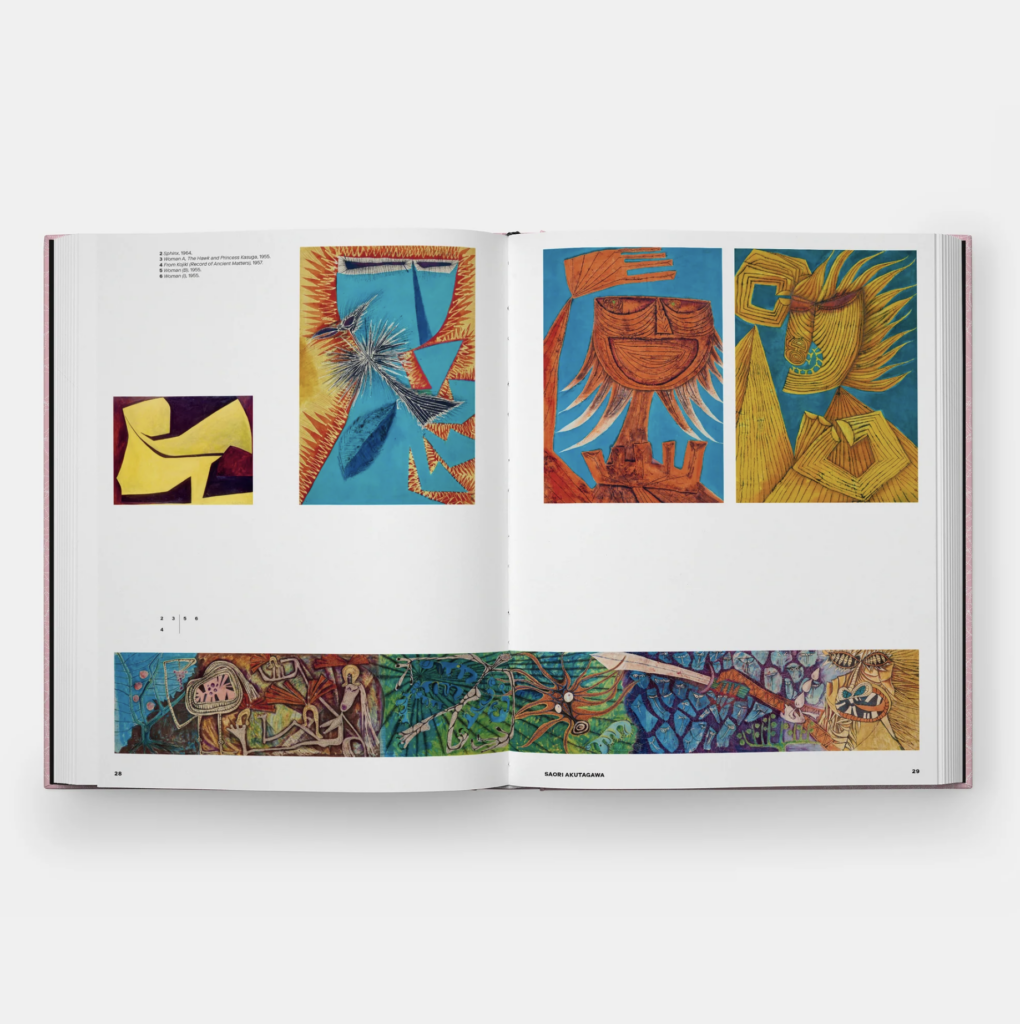
Kaihō: Japanese Women Artists After 1945, Phaidon 2026.
If you care about postwar art, this book belongs on your shelf. Kaihō: Japanese Women Artists After 1945 fixes a story that Western art history told badly for decades. It introduces 39 Japanese women artists, and it treats each one as a serious voice instead of a footnote. Curators will find fresh names and strong research. Students will get a clear map of the networks, schools, and collectives these women built. Casual readers will simply enjoy discovering artists they never met before.
The fight for fair representation in museums is not over, and this book proves it. It also shows how many women kept working anyway. Kaihō informs, challenges, and inspires in equal measure.
The book is available for purchase on the Phaidon website.
DailyArt Magazine needs your support. Every contribution, however big or small, is very valuable for our future. Thanks to it, we will be able to sustain and grow the Magazine. Thank you for your help!

I'm Errika Gerakiti, an art writer and curator based in Athens. I write about modern and contemporary art, fashion, and cinema — with a particular interest in the overlooked, the uncomfortable, and the underrepresented. When I'm not writing, I'm curating exhibitions, reading, painting, sculpting, or reading. For longer reads, personal essays, and an occasional science-fiction or horror story, find me on Substack.

Univ. of New Orleans, Fine Arts and History; Fine Artist, Professional Graphic Designer, Art Historian, Historian, Musician, worked at the New Orleans Museum of Art and MS Museum of Art; learning enthusiast!
Sliman Mansour, one of the leading figures in Palestinian art, died yesterday at the age of 79. Mansour’s practice was profoundly intertwined...
Martha Teverson 25 August 2026
There is a particular vertigo in crouching down to look at something the size of a fingernail. Since 2006, Slinkachu has built an entire career...
Errika Gerakiti 3 August 2026
Few would claim real shock at the loss of an artist a month shy of turning 89. And then David Hockney passed away on June 11. Born in 1937, the lad...
MJ Rivera 22 June 2026
Between marquee art fairs, auction-house madness, downtown openings, uptown previews, long-awaited gallery and museum exhibitions, and the artsy...
MJ Rivera 28 May 2026