



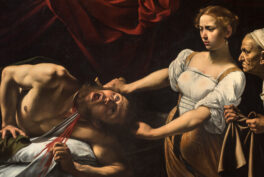
Masterpiece Story: Judith and Holofernes by Caravaggio
Judith and Holofernes is a Caravaggio masterpiece that captures Biblical murder and drama. Rarely has death been captured so intensely and violently...
James W Singer 13 September 2026
7 September 2026 min Read
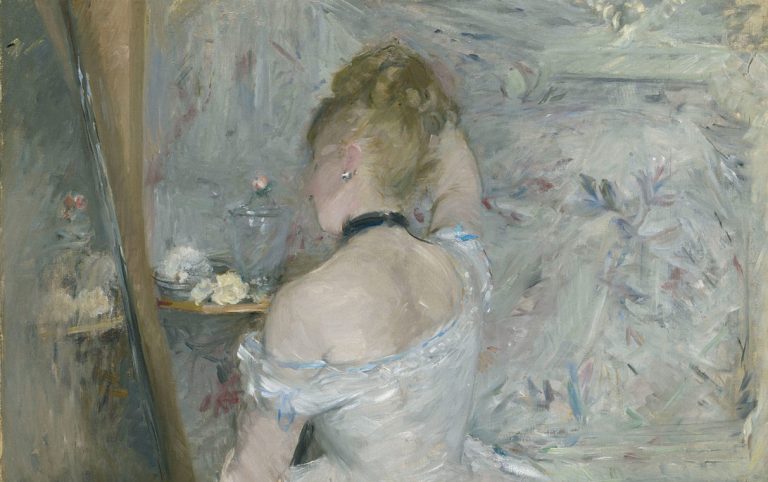
Berthe Morisot, Woman at Her Toilette, 1875/80, Art Institute of Chicago, Chicago, IL, USA. Detail.
Berthe Morisot was closely associated with French Impressionism and actively participated in seven out of eight group exhibitions. She maintained close and creative links with Manet, Renoir, and Degas, sharing their interest in subjects derived from everyday life and in capturing the effects of light.
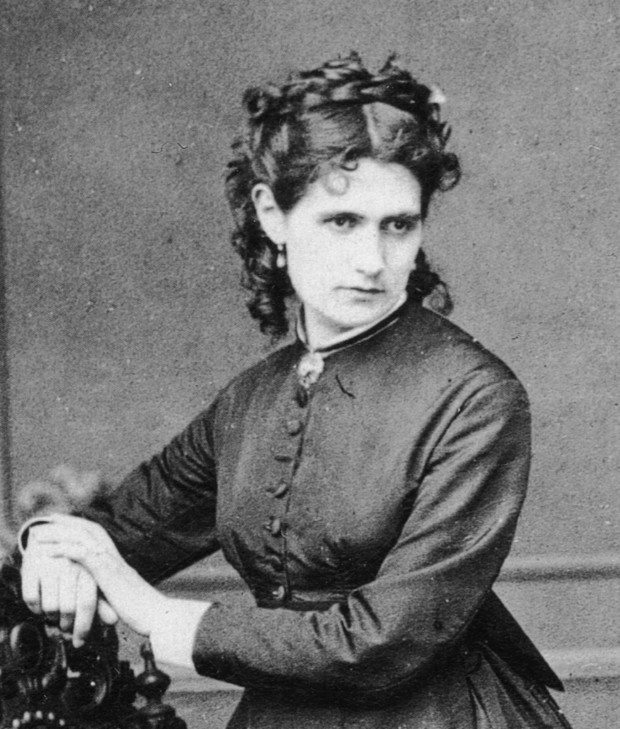
Berthe Morisot (1841–1895) painted women and children set in many various scenes, as well as landscapes and still lifes. All display, in their poses, compositions, and painterly brushwork style, a sparkling spontaneity that inspired contemporary critics Paul Mantz and Théodore Duret to describe her as the quintessential Impressionist.
Berthe Morisot had very good art roots. She was the granddaughter of the famous Rococo painter Jean-Honore Fragonard (1732-1806). Berthe and her sister Edma had been enrolled in the École des Beaux-Arts, Paris, from 1856 to 1859. In 1868, Morisot met Edouard Manet, who became her advisor and a close friend. Morisot became a subject of many Manet’s paintings. She also married his younger brother Eugène.
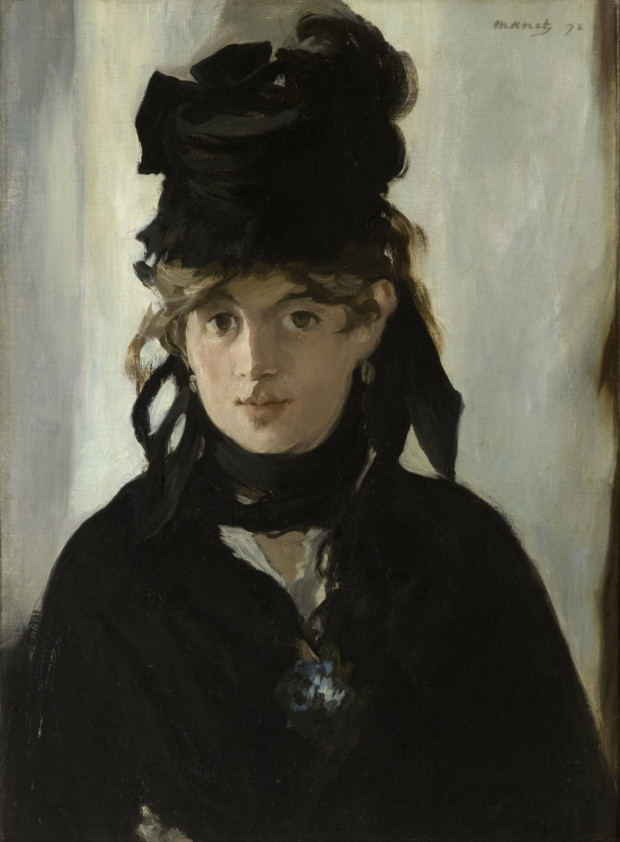
Here we want to show you one of the most famous masterpieces by Morisot: Woman at Her Toilette, from the Art Institute of Chicago’s collection. Typical for Impressionists, Morisot attempted to capture the essence of modern life in summary. The subject, explored before numerous times by Edgar Degas, Édouard Manet, and Pierre-Auguste Renoir was rarely broached at this time by women artists — maybe because of its erotic connotations.
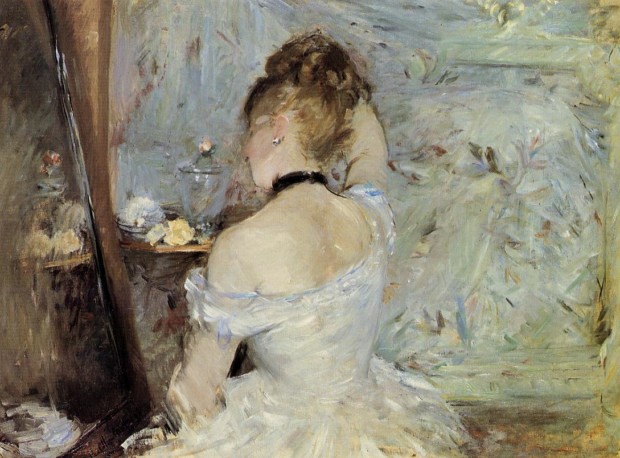
The painting is like a visual poem, with all these shades of lavender, pink, blue, white, and gray. By denying us seeing the model’s face, Morisot broke with the convention of using the mirror as a means to double the voyeuristic pleasure of glancing at a woman unawares. Morisot’s women are usually like this – suggestive and delicate, implied by the nuance of color and lightness of touch.
DailyArt Magazine needs your support. Every contribution, however big or small, is very valuable for our future. Thanks to it, we will be able to sustain and grow the Magazine. Thank you for your help!

Art Historian, founder and CEO of DailyArtMagazine.com and DailyArt mobile app. But to be honest, her greatest accomplishment is being the owner of Pimpek the Cat.

Melanie is a freelance editor, proofreader, and writer within humanities fields. Follow her on Twitter @melaniesdemmer.
Judith and Holofernes is a Caravaggio masterpiece that captures Biblical murder and drama. Rarely has death been captured so intensely and violently...
James W Singer 13 September 2026
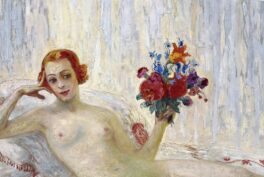
Explore an astonishing 1915 nude self portrait by American modernist painter Florine Stettheimer.
Candy Bedworth 21 September 2026
Winslow Homer (1836–1910) was one of the leading American Realist painters. His painting The Veteran in a New Field is a masterpiece of late...
James W Singer 30 August 2026
At first glance, A Goldsmith in His Shop (1449) appears to depict an ordinary visit to a jeweller. Yet Petrus Christus transformed an ordinary...
Shivani Gupta 23 August 2026