The Making of a Diamond-Encrusted Skull
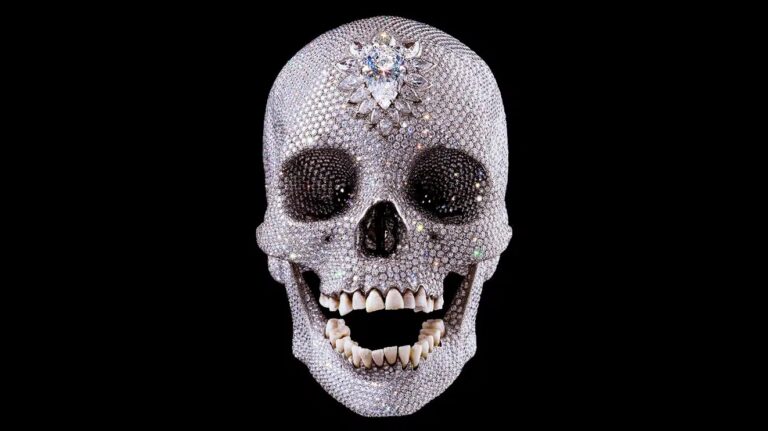
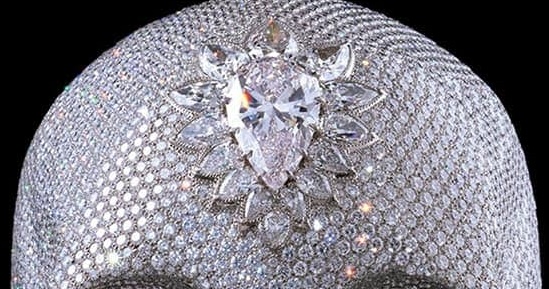
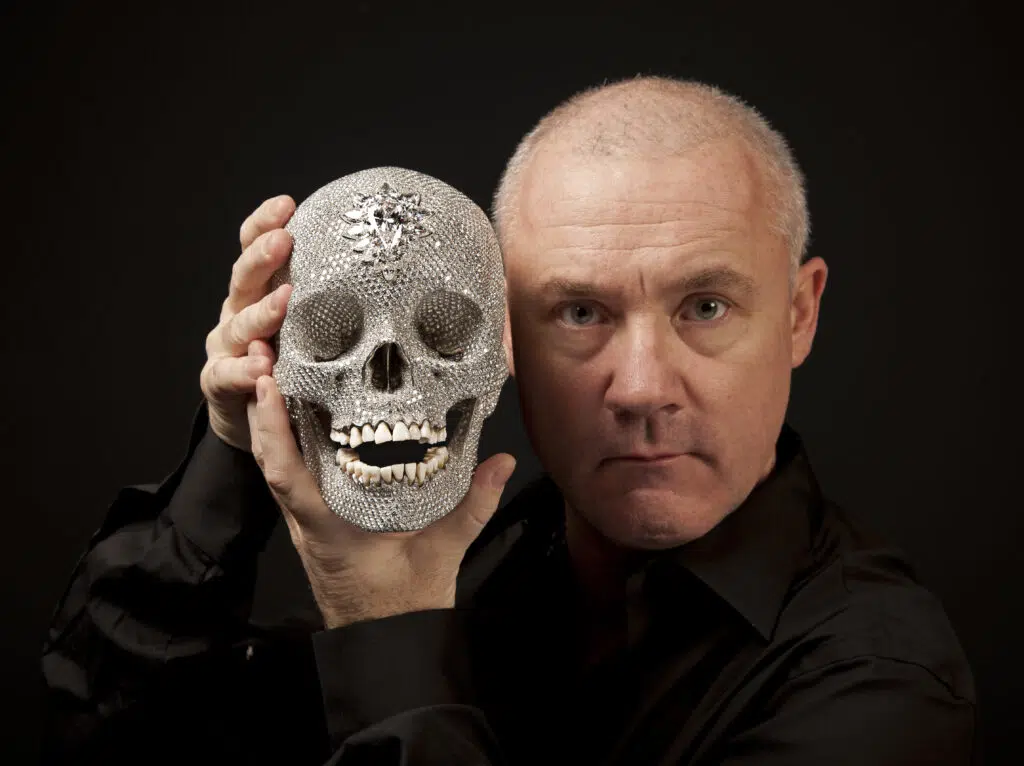
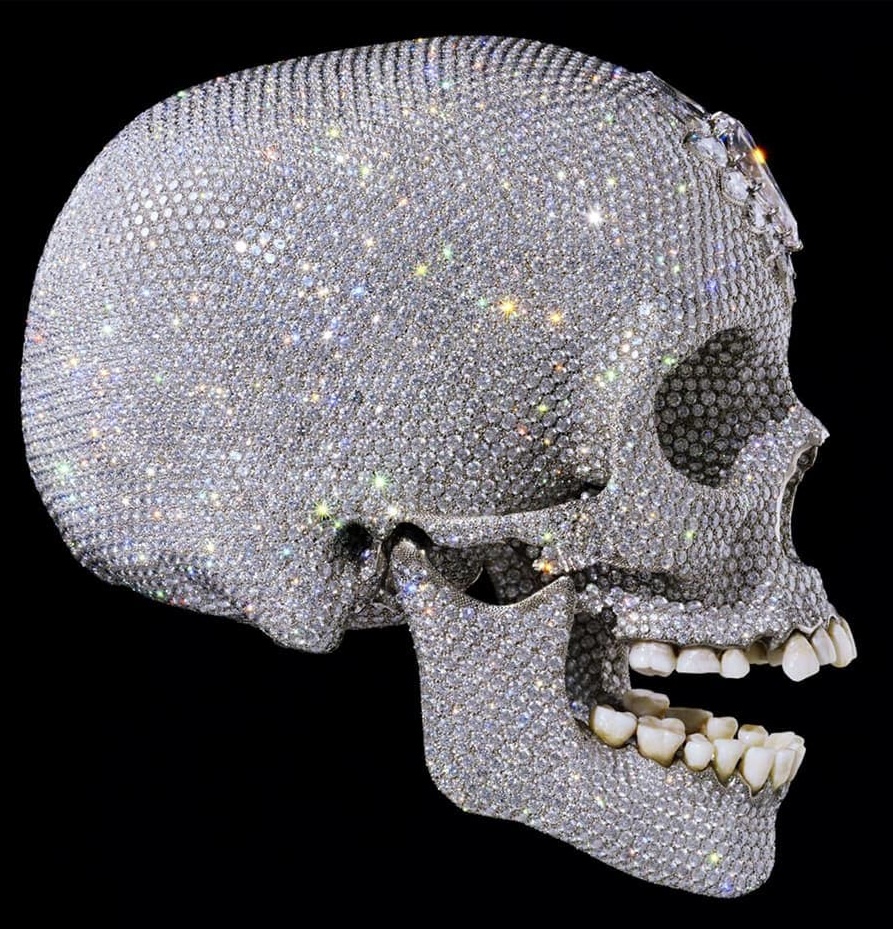
Damien Hirst worked with London jewelers Bentley & Skinner to produce the piece. The skull incorporates 1,106.18 carats of diamonds, with a production budget that reportedly reached £14 million. Hirst set out to create an object so beautiful and so disturbing that neither reaction could cancel the other. He achieved exactly that. The result is simultaneously a luxury object, a vanitas symbol, and a provocation aimed squarely at the art market it inhabits.
The title itself comes from an exclamation Hirst’s mother made when he first described the project to her. That small biographical detail grounds a wildly extravagant object in something human, even tender.
Death, Diamonds, and the Vanitas Tradition
The skull has carried the weight of mortality symbolism since antiquity. In 17th-century Dutch and Flemish painting, the vanitas genre used skulls, candles, and rotting fruit to remind viewers of life’s brevity. Hirst did not invent this language. He inherited it, then buried it in diamonds.
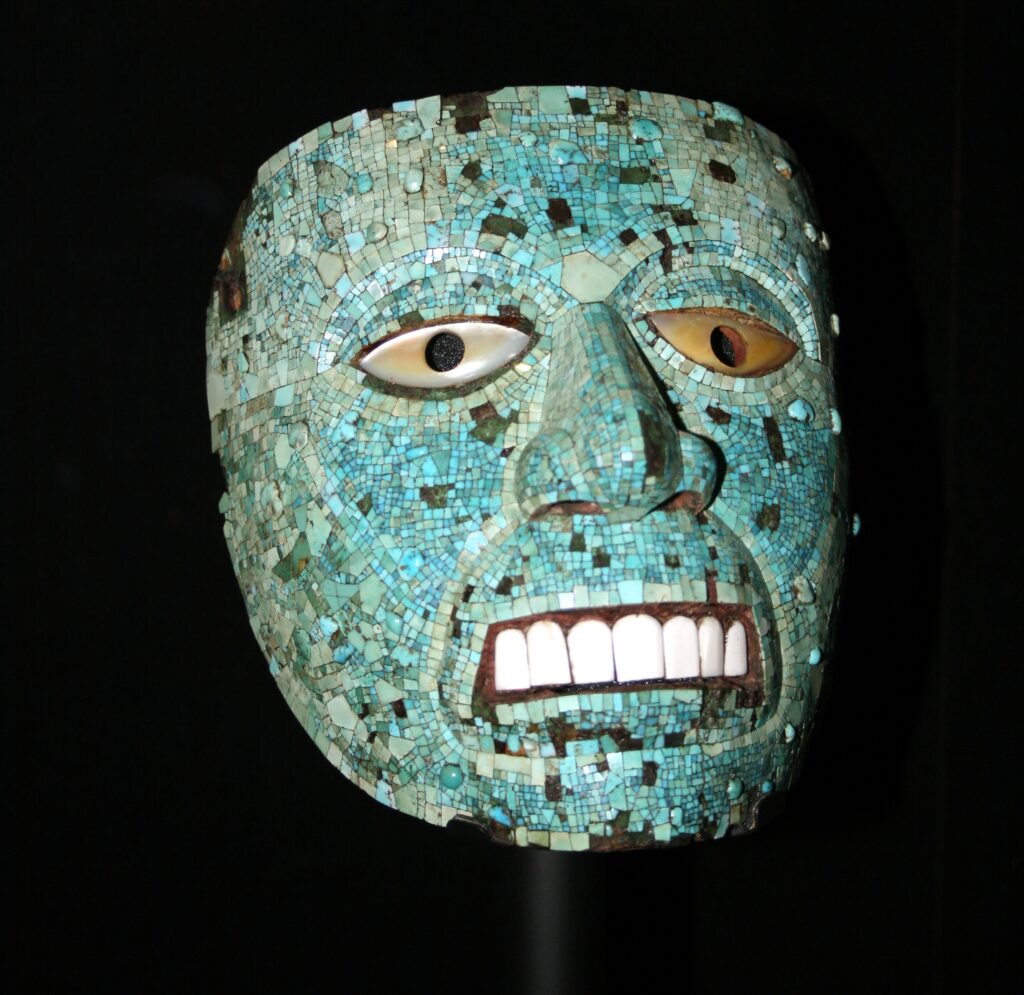
That tension is the work’s core intelligence. The Damien Hirst skull refuses to let mortality feel somber. Instead, it forces death to compete with desire, beauty, and obscene wealth. A traditional vanitas painting asked you to reflect. For the Love of God asks you to want. The discomfort that follows that wanting is the entire point. Hirst has cited Francisco Goya, Francis Bacon, and Aztec crystal skulls as influences. The piece draws from a long lineage of objects that transform human remains into art, talisman, or memento. The difference lies in scale, medium, and the particular fever of the contemporary art market.
The Art Market Spectacle
For the Love of God carried an asking price of £50 million, making it the most expensive artwork ever offered by a living artist at the time. Hirst sold it in 2007 to an investment group that included himself, for a figure widely reported as the full asking price. The circumstances generated significant controversy and skepticism.
That controversy became, in many ways, the work’s second life. Critics debated whether the piece was a masterwork or an elaborate stunt. They questioned the sale’s transparency and whether Hirst had essentially sold the skull to himself. The art market’s appetite for spectacle and its vulnerability to inflation and hype suddenly stood on trial alongside the object itself. Hirst seemed to invite this reading. Throughout his career, he has treated provocation as a medium. The diamond skull did not simply enter the art market. It held a mirror up to the market’s most dangerous instincts.
Hirst’s Broader Practice and Legacy
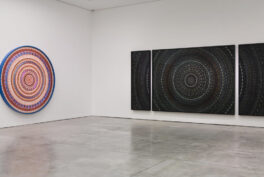
For the Love of God sits naturally within Hirst’s lifelong obsession with mortality. His Natural History series preserved sharks, sheep, and cows in formaldehyde vitrines. The spot paintings turned pharmaceutical repetition into aesthetic pleasure. Even medicine cabinets had lined up pills with the care of relics.
Across all of it, the artist has asked the same question in different registers: how do we cope with the knowledge that we die? The Damien Hirst skull offers one answer: by spending, beautifying, transforming death into the most expensive thing in the room.
That answer is uncomfortable, but also honest. Consumer culture, luxury markets, and the global art world all participate in the same anxiety management that For the Love of God makes visible. The skull has exhibited internationally, most notably at the White Cube in London and the Rijksmuseum in Amsterdam. Its placement in a Dutch Golden Age museum was deliberate. It was a direct conversation with the vanitas painters who first asked the questions Hirst has never stopped asking.
The Work That Refuses to Resolve
For the Love of God is excessive, beautiful, and deeply unsettling. It works because it refuses to resolve the contradictions it raises. Death and desire, craft and commerce, sincerity and spectacle all coexist in its diamond surface. The Damien Hirst diamond skull does not offer comfort. It offers clarity, and that is far more valuable.