
Whistler in 10 Works: The Poetry of Sight
James Abbott McNeill Whistler can sometimes appear as insubstantial and vague as one of his Nocturnes. He flits across the late 19th-century art...
Catriona Miller 25 June 2026
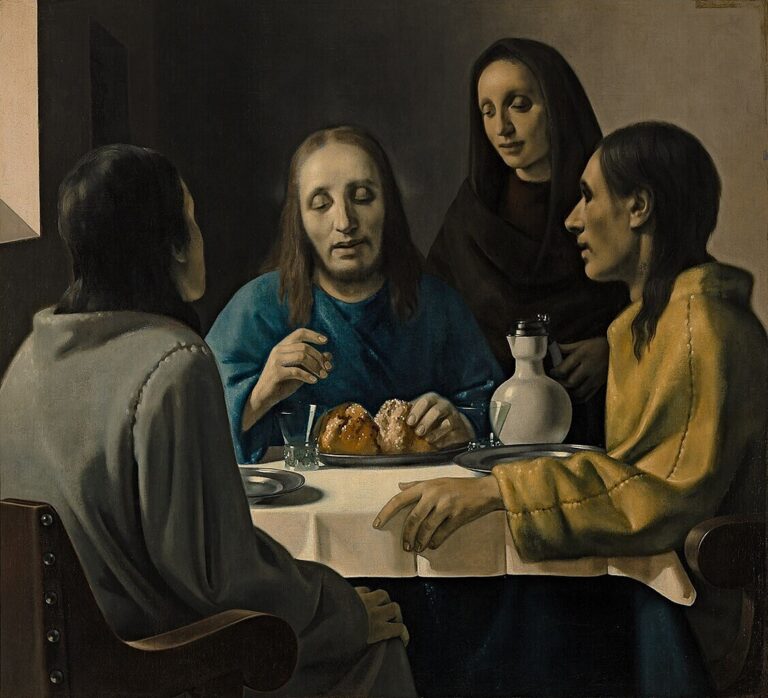
Han van Meegeren, The Supper at Emmaus by Han van Meegeren, 1936, Museum Boijmans Van Beuningen, Rotterdam, Netherlands. Detail.
Who wouldn’t love to discover an unknown original painting by Johannes Vermeer? It must be a blissful moment to find an untouched and unspoiled work of art by the brush of a master. A work that nobody has seen before! When in 1937 Abraham Bredius, an authority in the art world, claimed he had found new and untypical works by Johannes Vermeer, everybody believed him. What a surprise it must have been when ten years later a mediocre Dutch painter Han van Meegeren admitted that he was the author of these ‘Vermeers’.
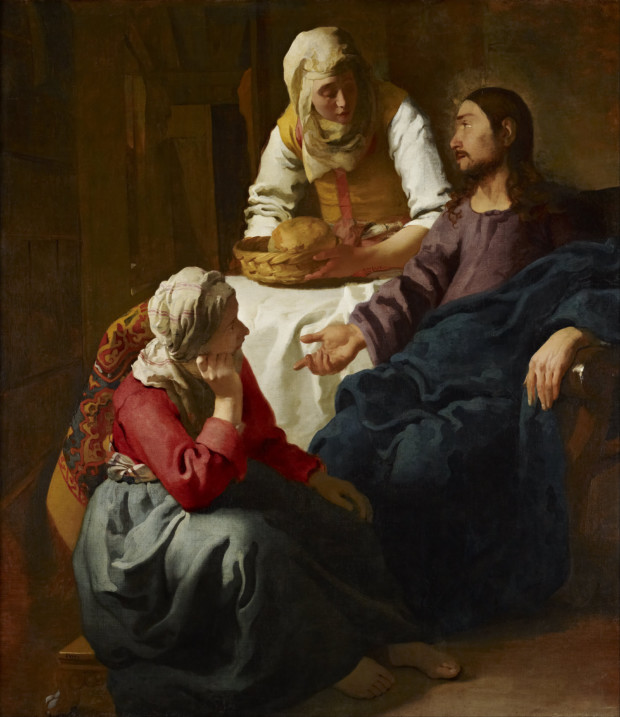
Abraham Bredius can be justified in his mistake. When he looked at the fakes, he saw the style and subjects similar to this painting. It is one of the earliest Vermeer’s works which depicts a biblical scene instead of the quiet interiors and anonymous females which would follow later. Scholars suspected that Vermeer had been to Italy and was inspired by Caravaggio. His influence is seen here in the light and shadow contrasts and the handling of color.
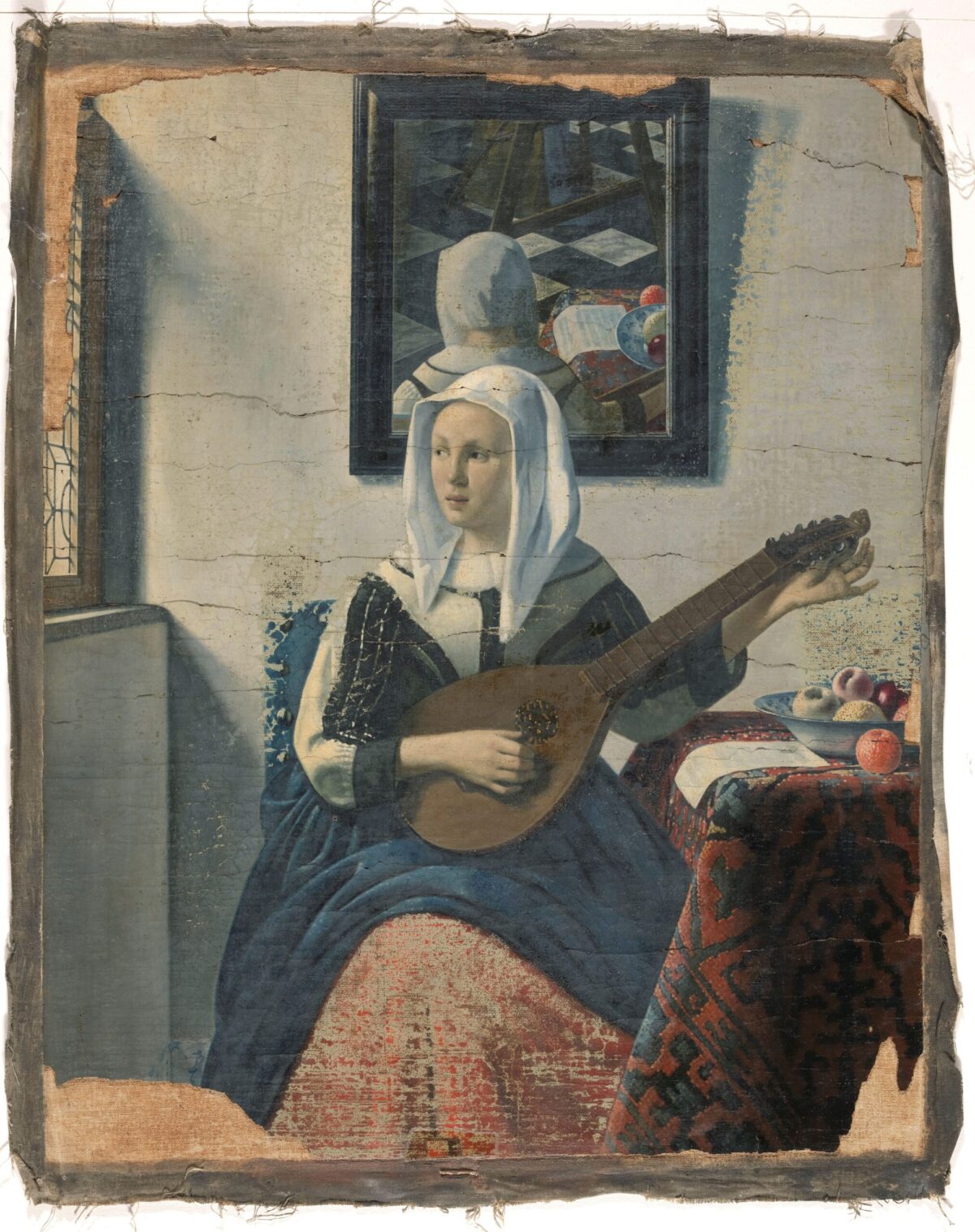
Look carefully at the following paintings. Are you able to outsmart Abraham Bredius and discern that they are not Vermeer?
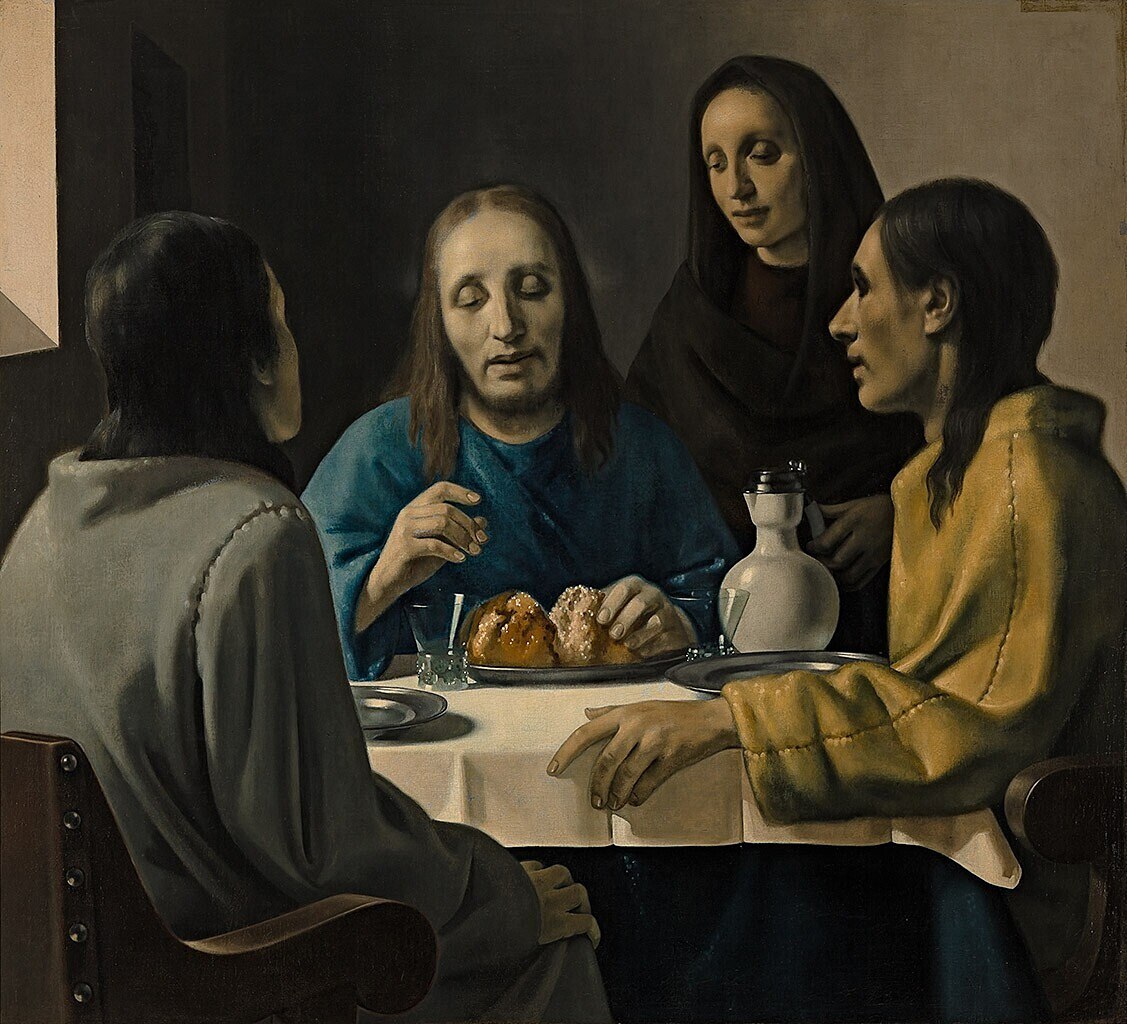
Han van Meegeren had to admit his forgery because in 1945 he was accused of collaborating with the Germans as he had exchanged his fakes with Hermann Goering for 200 original Dutch paintings. Therefore, Meegeren could claim that he was a national hero who saved Dutch heritage, rather than a collaborator. This way Meegeren saved his life and had to spend only a year in jail for forgery.
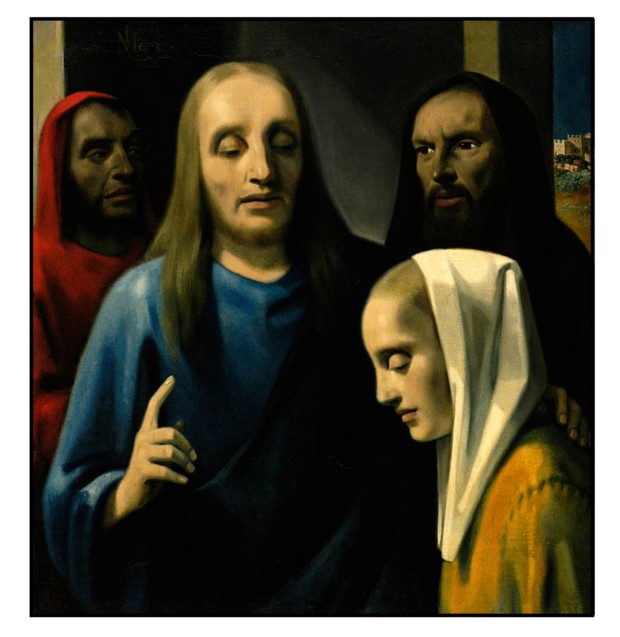
It took Van Meegeren some time to figure out how to make a new painting look old. He would mix his pigments with a synthetic resin instead of oil, which would facilitate the hardening of paint, a process that usually takes 50 years. Subsequently, he would bake the canvas to make it even harder. Moreover, he explained any inadequacies in his technique by the fact that these paintings were early Vermeers so before the master had reached the peak of popularity.
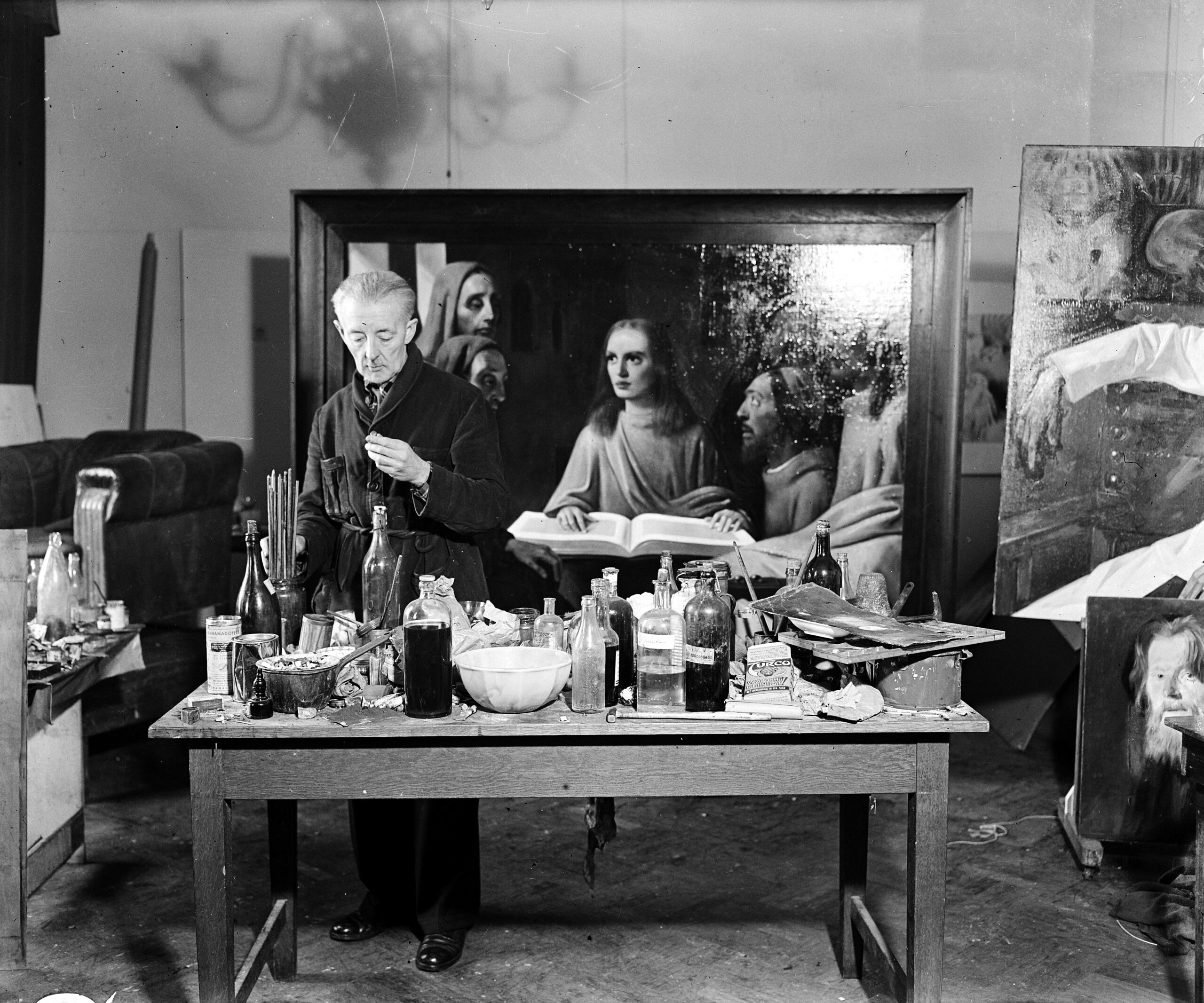
In order to prove his innocence, Van Meegeren had to paint yet another ‘Vermeer’ in front of the judges and the police during the trial. He showed them his technique and the materials, and once again people believed him.
DailyArt Magazine needs your support. Every contribution, however big or small, is very valuable for our future. Thanks to it, we will be able to sustain and grow the Magazine. Thank you for your help!

Magda, art historian and Italianist, she writes about art because she cannot make it herself. She loves committed and political artists like Ai Weiwei or the Futurists; like Joseph Beuys she believes that art can change us and we can change the world.
James Abbott McNeill Whistler can sometimes appear as insubstantial and vague as one of his Nocturnes. He flits across the late 19th-century art...
Catriona Miller 25 June 2026
Think art school is the only path to greatness? Think again. These 10 artists defied convention through persistence, originality, and vision, without...
Wen Gu 14 September 2026
Bronzino was of the generation of artists who had to find a way of following the perfection of the High Renaissance. They pushed the conventions of...
Catriona Miller 28 September 2026
From early roots in rural Ontario, Canada, to New York City and back again, David Milne was an artist who rarely settled for long. His works span a...
Bec Brownstone 1 July 2026