10 Paintings by Helene Schjerfbeck That You’ll Never Forget
Helene Schjerfbeck, famous in her native Finland, is not nearly as well known in the rest of the world. A genuine one-off, she studied in Paris and...
Catriona Miller 11 March 2026
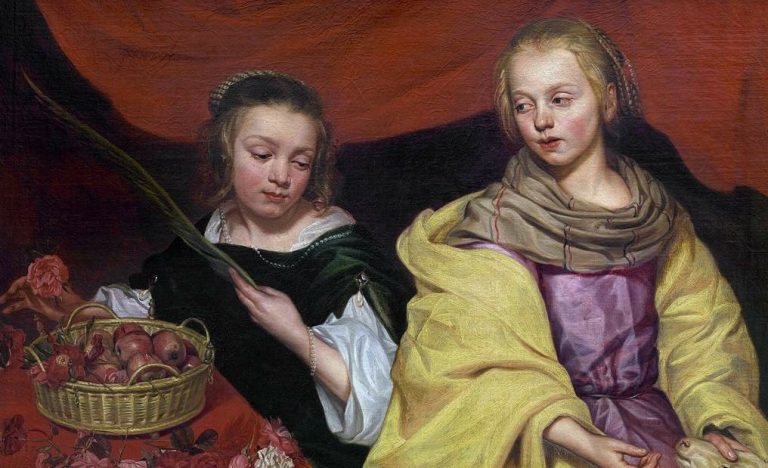
Michaelina Wautier, Two Girls as Saints Agnes and Dorothy, Royal Museum of Fine Arts, Antwerp, Belgium. Detail.
Michaelina Wautier was born in Mons in 1604. This Flemish painter has been absent in art history for many years, but her life and work are slowly being rediscovered. She was introduced to the general public in 2018, when the Museum aan de Stroom (MAS) in Antwerp held the first retrospective exhibition of her work. We still don’t have a lot of information about her but here are five important things we do know (and so should you).
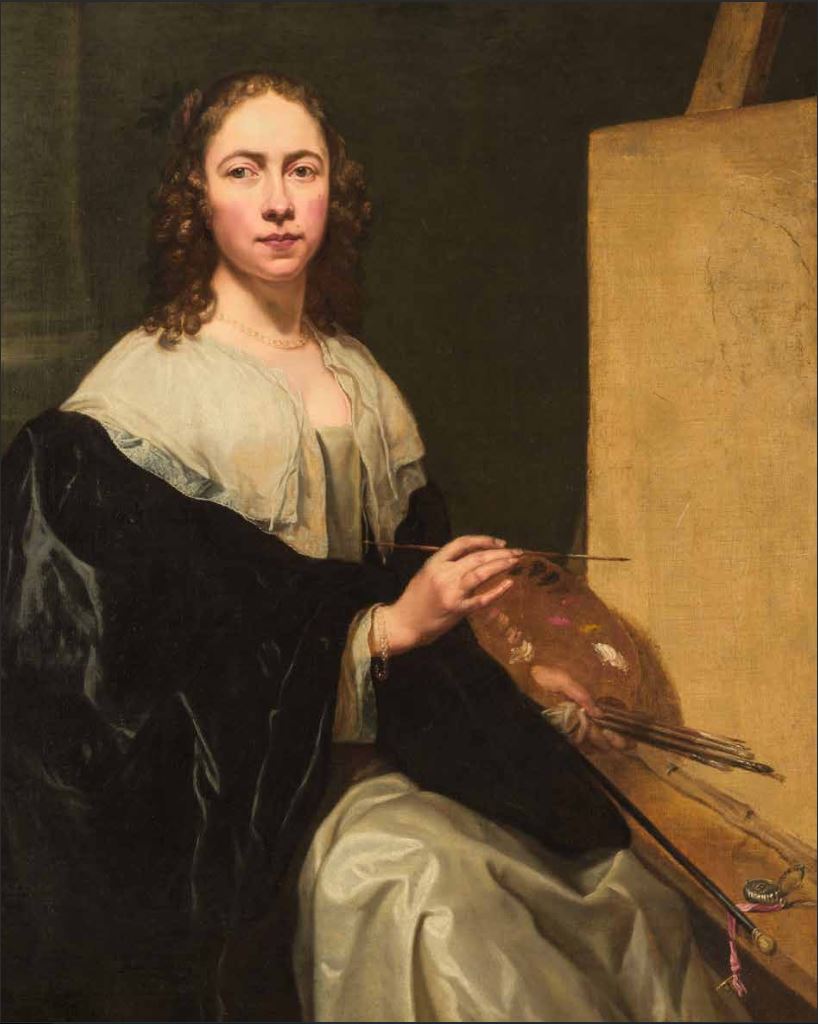
While most female artists in 17th-century Netherlands were consigned to painting still lifes and flowers, Michaelina Wautier painted every other genre in both small and large scale. She painted portraits, still lifes, religious themes, and – most unusual for a female artist – history painting. Depicting subjects from classical history, classical mythology, and the Bible, history painting was considered of the highest importance. It was usually banned for female artists (one complicating factor was their lack of access to formal studies of anatomy).
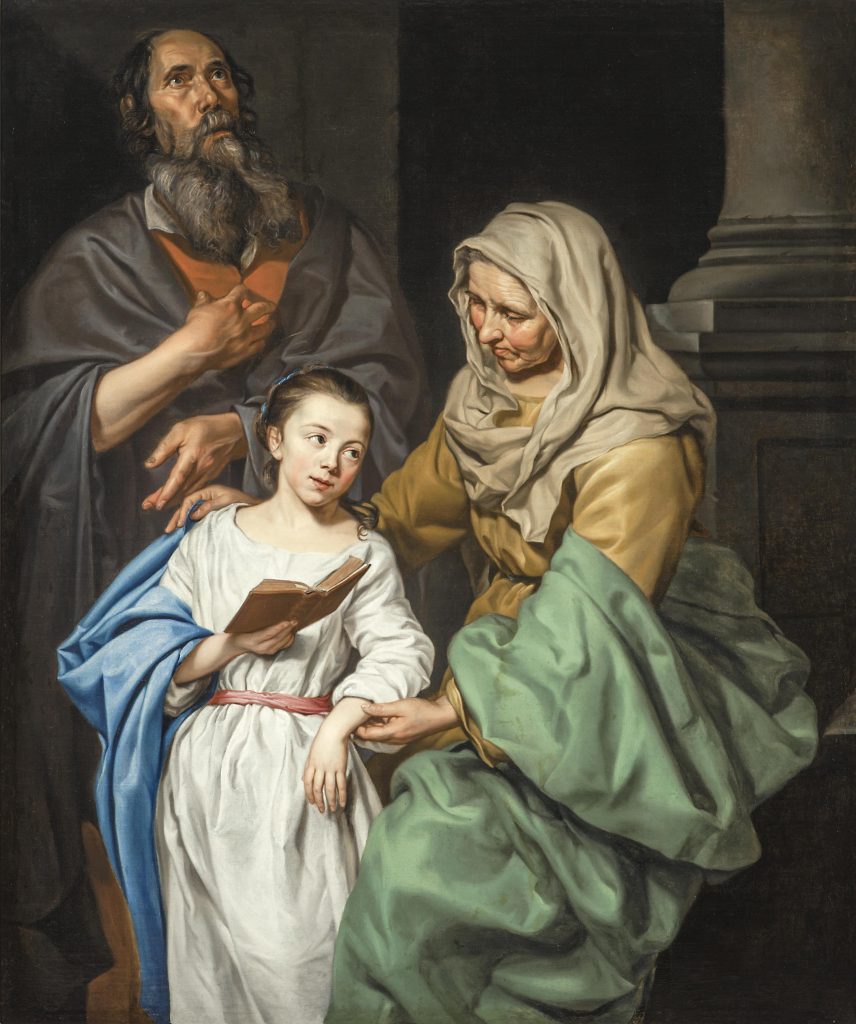
In the social context Wautier lived in, women could only receive artistic training at home through private teachers – training in workshops with other male artists was viewed as unacceptable. In general, girls received a minimal education mostly oriented towards marriage, such as music and embroidery. But through Wautier’s paintings, we know that she had an excellent knowledge of classical mythology and symbolism. This indicates an outstanding education and, consequently, indicates the means her family had access to.
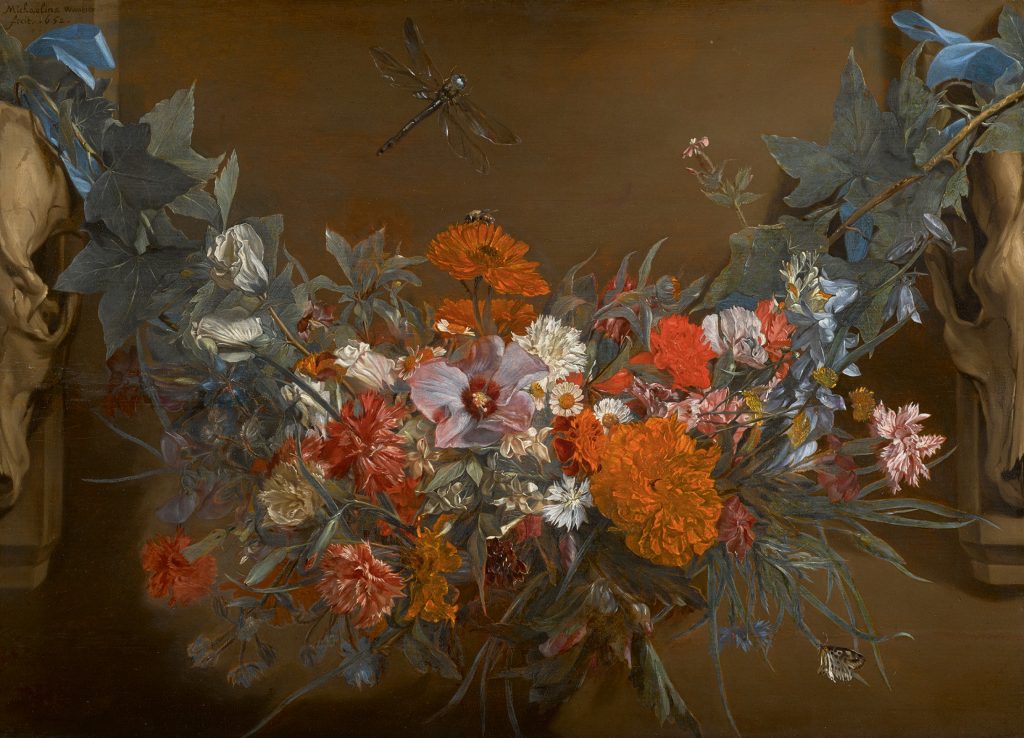
Michaelina Wautier was the only daughter among nine children. Charles Wautier, one of her brothers, was five years younger than her and also a painter. Around 1654, they moved to Brussels, where they remained until the end of their lives. In this city, they shared a studio and had a similar clientele (mostly special officers in the service of the Spanish Crown). There are formal links between their works, such as layouts and well-studied light effects, and by sharing the studio it’s possible they collaborated on paintings at times.
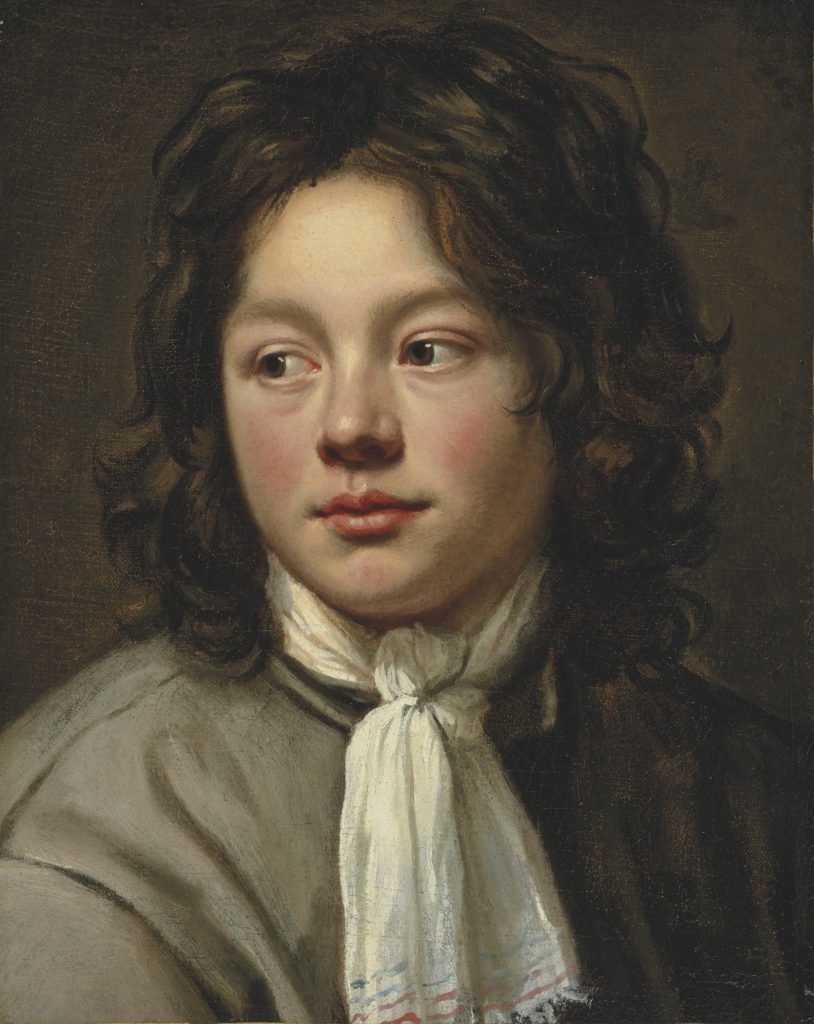
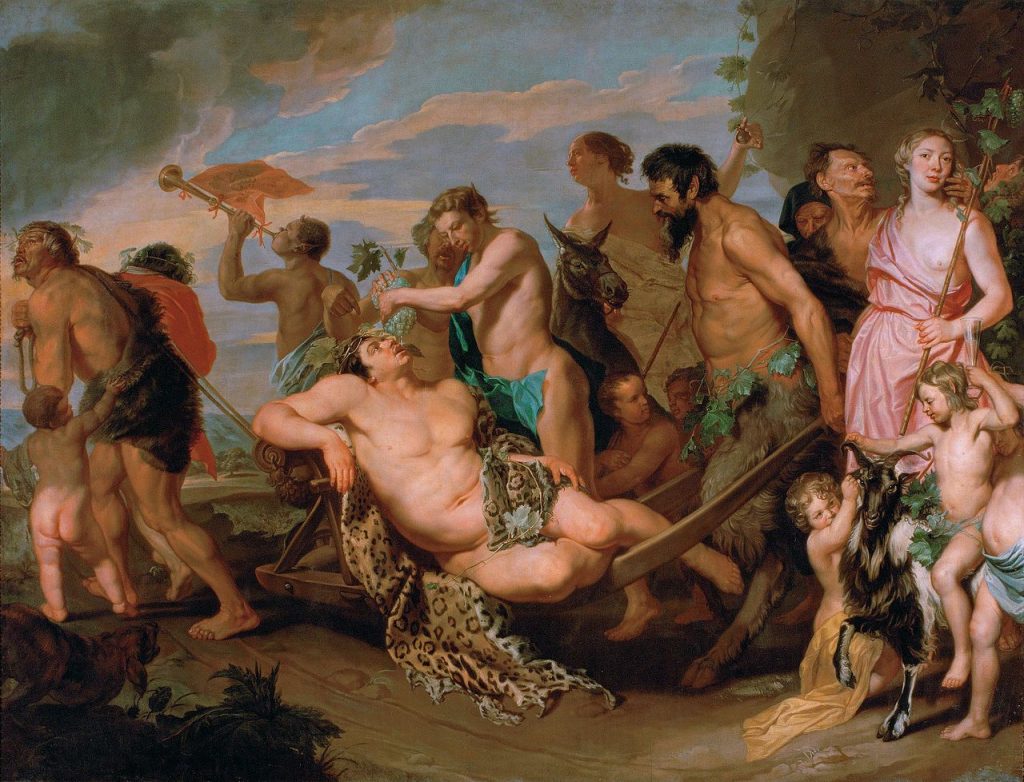
Many of Wautier’s works have long been attributed to other male artists, including her brother Charles. The painting Everyone His Fancy is a recent example of a misattribution being finally rectified. Only three years ago Katlijne van der Stighelen, an expert on Michaelina Wautier’s work, attributed the painting to her. Until then, it was thought of being by another Flemish painter – Jacob van Oost. It’s likely that many other of her paintings are waiting to be rediscovered and, as that happens, we’ll be able to learn more about her.
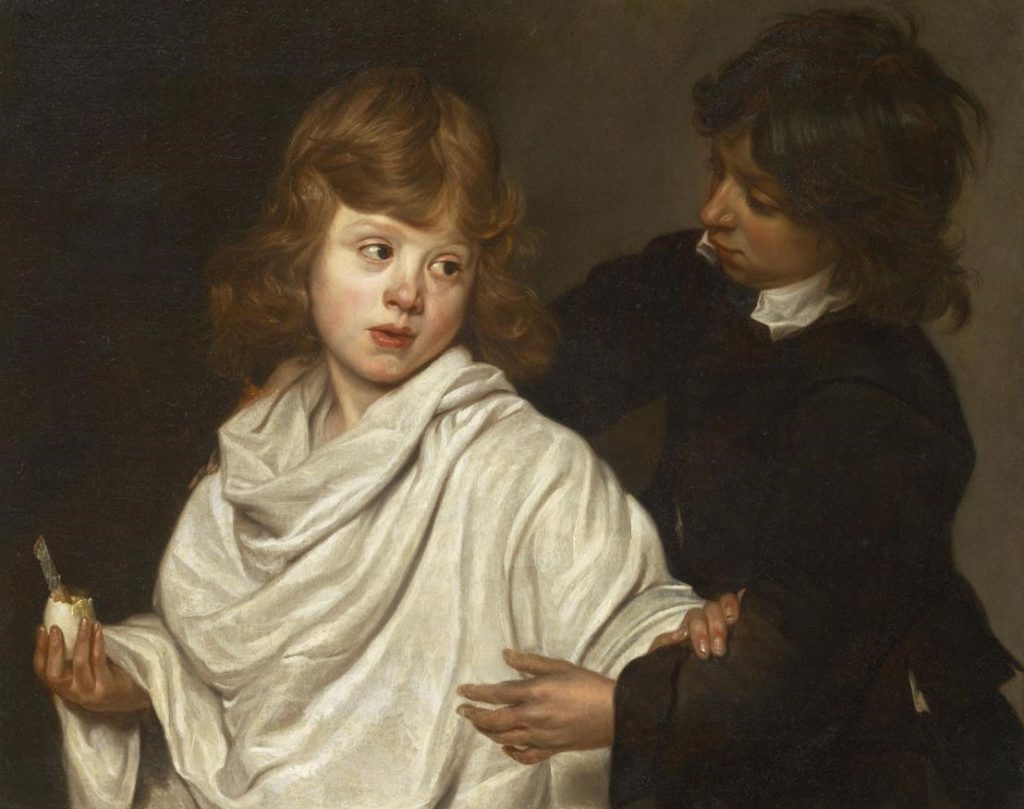
In a time when women could not study anatomy and, unlike male artists, did not have access to nude models, her ability to paint the human body is impressive. Katlijne van der Stighelen points out that the quality of the anatomy depicted in Wautier’s nudes is completely unseen from a female artist in Europe at the time. Some researchers even wonder about the possibility of her having access to models through her brother since he was also a painter and, most importantly, a man.
Get your daily dose of art
Click and follow us on Google News to stay updated all the time

DailyArt Magazine needs your support. Every contribution, however big or small, is very valuable for our future. Thanks to it, we will be able to sustain and grow the Magazine. Thank you for your help!

A historian, Vithória researches the Italian Renaissance. Her favorite art movement is Impressionism, and she must have flowers, always and always.
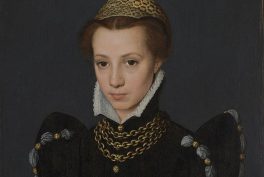
Helene Schjerfbeck, famous in her native Finland, is not nearly as well known in the rest of the world. A genuine one-off, she studied in Paris and...
Catriona Miller 11 March 2026
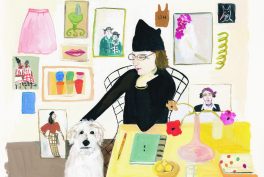
If you are a frequent visitor to museum stores and bookshops, or a regular reader of The New Yorker, you have probably encountered the work of Maira...
Aniela Rybak-Vaganay 9 March 2026
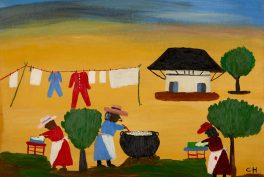
Clementine Hunter taught herself to paint in her fifities and spent the rest of her life chronicling the Black Southern experience, not with slogans...
Wen Gu 23 February 2026
Élisabeth Vigée Le Brun was one of the most accomplished portraitists of her generation. At the peak of her fame, the doors of the highest European...
Edoardo Cesarino 16 March 2026