
15 Masterpieces of European Painting You Need to See at the Met
How does anyone begin to navigate 5,000 years of global art without feeling instantly overwhelmed? Do not despair—DailyArt Magazine has you...
MJ Rivera 9 March 2026
3 February 2026 min Read
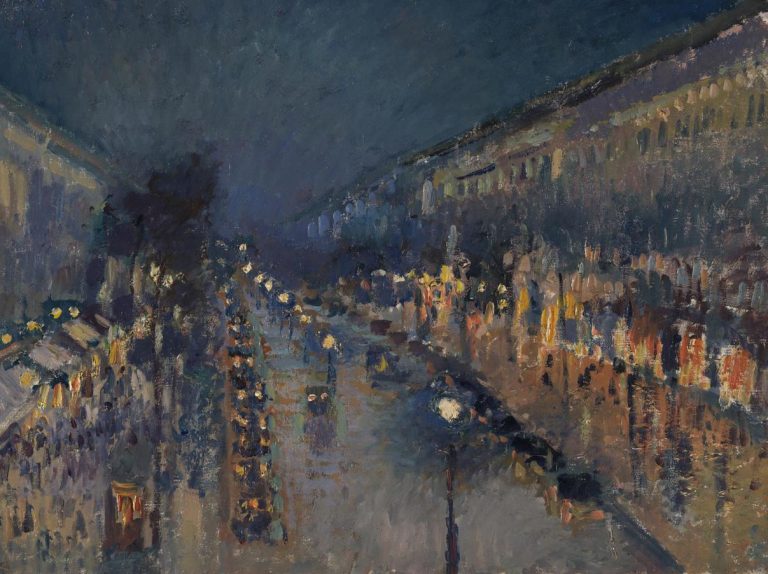
Camille Pissarro, The Boulevard Montmartre at Night, 1897, National Gallery, London, UK. Detail.
Although The Courtauld Gallery remains closed due to ongoing refurbishment, its masterpieces are far from out of sight. In 2018, the National Gallery opened an exhibition that brought together Impressionist highlights from both its own collection and the Courtauld, giving visitors the rare chance to see them side by side.
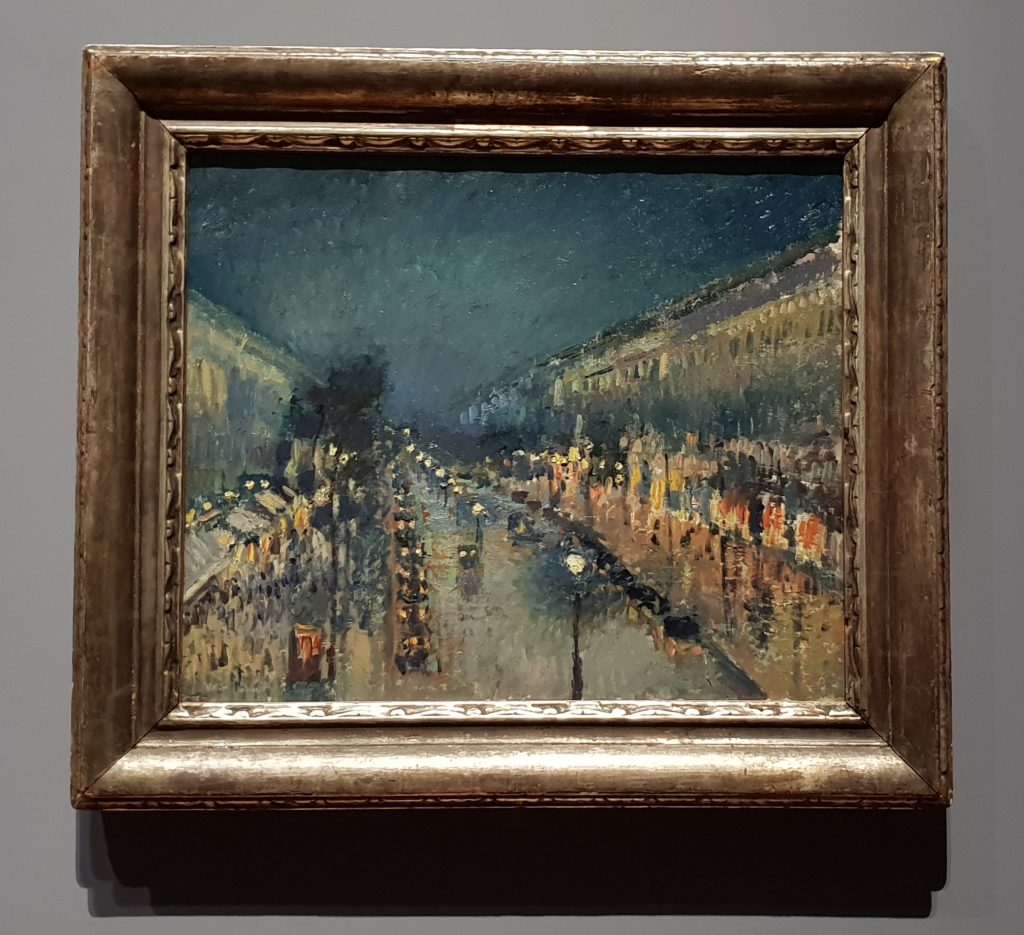
The exhibition was set in the three rooms of The Wohl Galleries, and within those hang over forty paintings by 12 artists. It was a crash course in Impressionism and Post-Impressionism. Each artist presented through the lens of just a few works, creating a condensed impact.
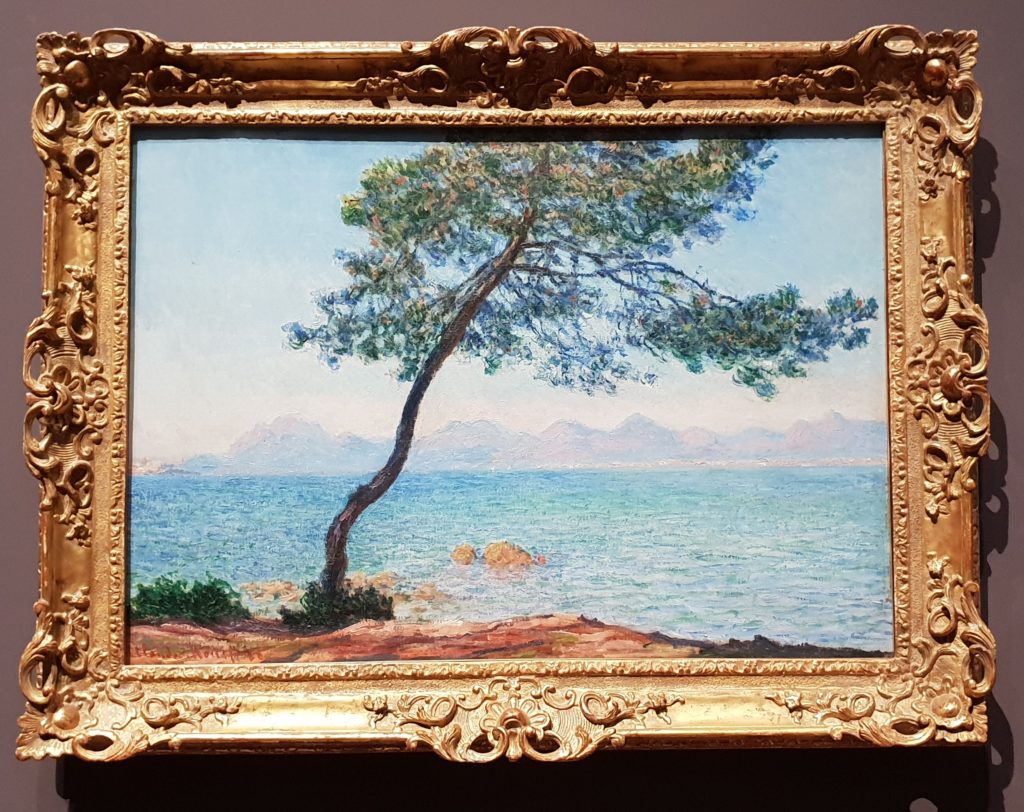
Because we only got a glimpse of each artist’s oeuvre, their individual styles are brought into sharp focus. They stop being the blended group of Impressionists and Post-Impressionists. Each of them stands on its own, each different from the rest.
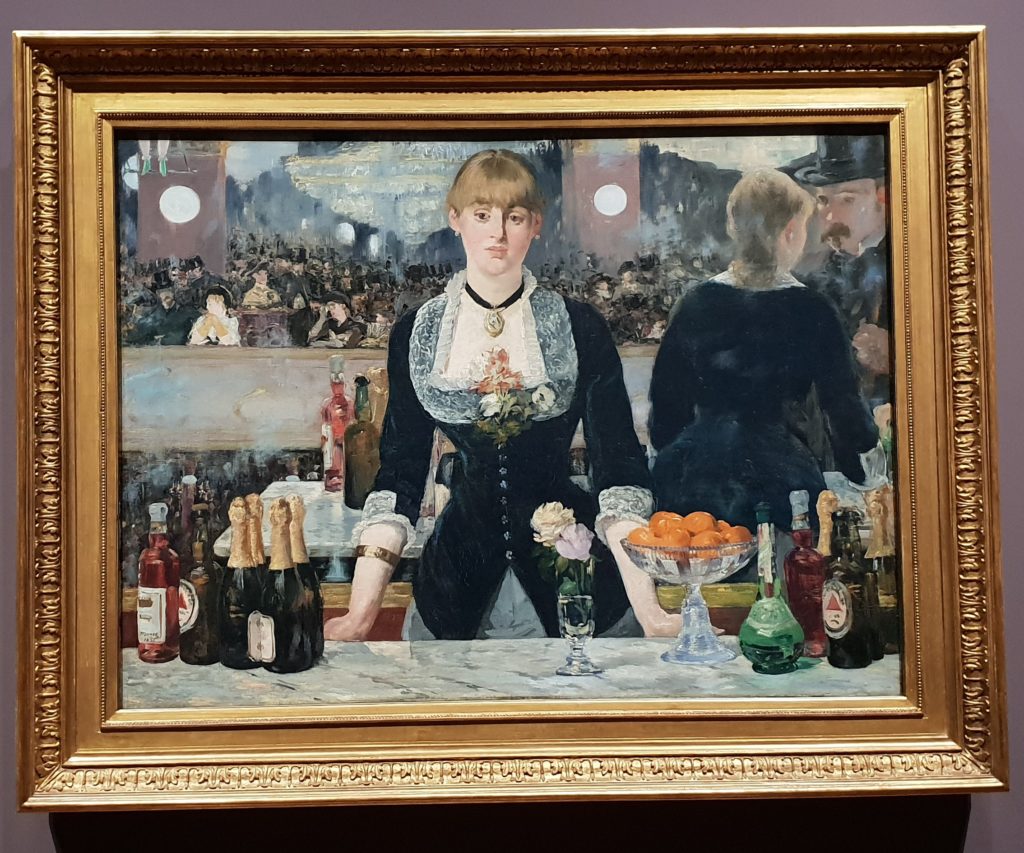
The fact that Manet’s and Monet’s paintings hang next to each other is interesting. Either an ironic joke at the expense of people who mix those painters up. Or an attempt to educate them once and for all. So that never ever again a Manet is confused with Monet!
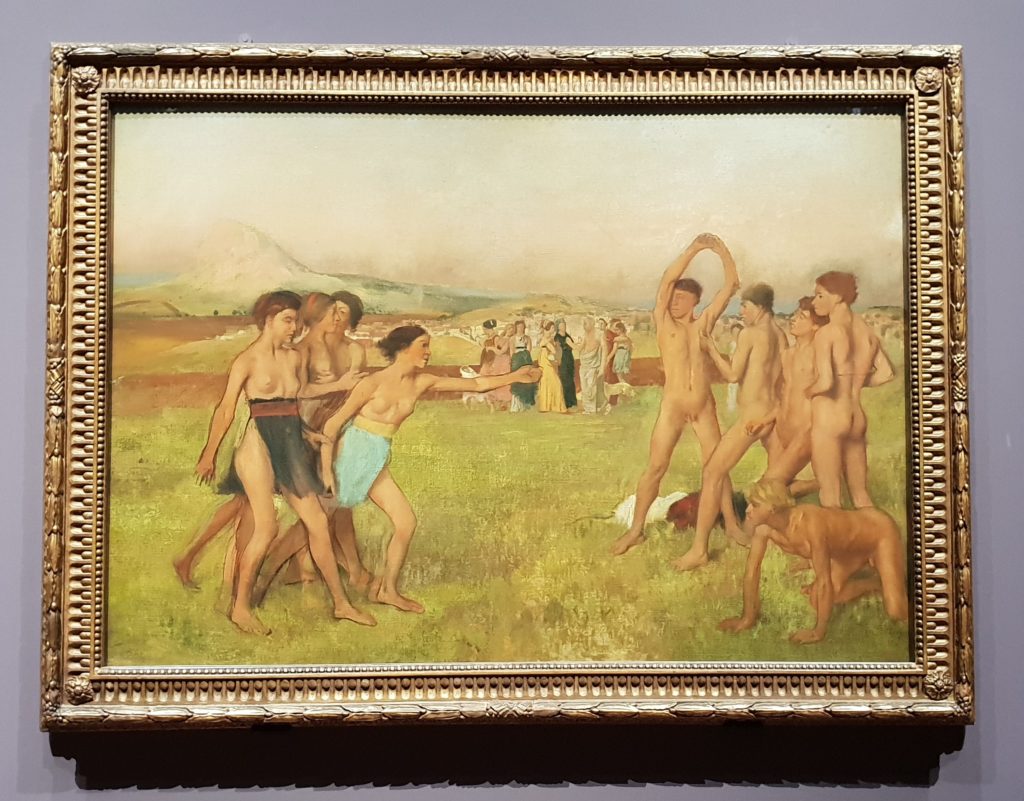
Some of the painters were represented by their most typical work, others through works that stand out from their oeuvre. This work of Edgar Degas is very different from the ballet dancers he is mostly associated with. A strong and simple composition, so full of clarity and discipline.
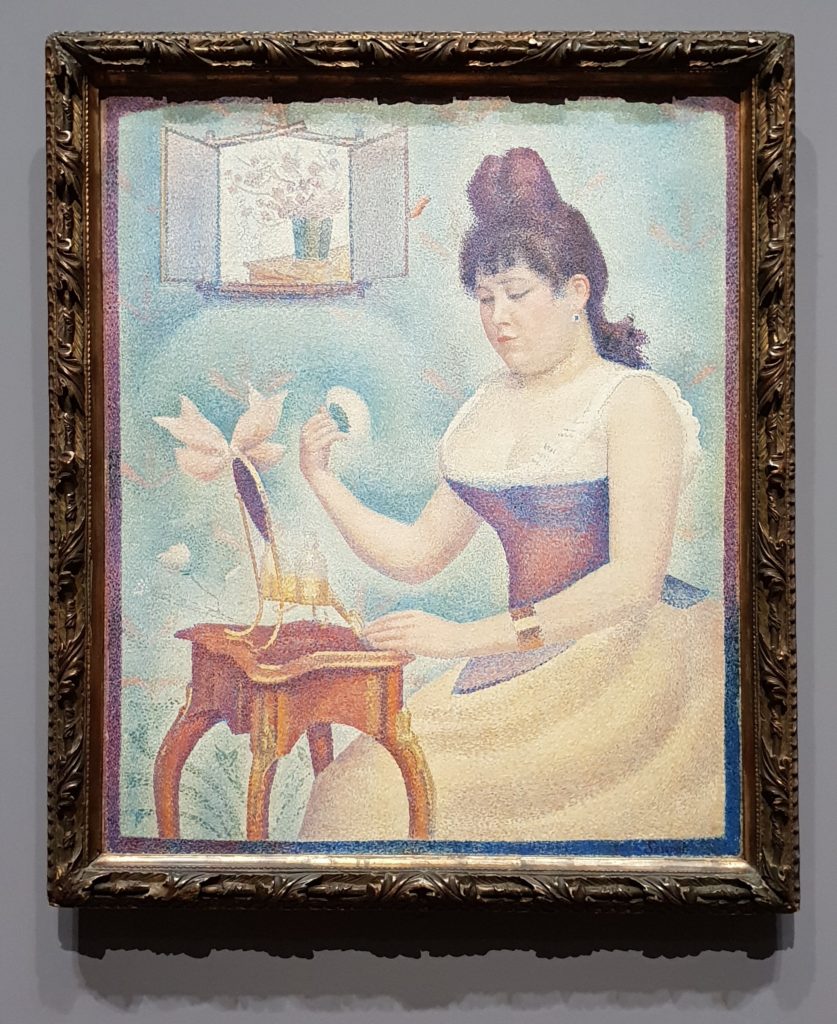
I was blown away by Georges Seurat’s Young Woman Powdering Herself. Right next to it were a lot more well-known Bathers at Asnières. But the young woman was so full of charm that I could not stop looking at her. It is a good chance to discover some of the lesser-known works of those artists.
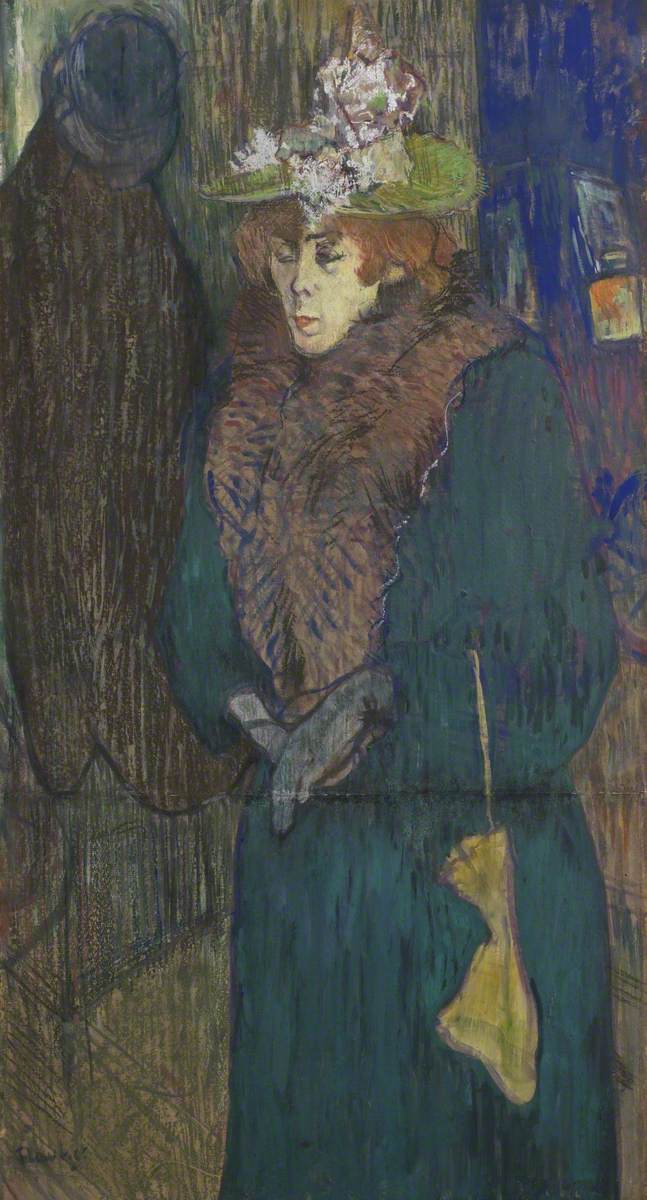
Jane Avril, famous from Henri Toulouse-Lautrec posters, is shown here not in her scene persona, but outside of Moulin Rouge. The painting is very different from the typically loud and full of warm colours posters created by this artist. It’s almost as if it tried to highlight how very different real life is from the stage. All the way to a complete change of the colour palette.
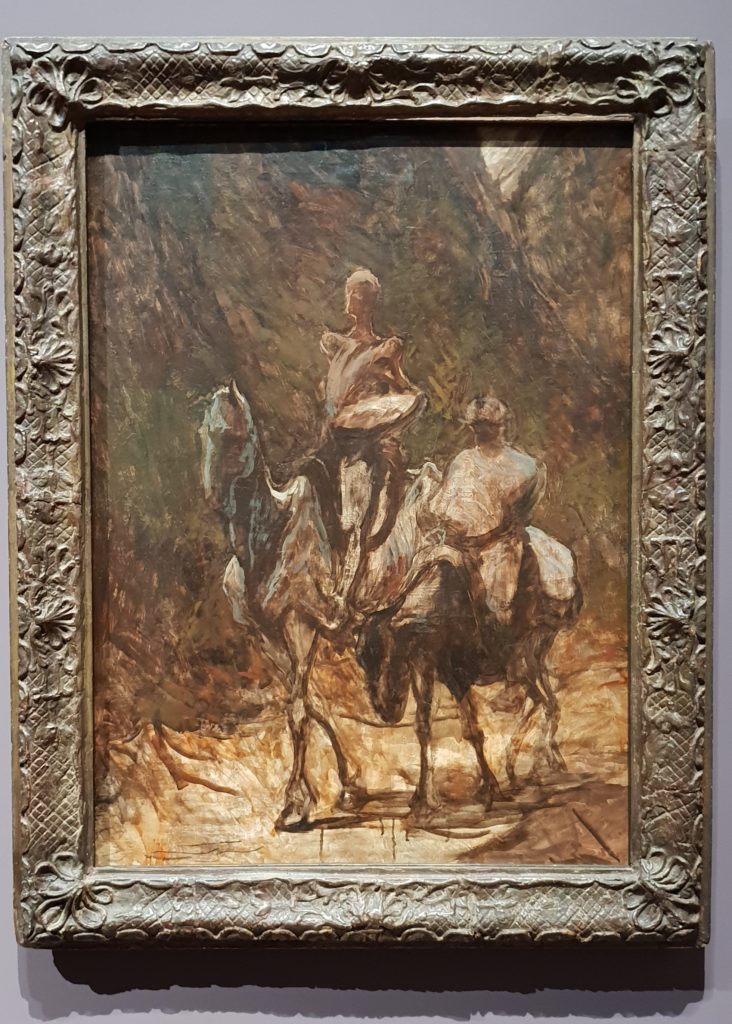
Daumier, typically associated with his prints and drawings, here had a chance to show his painter’s skills. His palette was dark, and his paintings focused on reflecting the atmosphere more than anything else. It is interesting to observe how different medium of expression impacts his work.
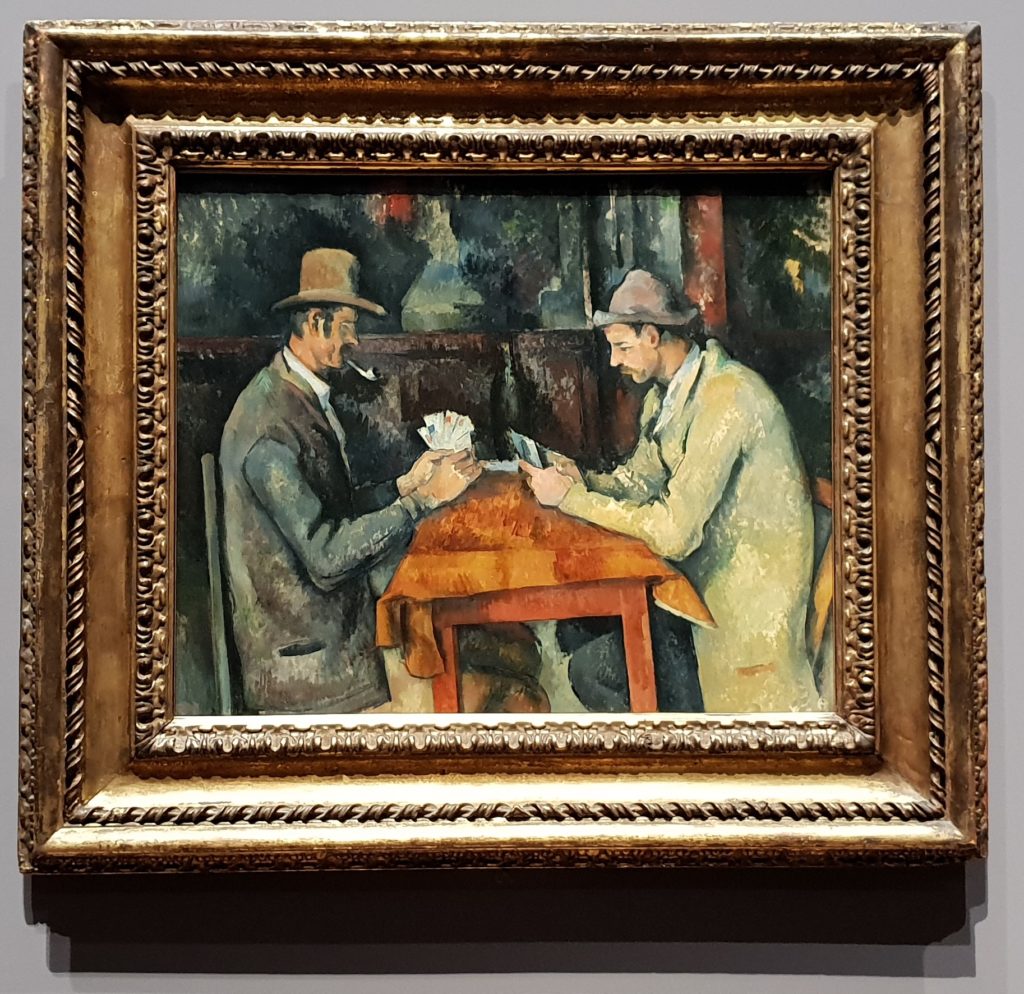
Cézanne was quite well represented; there were a few of his still lives and several landscapes. They all give us a great sense of his focus on structure, but nothing drives it home like this painting. It shows he was a painter consistent in his explorations, but not limited by them.
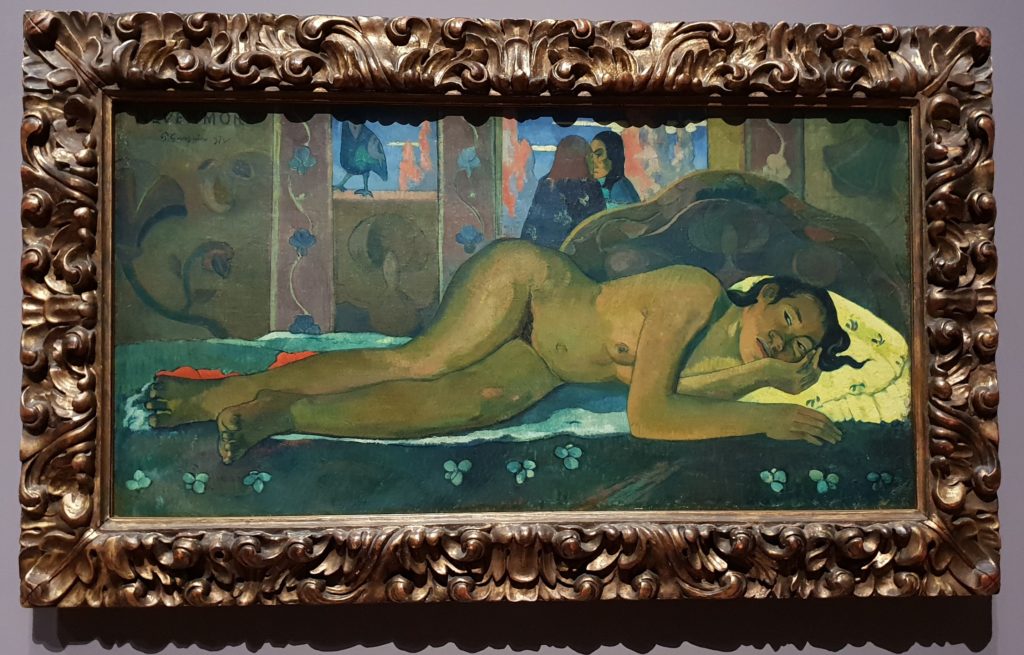
As you scroll through this article, you will notice that there are quite a few paintings of women. They all seem very focused, introspective, and detached. Even when they look straight at the viewer, they seem not to connect with us. As if they are occupied by their own internal struggle and problems. It is a pity that no woman painters were represented in the exhibition.
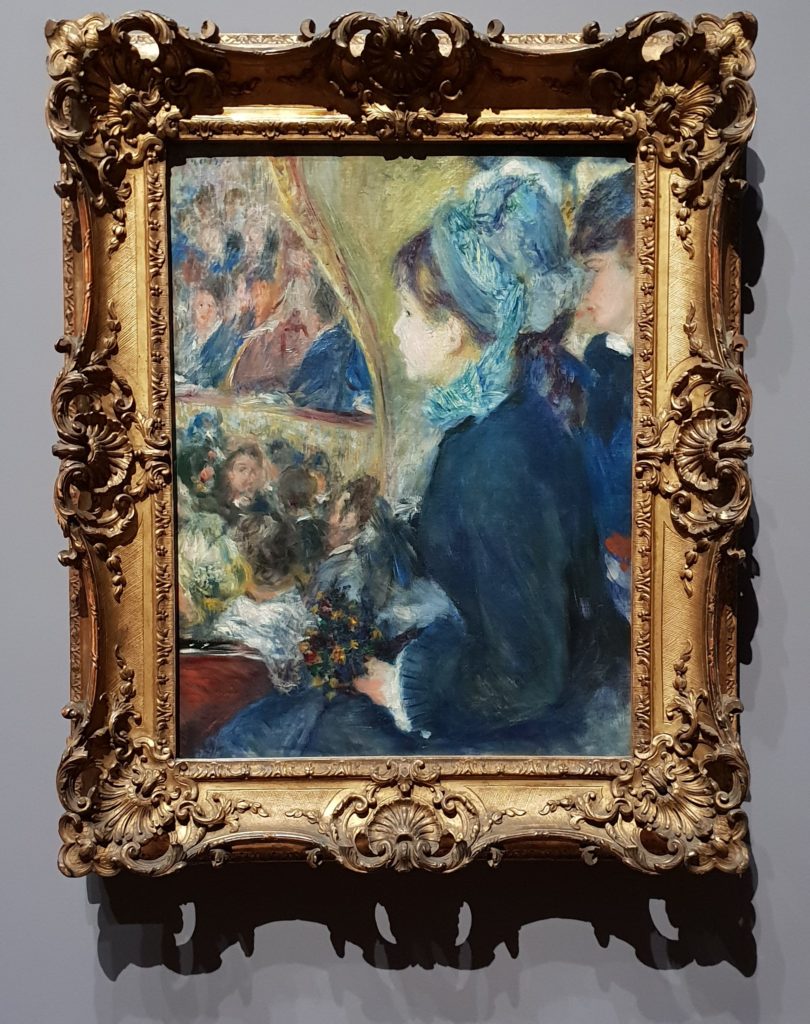
Impressionists were often inspired by photography. This painting is a clear example of this trend. Clearly, it is captured like a photo frame, with the feeling of being transient and unfinished. Just snapped and captured in the moment, an ambition that Impressionism shared with photography.
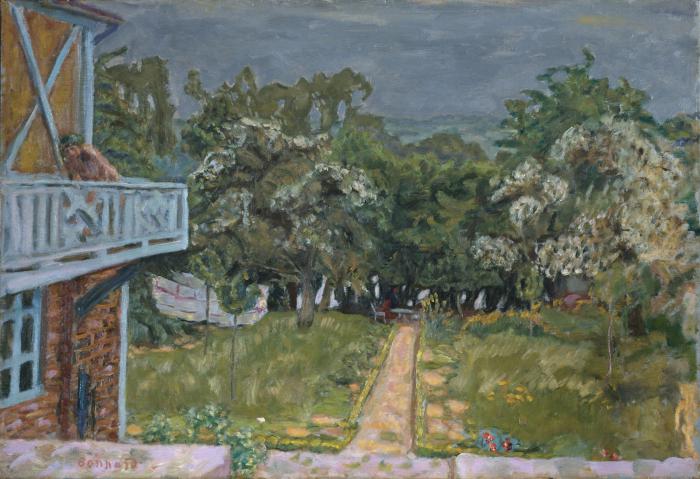
The exhibition had its highlights, but it also had its worst moments. For example, I was not convinced by Pierre Bonnard’s works selected. They felt like they did not meet the mark set by the other painters. Nor did they tell me anything new about Bonnard as a painter.
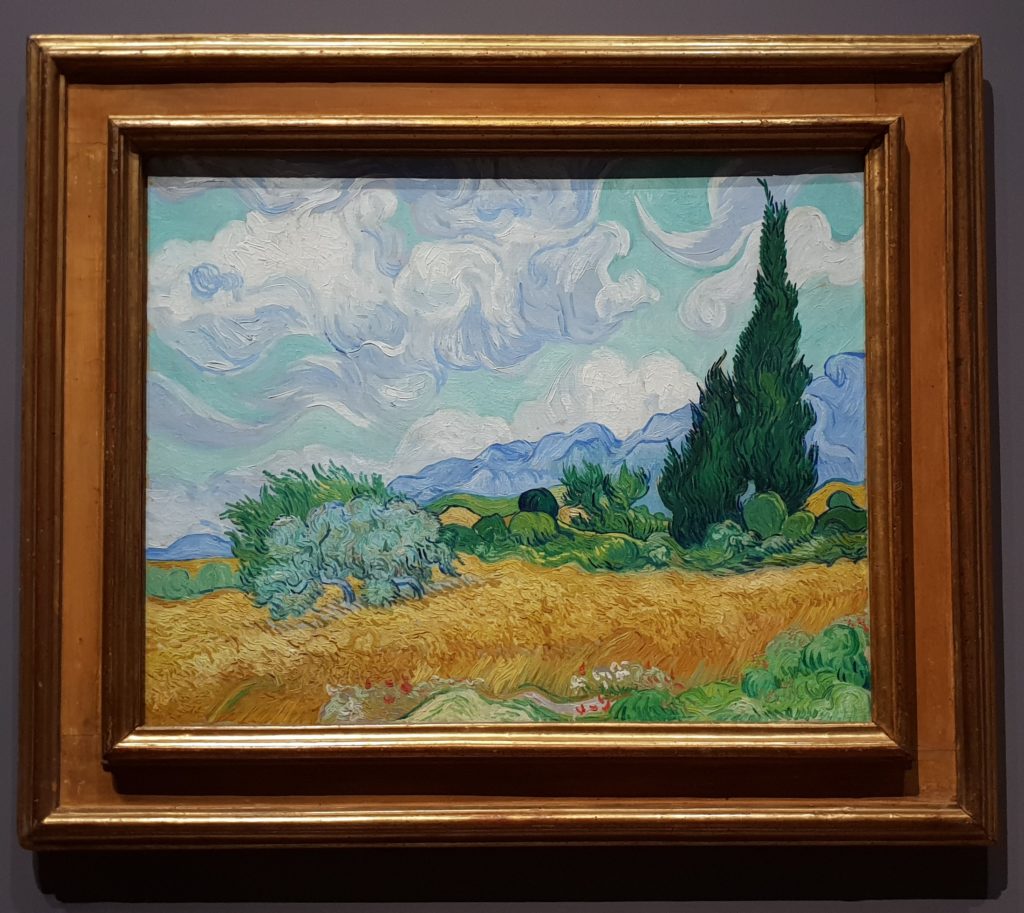
Yet, it only took a few steps to allow our eyes to rest on true masterpieces. This was the main charm of this show; it was like a box of chocolates, compact and varied, and most of them very, very tasty. It did not aim to change our ideas about Impressionists and Post-Impressionists. Rather, it makes sure we’re acquainted with them and with Samuel Courtauld, without whose passion for art those paintings would never be brought together in the United Kingdom.
Get your daily dose of art
Click and follow us on Google News to stay updated all the time

DailyArt Magazine needs your support. Every contribution, however big or small, is very valuable for our future. Thanks to it, we will be able to sustain and grow the Magazine. Thank you for your help!

Art historian by education, data geek by trade, art and book lover by passion, based in London in love with Europe and traveling around it. You can visit my book blog here: https://bookskeptic.com/
How does anyone begin to navigate 5,000 years of global art without feeling instantly overwhelmed? Do not despair—DailyArt Magazine has you...
MJ Rivera 9 March 2026
The Grand Egyptian Museum (GEM) in Cairo, Egypt, which opened its doors on November 4, 2025, represents one of the most significant milestones in the...
Maya M. Tola 12 February 2026
What makes a work of modern art stay with us long after we leave the museum? Sometimes it is a detail, sometimes a mood, sometimes a feeling that...
Gabriela Boryszewska 2 February 2026
The new European Art Gallery at the National Museum in Kraków invites visitors to embark on a captivating journey through eight centuries of...
Gabriela Boryszewska 4 December 2025