

Must-See Exhibitions Fall 2026
Wherever you are in Europe or the United States this fall 2026, there are great exhibitions to visit. From anniversary blockbusters to intimate focus...
Catriona Miller 25 September 2026
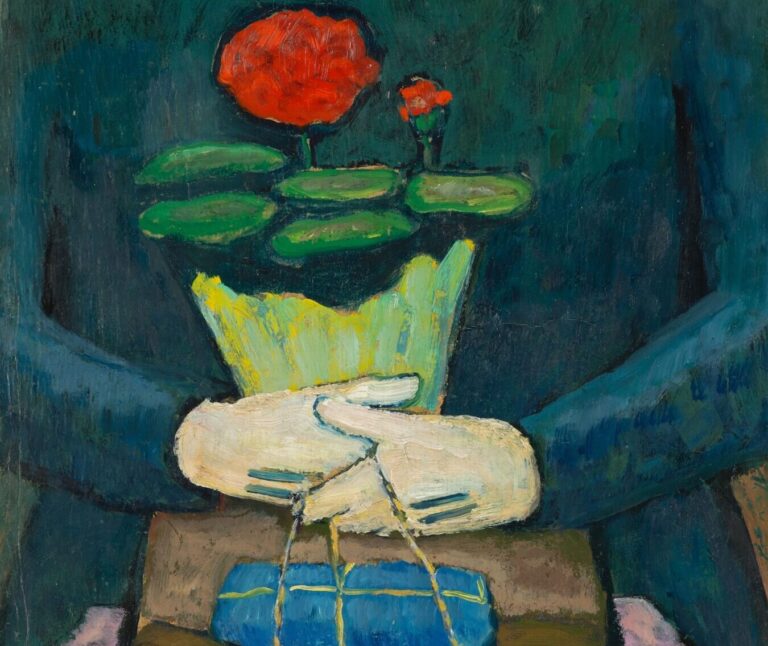
Gabriele Münter, Still Life on the Tram (After Shopping), c. 1909–1912, The Gabriele Münter and Johannes Eichner Foundation, Munich, Germany. Detail.
It might be cold and grey outside, but you can head into a museum and find sunshine and summer, color, and beauty. Here are some of the best exhibitions showing in the UK, USA, and Europe this winter.

Jacques-Louis David, Death of Marat, 1793, Royal Museums of Fine Arts of Belgium, Brussels, Belgium.
It is the 200th anniversary of David’s death this year, and the Louvre is hosting a major commemorative exhibition. The museum already owns many of the artist’s most famous works, but it also boasts impressive loans, such as the Death of Marat. David’s work is often presented as the ultimate in serious and rational Neoclassicism, but the curators here highlight its emotion and intensity.
There is certainly nothing boring about an artist who was at the forefront of French revolutionary politics, fell for the romantic glamour of the young Napoleon, and became his chief propagandist, only to end his life in disillusioned exile. The exhibition is an epic journey, told through some truly epic art.
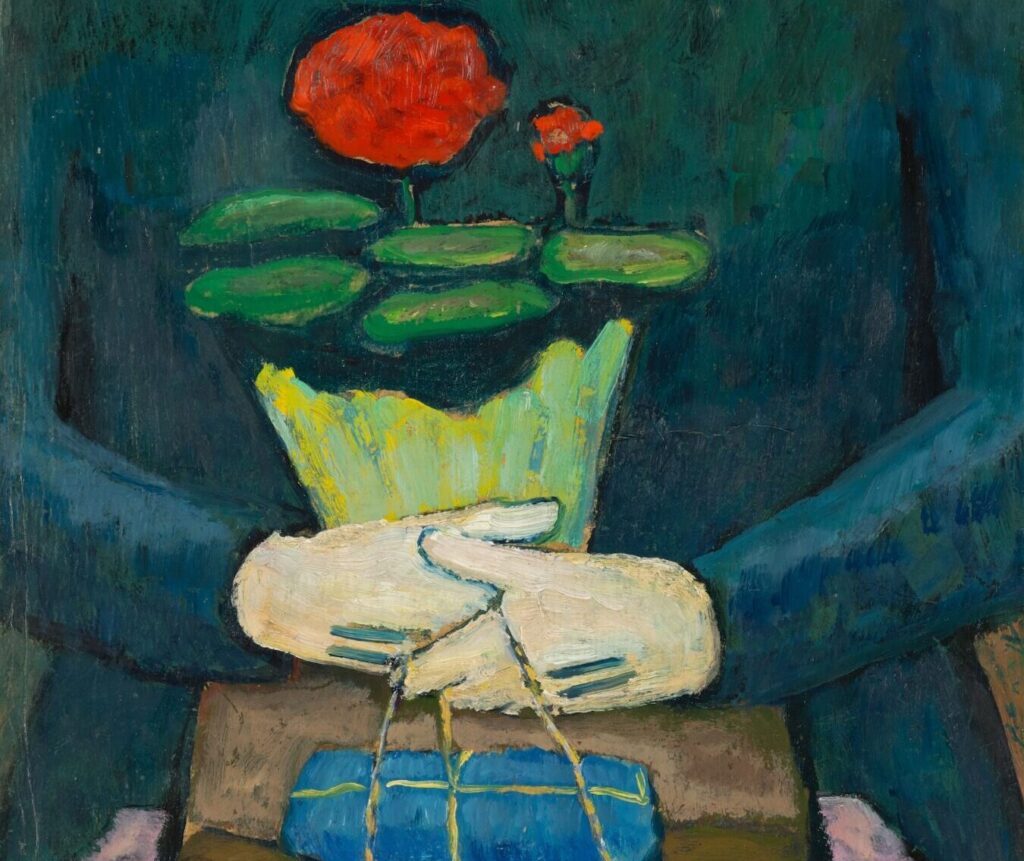
Gabriele Münter, Still Life on the Tram (After Shopping), c. 1909–1912, The Gabriele Münter and Johannes Eichner Foundation, Munich, Germany.
Surprisingly, this marks Gabriele Münter’s first New York museum exhibition, despite her receiving significant attention in recent years. Münter, who was long viewed simply as Kandinsky’s partner, is now given a pivotal role in the development of German Expressionism in the early years of the 20th century.
This exhibition looks at her formative years visiting the United States, where she developed a love of photography. It also takes the story beyond the Der Blaue Reiter, through the First World War, much of which she spent in Scandinavia. Münter’s work remained resolutely representational. It is all about bold color and, as the exhibition title suggests, strong contours. These are paintings that make an impact and stay in your mind.
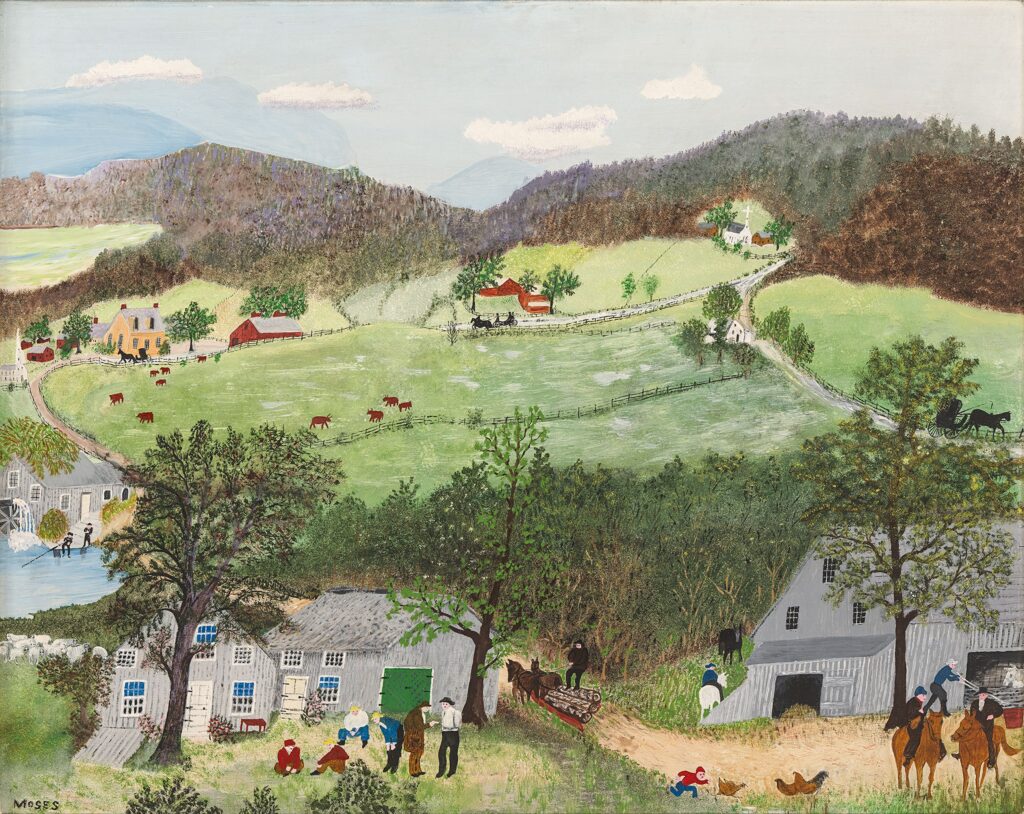
Grandma Moses, We Are Resting, 1951, Smithsonian American Art Museum, Washington, DC, USA.
Anna Mary Robertson, better known as Grandma Moses, was a self-taught artist who came to embody the values of rural America in the first half of the 20th century. Her primarily folk style and images of everyday life seemed a down-to-earth and democratic alternative to modernist abstraction. Her own life, which began during the presidency of Abraham Lincoln and ended at the height of the Cold War, spanned the development of modern America.
The Smithsonian has collected a significant body of 33 of her paintings, supplemented with loans to create a 30-year survey of over 80 works, as well as photographs and personal items. Robertson was often ridiculed by the art world during her lifetime; here, the curators want to present her as a serious and complex artist. The exhibition will travel to Crystal Bridges in Bentonville, AR, USA, later in 2026.
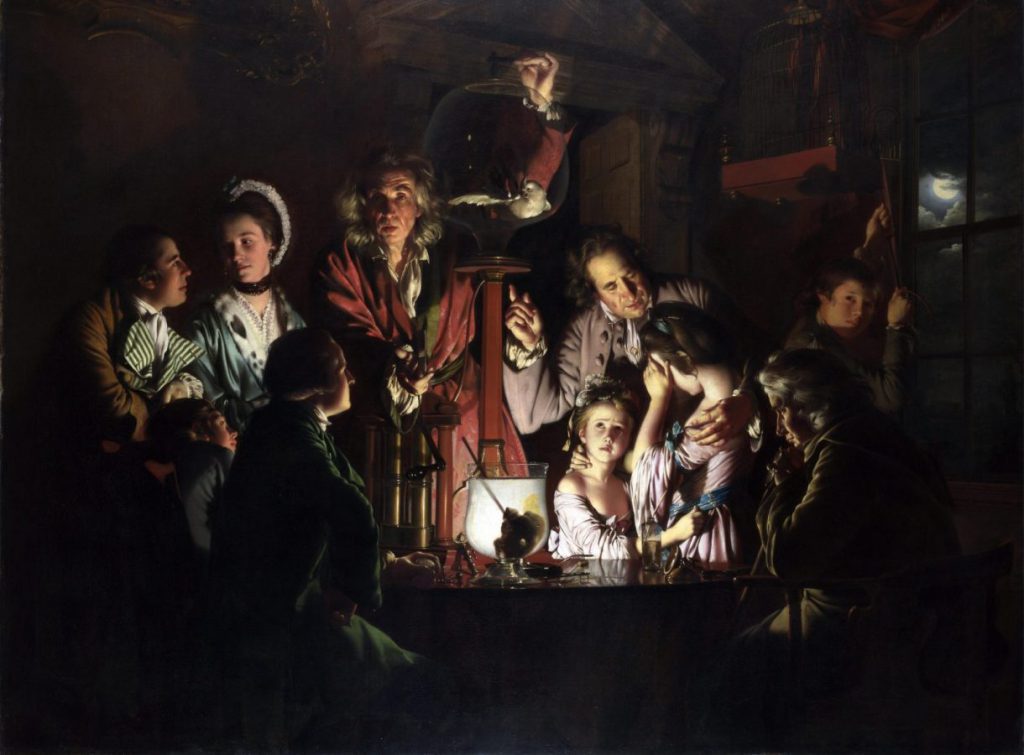
Joseph Wright of Derby, An Experiment on a Bird in an Air Pump, 1768, National Gallery, London, UK.
Arguably, Joseph Wright deserves a bigger exhibition than this 10-painting show at the National Gallery, which reunites his two most famous works, the An Experiment on a Bird in the Air Pump and A Philosopher Lecturing on the Orrery. Together, they ensure that Wright is the artistic embodiment of the Enlightenment, portraying the wonders and mysteries of science. They also exemplify his fascination with light, seen in moonlight and candlelight scenes, as well as industrial furnaces and forges.
Wright was a dedicated observer of people and nature. He made a good living as a portraitist, and he painted landscapes into many of his works, like the Earthstopper on the Banks of the Derwent. In the end, however, it is his dramatic use of light and shade that makes his work so compellingly evocative and powerful.
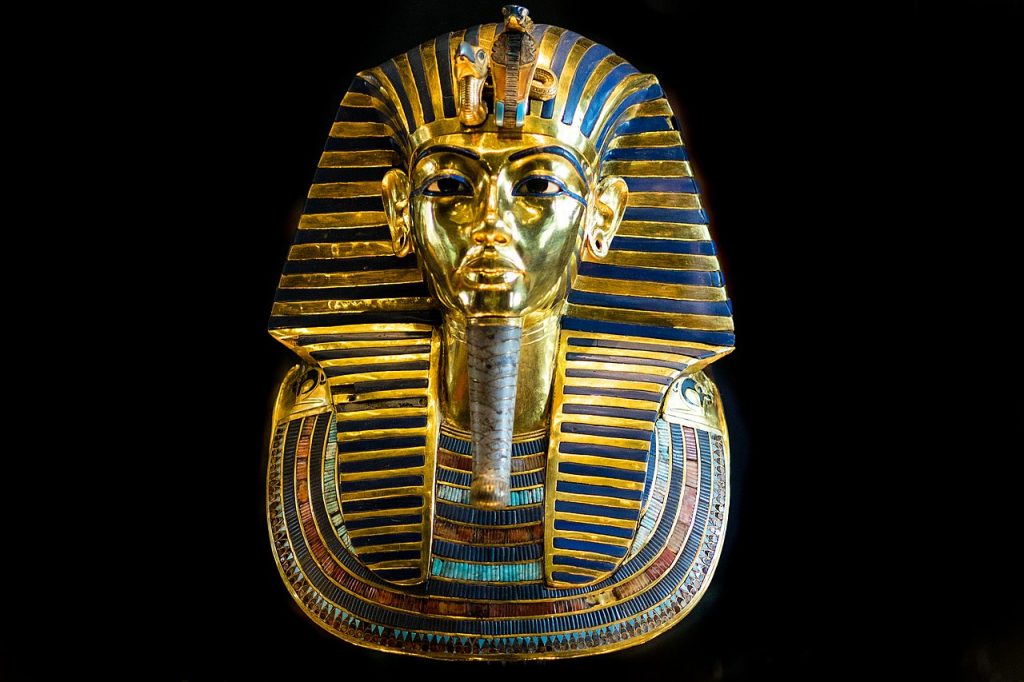
Funerary mask of Tutankhamun, c. 1323 BCE, Grand Egyptian Museum, Giza, Egypt.
Not technically an exhibition, but the world has waited a long time for the full opening of Egypt’s new mega-museum, and it is finally here! Built on a huge site close to the famous pyramids at Giza, which are visible from within the glass-fronted main atrium, this aims to be not just a showcase for the art and culture of ancient Egypt but a world-renowned center of scholarship.
The official opening of the GEM took place on November 1, 2025, marking the final phase, which involved moving some 5,000 objects associated with Tutankhamun from their previous home in Cairo. The ambition of this project is staggering: a floor area of 81,000 square meters, 20,000 objects never previously displayed, and a cost of around $1 billion.
If you can’t get to the land of the pharaohs itself, New York’s Met is showing Divine Egypt (until January 11, 2026): 250 artworks from collections worldwide. On a smaller scale, the Fitzwilliam Museum in Cambridge, UK, has a ground-breaking exhibition which focuses on the usually anonymous and ignored Egyptian craftsmen.
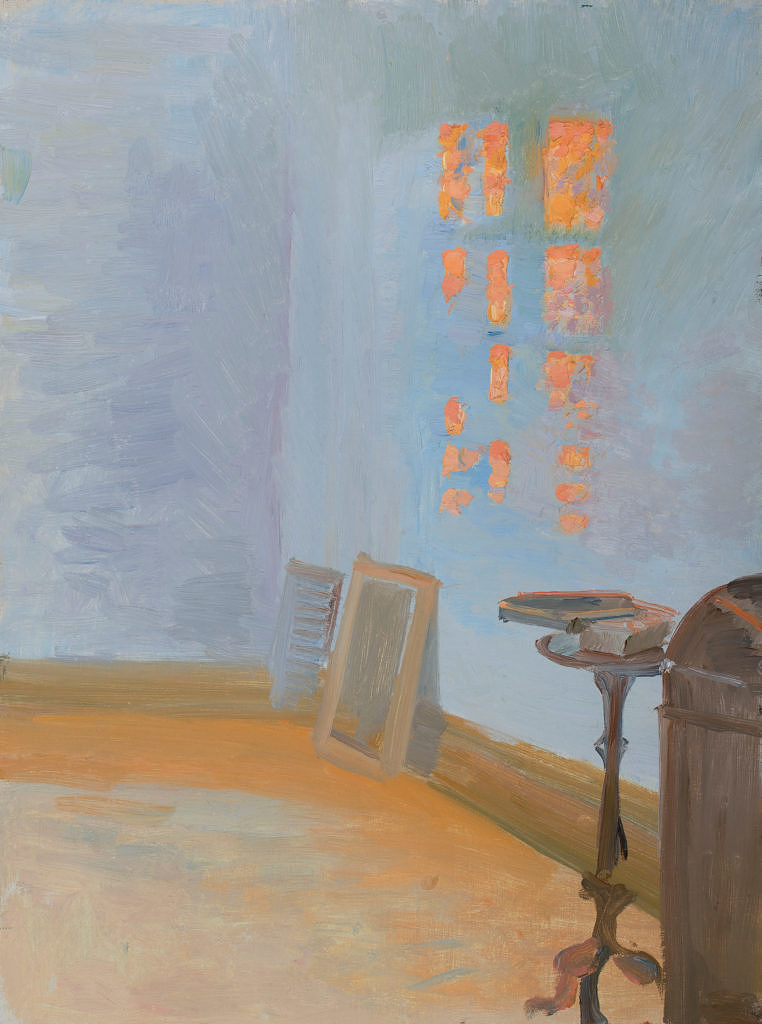
Anna Ancher, Evening Sun in the Artist’s Studio at Markvej, after 1913, Skagens Museum, Skagen, Denmark.
Anne Ancher is not well-known outside of her native Denmark, and this is the first UK exhibition of her work. The only member of the Skagen “colony” of artists to have actually grown up there, Ancher painted the landscapes and people of the small coastal community at the northern tip of Denmark. Skagen attracted artists in part because of the clarity of its light, and Ancher exploits this, particularly in her interiors. Sunbeams on walls and illuminated windows give everyday subjects a magical, sometimes semi-abstracted quality.
From empty corners of her own studio to more conventional landscapes and ambitious group subjects like A Field Sermon, Ancher shows a lost world of rural isolation and labor. The exhibition also features works by four of her female contemporaries—Marie Luplau, Emilie Mundt, Marie Sandholdt, and Louise Bonfils.
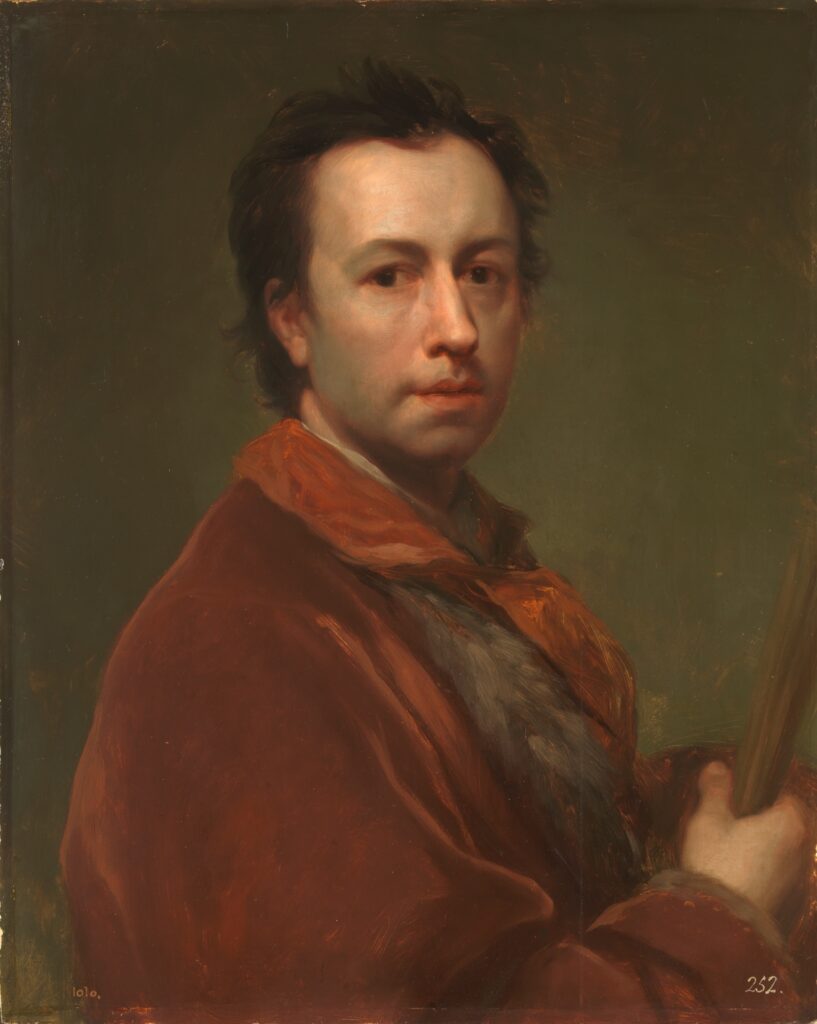
Anton Raphael Mengs, Self-portrait, c. 1761–1769, Museo del Prado, Madrid, Spain.
The Museo del Prado is very good at putting on scholarly exhibitions that shed new light on often unfashionable artists. Mengs is not a household name today, despite being one during his own lifetime. His cosmopolitan career exemplifies the pan-European world of 18th-century Neoclassicism: he was born in Germany, died in Rome, and worked everywhere, including Spain.
This winter exhibition promises the full range of his portraits, grand history paintings, and religious works, as well as drawings, prints, and sculpture. The museum has even managed to secure the loan of his Jupiter and Ganymede fresco from Rome, created to deliberately fool celebrated academic Johann Winckelmann into thinking it was an antique. If you like your exhibitions to inspire your mind as well as be a feast for your eyes, this is for you.
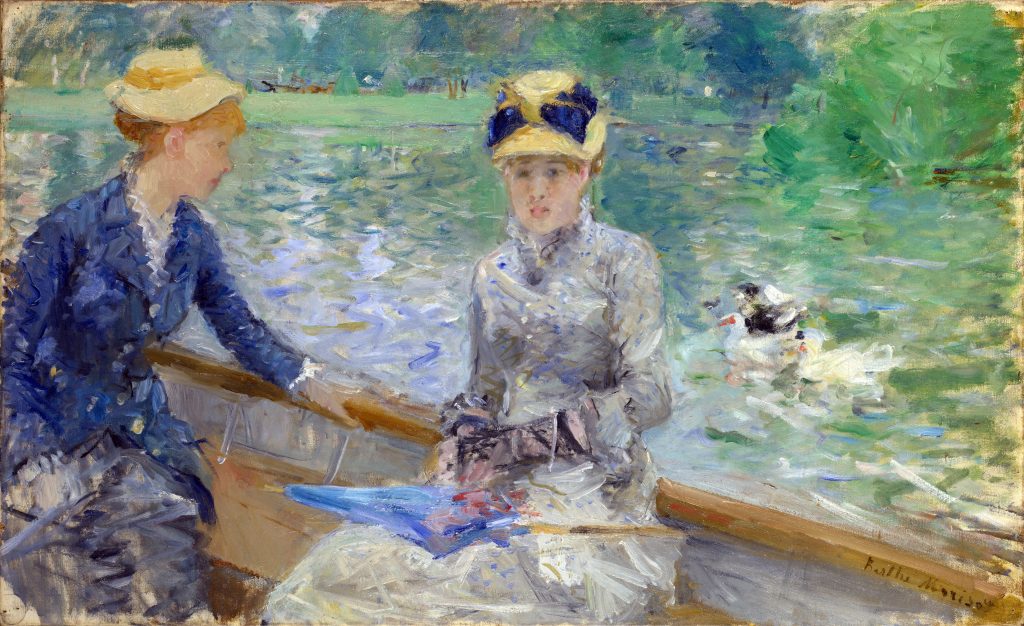
Berthe Morisot, Summer’s Day, 1878, National Gallery, London, UK.
Édouard Manet and Berthe Morisot enjoyed a long and complex artistic relationship, further strengthened by their family ties: Manet’s brother was married to Morisot. Traditionally, Manet was given the role of mentor and included portraits of Morisot in some of his works, notably the Balcony. However, as Morisot’s own work and important role within the Impressionist exhibitions has become better appreciated, the balance has shifted.
By showing the two artists side by side, the curators here aim to highlight mutual influences. The exhibition also builds on recent scholarship investigating the importance of Morisot’s subject matter and rapid, dashed brushwork on Manet’s late career. There are some very famous paintings on display, recast in the light of this fascinating relationship.
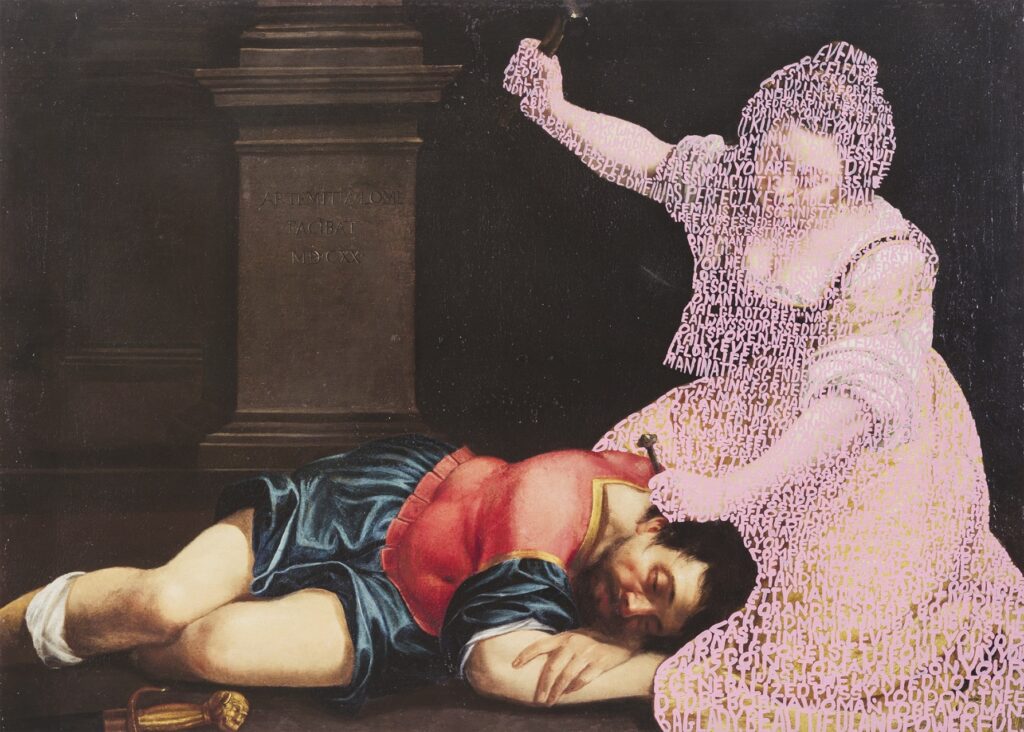
Betty Tompkins, Women Words Painting (Artemisia Gentileschi #2), 2024. Courtesy of the artist and P·P·O·W, New York, © Betty Tompkins. Photograph by Ian Edquist via museum’s website.
I am not sure we need any more women-only art exhibitions, but this is an intriguing survey. It takes its cue from Christine de Pizan’s influential 1405 Book of the City of Ladies, which was one of the first books to discuss the “women question”. Using a thematic approach, dividing the exhibition into “chapters”, the curators compare works across time, right up to the present day.
There are over 150 works, including big-name artists like Artemisia Gentileschi, Angelica Kauffman, Paula Modersohn-Becker, and Tracey Emin. These works are juxtaposed, and sometimes placed in direct dialogue, in sections ranging from self-portraiture and motherhood to “wartime women” and “femmes fortes”. And it is happening in the exciting new space of the Museum of Modern Art in Warsaw, which only opened last year.
This is just the tip of the best winter exhibition iceberg. Many of the shows in our fall round-up are still ongoing. Many more never get the attention they deserve. The truth is, there is art everywhere. Go search it out, it will always brighten your day!
DailyArt Magazine needs your support. Every contribution, however big or small, is very valuable for our future. Thanks to it, we will be able to sustain and grow the Magazine. Thank you for your help!

Catriona Miller is an art historian and freelance writer on art. Having studied at Oxford and St Andrews, she is currently researching issues of nationalism and identity in British landscape painting. She has taught art history and lectures on art history and art appreciation.

Univ. of New Orleans, Fine Arts and History; Fine Artist, Professional Graphic Designer, Art Historian, Historian, Musician, worked at the New Orleans Museum of Art and MS Museum of Art; learning enthusiast!
Wherever you are in Europe or the United States this fall 2026, there are great exhibitions to visit. From anniversary blockbusters to intimate focus...
Catriona Miller 25 September 2026
How well do you know art from around the world? Anthropeum turns exploring the Met’s digital collection into a daily guessing game, where players...
Bec Brownstone 24 August 2026
At DailyArt Magazine, we have assembled a carefully curated list of 10 must-see exhibitions across Europe and the United States this spring, from...
MJ Rivera 9 April 2026
As the art world turns the page on a new year, museums and galleries are unveiling a lineup that invites us into a season of bold visions, unexpected...
Natalia Iacobelli 15 January 2026