Familial Impressions
The daughter of a prominent art collector, Blanche Hoschedé-Monet grew up in the very midst of the Impressionist movement, surrounded by its revolutionary artists and ideas. In fact, it was her father who would purchase Claude Monet’s Impression, Sunrise (1872)—the painting that ultimately gave the Impressionist movement its name.
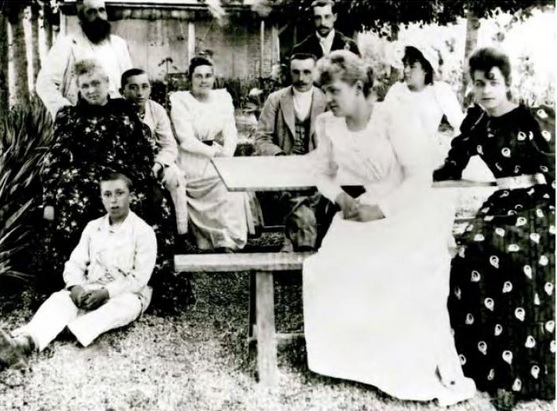
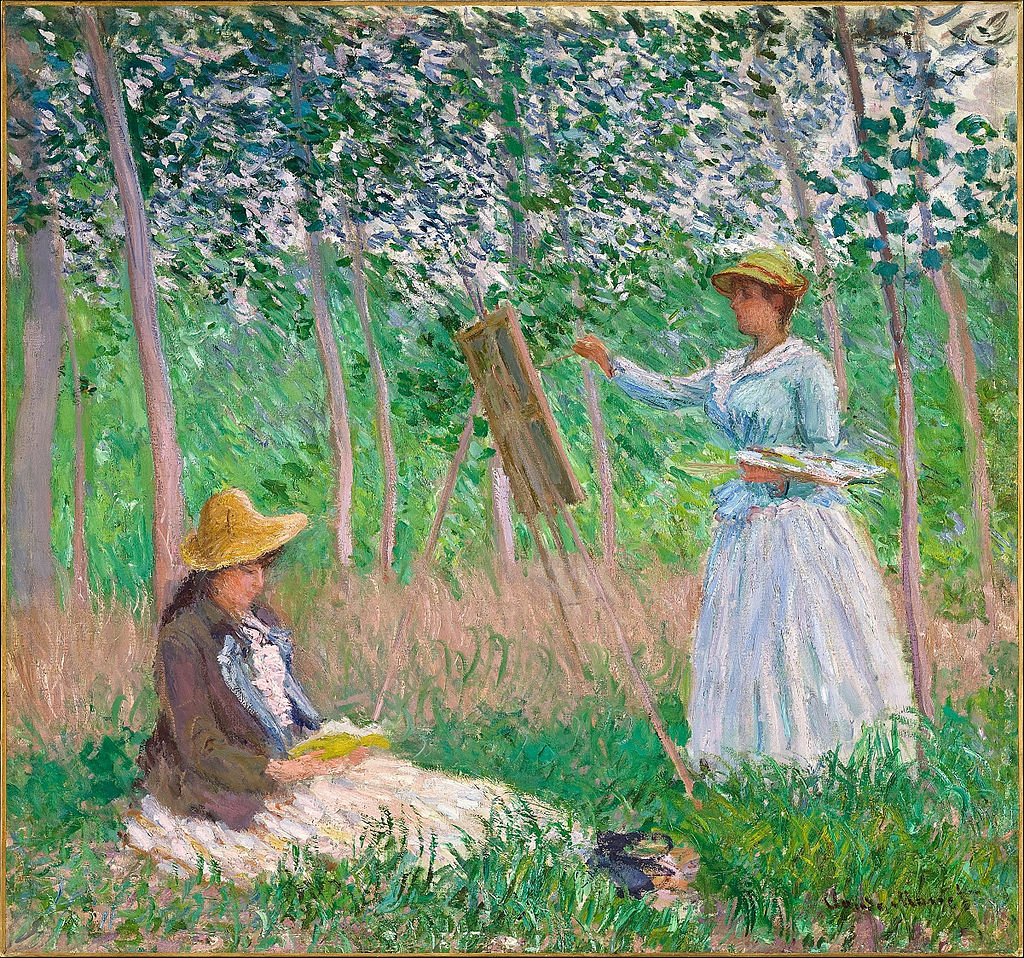
Often recognized as Monet’s stepdaughter (and subsequently daughter-in-law, after marrying his eldest son Jean), Hoschedé-Monet was a talented artist in her own right. She began painting at the age of 11 and developed a close relationship with Monet as the only one of his children to take up painting. By the time she was 17, she was Monet’s assistant and sole student. The two shared a passion for painting and could often be found working alongside one another en plein air (outdoors).
Hoschedé-Monet and her stepfather maintained a collaborative working relationship marked by ease and mutual regard. Instead of imitating one another, their works provide complementary perspectives, each distinct yet harmonious.
Haystacks, Gardens, Poplars, and Pines
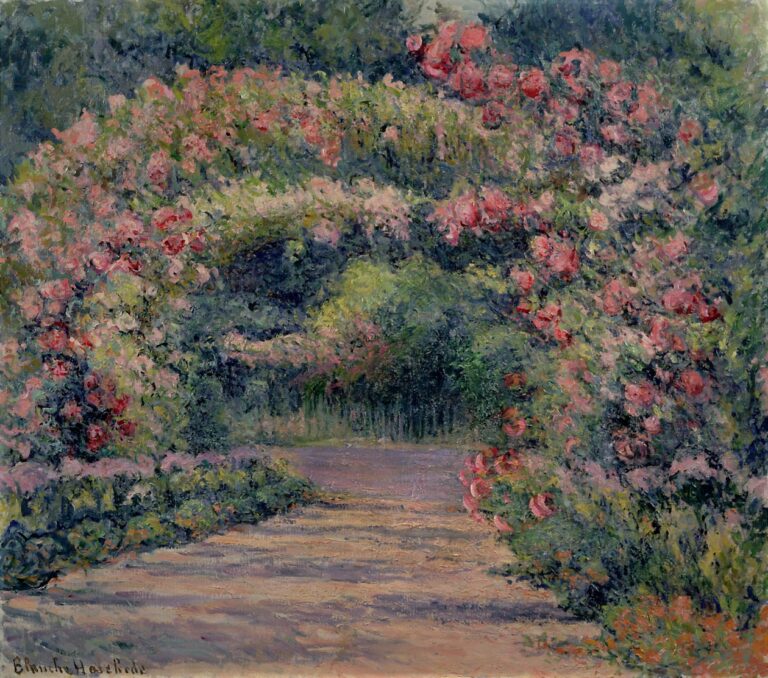
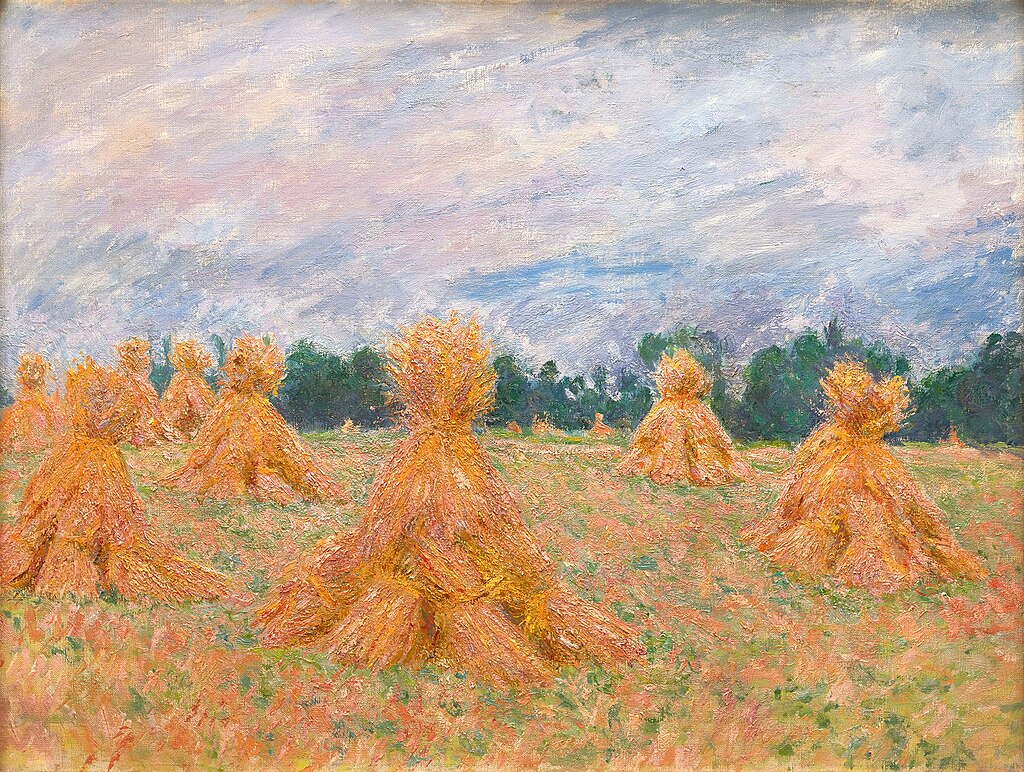
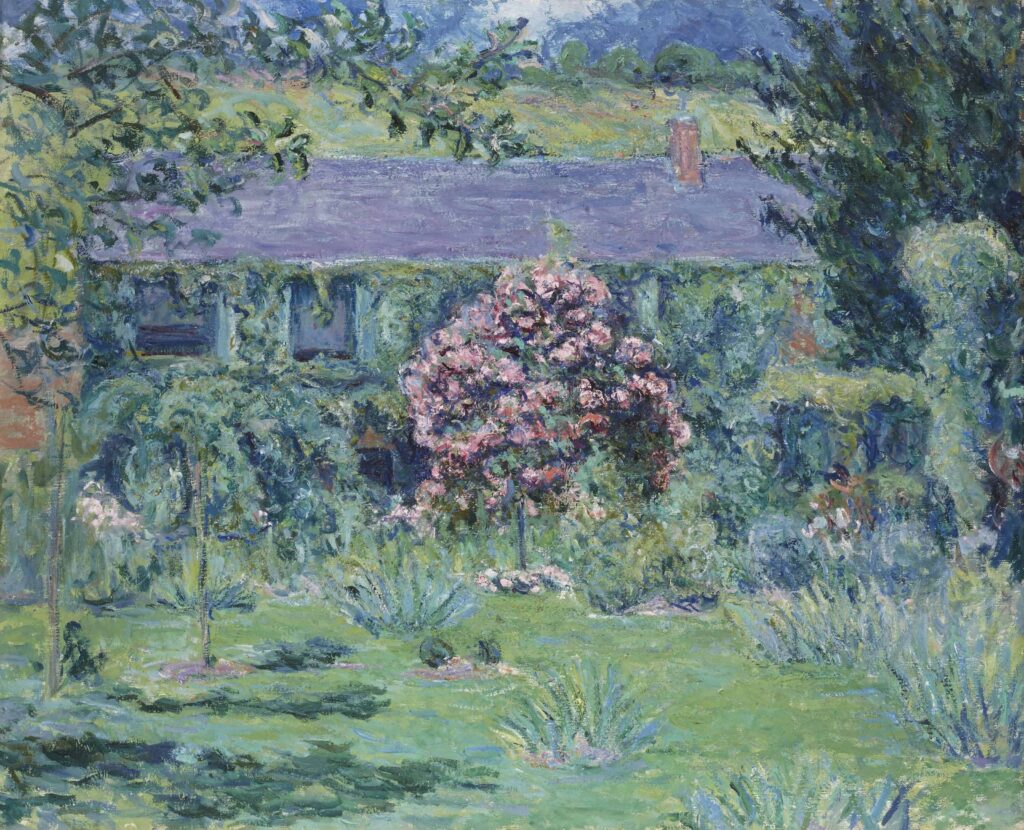
Hoschedé-Monet’s work offers a rare female perspective within Impressionism, capturing nature’s transient beauty with a refined, lyrical touch. Giverny provided an especially supportive environment for women artists, many of whom were making significant strides in education and gaining visibility through exhibitions at the time. Monet held Hoschedé-Monet in high esteem and valued her work, training her and encouraging her to submit her work to the Salon. Art dealer Paul Durand-Ruel purchased Haystack from Hoschedé-Monet, which currently hangs in Monet’s house in Giverny.
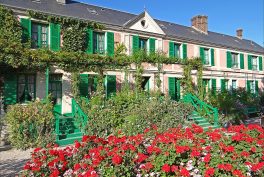
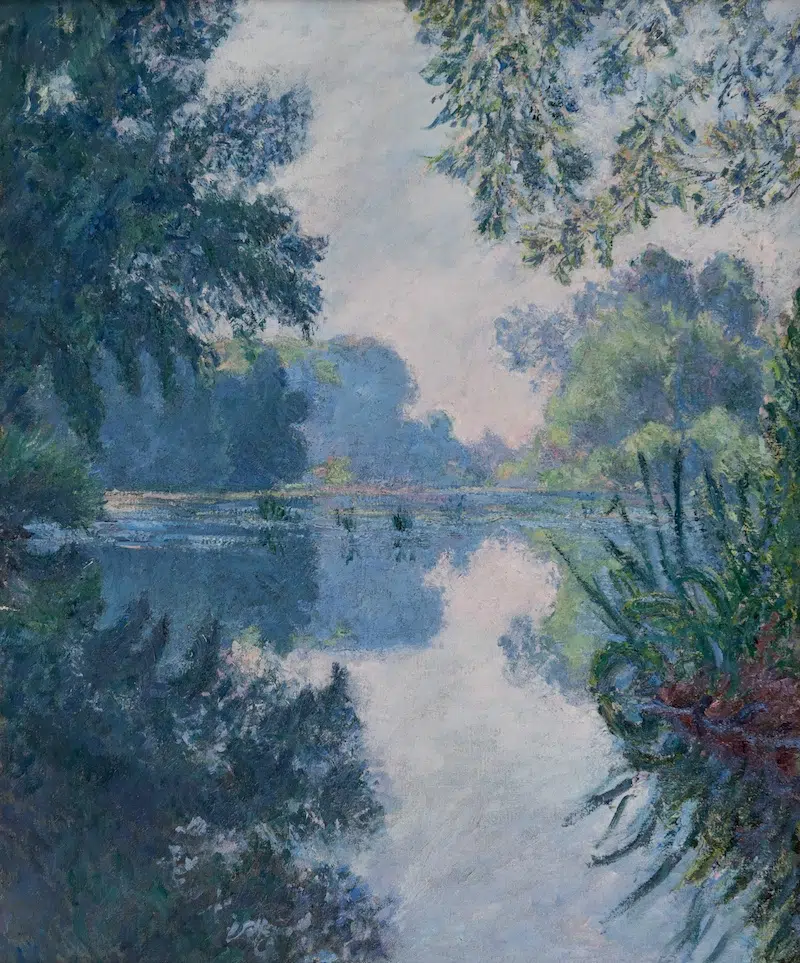
Haystacks, the garden at Giverny, views of the Seine, poplars, and pines—it is no surprise that these scenes would appear throughout Hoschedé-Monet’s oeuvre. The artistic partnership between Hoschedé-Monet and her stepfather was characterized by a spirit of collegiality and shared enthusiasm. Some scholars have even suggested that the brushstrokes of Hoschedé-Monet may be detectable beneath Monet’s layers of paint in his Water Lilies series.1
In Hoschedé-Monet’s biography, her brother, Jean-Pierre, describes her relationship with Monet, writing that “she helped him in all circumstances, whether in the studio or in the garden or accompanying him to various sites, transporting his canvases and easel as well as her own. She did it all with the help of a wheelbarrow, following elusive paths, across fields and meadows sometimes drenched in dew. That was the case, for example, with his morning views of the Seine. Here again, she would help her stepfather by taking up the oars of the canoe.”2
Monet’s Blue Angel
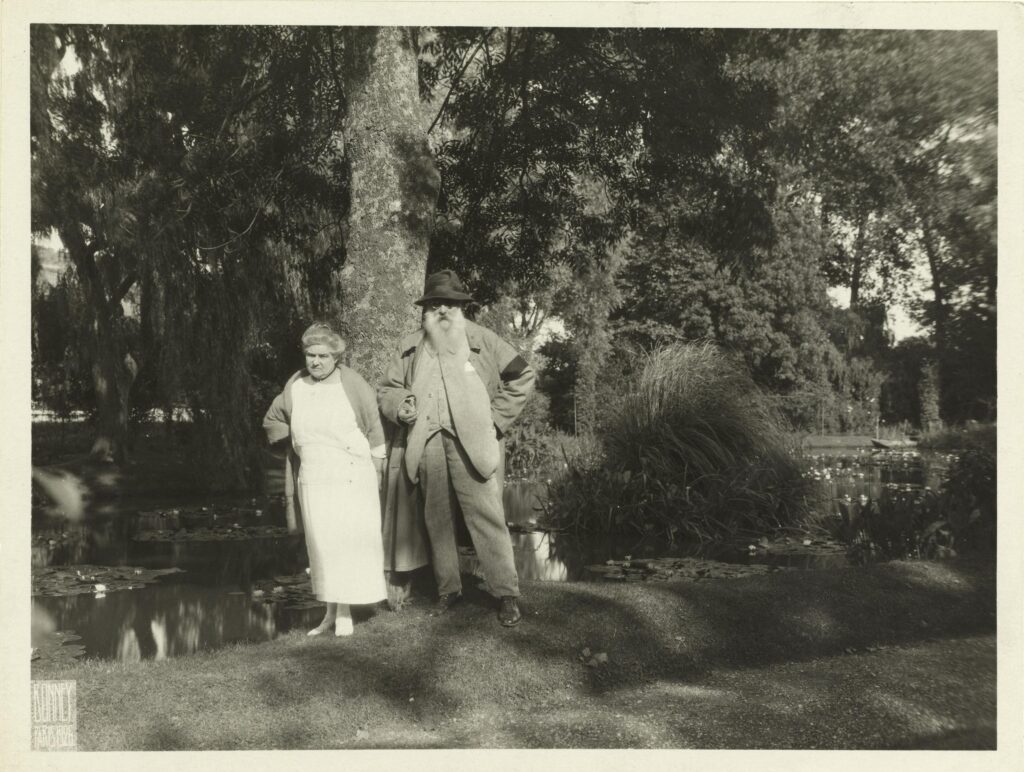
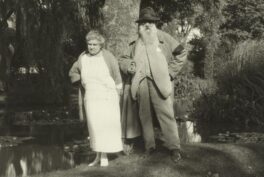
After the death of her mother in 1911 and her husband in 1914, Hoschedé-Monet took over the Monet household and lived with her stepfather. The passing of Monet’s wife marked a deeply unsettled chapter in his life, during which he contended with profound depression and vowed to stop painting. To make matters worse, he had begun to lose his eyesight. United in grief, Hoschedé-Monet remained by her stepfather’s side.
In fact, she became known as Monet’s “Blue Angel,” a term coined by their friend Georges Clemenceau to describe her steadfast care of him. In the words of Hoschedé-Monet’s brother, “You could say that Monet found the courage to survive and to live, and the strength to work, through the presence of the woman who became his devoted daughter, keeping his home intact, encouraging him to take up his painting tools again, receiving his friends as her mother had once done.”
After Monet’s death in 1926, Hoschedé-Monet remained in Giverny, where she managed the family estate and helped preserve his legacy. She continued to paint into the 20th century until her death at age 82.
Back In the Light
Throughout her life, Hoschedé-Monet produced an estimated 300 total artworks in the Impressionist style, the majority of which were completed in Normandy—the movement’s birthplace. She could often be found exploring the region and its landscapes, from the serene banks of the Seine to the rugged cliffs of the coastline. Despite living in the shadow of her stepfather, Hoschedé-Monet succeeded in leaving her own mark. Her first solo exhibition was held at the Bernheim Jeune in November 1927. A second solo show took place in 1931, further solidifying her reputation.
Hoschedé-Monet’s work recently received the critical recognition it merits with her first solo exhibition in North America. Presented by Indiana University’s Eskenazi Museum of Art, Blanche Hoschedé-Monet in the Light (which ran from February 14 to June 15, 2025) marked a major milestone for the artist’s legacy. Accompanying the exhibition was the first-ever English-language publication dedicated to Hoschedé-Monet’s work, representing a significant contribution to the field of Impressionist studies. Featuring more than 40 of her paintings, the exhibition highlighted both her deep connection to the style of her stepfather, and the distinct voice she developed through years of working beside him in her own quiet brilliance.
Hoschedé-Monet’s work is a compelling testament to the talent and dedication of a woman who emerged from the shadow of her mentor and devoted herself wholly to painting, ensuring the enduring influence of Impressionism.