


10 Places from Iconic Paintings to Visit in France
Visiting museums is great, but how about seeing places from iconic paintings in real life? France is one of the most depicted countries in the...
Kinga Dobosz 24 September 2026
Upper Silesia in Poland is a beautiful and extremely interesting off-the-beaten-track region to visit for its historic, natural, and cultural values. Here are five spots to visit to better understand the region’s history and its German-Polish heritage.
Modern day Poland’s Upper Silesia is a region with a rich and complex multicultural history. Silesians have their own culture with strong influences from German, Polish, Czech, and, indirectly, Austrian heritage. The region’s rulers varied throughout history, and new customs would be added, ultimately changing traditions. The region was shaped by migrations, and during the communist era, local culture was suppressed out of fear of separatist ideas. Today, Silesian culture is experiencing a revival. The Silesians fight for legal recognition of their language, and there is greater acceptance of their multicultural roots. Within the European Union, there are programs to restore the common heritage.
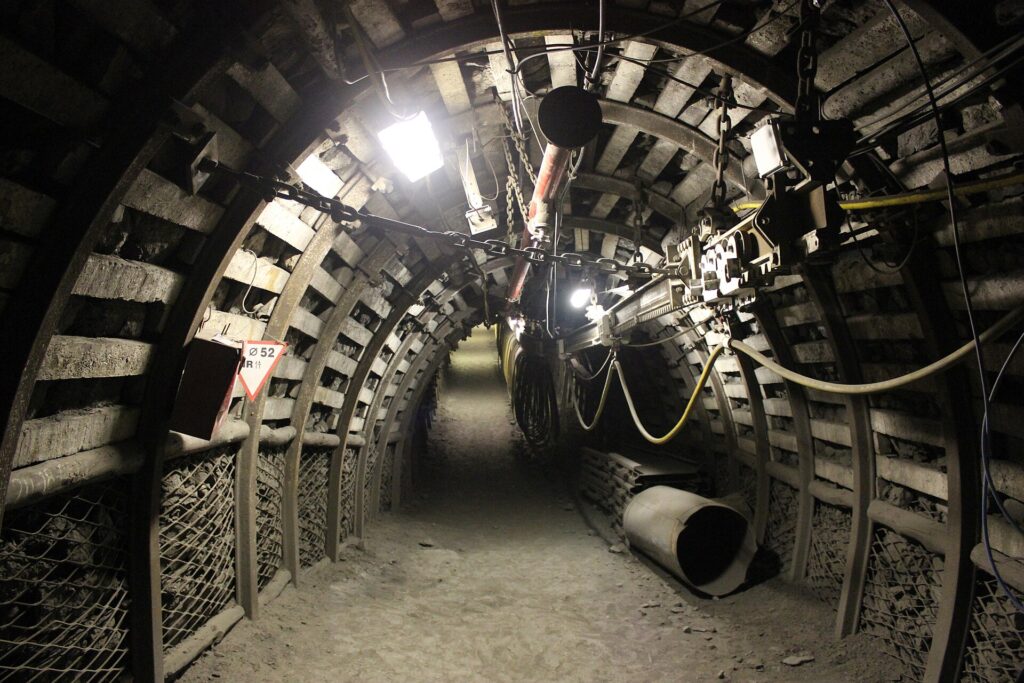
Guido Mine and Coal Mining Museum, Zabrze, Poland. Photograph by Andrzej Otrębski via Wikimedia Commons (CC BY-SA 4.0).
The Guido mine was established in 1855 by Guido Henckel von Donnersmarck and finally closed after over 100 years. Since 2007, it has been partially reopened as a museum listed by the European Route of Industrial Heritage. It is the deepest mine allowing visitors in Europe, with the underground museum 320 m beneath the surface. In addition to Polish, guided tours are available in English, German, and Czech. You can choose from a few adventurous trips on foot, by underground boat, and by mine railway. It combines fun, adrenaline, and history!
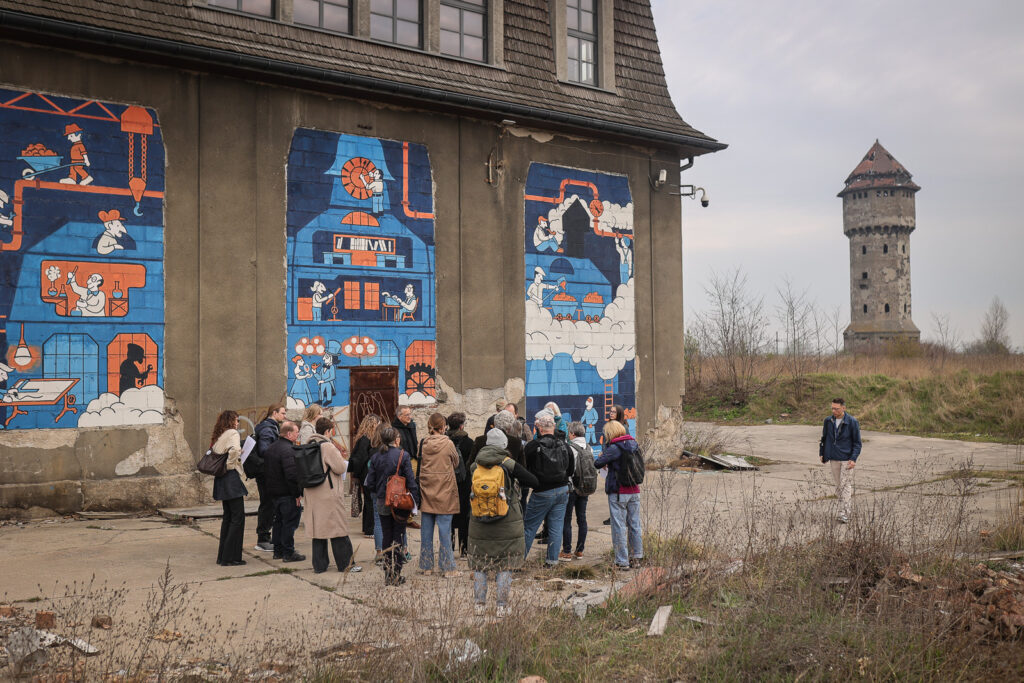
Mural by Dajse, 2022. Group of Polish and German journalists in front of the Szopienice mural at the zinc smelter “Uthemann”, Katowice, Poland. Photo by Tomasz Kaczor, 2026.
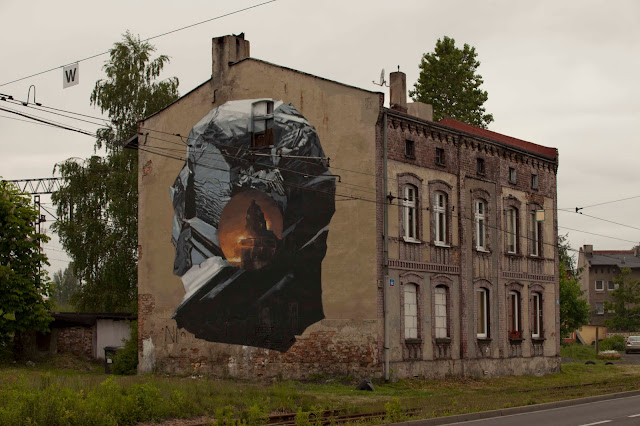
Axel Void, Mediocre series, 2015, Wiosny Ludów 62, Katowice, Poland. streetartnews.net.

Mural by Jerzy Rojkowski, 2011, tunel at Gwiazdy 1, Katowice, Poland. murale.katowice.eu.


The murals were made in 2022 on the almost only remaining building of the zinc smelter “Uthemann”. They commemorate works once undertaken in the smelter.
Axel Void is a highly prominent multimedia street artist and muralist known for his emotionally raw, narrative-driven public installations. For his Katowice mural, he chose Szopienice, a working-class neighborhood. The concept behind the mural talks about the dichotomy of things that can be both curative and harmful.
The mural is a part of the Secret Garden series and depicts Jerzy Kukuczka—a Polish mountaineer, regarded as one of the greatest high-altitude climbers in history.
Katowice is a city with compelling periods of Polish and German history. Contemporary Katowice is thriving, with revitalized industrial heritage and many places to visit-Silesian Museum is at the top, but searching for the murals is a modern way to enjoy the city’s artistic perspective. They are contemporary yet history-inspired and often of high artistic value. Check the interactive map and go for a hunt.
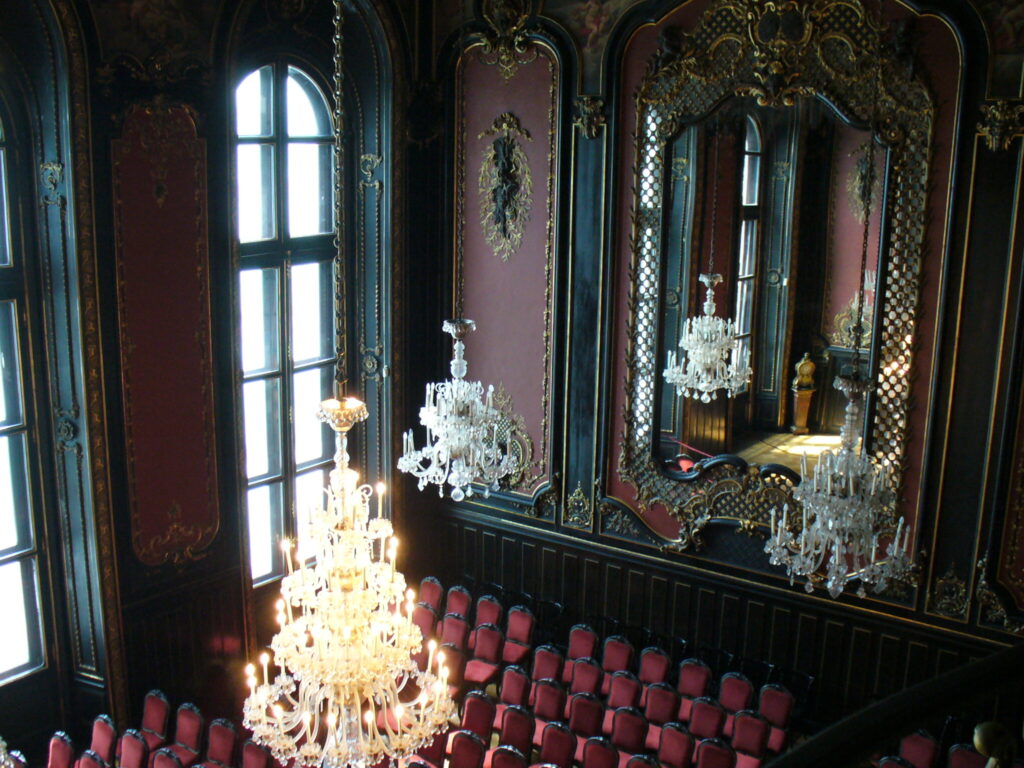
Mirror Hall in the Pszczyna Castle, Pszczyna, Poland. Photograph by Pudelek via Wikimedia Commons (CC BY-SA 2.5).
If you are a fan of romantic castles and palaces, you can’t miss the Pszczyna Castle. It is one of the Seven Architectural Wonders of the Silesian Voivodeship, and one of the most beautiful castle residences in Poland. Built in the 13th century, it was passed from family to family and underwent many reconstructions before finally being given the Classicist face by the Von Pless family. It was home to Princess Daisy, a renowned Edwardian beauty and fashion icon from Wales, and it served as the Emperor’s Headquarters and the General Staff of the German Army during the First World War. Today it’s a museum with breathtaking historic interiors awarded by Europa Nostra.
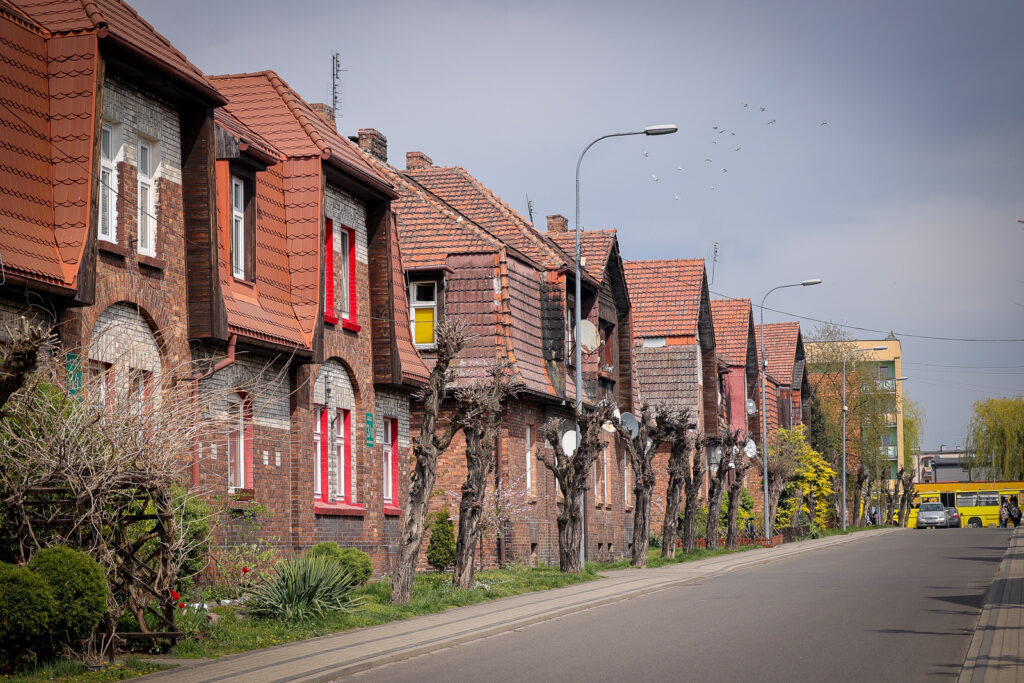
Family houses in the colony of Czerwionka-Leszczyny, Poland. Photograph by Tomasz Kaczor, 2026.
The rapid industrialization in the 19th century was followed by the construction of dense, self-contained worker settlements. Later in the century, the idea of Familienhaus (family house) was developed. It was usually a multi-family, two-story brick building called a familok in Silesian. There are many preserved and worth-visiting settlements in Upper Silesia, some of them built as part of the garden city movement. The most renowned are Nikiszowiec and Giszowiec in Katowice, but walking through the Czerwionka-Leszczyny colony and dropping by its visitor’s center tells the settlement’s whole story. It was designed as an intentional community, but each house is unique. Czerwionka-Leszczyny is the best-preserved example of the familoki architectural concept in all of Upper Silesia.
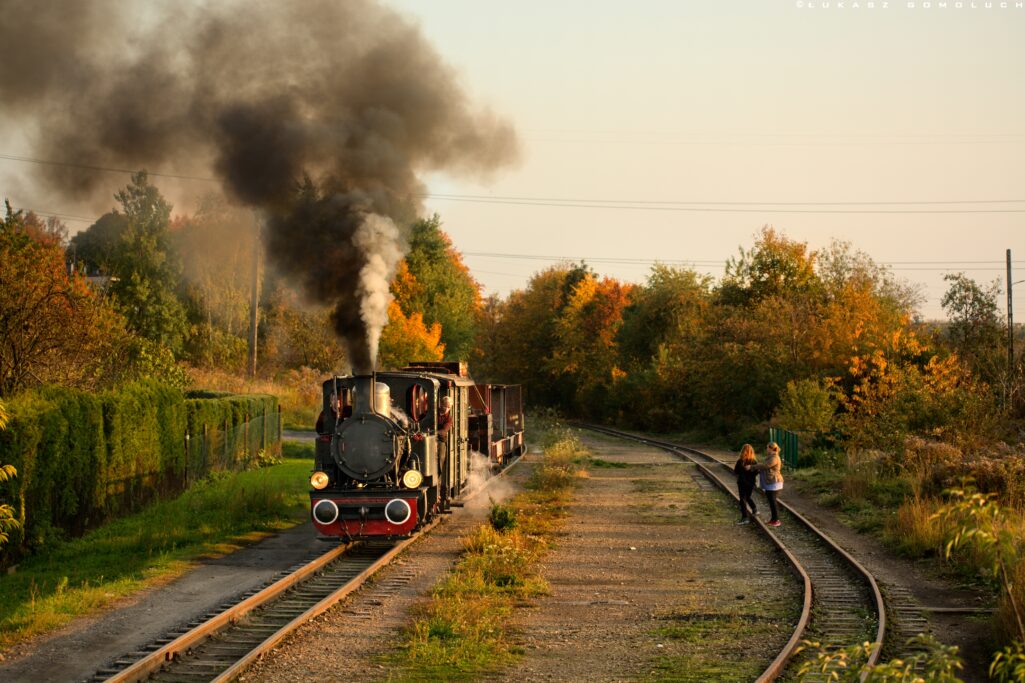
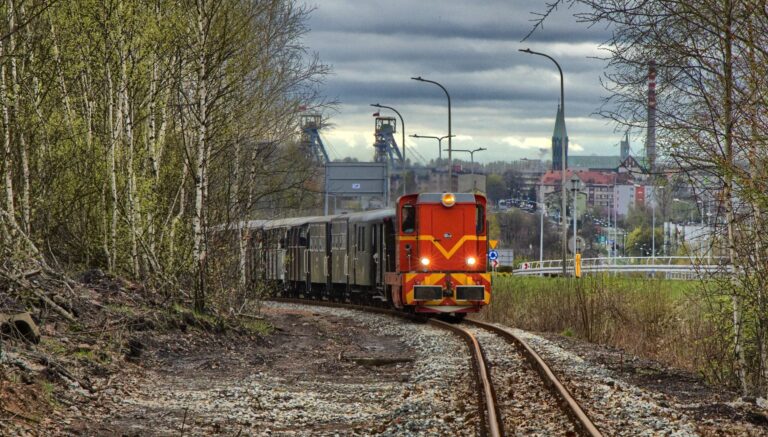
Upper Silesian Narrow Gauge Railways. sgkw.eu
There are not many more exciting things than riding on a historic railway (prove me wrong). Upper Silesian Narrow Gauge Railways were built in the mid-19th century to transport raw materials and semi-finished products in the industrial region. Today, it is the oldest continuously active narrow-gauge railway in the world, operating on a 21 km-long track between Bytom/Beuthen and Miasteczko Śląskie/Georgenberg. You can take a ride during the summer (June–September), and you can also rent a train for yourself! Alternatively, you can explore the Narrow Gauge Railway in Rudy.
This author visited many deeply interesting places in Upper Silesia as part of a meeting of German and Polish journalists held in April 2026 in Katowice and the surrounding area by the joint effort of Instytut Reportażu and Deutscher Journalisten-Verband.
DailyArt Magazine needs your support. Every contribution, however big or small, is very valuable for our future. Thanks to it, we will be able to sustain and grow the Magazine. Thank you for your help!

DailyArt Magazine Editor-in-Chief holding a PhD in art history; editor, writer, stylist, and adamant traveler almost constantly on the move.

Leigh is a writer, reader, art lover, radio nerd and herbalist based in Nashville, TN.
Visiting museums is great, but how about seeing places from iconic paintings in real life? France is one of the most depicted countries in the...
Kinga Dobosz 24 September 2026
From Titian to Monet, London is packed with art by the world’s most beloved artists. If your goal is to see famous artworks, you probably have...
Sandra Juszczyk 2 September 2025
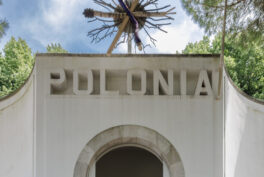
If you are planning to visit the International Art Exhibition or the Biennale of Architecture in Venice, this is a must-see. Built in 1932, the...
Zacheta 7 August 2025
The Dutch graphic artist M.C. Escher is well known for his mathematically inspired art. For nearly 30 years, he lived in the small town of Baarn, in...
Guest Author 26 May 2025