
Beyond William Morris: The Artistic Family of the Morrises
The Morris family stood at the centre of the 19th-century Arts and Crafts movement and were an integral influence on the Pre-Raphaelites. While...
Martha Teverson 19 October 2026
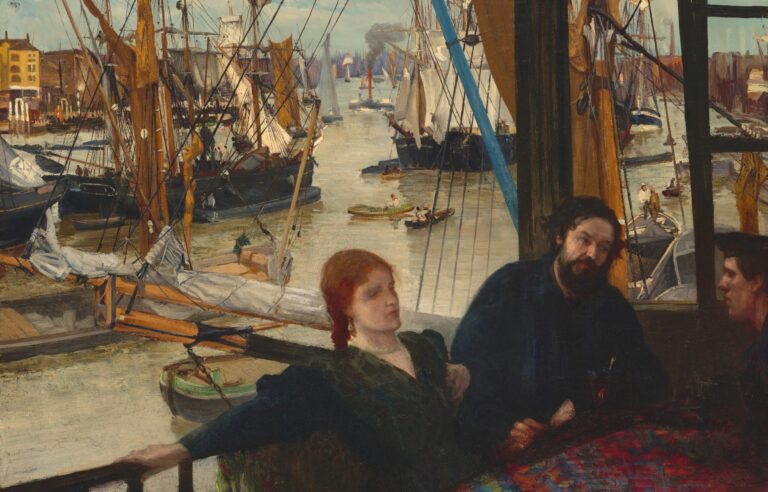
James McNeill Whistler, Wapping, 1860–1864, National Gallery of Art, Washington, DC, USA. Detail.
Sexual health in Victorian England was a secretive and shameful subject. Science and medicine were advancing knowledge of sexually transmitted diseases, but the attitudes of society lagged far behind. Art history can be an extraordinary window into the changing patterns of our social and sexual lives. The paintings shown here reveal a fascinating snapshot of Victorian era attitudes towards women, men, and sex.
Fear, shame, and blame seem to have been the most prevalent feelings toward venereal diseases, and syphilis in particular. It was contracted by sexual activity, and it was incurable. The response from society held a very gendered narrative, a moral panic, in fact. Female sex workers in particular were demonized. Below we see a lithographic representation of syphilis—a deadly skeletal sex worker, approaching two unsuspecting clients.
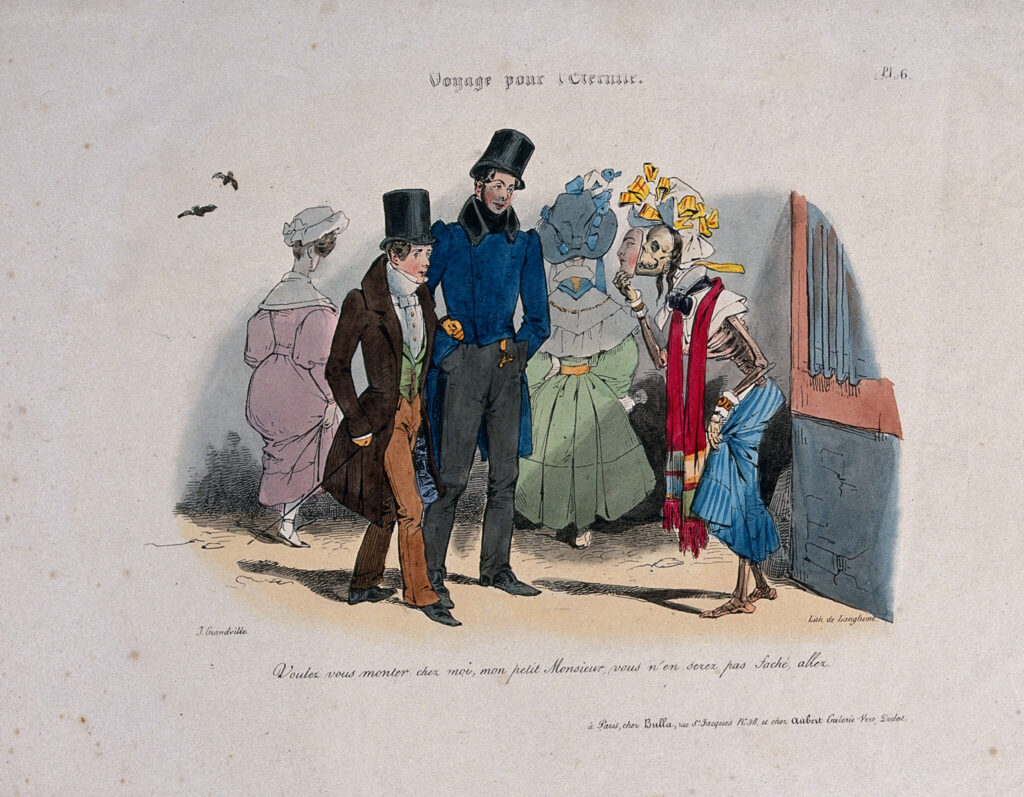
Jean Ignace Isidore Gerard Grandville, Two Young Men Are Approached by a Prostitute: She Is a Clothed Skeleton Holding a Made-up Mask in Front of her Face, Representing Syphilis, 1830, Wellcome Collection, London, UK.
Known for centuries, syphilis sported many names, but it always generated fear and horror. In Victorian England, it was simply “the pox” and was associated with the sins of lust and desire. Syphilis could lie dormant for years, then resurface. Rashes, ulcers, and rotting flesh led to organ and brain damage, insanity, and death. The only “treatment” was with poisonous mercury or even arsenic. Hence, the common phrase “one night with Venus, a lifetime with mercury”. Victorian scientists gathered thousands of illustrations and photographs of the infection, many now held by the Wellcome Collection in London. Despite its subject, the image below has an almost sensual, painterly feel to it.
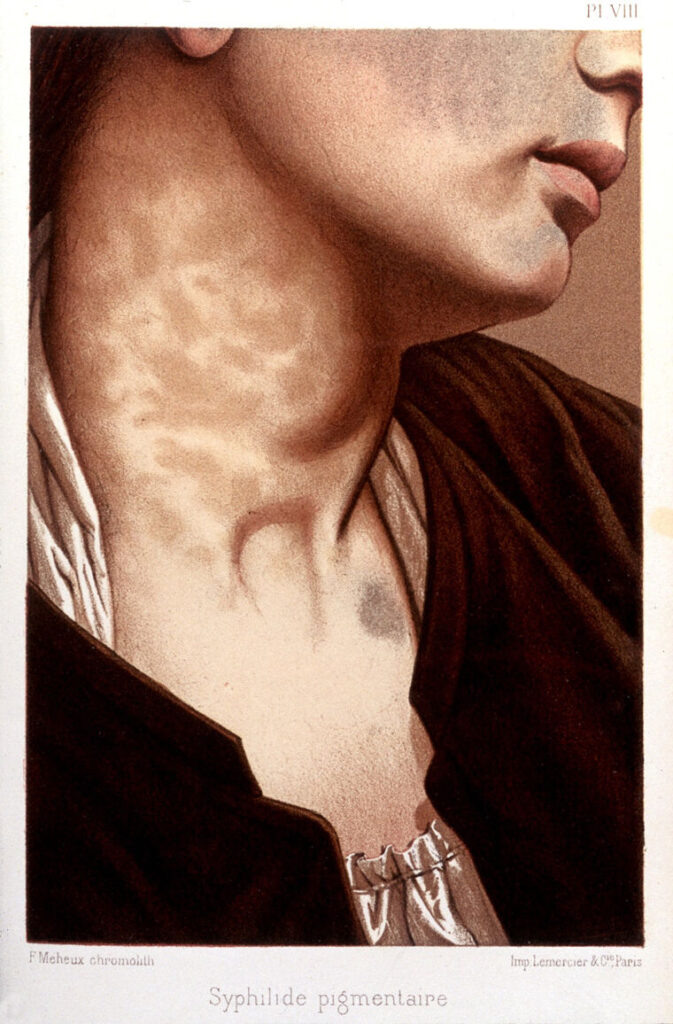
George Henry Fox, Cutaneous Syphilis, 1881, Wellcome Collection, London, UK.
Of course, exploring sexual diseases in art was not a Victorian invention; they have been painted, sketched, and etched for centuries. Just before the Victorian period, the English painter and engraver William Hogarth featured syphilis in a number of his most well-known works. The Harlot’s Progress is a series of six works covering the life and death of Moll, an innocent country girl drawn into prostitution. In his engravings, we can see women with the facial lesions associated with syphilis or the velvet “beauty spots” used to cover them. Note also the powdered wigs to cover syphilitic hair loss. And in the final engraving, we see the inevitable death of poor dear Moll.
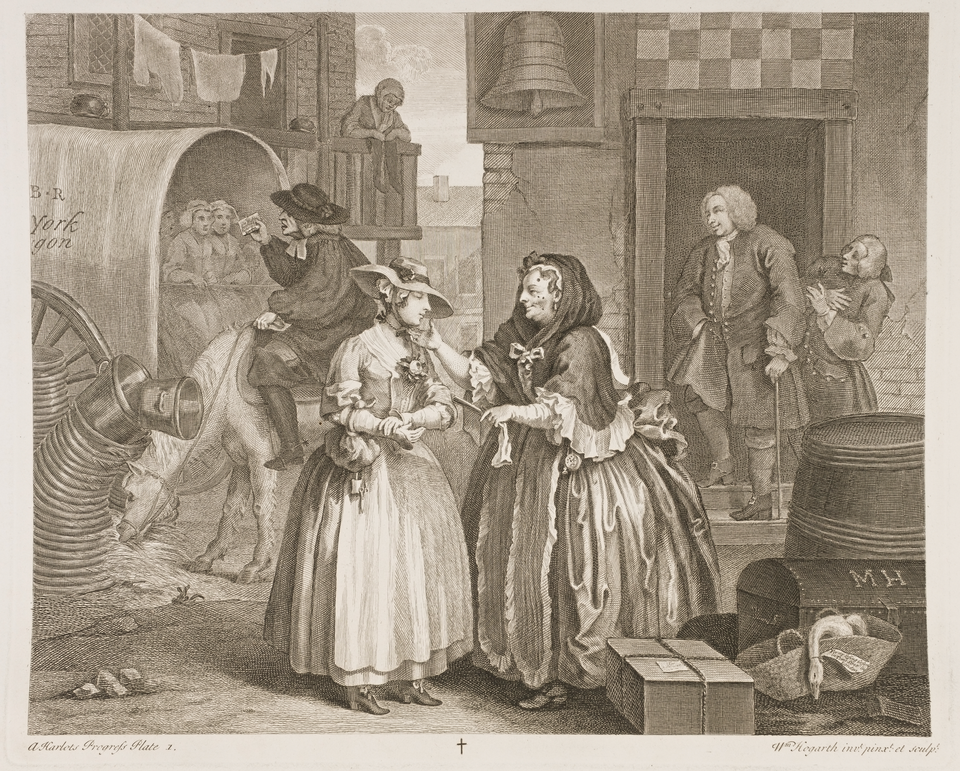
William Hogarth, A Harlot’s Progress, Plate 1, 1732, British Museum, London, UK.
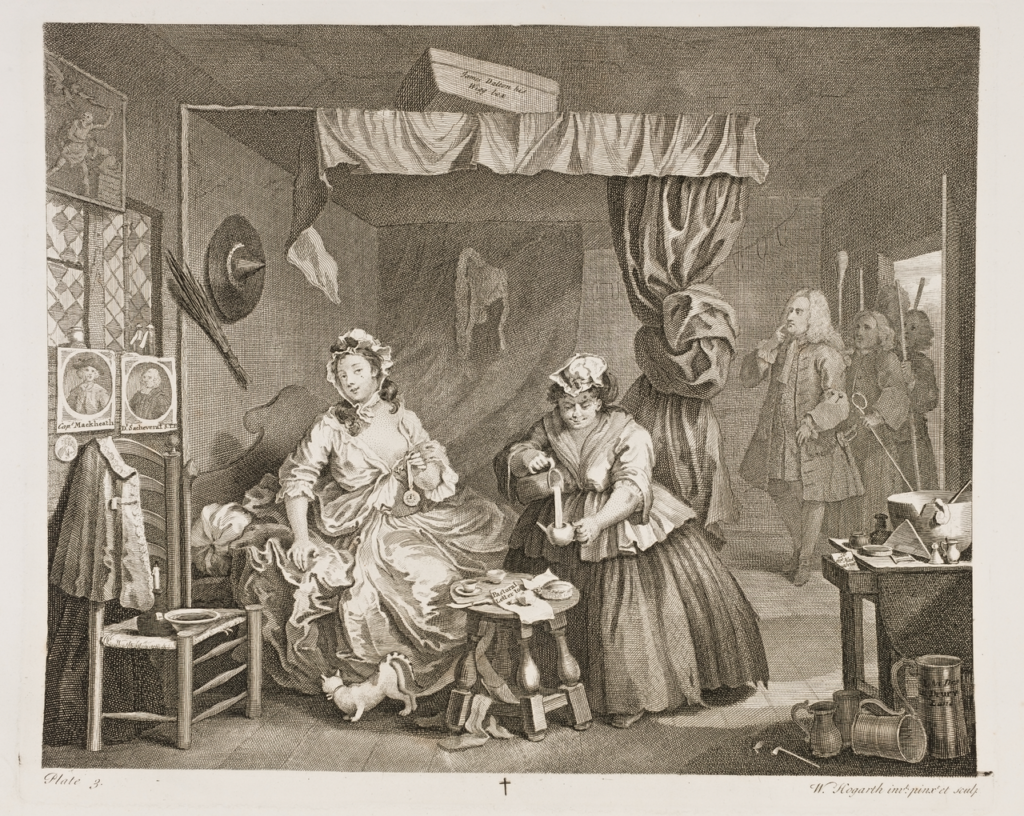
William Hogarth, A Harlot’s Progress, Plate 3, 1732, British Museum, London, UK.
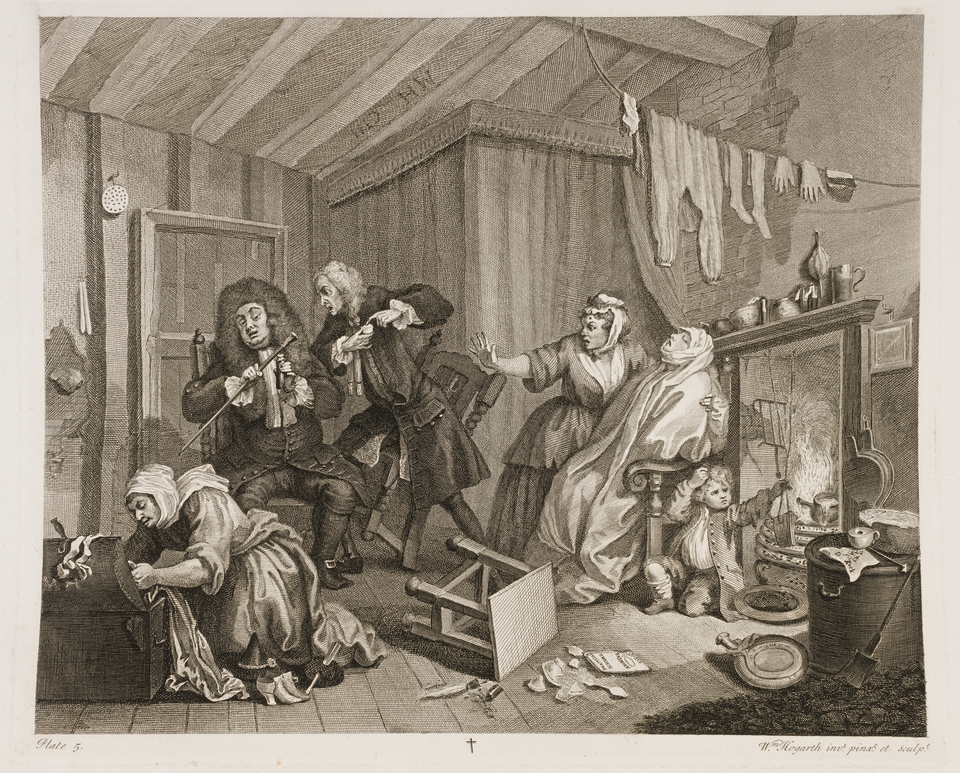
William Hogarth, A Harlot’s Progress, Plate 5, 1732, British Museum, London, UK.


Moll arrives in London and a syphilitic madam lures the naive girl into a life of sex work.
Moll finds herself in debt and pursued by the law.
In a squalid room doctors argue over their remedies while Moll, wrapped in a sheet, slowly dies.
In the Victorian Era (considered as 1837 to 1901) peace and prosperity spread across Europe due to innovations in technology and economic stability. However, societal and gender inequalities persisted. Victorian art teemed with images of sexualized women. The Victorian patriarch wanted to see nudes, and plenty of them.
These “male gaze” canvases were painted in classical or mythological settings to avoid censorship. Meanwhile, the real-life wife was expected to toil over more chaste and domestic chores. Victorian society liked its daughters and its wives to be virtuous—they believed unnatural female desire destroyed decent middle-class life. The image captures this perfectly, with a young woman, suddenly stricken with the realization that she is on the slippery slope to becoming a “fallen woman.”
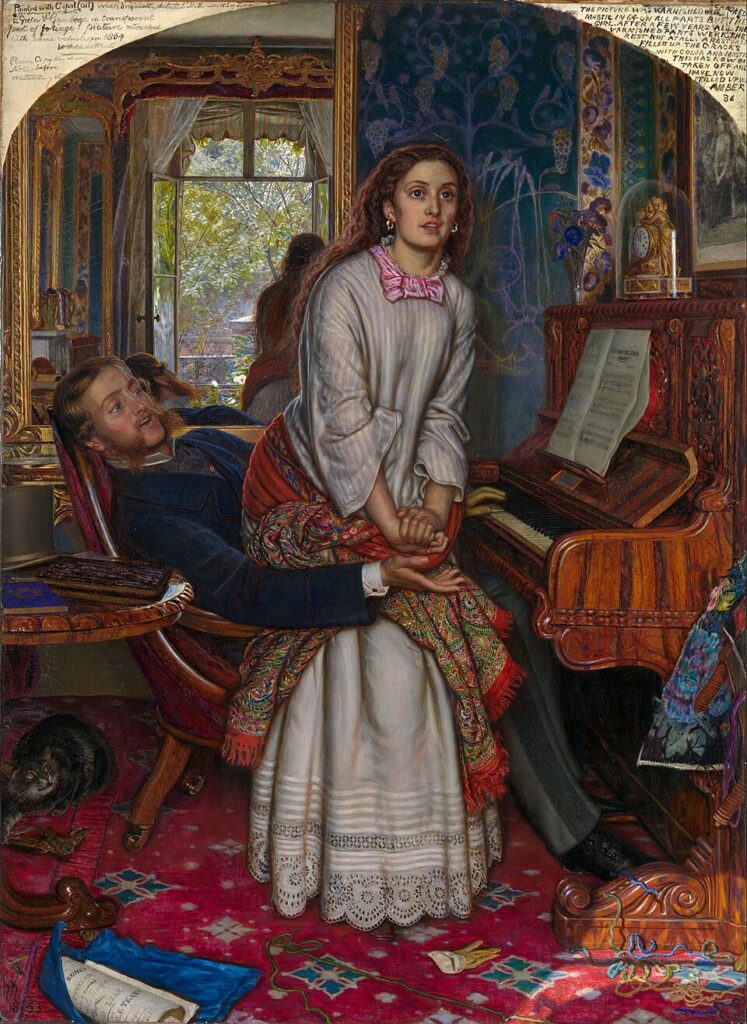
William Holman Hunt, The Awakening Conscience, 1853, Tate Britain, London, UK.
Although artists often portrayed the gentleman as the victim of scheming sex workers, some were willing to consider that a woman might also suffer. In these cases, the woman needed to be both beautiful and pitiable. The Pre-Raphaelites often portrayed the ills of urban life in contrast to the idyll of country life.
Below we see Found by Dante Gabriel Rossetti. See the sickly green face of a young country girl, seduced by the lure of the city, curled against a wall, hiding in shame. The girl is found by her farmer sweetheart, who is coming to market with a white calf tied to his wagon. But he is too late to save the girl from disgrace. The fates of the girl and the calf are sealed.
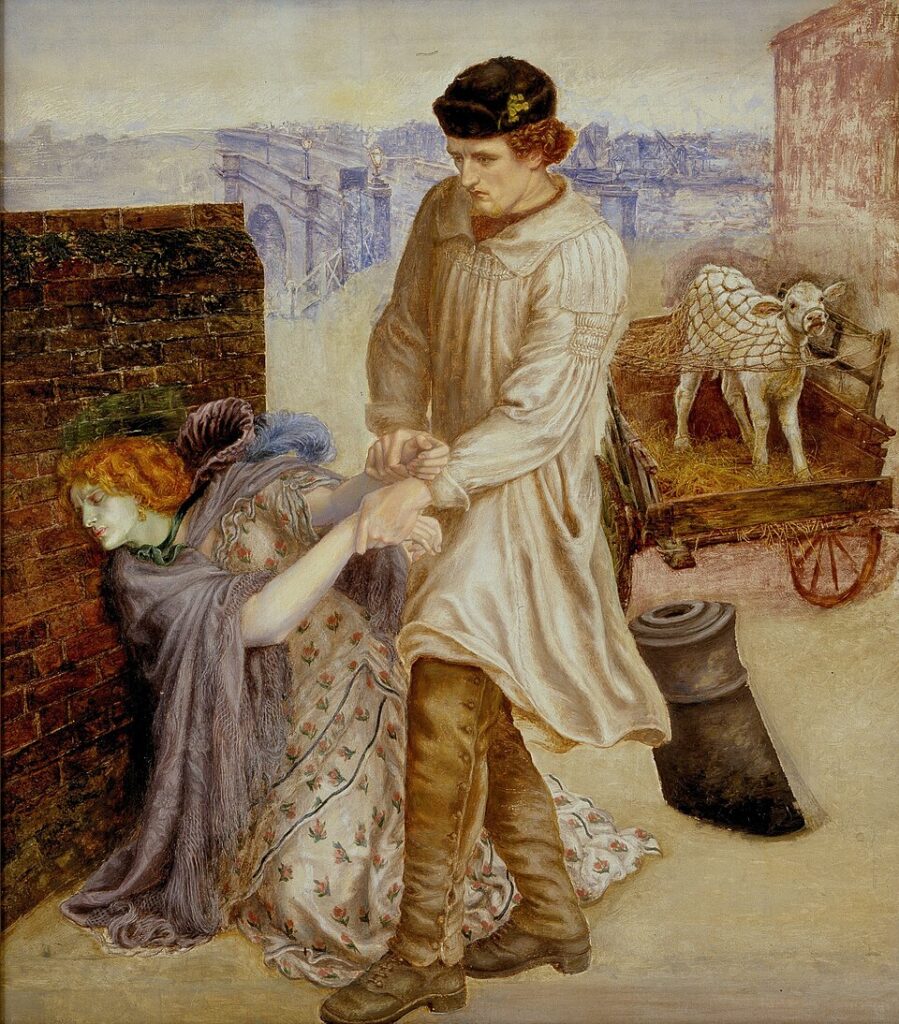
Dante Gabriel Rossetti, Found, 1854–1881, Delaware Art Museum, Wilmington, DE, USA.
And so from Found to Found Drowned. George Frederick Watts takes us to the final stage of the life of a fallen woman. The only noble option for a fallen woman is death. This river-soaked woman lies beneath Waterloo Bridge, a common site for suicides. She grasps a love-heart locket, perhaps from a lover? One single star flickers in the dark sky above her. The term “found drowned” was often used by coroners, rather than “death by suicide,” so that at least the poor woman might get a decent Christian burial.
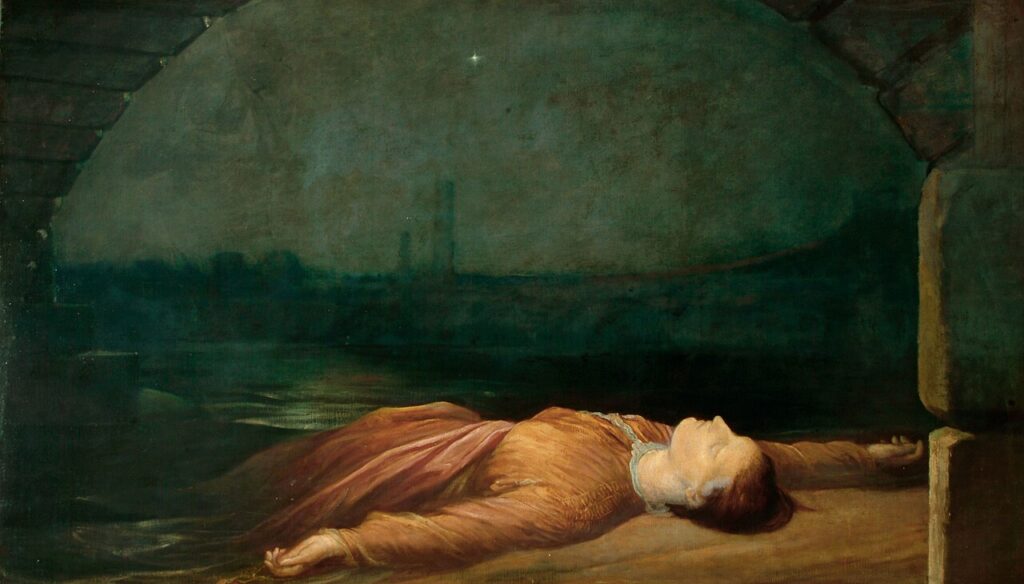
George Frederic Watts, Found Drowned, 1848–1850, Watts Gallery, Surrey, UK.
Syphilis was rarely listed as a cause of death in Victorian England, to save families from public shame. But it is thought that in this period, eight and a half percent of men in their mid-30s would have had syphilis. These men, who frequented brothels or had a secret “kept” woman, or who simply had multiple sexual partners, would bring a deadly disease home to their wives and children. It was not uncommon for doctors to conceal the cause of syphilis from infected wives, after all, the husband paid the doctor’s bills!
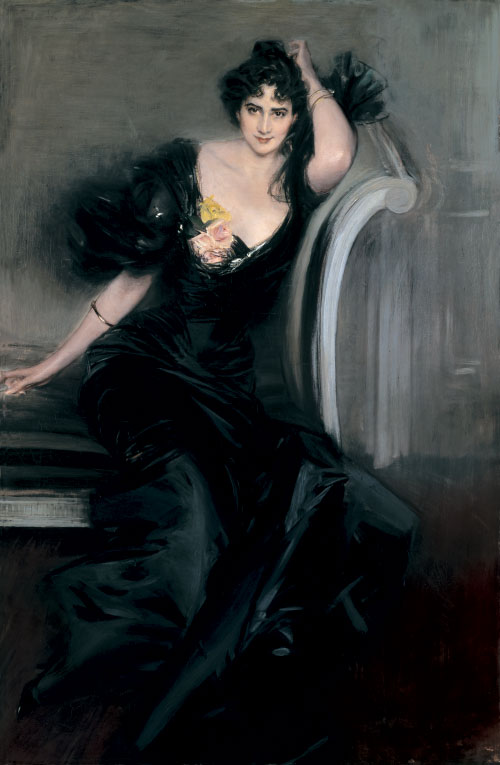
Giovanni Boldini, Gertrude Elizabeth (née Blood), Lady Colin Campbell, 1897, National Portrait Gallery, London, UK.
Although sexual shenanigans were usually a well-kept secret, sometimes the truth came out, as was the case with Liberal politician Lord Colin Campbell and his socialite wife, Gertrude Elizabeth Blood. Their story played out in the divorce courts, and newspaper reports were greedily consumed by the shocked public.
At the time of his marriage in 1881, Lord Colin was being treated for syphilis. He kept this from his bride-to-be and knowingly infected her. Gertrude suffered with her health as a result of the deception, but she did not get her divorce, just a formal separation, and she was ostracized by polite society. But this witty, intelligent woman was embraced by art and literary circles and went on to become a well-known writer. Lord Colin died of syphilis in 1895.
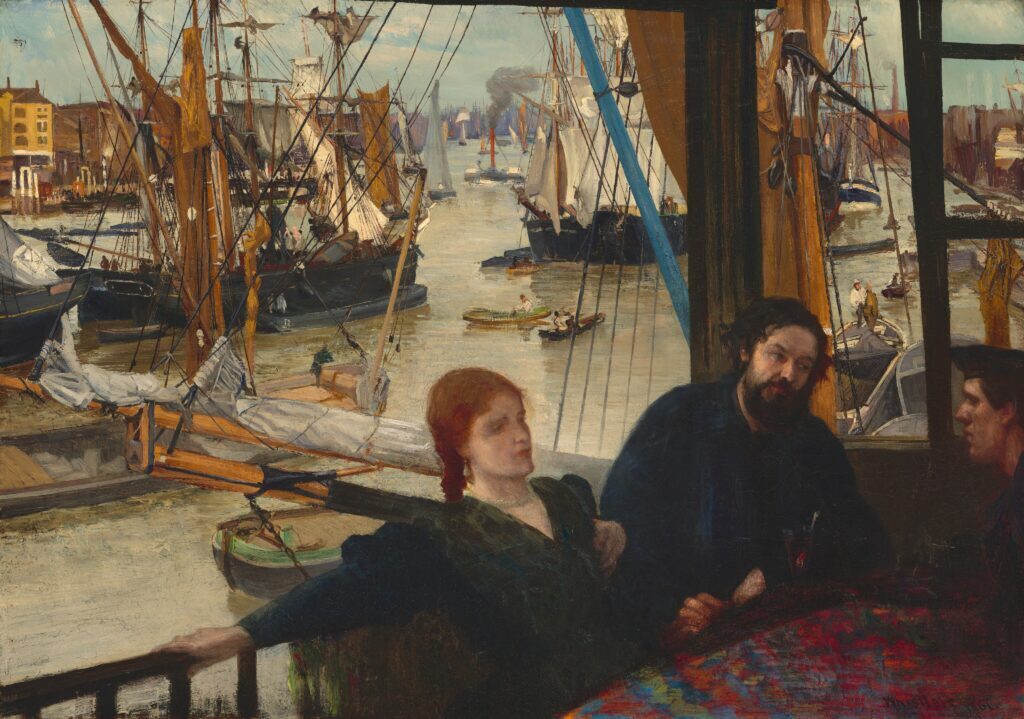
James McNeill Whistler, Wapping, 1860–1864, National Gallery of Art, Washington, DC, USA.
American artist James McNeill Whistler, perhaps best known for painting his mother, spent most of his career in England. The scene above shows sailors at a tavern overlooking the Wapping docks. A woman, probably a sex worker, lounges beside them. It was the impact of syphilis and other sexually transmitted infections on the British armed forces that finally made the UK and its government sit up and take notice. By 1864, one in four soldiers or sailors were absent from duty due to STIs. The panic led to a draconian piece of Victorian legislation, where the authorities decided that the “sanitary supervision of common prostitutes” was required.
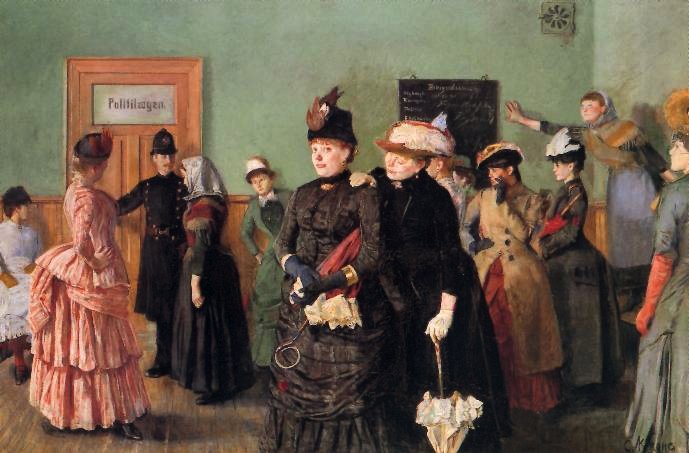
Christian Krohg, Albertine in the Police Doctor’s Waiting Room, 1887, National Museum of Norway, Oslo, Norway.
The Contagious Disease Act of 1864 targeted women only. It allowed for the registration, arrest, and invasive medical examination of any woman suspected of being a sex worker. Women were rounded up and taken to police stations. If found to be carrying syphilis (or any other disease), they were forcibly confined to special medical institutions called “lock hospitals.” Any woman refusing to be examined could face six months of hard labor in prison. Action against the men, or advice on their sexual behavior, was not considered—was this state-sanctioned misogyny? Norwegian artist Christian Krohg explored this hypocrisy in his huge, life-sized painting (shown above), and later in a novel called Albertine.
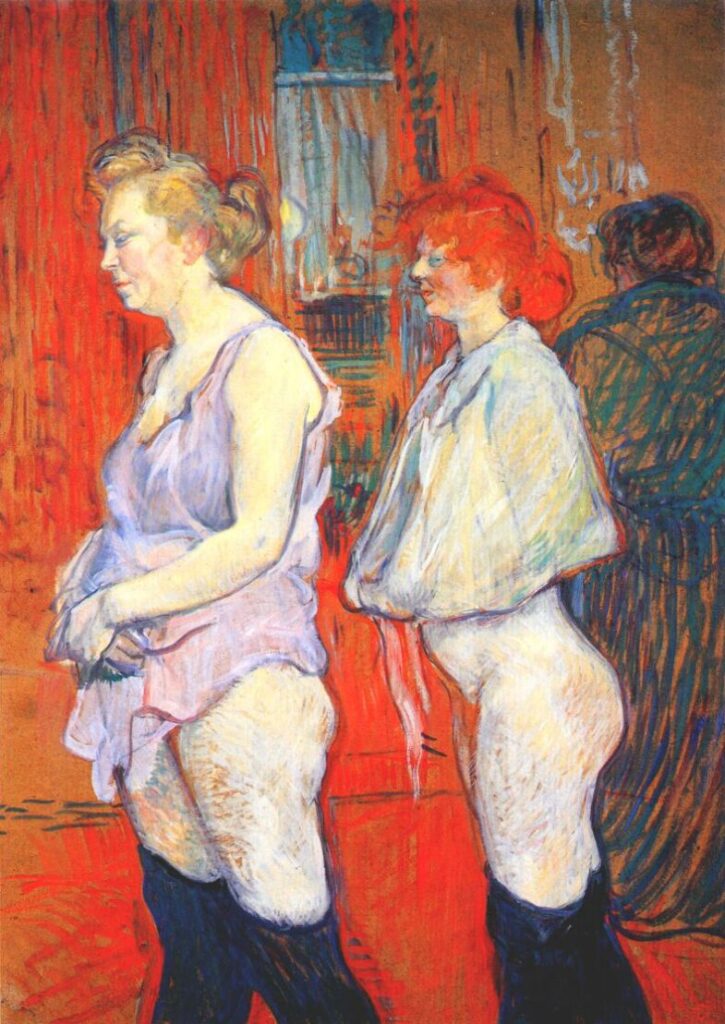
Henri de Toulouse-Lautrec, Rue des Moulins, 1894, National Gallery of Art, Washington, DC, USA.
Over the Channel in France, we see a very similar story of forced inspections. However, one famous French artist took a more empathic view. Henri de Toulouse-Lautrec frequented (and sometimes lived within) brothels, and created dozens of intimate sketches, paintings, and posters showing sex workers going about their ordinary, everyday lives. In Rue des Moulins from 1894, we see women waiting to be examined by a doctor. The women stand and wait in resignation. With hunched shoulders, blank faces, and sagging skin, this is no erotic tease. Look at the face of the red-haired woman—her highly pigmented skin is likely syphilitic.
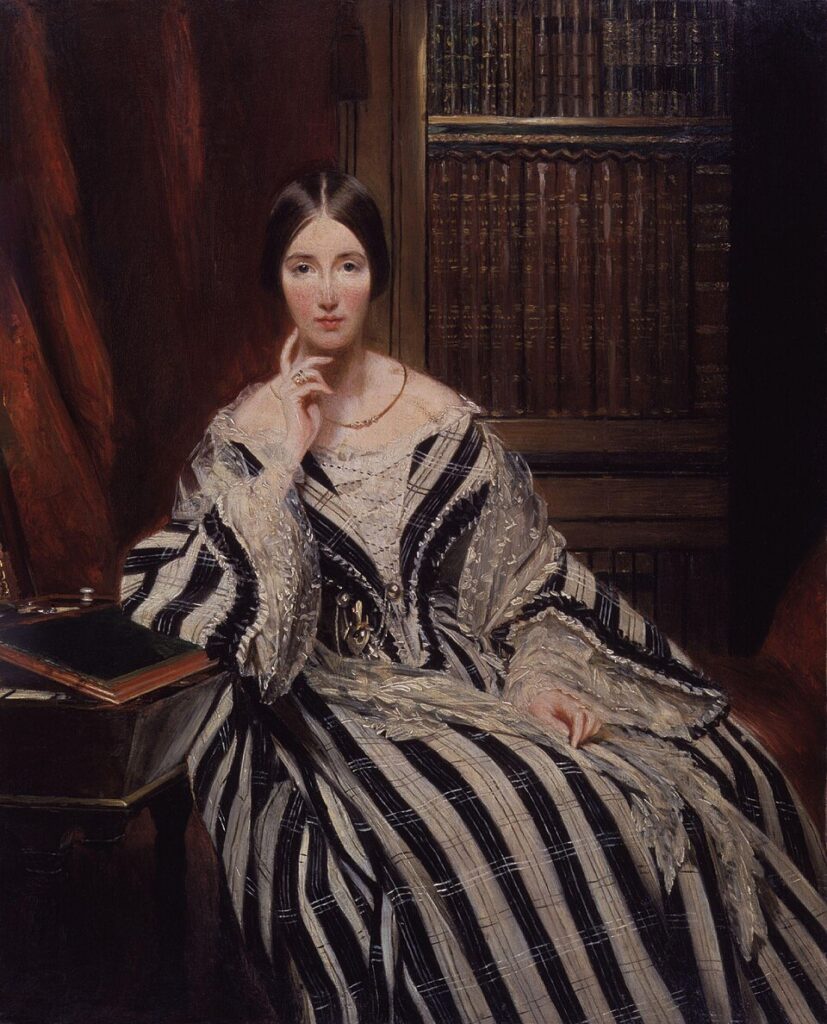
Unknown artist, Angela Georgina Burdett-Coutts, 1840, National Portrait Gallery, London, UK.
However, there were some who saw the harsh and cruel reality of Victorian double standards. Writer Charles Dickens set up and managed Urania Cottage, a refuge for fallen women. Aided by the radical philanthropist Angela Georgina Burdett-Coutts, they gave residents the chance to learn skills to help them start a new life. Discussing these women, Dickens stated that “society has used her ill and turned away from her.” Angela Burdett-Coutts (portrait above) used her immense fortune to fund practical help for those in need. She was the first president of the RSPCA and co-founder of the NSPCC, and her works stretched across the UK to Africa, Russia, and Australia.
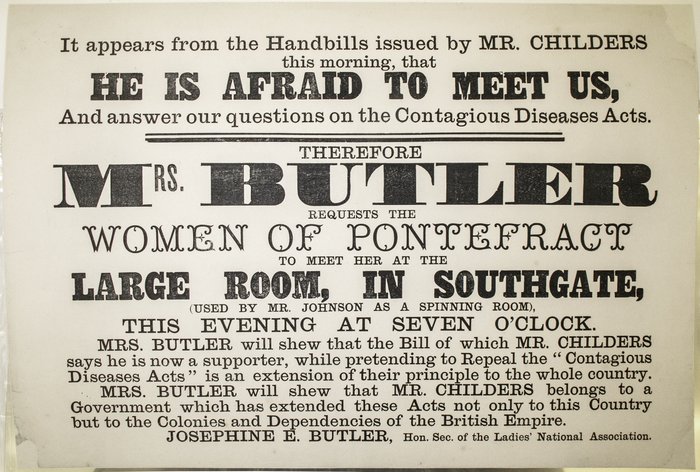
Josephine Butler, Pontefract Meeting Notice, 1872. Wikimedia Commons (public domain).
Meanwhile, in London, feminist and suffragist Josephine Butler set up the Ladies’ Assembly for the Repeal of the Contagious Diseases Act. Like Dickens and Burdett-Coutts, she believed that sex work was a socio-economic issue—if a woman has no money, no income, and nothing to sell, she will sell herself.
Butler claimed the forced genital inspection of women was essentially surgical rape. Butler was a clear advocate for the unheard voices of sex workers, who were labelled wicked, wild women. She toured the UK calling out leaders and politicians—a handbill from one of her 100 meetings is shown above. Over the next 20 years, public disapproval of the men exploiting impoverished women was growing. And finally, in 1886, the Contagious Diseases Act was repealed.
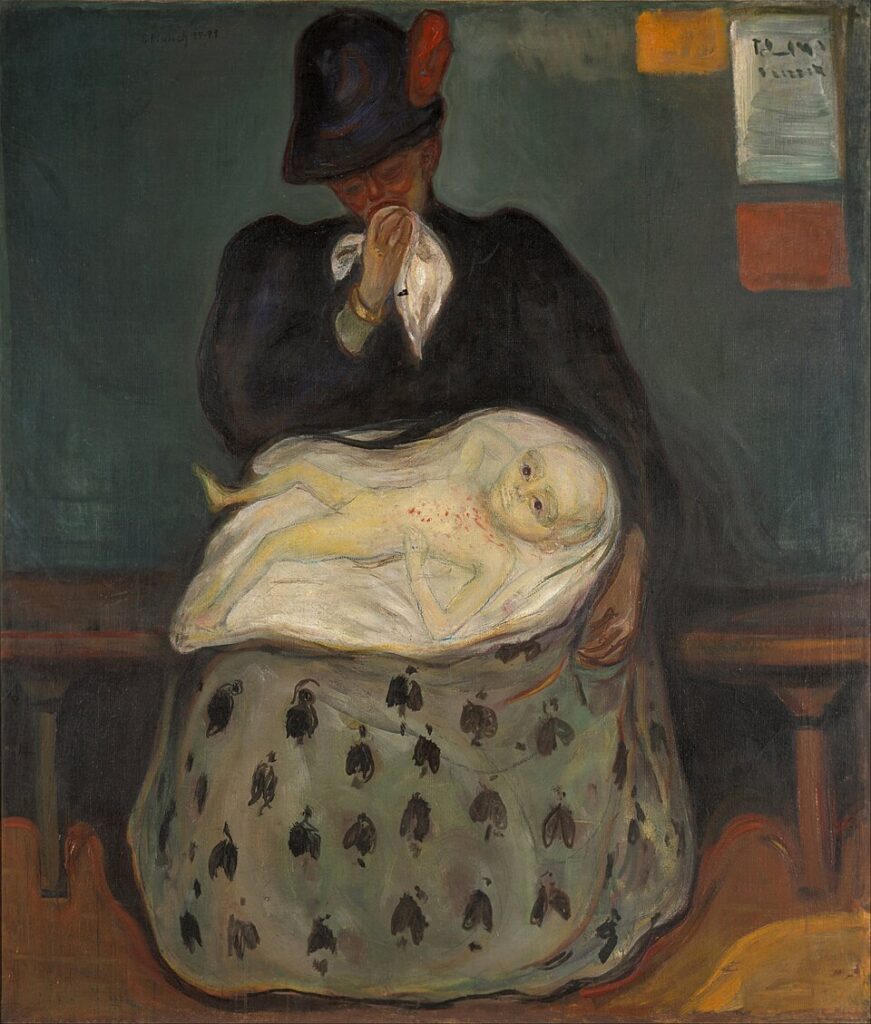
Edvard Munch, Inheritance, 1897–1899, Munch Museum, Oslo, Norway.
A few years later, the Norwegian artist Edvard Munch painted Inheritance. The canvas above shows a mother with a child in her lap, almost like a Mary and baby Jesus image. But the child has a large head on a thin, deformed body covered in a red rash. This is congenital syphilis, passed from parent to child. The mother’s face has the tell-tale mottled red skin. This bold painting provoked very strong reactions from the public.
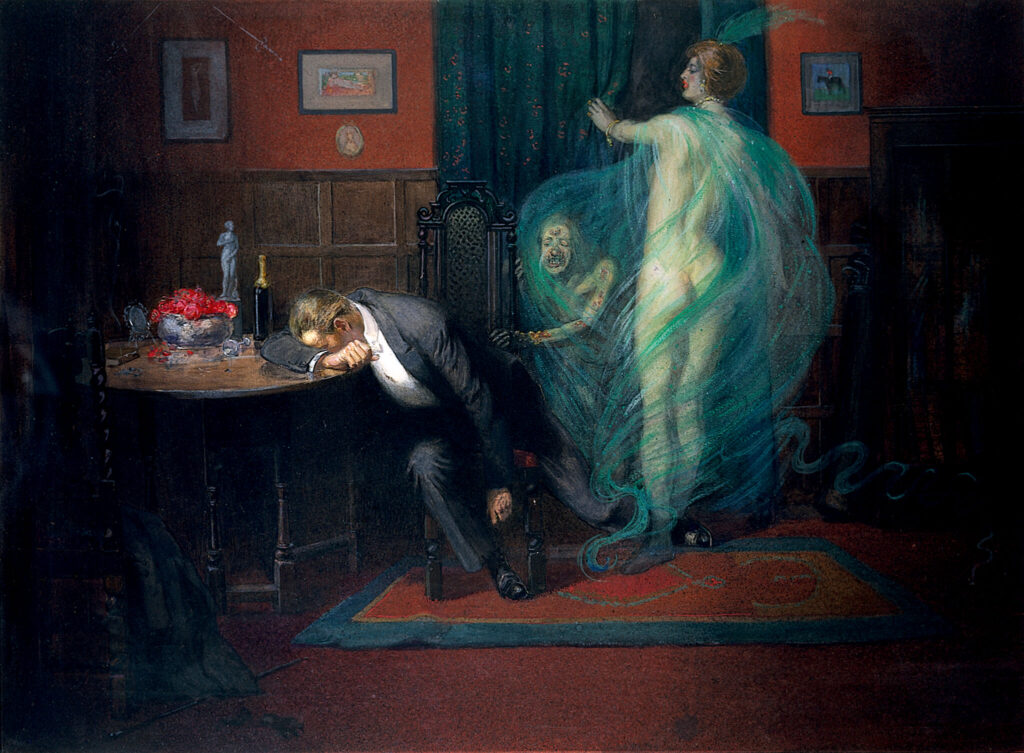
Richard Tennant Cooper, Syphilis, 1912, Wellcome Collection, London, UK.
But the fear of syphilis did not go away. Nor did the blame and shame game. The English artist Richard Tennant Cooper trained in Paris, witnessing the frivolity and sexual freedoms of the Belle Époque. But he also saw the carnage and terror of the First World War. The contrast was too much to bear. His works, when he returned to England, concentrated on diseases like diphtheria, leprosy, and tuberculosis. And, of course, sexually transmitted diseases. His paintings (shown above and below) depicting syphilis are very dramatic, continuing with the firmly held theme of temptresses and their monstrous diseases.
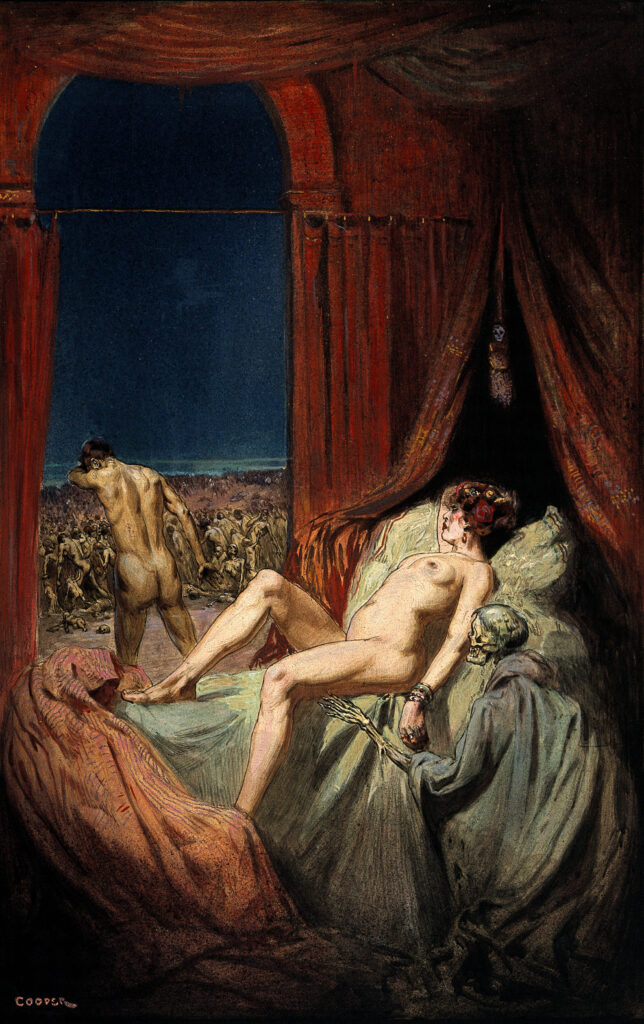
Richard Tennant Cooper, A Provocative Naked Young Woman Lying on a Bed, Death (a Cloaked Skeleton) Sits at her Side, a Naked Man Walks Away from the Bed with his Head Bowed, Towards a Throng of Diseased and Dying People; Representing Syphilis, 1912, Wellcome Collection, London, UK.
And so to today. Syphilis hasn’t gone away. Health organizations across the globe are seeing the alarming rise of something called “Super Syphilis.” 20 years ago, scientists thought they were on the verge of eliminating the disease. But today, breakdowns in public health care and the rise of antibiotic resistance have dashed those hopes. I wonder how our modern, contemporary artists will respond?
DailyArt Magazine needs your support. Every contribution, however big or small, is very valuable for our future. Thanks to it, we will be able to sustain and grow the Magazine. Thank you for your help!

Candy's remote, rain-soaked farmhouse clings to a steep-sided valley in rural Wales. She raises cats, chickens, and children with varying degrees of success. Art, literature, and Lakrids licorice save her sanity on a daily basis.

As an educator, writer, and neurodivergent creative, I enjoy learning and sharing through nature, the arts and novel experiences.
The Morris family stood at the centre of the 19th-century Arts and Crafts movement and were an integral influence on the Pre-Raphaelites. While...
Martha Teverson 19 October 2026
The mirror has functioned as a recurring symbol throughout art, particularly in representations of women. Historically, its presence in art has often...
Martha Teverson 24 August 2026
Rosita Mauri was one of the most talented dancers of her generation, and her mastery on stage drew the attention of countless artists. They created...
Jimena Escoto 11 June 2026
Explore the world of Tove Jansson's Moomins, where adventure, friendship and a love of nature create a delightful narrative for readers of all ages.
Candy Bedworth 2 April 2026