From Emergency Response to a New Model of Patronage
When TOP CHARITY was established in 2022, its founders could hardly have predicted the scale it would eventually achieve. The first edition took place in the immediate aftermath of Russia’s full-scale invasion of Ukraine, at a moment when Poland found itself at the center of one of the largest humanitarian responses in contemporary European history. The urgency of the crisis created the event’s initial mission. Half of the proceeds from the inaugural auction were directed toward support for Ukrainian refugees, while the remainder funded projects carried out by the organizers’ foundations.
The first auction raised approximately €2 million. But perhaps more importantly, it revealed something about the potential of a model that had long remained underdeveloped in Central and Eastern Europe: a philanthropic ecosystem built around art.
And what followed was extraordinary growth. In 2023, the gala generated more than €6.5 million. In 2024, the total reached €10.7 million. The following year brought another record, approximately €14 million, and in 2026, the initiative surpassed all previous achievements, raising approximately €20 million. And with that amount of money, it now operates on a scale comparable to some of the world’s most recognizable philanthropic events connected to art and culture. Its fundraising results place it alongside initiatives such as the amfAR Gala in Cannes, one of the most successful charity auctions globally.
Yet what distinguishes TOP CHARITY is not only the amount raised, but the model itself. While many high-profile fundraising events support a single institution or cause, TOP CHARITY functions as a broader philanthropic ecosystem, channeling proceeds into educational, cultural, and humanitarian projects across Poland and Africa. In this respect, TOP CHARITY represents a relatively rare example of contemporary patronage.
The People Behind the Vision
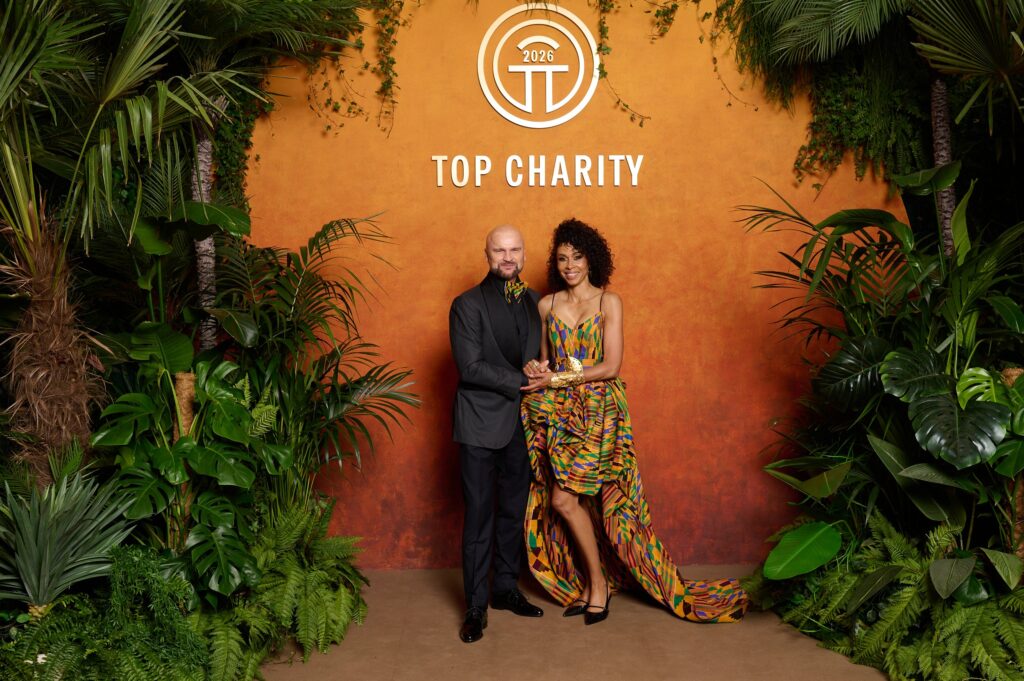
The story of TOP CHARITY is inseparable from its founders, Omenaa Mensah and Rafał Brzoska. Mensah, a philanthropist, entrepreneur, and founder of the Omenaa Foundation and OmenaArt Foundation, has spent years developing educational and cultural projects in both Poland and Ghana. The African dimension of TOP CHARITY is deeply rooted in her personal story. Born to a Polish mother and a Ghanaian father from the Ashanti community, one of the most influential cultural traditions in West Africa, she has often spoken about growing up between two cultures and seeing philanthropy as a way of building bridges between them. Brzoska, one of Poland’s most influential entrepreneurs and investors, has long advocated for a model of giving focused on long-term impact rather than one-time charitable gestures.
The Return of Patronage
Historically, art and philanthropy have not been separate worlds. The Renaissance masterpieces admired in museums today were often commissioned by patrons whose motivations combined prestige, civic responsibility, social influence, and faith, as their aim was securing a place in heaven after death. The Medici family in Florence, Isabella d’Este in Mantua, and later industrial patrons such as Andrew Carnegie or Peggy Guggenheim all understood how important it is to support culture.
For much of the 20th century, patronage became increasingly institutionalized. Museums, public funding programs, and corporate sponsors gradually assumed roles once held by individual benefactors, redefining how culture was financed and supported. Today, however, that model is being reconsidered. As public investment in culture shrinks across many parts of Europe and arts institutions face growing financial uncertainty, a renewed form of private patronage is emerging. Charity programs across all kinds of fields are seeking funds. Around the world, collectors and entrepreneurs are becoming active cultural and social actors, establishing foundations, supporting museums, and funding projects. Initiatives like TOP CHARITY and other charity auctions can help to funnel their willingness to help and support greater causes.
Beyond the Auction Room
The most interesting aspect of TOP CHARITY may not be what happens during the auction itself, but what happens afterward. Charity auctions often excel at creating momentum. For a few hours, a room full of collectors, entrepreneurs, and philanthropists comes together. The challenge begins once the evening ends. How can a single event create lasting change rather than a momentary surge of generosity?
At the center of the initiative is the Philanthropic Consortium, a platform that brings together foundations, non-profit organizations, and social partners from Poland and abroad. The model allows funds to support a broad range of projects. Some initiatives focus on education, including programs for children in Ghana and leadership development projects for young people in Poland. Others support healthcare, social inclusion, or assistance for vulnerable communities. A significant number are connected to culture itself. Funding has helped support museum programs, exhibitions, heritage preservation projects, and educational initiatives developed in collaboration with cultural institutions. The consortium’s network includes organizations such as the Obama Foundation, Rafa Nadal Foundation, Andrea Bocelli Foundation, and Doctors Without Borders. Over the past three years alone, the Consortium has funded 167 projects—136 in Poland and 31 internationally—reaching approximately 800,000 beneficiaries and supporting more than 60 organizations, foundations, and public institutions.
The 2026 Auction
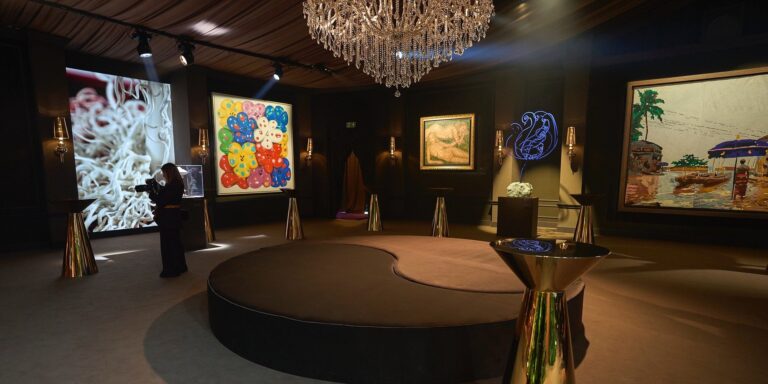
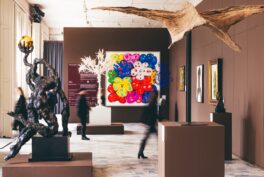
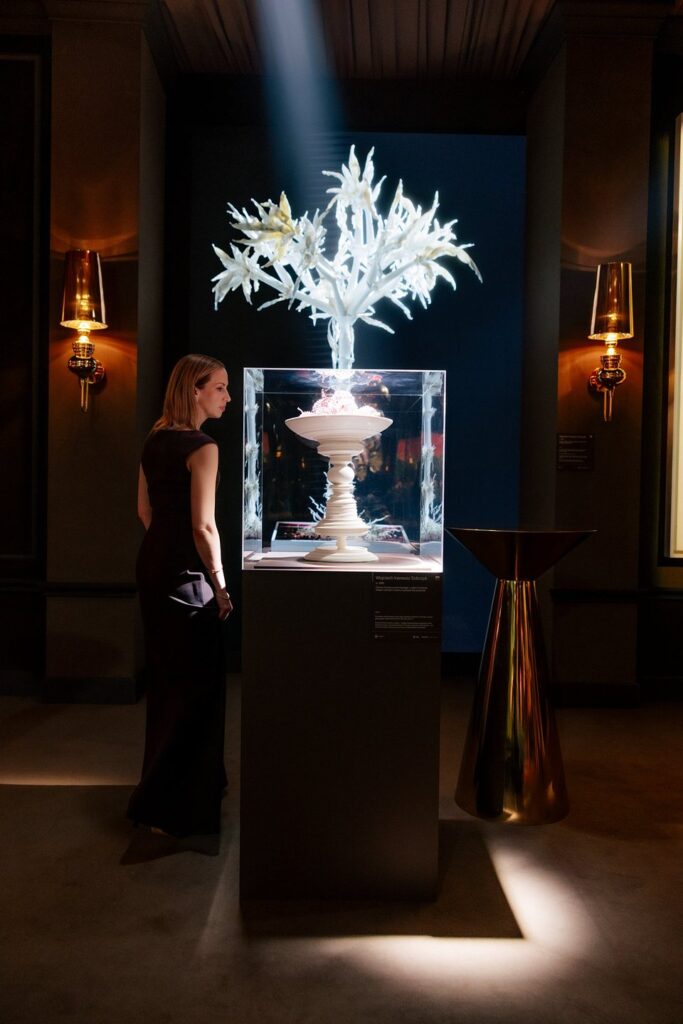
But let’s come back to the auction itself. Selling stuff is easy, but choosing good stuff for selling is much harder. This year’s auction’s strongest statement may have been its choice of artists. The first editions focused largely on Polish art, introducing collectors to many of the country’s most established contemporary names. Five years later, the picture looks different. The 2026 catalog of 14 objects (you can read about all of them here) comfortably switches between generations, media, and geographies. Looking through the sale, one could almost read it as a condensed survey of contemporary collecting. The boundaries that once separated national schools and regional markets have become far less rigid. Collectors who acquire works by Ewa Juszkiewicz are often interested in Amoako Boafo; institutions showing Abakanowicz are equally likely to exhibit contemporary artists from Accra, Lagos, or Johannesburg.
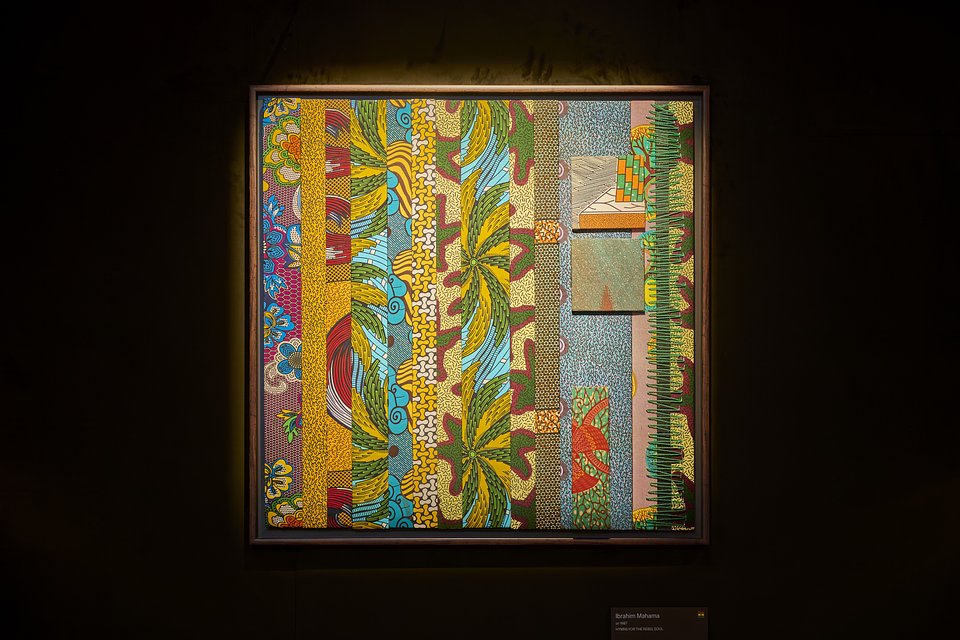
The same tendency can be seen across museums and biennials. Over the last two decades, artists from Africa have moved from the margins of the international art world to its center. Figures such as El Anatsui, Yinka Shonibare, Julie Mehretu, Amoako Boafo, and Ibrahim Mahama now appear in major museum collections, headline biennials, and command attention at auction houses that once paid little attention to artistic production from the continent.
TOP CHARITY’s catalog acknowledged this shift without making a point of it. African artists were not presented as a separate category or a thematic addition. Their works sat naturally alongside those of Polish and international artists, creating unexpected connections. A Boafo portrait could hang comfortably beside a Juszkiewicz painting; Mahama’s interest in memory and material might resonate with viewers familiar with Abakanowicz. The inclusion of younger artists was equally telling.
The Meaning Behind the Results
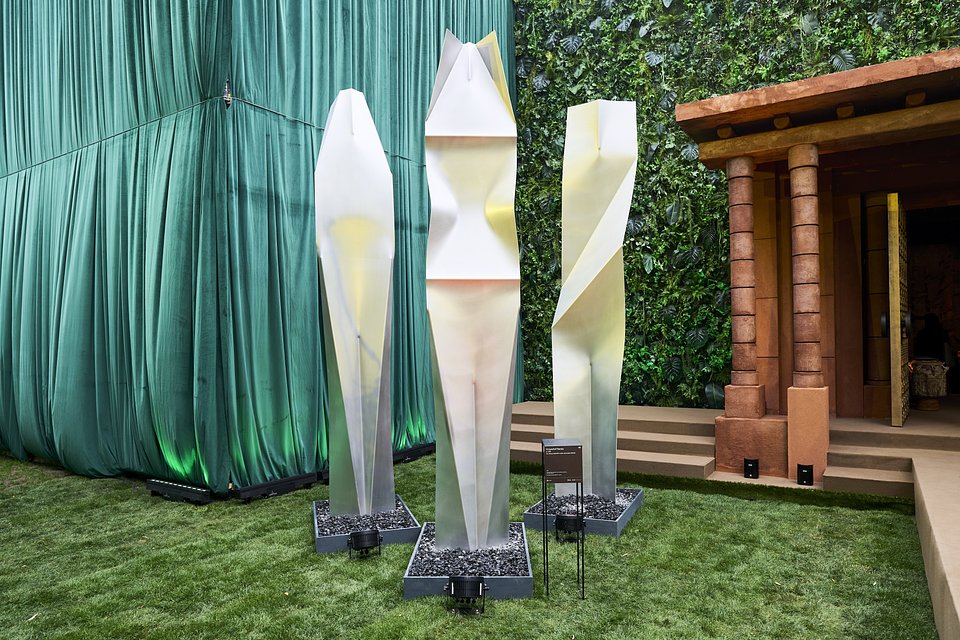
The evening’s highest-selling artwork was Krzysztof Renes’s monumental sculpture On, Venus, Youth from the artist’s ongoing Universale 4000×5 series. The aluminum work achieved approximately PLN 1.8 million (around €420,000), exceeding the upper estimate by more than fourfold. Renes, a Polish artist who represents the third generation of a family of sculptors and craftsmen, has steadily built an international profile in recent years.
Close behind was Ewa Juszkiewicz’s The Grove, sold for approximately PLN 1.7 million (€400,000). Few Polish artists have experienced a rise as remarkable as Juszkiewicz over the last decade. Known for her uncanny reworkings of historical portraiture, she replaces faces with flowers, fabrics, foliage, and organic forms, turning familiar images into unsettling meditations on how women have been represented throughout art history. Her paintings have become highly sought-after internationally, appearing in major museum exhibitions (such as the Thyssen-Bornemisza Museum in Madrid this year) and achieving strong results at auction houses from London to New York.
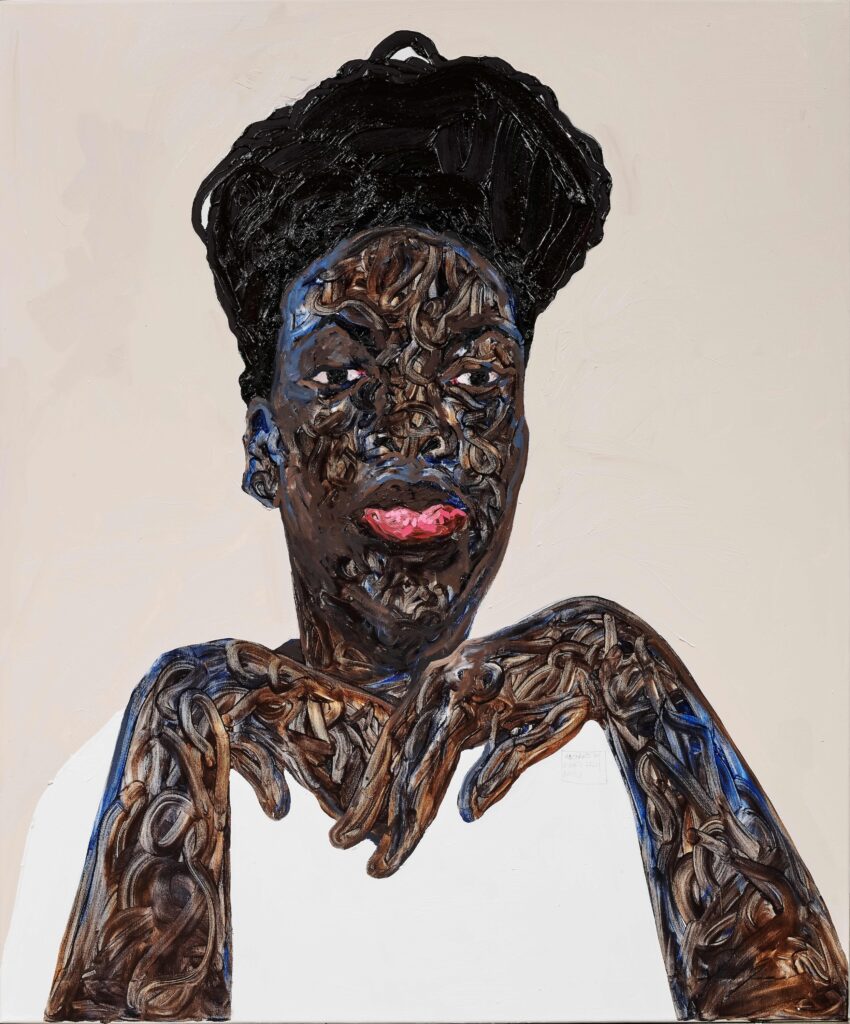
Amoako Boafo’s Laced Fingers followed closely at approximately PLN 1.5 million (€350,000). Born in Ghana and now one of the most closely watched artists of his generation, Boafo became known for his distinctive finger-painted portraits celebrating Black identity. His works entered major international collections with amazing speed and can now be found in institutions including the Guggenheim Museum, the Albertina Museum, and the Los Angeles County Museum of Art.
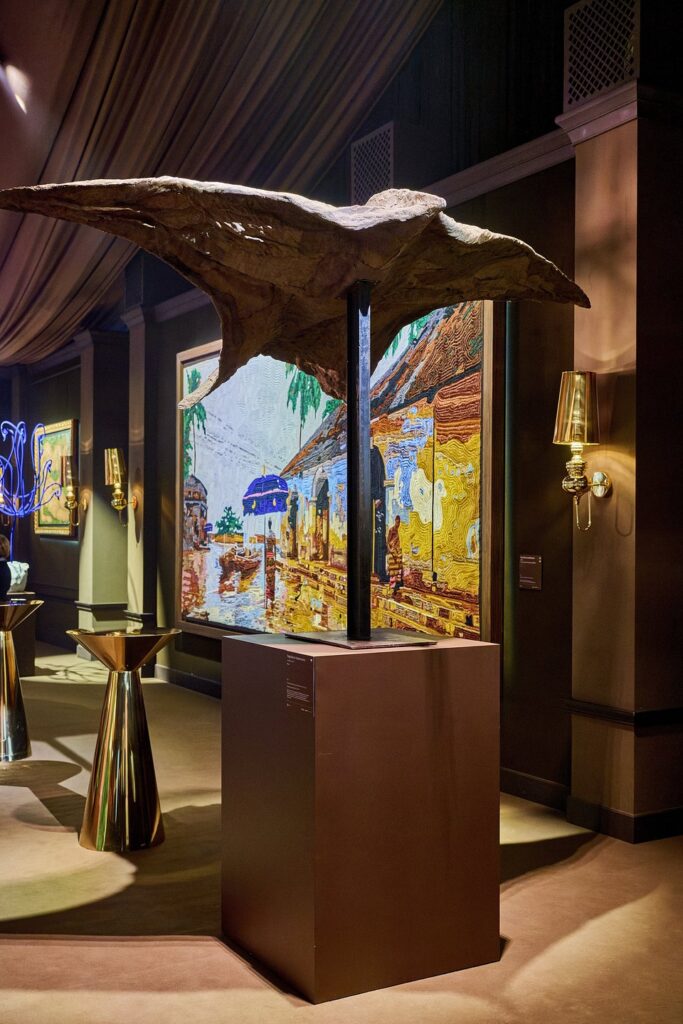
Looking at the results more broadly, one pattern stood out: sculpture performed exceptionally well, which is not that obvious. While painting continues to dominate much of the international art market, several of the evening’s strongest results came from three-dimensional works. Alongside Renes’s sculpture, Magdalena Abakanowicz’s Bird II sold for approximately PLN 1 million (€240,000), while Charlotte Colbert’s Out with Lanterns reached approximately PLN 1.3 million (€300,000), more than five times its upper estimate. Perhaps the evening’s biggest surprise came from a version of Constantin Brâncuși’s Mademoiselle Pogany, which achieved nearly PLN 1.33 million (€300,000)—almost ten times its estimated value.
Why Art?
Five years ago, TOP CHARITY was an ambitious fundraising experiment. Today, the auction is in a completely different place; it has become a point where several forces that shape the contemporary art world converge. The globalization of collecting, the growing visibility of African contemporary art, the return of private patronage, and a renewed interest in philanthropy make it appealing and ensure its continued success.
At a time when cultural institutions are searching for new sources of support and the wealthy are rethinking their role in society, the initiative shows what patronage might look like in the 21st century. And when selling and buying art can support great causes… why not?