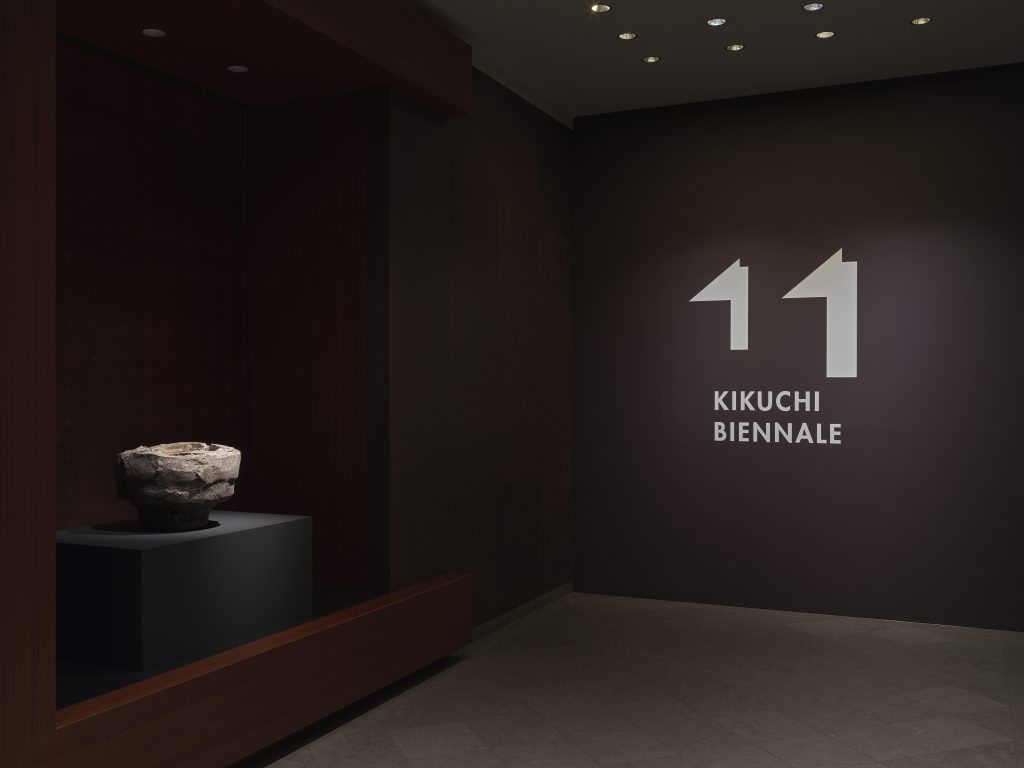
Held every two years since 2004 by the Kikuchi Foundation and the Kikuchi Kanjitsu Memorial Tomo Museum (commonly known as Tomo Museum or Musée Tomo), the Kikuchi Biennale has established itself as one of the most significant platforms for contemporary ceramic practice in Japan. Free of restrictions on age, nationality, form, or scale, the 11th edition attracted a record 452 submissions—including 86 from 33 countries and regions outside Japan—reflecting both the vitality of the medium and its expanding international reach.
History Behind the Tomo Museum
In ceramics, context is never incidental: the conditions of the environment shape not only how objects are made, but how they gain meaning in the hands of their makers and in the eyes of their viewers. Tomo Museum was founded in 2003 by collector Kikuchi Tomo (1923–2016), who had an exceptionally personal relationship with clay that began long before the institution itself.
During World War II, after evacuating from Tokyo, Tomo relocated to Takahagi, a coastal city in Ibaraki Prefecture, about 165 kilometres north of the capital, where her father, Kikuchi Kanjitsu, was involved in the coal mining industry. There, her father had built a noborigama—a traditional climbing kiln. Just over 20 years old and having recently lost people close to her, Tomo witnessed raw clay being cast into the flames and re-emerging as a new form—an image she later described as resembling a life force itself.
That early encounter left a lasting imprint on her understanding of both ceramics and the fragile continuity of life, and guided her lifelong commitment to contemporary ceramics. Tomo had been collecting ceramics long before founding the museum, and her collection naturally became its founding collection. She has shaped the museum as a space devoted not only to preserving tradition but to tracing the unpredictable vitality of living practice, a mission that continues today through exhibitions devoted to modern and contemporary ceramists.
Kikuchi Biennale XI—5 Highlights
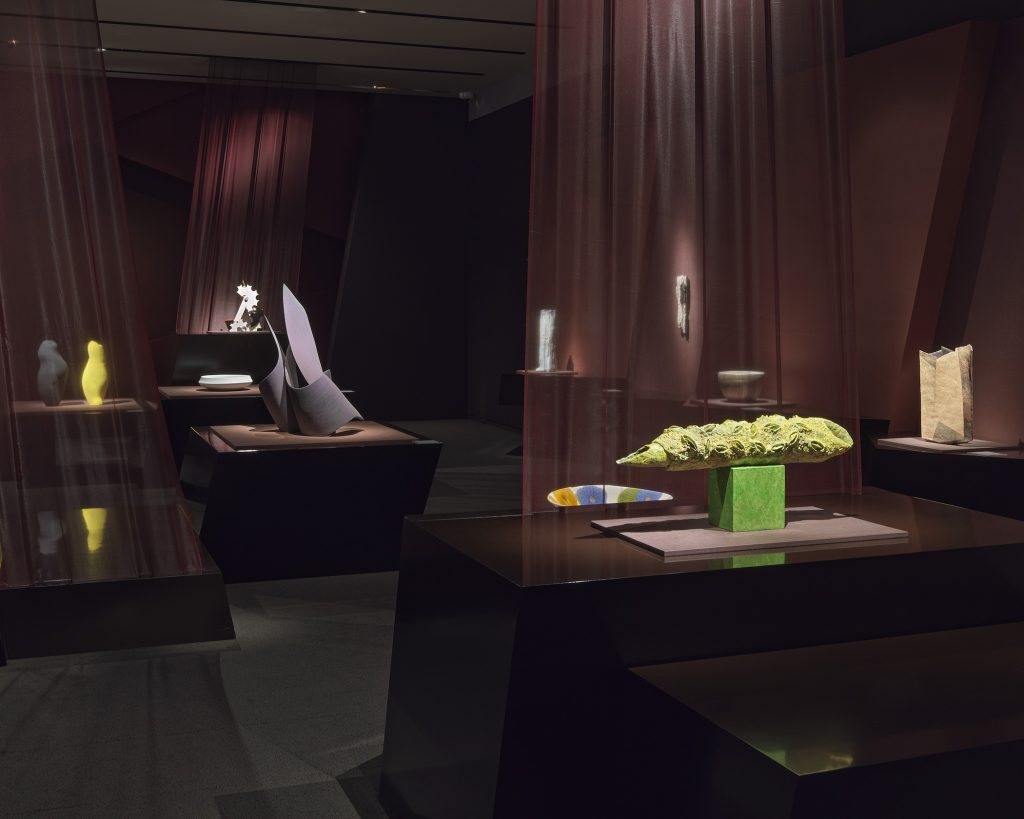
Through a rigorous two-stage selection process—first through photographs, then through the physical examination of the works—46 pieces were ultimately chosen, including 5 prizewinning works. Spanning vessels and sculptural objects alike, the selected works reveal an extraordinary range of formal invention and technical intelligence, offering a multifaceted portrait of what ceramics mean today. These works are currently presented in the Kikuchi Biennale XI: The Present of Ceramics exhibition, on view until March 22, 2026, at the Tomo Museum.
Below, five prize-winning works are presented to help you grasp the current state of contemporary ceramics and the Biennale’s conceptual directions.
1. Contemplation on Borders by Gaku Nakane
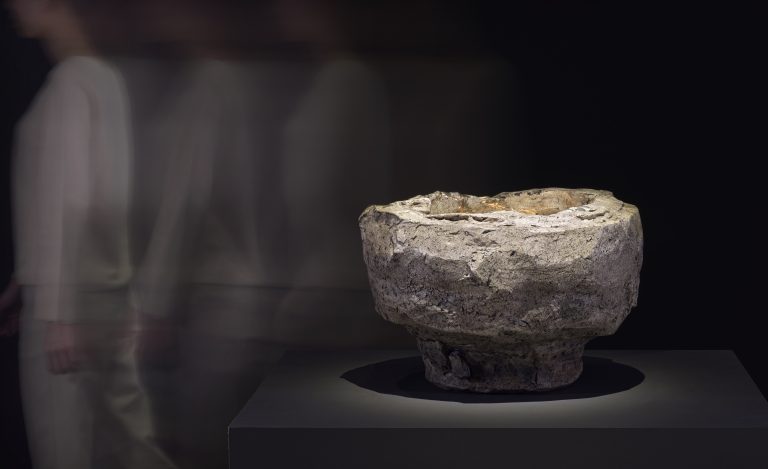
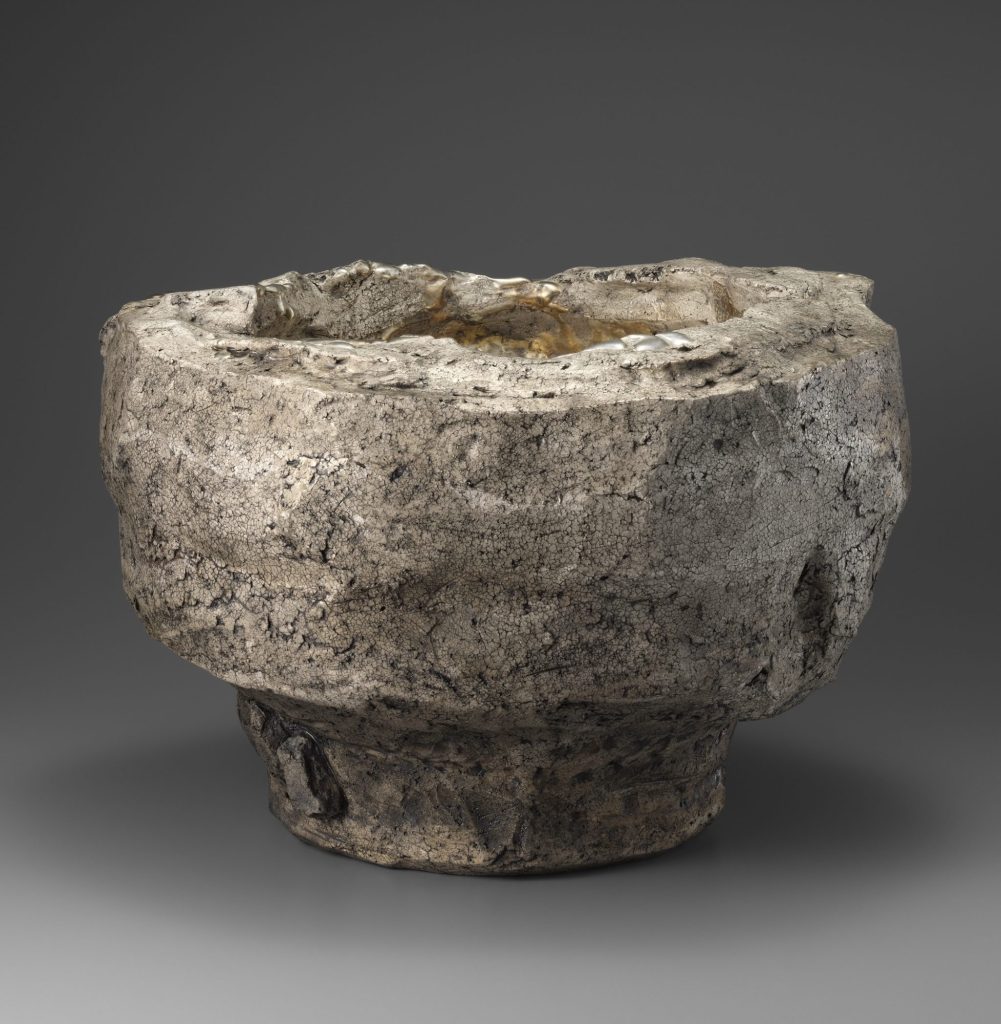
The Grand Prize was awarded to Contemplation on Borders by Gaku Nakane, who made history with his victory. This marks the first time in the Kikuchi Biennale’s history that its top prize has gone to an artist who was in their twenties at the time of application. Born in 1995 and raised in Shiga Prefecture with a ceramist father, Nakane’s work is shaped by an early intimacy with natural landscapes.
At first glance, the work resembles carved stone, yet its main power lies in its gentle conceptual subtlety. In fact, it is coil-built by hand and hollow inside. This construction draws on a distinctly Japanese sensitivity toward vessels, where even non-functional objects are often perceived as if they might be used. Slight hollows and inner voids invite the imagination to assign utility where none exists. In doing so, Contemplation on Borders questions the fragile line between sculpture and vessel, between “something” and “not something,” revealing a beauty that emerges precisely in that in-betweenness.
2. David XVIII by Helmie Brugman
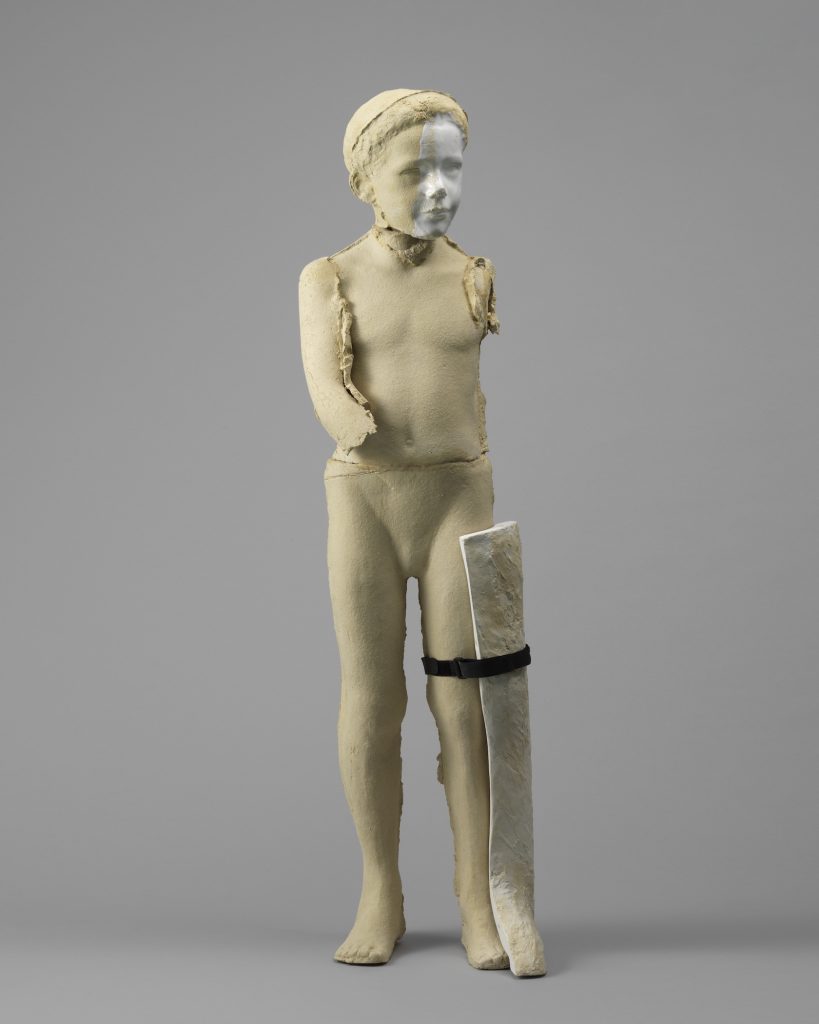
Helmie Brugman is a Dutch ceramic artist, and her work, David XVIII, awarded the Merit Prize, approaches ceramics through the language of the human body. It draws on Michelangelo’s David, reworking the iconic figure into a fragile, child-like form that appears slightly unstable, with limbs that seem almost pieced together. By reshaping a classical ideal of beauty into something more vulnerable and ambiguous, Brugman opens up questions about identity, perfection, and the malleability of life.
Working through casting, she embraces repetition while simultaneously insisting on difference. Each figure, though derived from the same mold, is altered to evoke distinct emotional and psychological states. In Brugman’s hands, clay becomes a material uniquely suited to exploring identity and the malleability of life itself. David XVIII thus asserts ceramics as a sculptural medium capable of carrying existential weight—quietly, insistently, and without unnecessary theatricality.
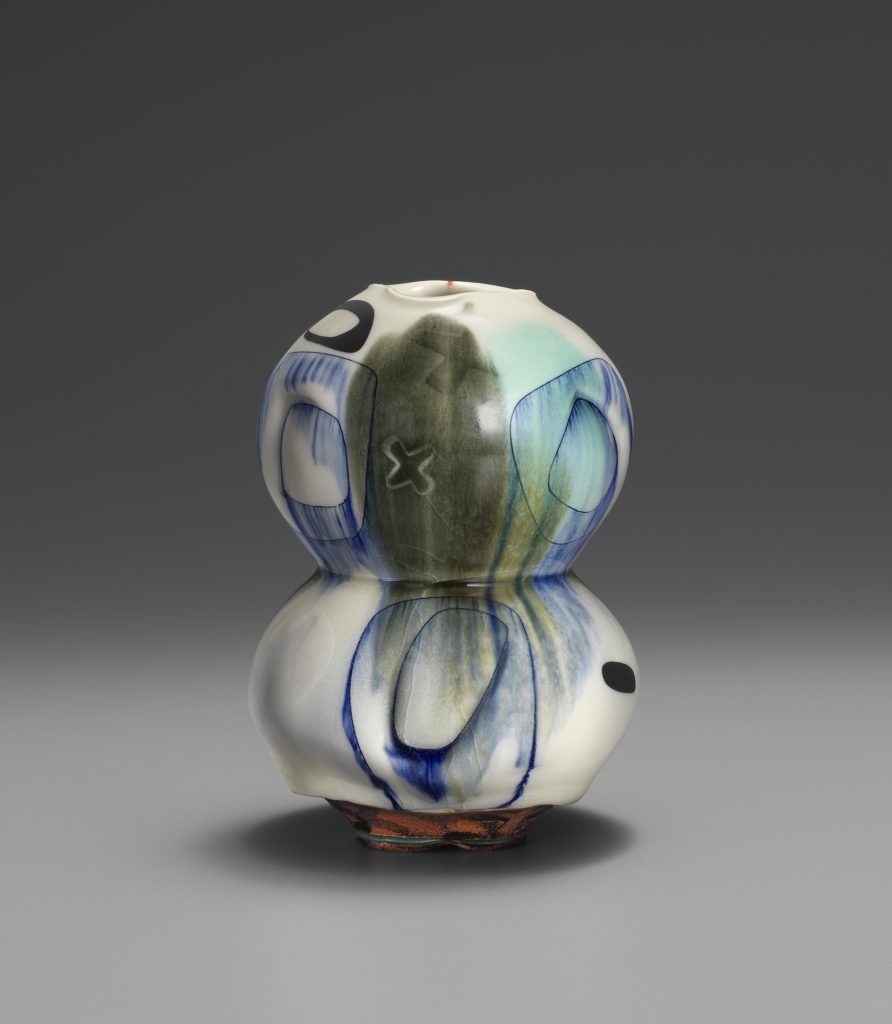
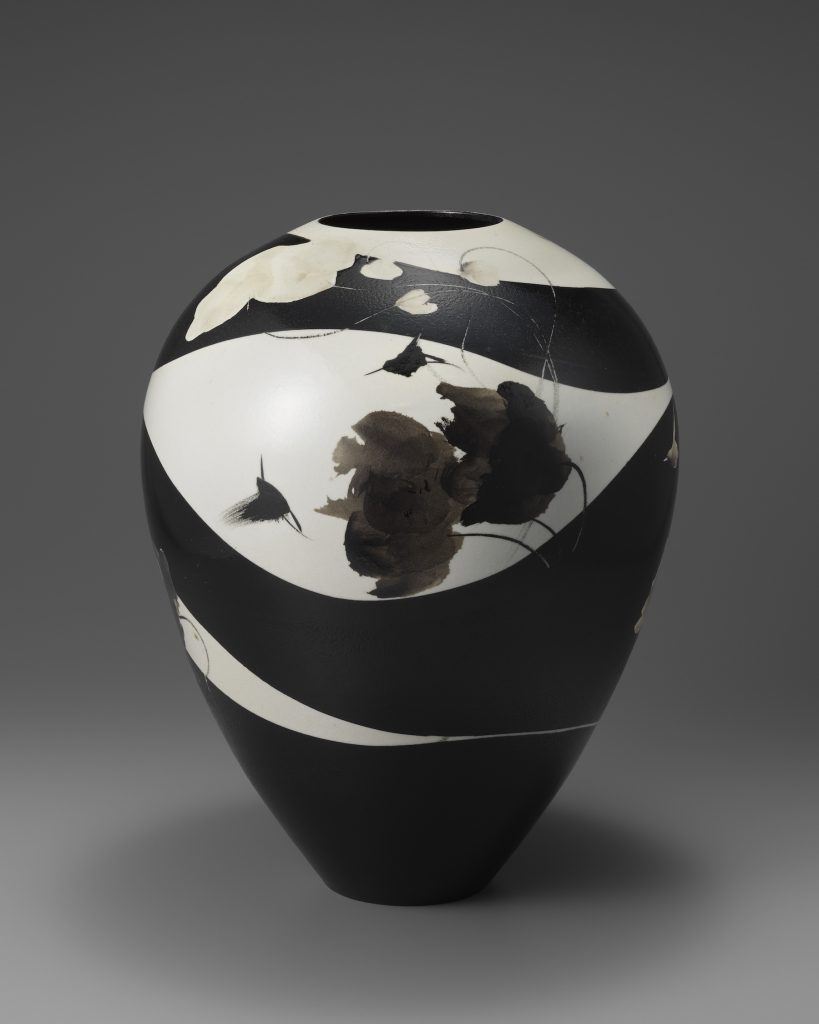
3. Gourd Vase by Ray Brown
At first glance, Ray Brown’s Gourd Vase appears modest in scale, yet it reveals a striking intensity of intention. Based in the United States, Brown approaches ceramics through the lens of utility, crafting forms meant not only to be seen but handled, inhabited, and lived with. His vessels are soft and inviting, yet disciplined by confident lines and energetic surface decoration.
Inspired by architecture and the curvilinear aesthetics of the Streamline Moderne style, Brown translates two-dimensional patterns into three-dimensional, pressurized volumes that appear to inhale. The result is ceramics that ask the viewer—and the potential user—to slow down, to register the quiet beauty of proportion, surface, and touch. In a time marked by large-scale sculptural statements, Gourd Vase reminds us that contemporary relevance can also reside in objects not necessarily dependent on scale.
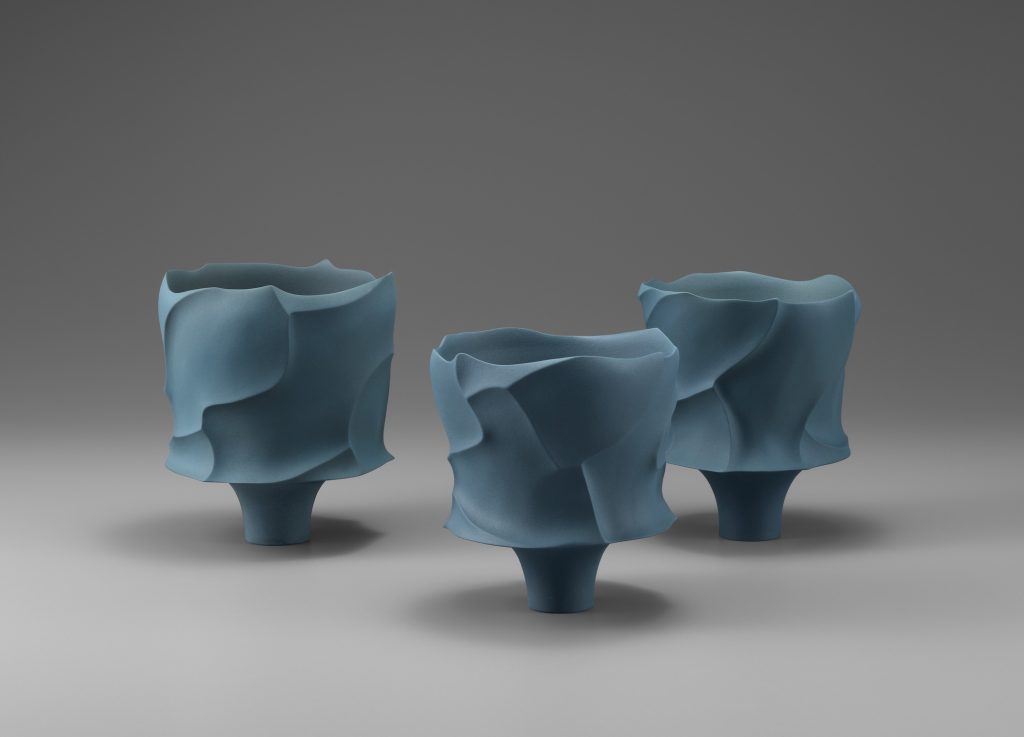
4. Narrative by Daniel Chau
Daniel Chau’s Narrative, a trio of sculptural pots that seem to almost float, unfolding as a meditation on memory, repetition, and the quiet persistence of making. Based in the UK, Chau approaches proficiency not as virtuosity on display, but as a slow accumulation of fluency between body and material. Thrown on the wheel, his forms bear traces of motion which he partially erases and re-inscribes, layering time into the surface itself. Through very subtle variations in texture and contour, Narrative stages a dialogue between form and making, where each object seems to remember its own making. In Chau’s work, ceramics is not so much an assertion of form, but rather a record of process—a sedimentation of gestures that invites viewers into a reflective, intimate encounter with this ancient craft.
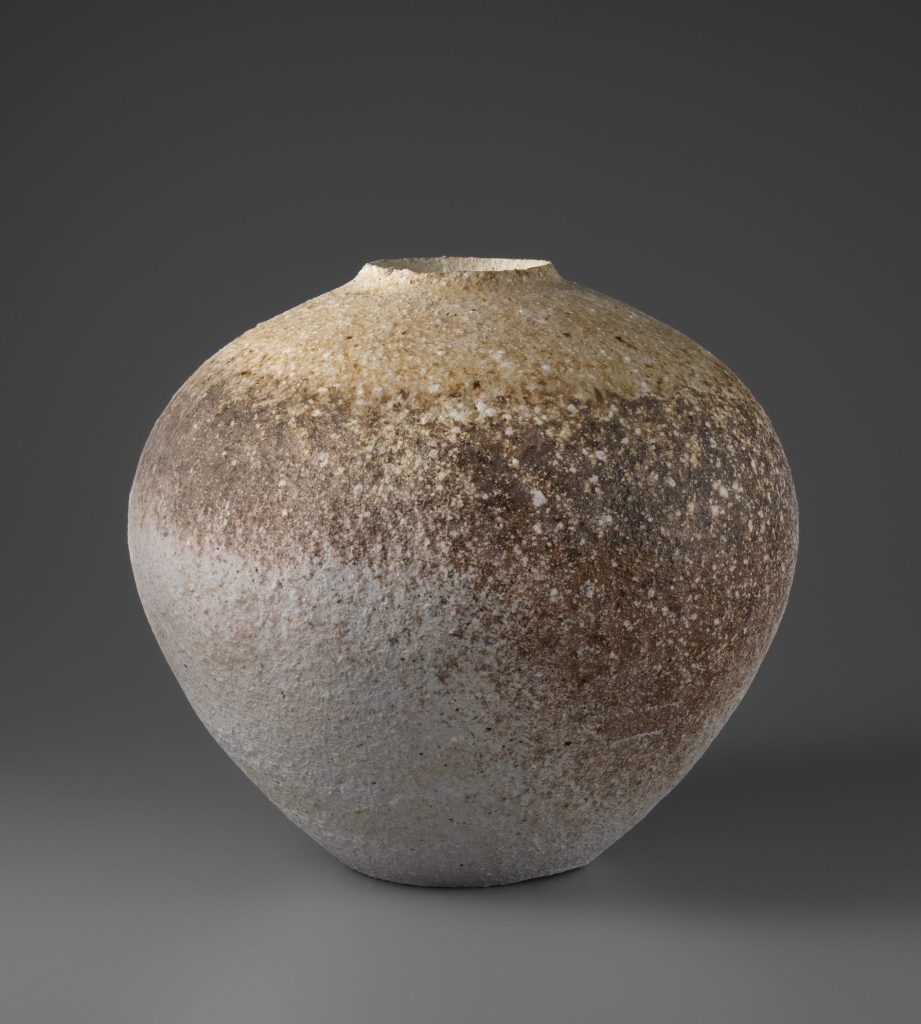
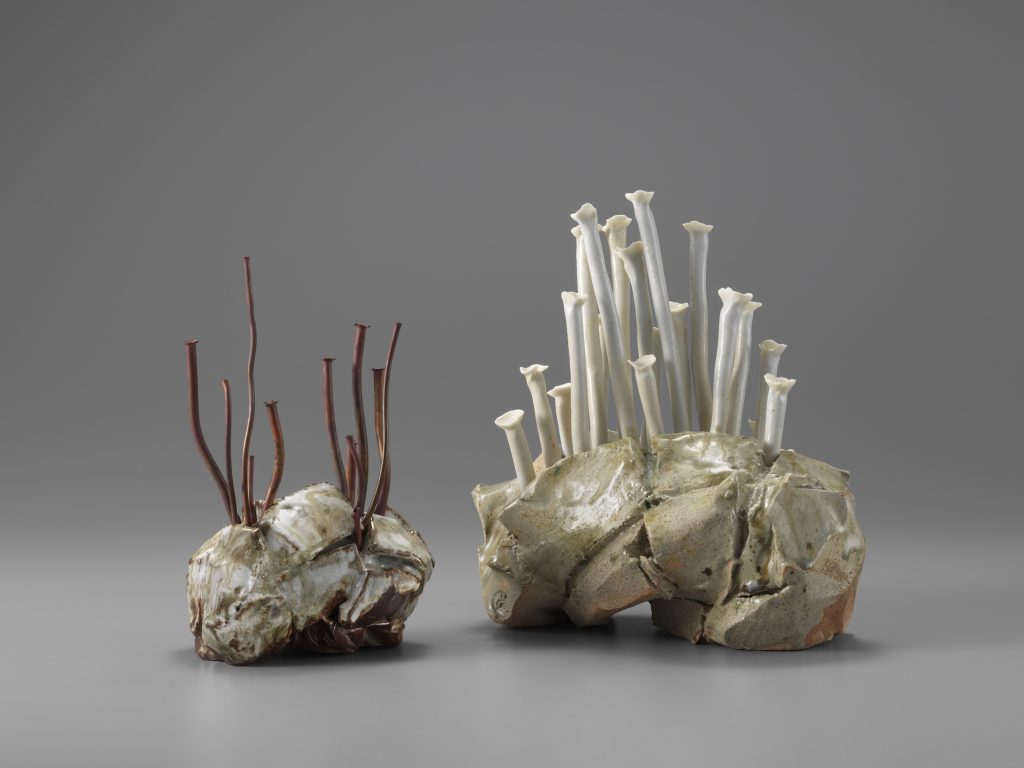
5. Bizen Wild Porcelain Jar by Kazuya Ishida
Embedded deeply in place and material, Kazuya Ishida’s Bizen Wild Porcelain Jar reconsiders the future of ceramics through an exploration of porcelain’s material qualities and its limitations. Mining his own clay in Bizen City, Okayama Prefecture, Ishida works with material rich in coarse particles and minerals, producing surfaces that retain an organic, almost geological presence.
For Ishida, Bizen ware is not merely a matter of clay or firing technique, but a “spirit of engaging with material”—an ethic inherited from generations of predecessors. By applying this philosophy to porcelain and shaping it into the universal form of a jar, he stages a subtle yet radical dialogue between refinement and rawness, tradition and reinvention. The result is a work that continues an ongoing history, examining how inherited knowledge can remain alive through material experimentation.
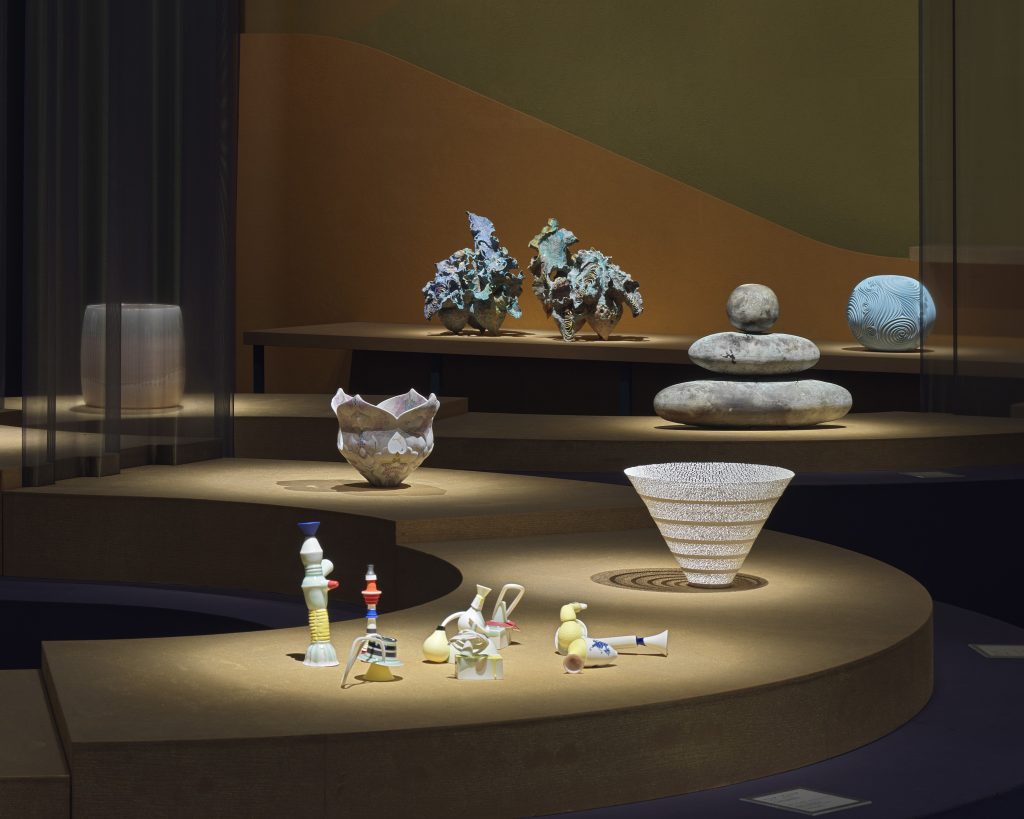
Undoubtedly, there is much to explore beyond the prize-winning works. The exhibition of Kikuchi Biennale XI unfolds a rich landscape of various ceramic practices, spanning small vessels, large sculptural propositions, and everything in between. Together, the 46 selected works reveal not a static vision of contemporary ceramics, but a constellation of approaches shaped by different relationships to material, scale, tradition, and concept.