
Mesmerizing Autumn Landscapes from the Hudson River School
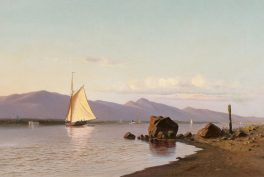
Autumn has arrived, and the Hudson River School artists are here to remind us how beautiful it is. Through their stunning landscapes, they captured...
Jimena Escoto 8 October 2026
8 October 2026 min Read
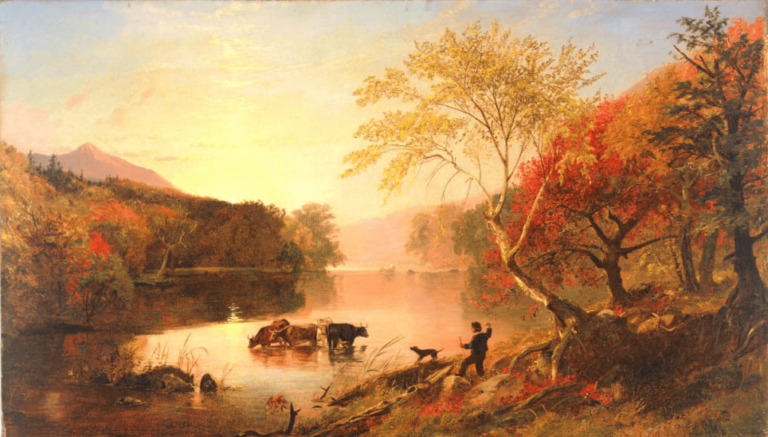
Jasper Francis Cropsey, Autumn on the Hudson, c. 1860, De Young Museum, San Francisco, CA, USA.
Jasper Francis Cropsey (1823–1900) was an American artist of the Hudson River School movement. He is often called “The Painter of Autumn” because of his colorful autumnal landscape paintings. You can enjoy them any time of the year, but they are especially spectacular in the Autumn season!
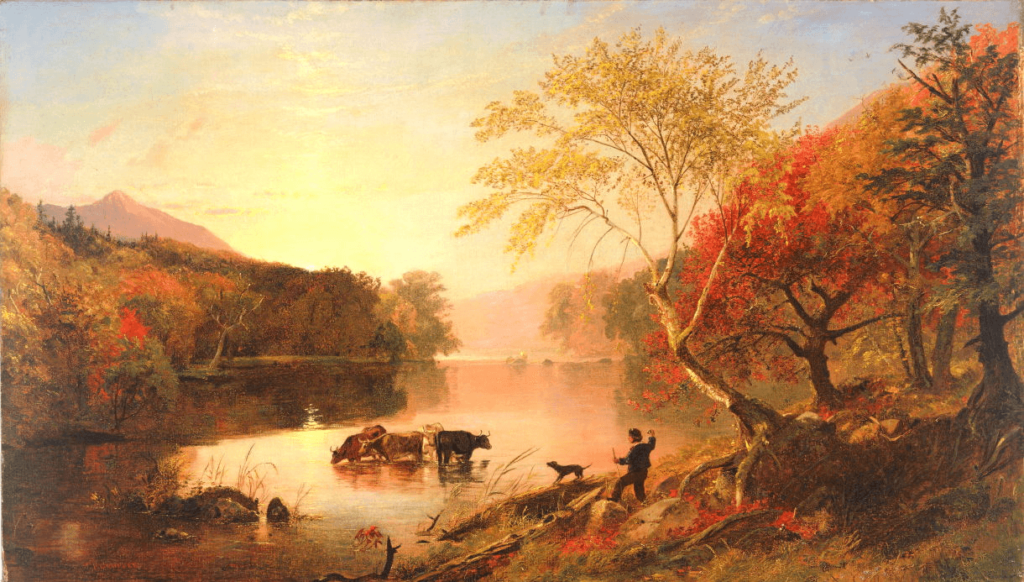
Jasper Francis Cropsey was born on Staten Island, New York. He started his career as an architect, but he had always loved to paint. For a while, he worked as an architect and pursued painting on the side. Eventually, he began painting full-time, although he would eventually return to architecture. This was the 1840s when Hudson River School landscape painting was at the height of its popularity. Cropsey would also suffer the movement’s decline in the later 19th century, after the American Civil War. He soon became a success, alongside American greats like Thomas Cole and Frederick Edwin Church.
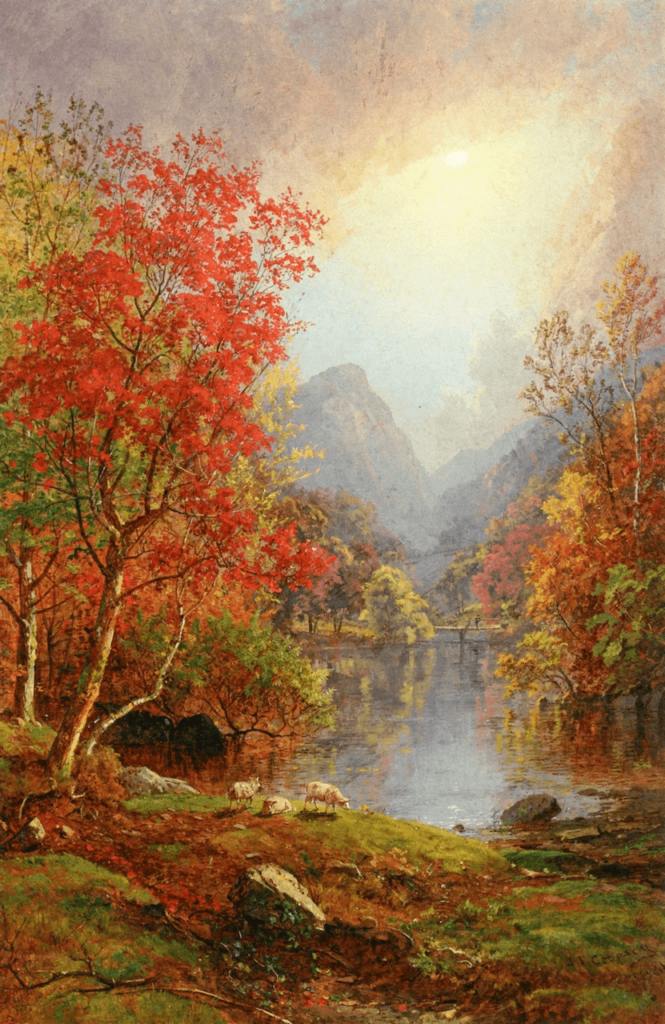
Cropsey painted autumn landscapes more beautifully than anyone else, and he also painted much more of them than anyone else. There are at least 50 of his paintings with the word “autumn” in the title, plus many more with related words like “October” or “Indian Summer”. Cropsey also portrayed fall foliage in works without seasonal titles, like In the Ramapo Valley (above).
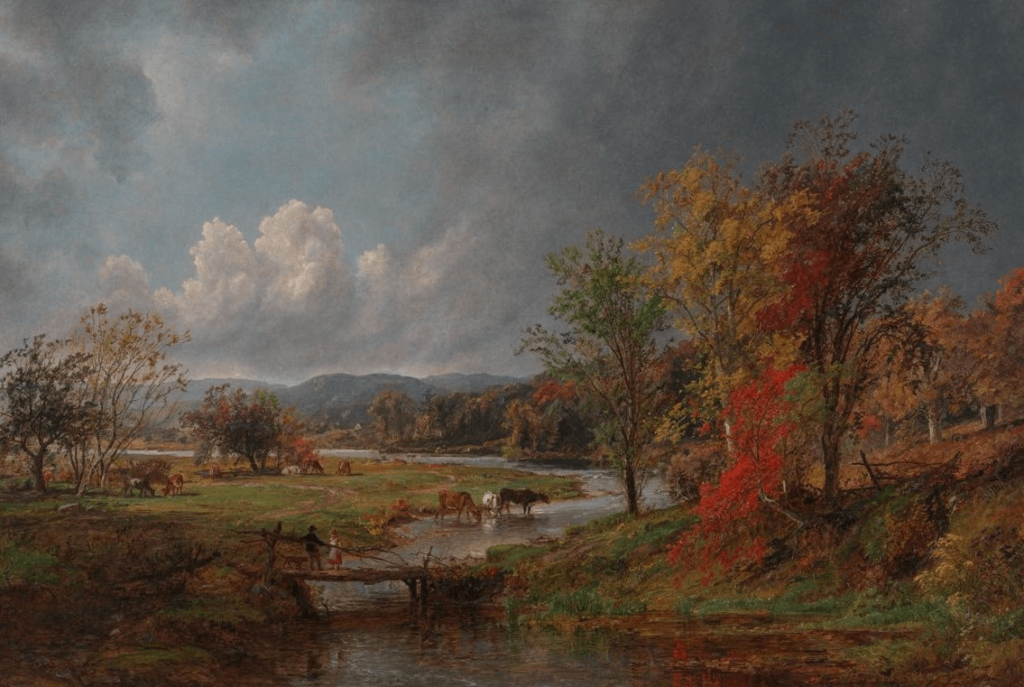
Although Cropsey traveled extensively in Europe and painted some European landscapes, he set most of his works in the northeastern United States. He most frequently featured landmarks in his home states of New York and New Jersey. For example, the Susquehanna, Hudson, and Delaware Rivers appear in many of his paintings. His wife, Maria, came from the Greenwood Lake area on the New York-New Jersey border. The couple lived there after their marriage, and Greenwood Lake was one of Cropsey’s favorite subjects to paint.
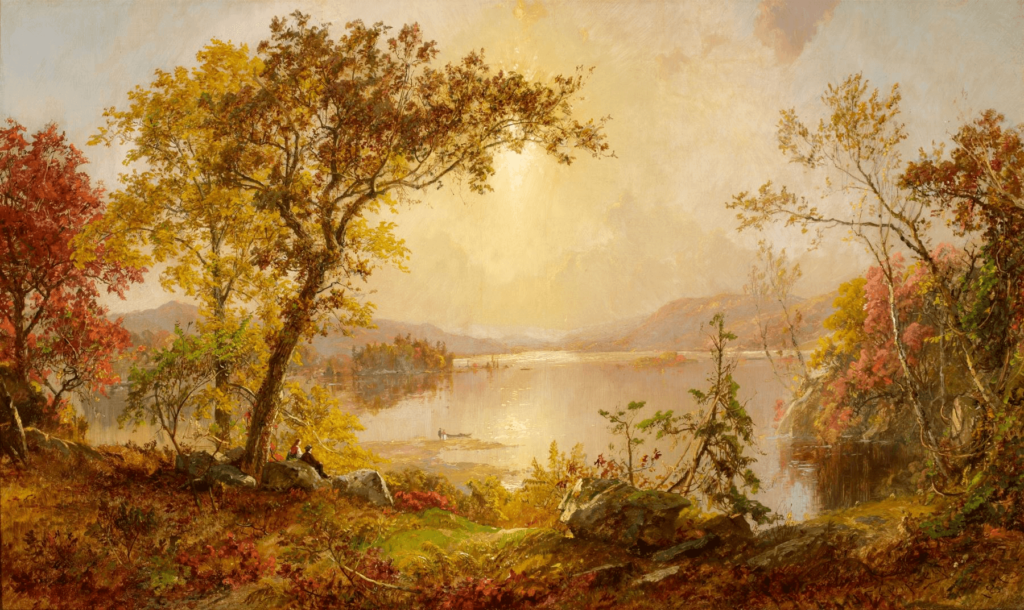
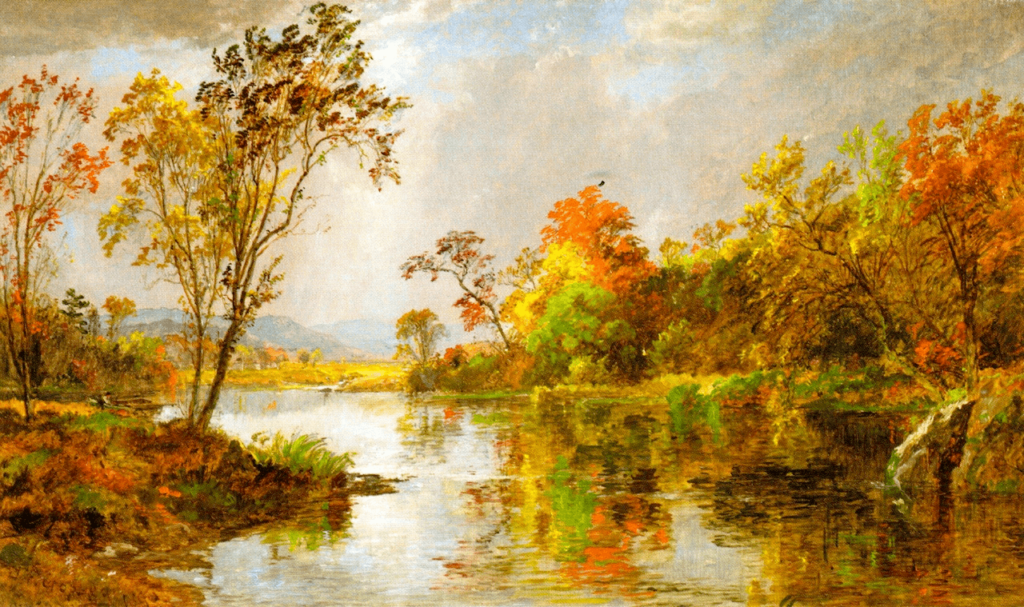
Jasper Cropsey’s fall landscapes are very appealing, largely because of their intense yellows, oranges, and reds. Cropsey was able to capture nature’s autumnal palette so vividly using chemical-based paints that first appeared in the mid-19th century.
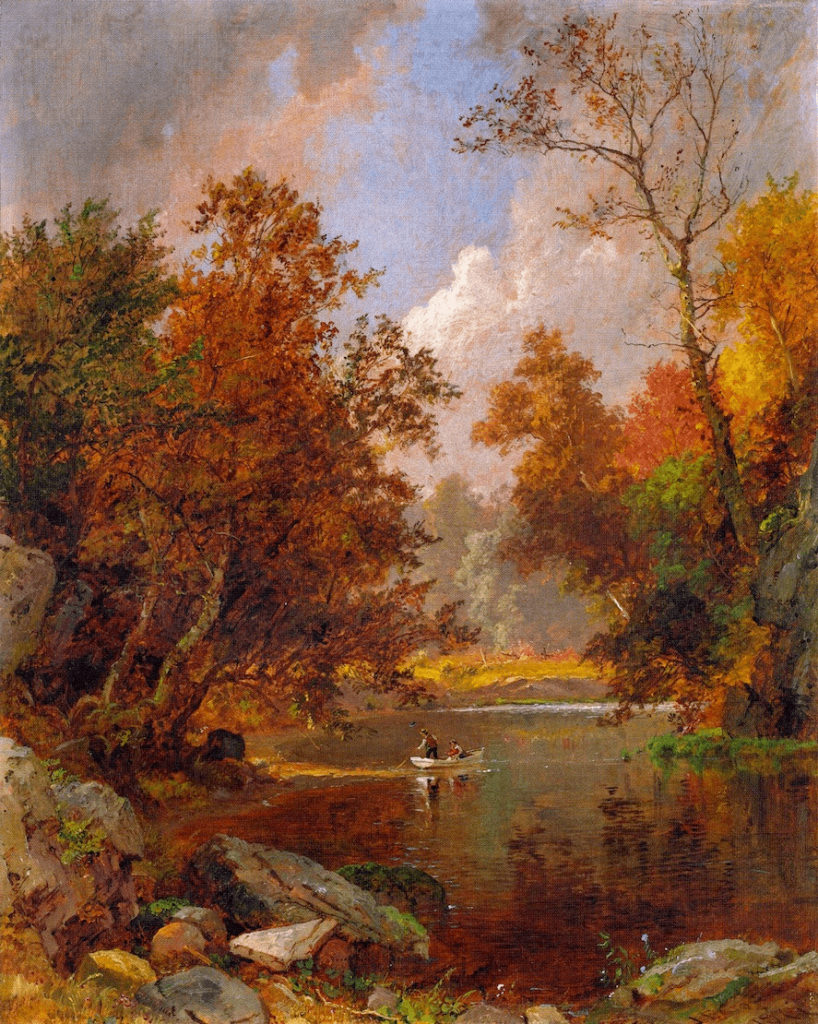
Everything about Cropsey’s peaceful, bucolic landscapes is warm and inviting. Some paintings are highly detailed while others are more painterly. Despite being an architect, Cropsey rarely included buildings in his compositions. Like Thomas Cole, one of his main influences, Cropsey seems to enjoy commemorating a fading, pre-industrial America. Instead of showing signs of modernity, he populated his works with trees, water, animals, and occasional people.
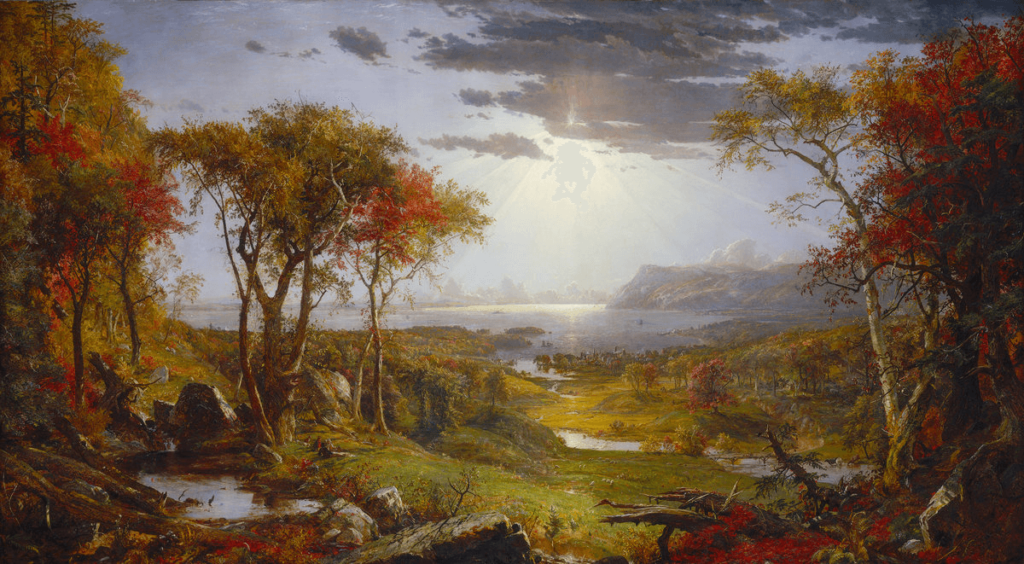
Cropsey painted Autumn on the Hudson River (above) during an extended stay in London. He wanted the English to see America’s beauty, so he exhibited the work in an attention-getting solo show. He and his wife even showed the piece to Queen Victoria in person. Legend has it that the Queen expressed disbelief about its intense colors. She suspected that the artist had exaggerated the vibrancy of foliage in his native land, so he supposedly had real autumn leaves sent over from America to prove the point. Autumn in the northeastern United States is genuinely this beautiful, and in my opinion, it’s the most beautiful time of the year!
Lewis, Michael J. American Art and Architecture. New York: Thames & Hudson, 2006. p. 125.
“Jasper Cropsey: a brief biographical sketch“. Hastings-on-Hudson, NY: Newington-Cropsey Foundation.
“Jasper Francis Cropsey“. Washington DC.: Smithsonian American Art Museum.
Rebora, Carrie. “Jasper Cropsey” in American Paradise: The World of the Hudson River School. New York: Metropolitan Museum of Art, 1987. p. 200-207. Accessed online.
DailyArt Magazine needs your support. Every contribution, however big or small, is very valuable for our future. Thanks to it, we will be able to sustain and grow the Magazine. Thank you for your help!

Alexandra Kiely is an independent art historian based in the greater New York area. Her work focuses on making art, architecture, and art museums understandable to a general audience. She is the author of The Art Museum Insider, a book that guides those without art history training to have more informed and empowered experiences with art. Visit her website, A Scholarly Skater, and follow her on Instagram.

Autumn has arrived, and the Hudson River School artists are here to remind us how beautiful it is. Through their stunning landscapes, they captured...
Jimena Escoto 8 October 2026
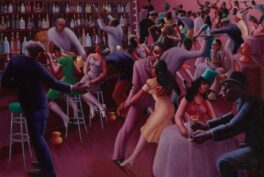
The Harlem Renaissance paintings capture one of the most influential cultural movements in American history. These extraordinary artists transformed...
Errika Gerakiti 20 July 2026
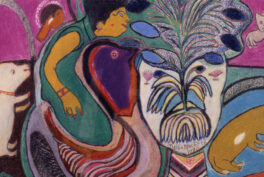
By transforming discarded objects into part of an organic environment and turning personal experience into visual language, Nellie Mae Rowe created...
Carlotta Mazzoli 11 May 2026
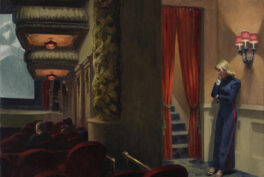
Edward Hopper was one of the most iconic American Realist painters and printmakers. He was celebrated for his striking portrayals of American life,...
Zuzanna Stańska, Szymon Jocek 27 March 2026