


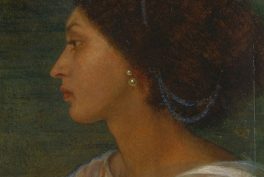
Fanny Eaton—Pre-Raphaelite Muse from Jamaica
Fanny Eaton was a regular model for the Pre-Raphaelites during the 1860s and features in a number of famous works. Yet for most of the last century,...
Catriona Miller 19 February 2026
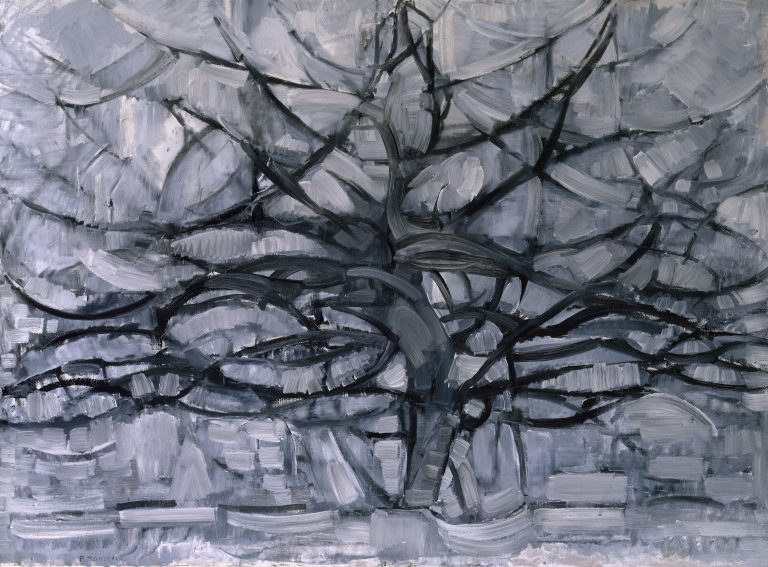
Piet Mondrian, The Gray Tree, 1912, Kunstmuseum Den Haag, Hague, Netherlands. Wikimedia Commons (public domain). Detail.
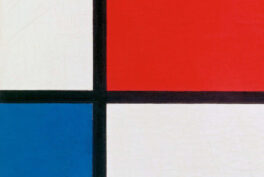
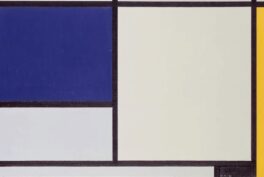
Piet Mondrian, one of the founders of the Dutch modern movement De Stijl, is mostly known for his pure abstractions from the 1920s, reduced to lines, rectangles, and primary colors. You know what I mean, the not-very-surprising Mondrian paintings:
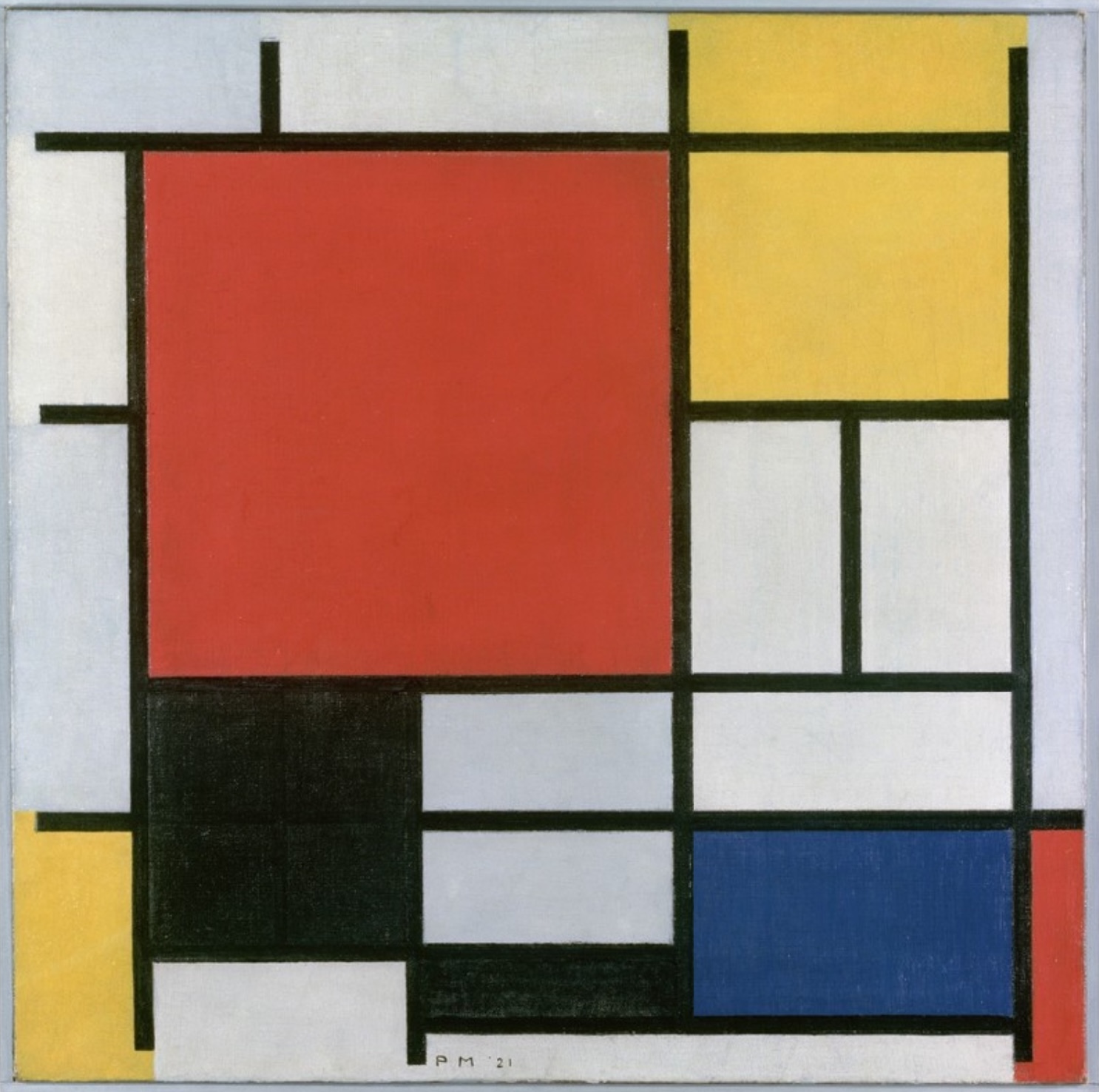
However, before Piet Mondrian came to this he was trying to find his way. He tried various styles of painting. A turning point in his career was in 1911 when he arrived in Paris from the Netherlands. He started to experiment with Cubism and integrated himself into the Parisian Avant-garde. At one point he removed an “a” from the Dutch spelling of his name (Mondriaan). That led him to his abstract ideas.
Cubism sounds close when you think about DeStijl and Neoplasticism, but Symbolism? Post-impressionism? Here you will find five surprising Mondrian paintings from the collection of Kunstmuseum Den Haag which is filled with works from his early period that you wouldn’t expect!

This painting could surprise any lover of Mondrian’s minimalistic compositions. The bold, contrasting shades and the background composed of curved lines could make one think of Edvard Munch. The girl’s focused gaze and the title Devotion put it in a symbolic context. What could she be devoted to – God, her parents, her best friend, or school? All of this is represented by the flower above her head, choose your favorite interpretation!

Red windmill on a red field with a yellow sky? It can only be Fauvism. The second of our surprising Mondrian paintings shows reality in a completely unrealistic color palette, which was the specialty of Fauvist painters. The use of yellow, blue, and red could be seen as an introduction to Mondrian’s later compositions.
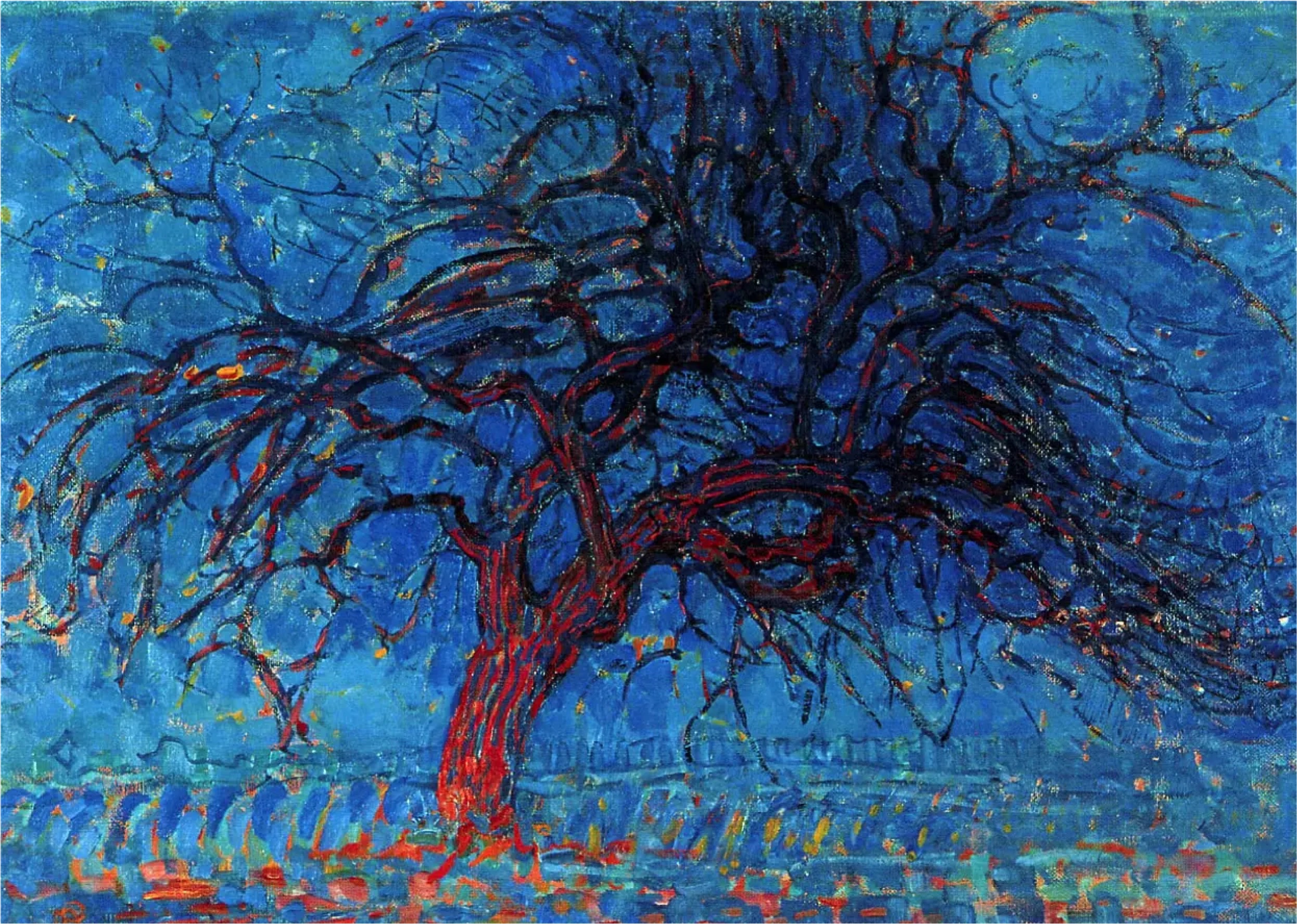
The evening tree could easily be a work by the famous Post-impressionist painter Vincent van Gogh. The expressionistic tree branches and the red trunk create a strong contrast with the blue background. Even though we know we are looking at a landscape, the composition does not have much depth. Maybe at this point, Mondrian was already experimenting with flatness in painting.

Cubism is all about transforming everyday objects into geometric compositions. To goal was to change the items up to a point where the viewer can still recognize them, but at the same time not consider them as realistic representations. In Still Life with Ginger Jar I, we can see a jar that is probably standing on a table, surrounded by other kitchen items reduced to geometrical shapes.
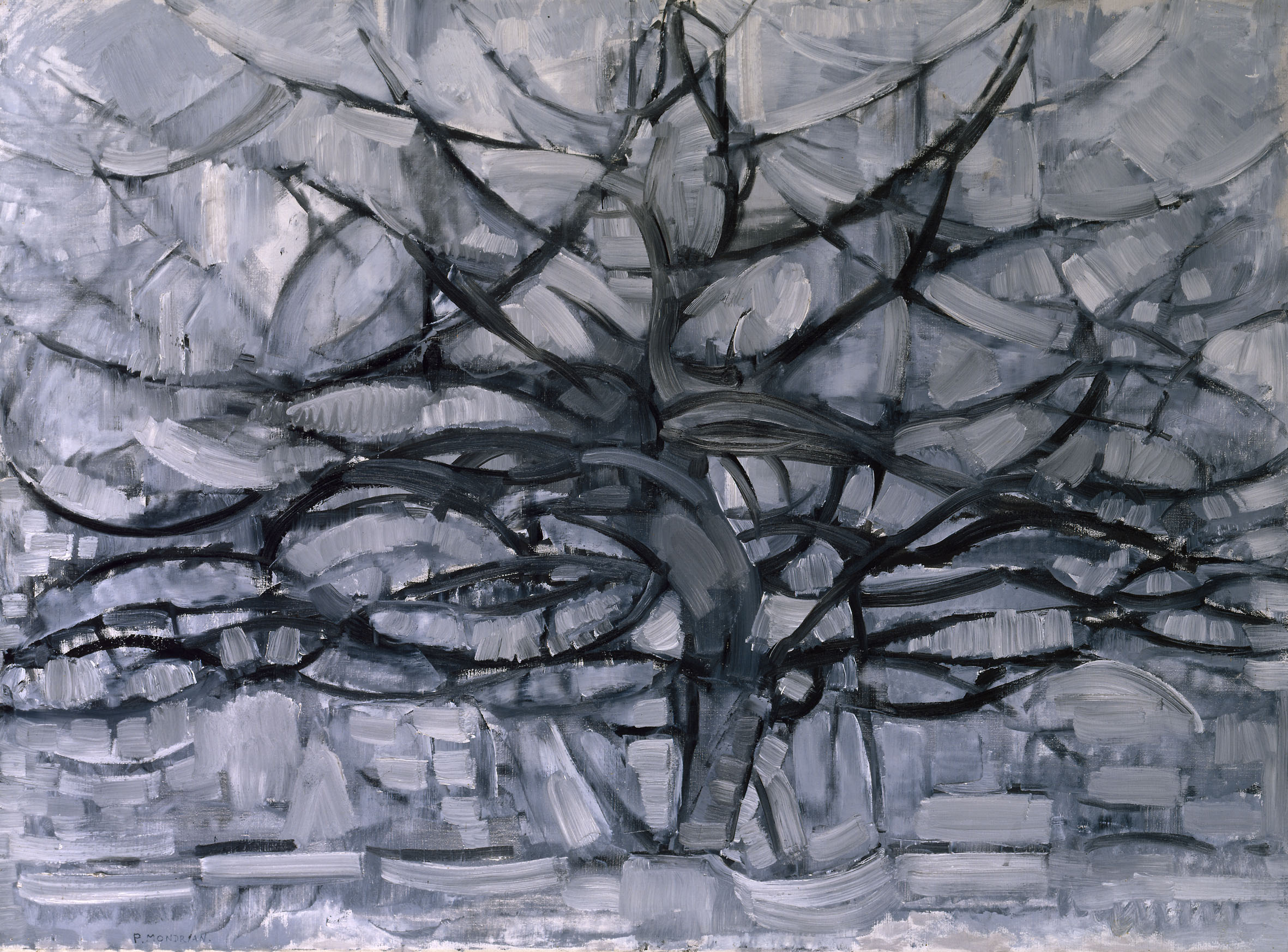
The same happened with The Grey Tree. We can still name it, but definitely, we can’t look at it as a lifelike composition.
Get your daily dose of art
Click and follow us on Google News to stay updated all the time

DailyArt Magazine needs your support. Every contribution, however big or small, is very valuable for our future. Thanks to it, we will be able to sustain and grow the Magazine. Thank you for your help!

Art Historian, founder and CEO of DailyArtMagazine.com and DailyArt mobile app. But to be honest, her greatest accomplishment is being the owner of Pimpek the Cat.

Bec is an art nerd, bicycle enthusiast, cat mom, artist/crafter/maker from sunny Toronto, Canada.

Art historian living in Chicago. Passionate about women artists and abstract art.
Fanny Eaton was a regular model for the Pre-Raphaelites during the 1860s and features in a number of famous works. Yet for most of the last century,...
Catriona Miller 19 February 2026
From van Gogh’s sunflowers, through golden dresses, to tranquil landscapes—yellow lights up the scene. It is the color of the sun, associated...
Kinga Dobosz 26 February 2026
For centuries, artists interpreted the biblical story of Salome and turned it into a lasting theme in art. But where did this fascination come from?...
Edoardo Cesarino 22 January 2026
Olga Boznańska was one of the greatest Polish painters of the late 19th and early 20th centuries, known mostly for portraits with muted, elegant...
Kinga Dobosz 25 December 2025