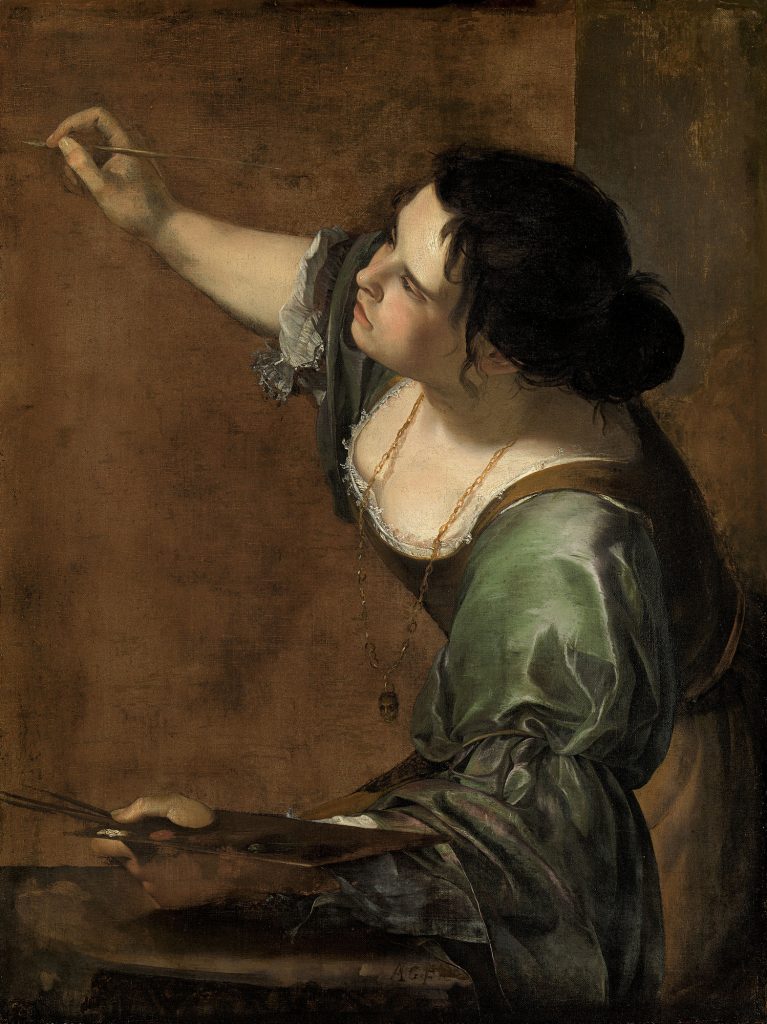
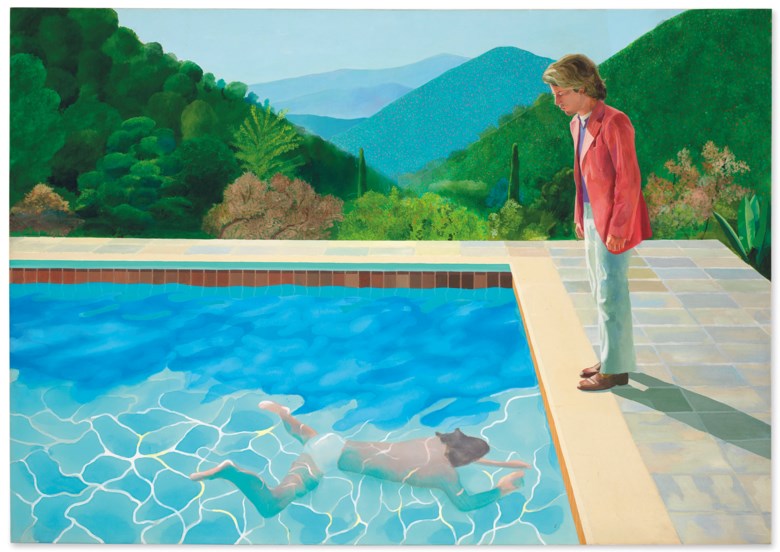
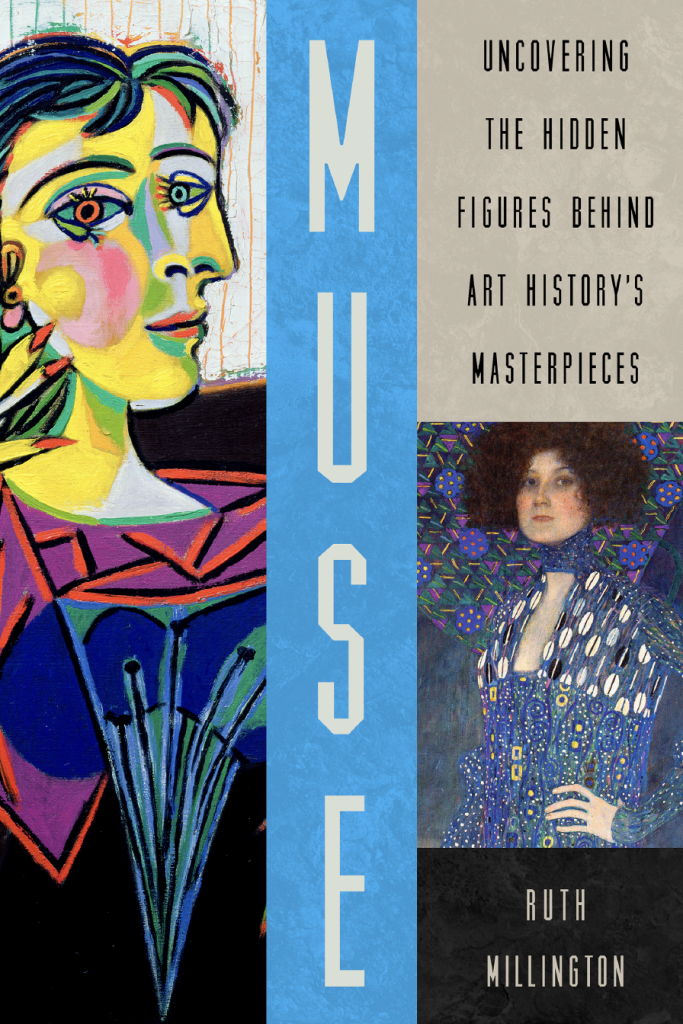
The book presents a history of 30 artworks focusing on their depicted models. The reader will find an extremely varied choice of works by artists coming from different countries, cultures, backgrounds, ethnicities, and genders. What Millington offers in the first place is a diversified lens on the history of art, one that doesn’t only focus on white, Western male artists. This is something that has to be emphasized and praised. I was very happy that while reading I learned about several artists that I didn’t know before. I would certainly recommend the book if you would like to discover new artists.
In the very beginning, the reader can read a definition of the muse as “the source of an artist’s inspiration”. This explanation allows for quite a broad understanding of the subject. It doesn’t imply that the source has to be a person, nor does it suggest their gender. This wide perception of the term allowed Millington to create a very unforeseen structure for her book. She divided the story into seven parts, each with a different theme among them: The Self as a Muse, Muse as Message, or The Artist as Muse. Behind these names are examples showing how we can understand the concept of a muse in various artworks.
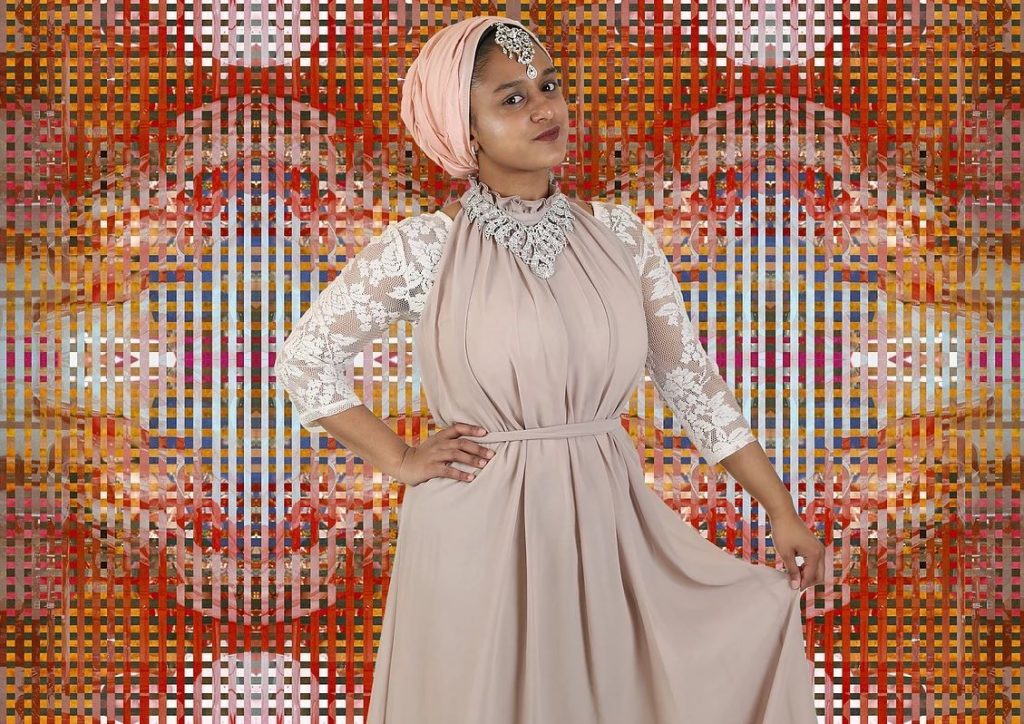
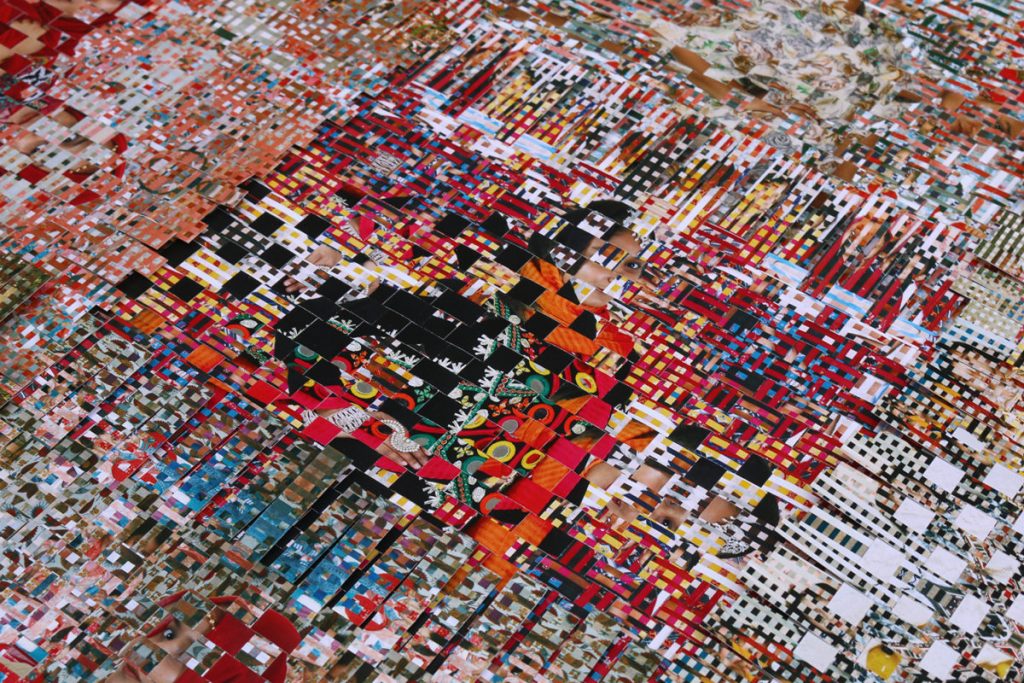
For example, one chapter is dedicated to Nilupa Yasmin, a British–Bangladeshi artist, whose preferred medium is textile. Yasmin became inspired by the culture of weaving that is present both in the Bengali tradition and in Coventry, where she went to university. The artist had seen her grandmother using a hand-woven mat (shital pati), which is made from strips of cane and is used by Bengali people as support during prayer or when lying down. At university, Yasmin learned that Coventry presents a rich history of ribbon weaving. It was the main place of production in the UK between the 18th and 19th centuries. The artist created Bayin, which represents the two cultures she is a part of.
In this case, the muse wasn’t a person but a compilation of the different cultures surrounding the artist. This way of understanding the idea of inspiration opens up the possibilities for completely new art history. It allows us to leave the stereotypical dichotomy between the male artist and the female model. Nilupa Yasmin is both her own inspiration and the artist.
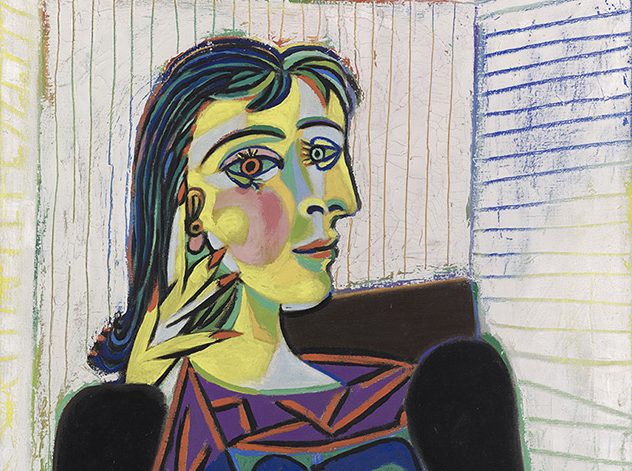
The book also offers stories on very iconic and well-known art pieces such as Picasso’s portraits of Dora Maar, the self-portraits of Frida Kahlo, or the story of Salvador and Gala Dali. The text is beautifully illustrated with black and white images introducing each artist. I hope that one day it could be published as a large format art book with colored reproductions of the works; it is the only aspect I was missing while reading.
I highly recommend this book to any art lover who wants to broaden their horizons and challenge their way of thinking!
Muse – Uncovering the Hidden Figures Behind Art History’s Masterpieces by Ruth Millington was published in May 2022 by Pegasus Books and is available for purchase.