


Experimenting on Paper: 3 Artists Following in Rembrandt’s Footsteps
This Autumn, the Rembrandt House Museum opens up its treasure chest: more than 50 works on paper from the museum’s prized collection show how...
Guest Author 19 October 2026
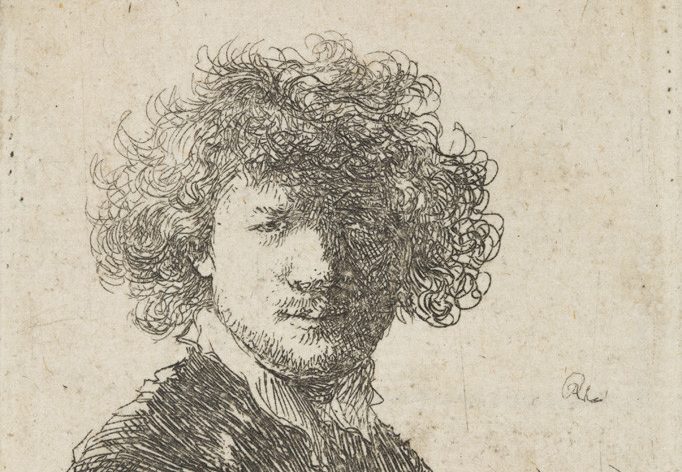
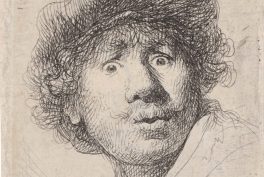
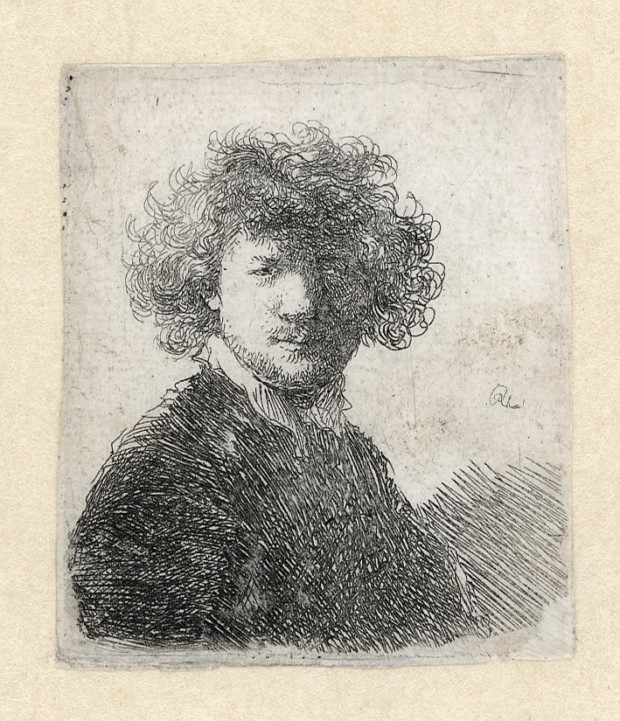
Rembrandt, Self-Portrait With Curly Hair, c. 1629, Rembrandt House Museum, Amsterdam, Netherlands. Detail.
If you happen to find yourself in Amsterdam, then you simply can’t miss the Rembrandt House Museum (Museum het Rembrandthuis). It was the Rembrandt family’s home between 1639 and 1658, which was turned into a museum over 100 years ago. If you still have doubts about whether you should spend a couple of hours of your precious time precisely there, here are eight reasons why you should make up your mind and go to the Rembrandt House Museum.
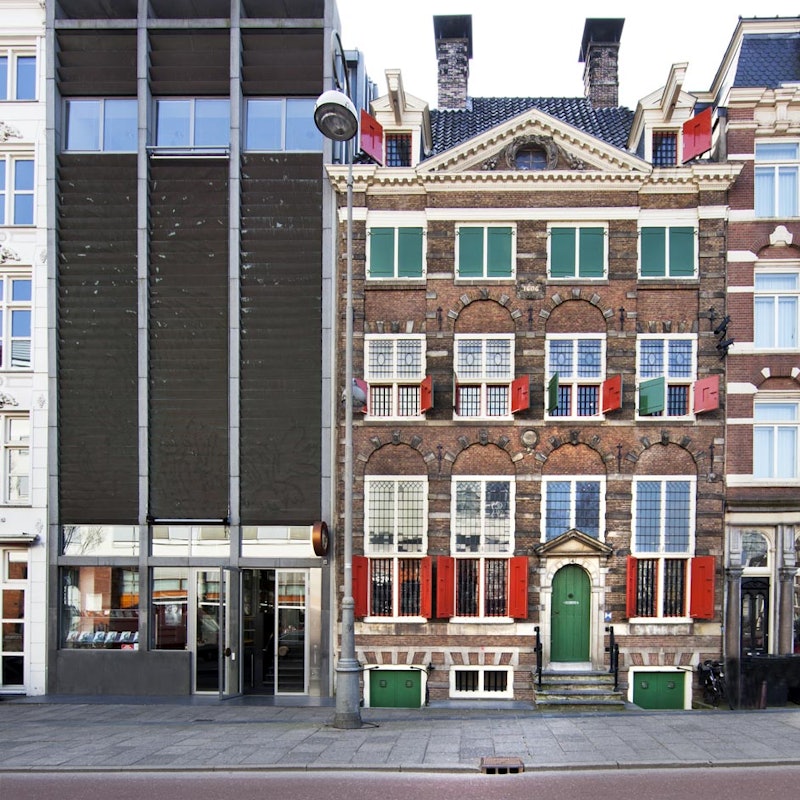
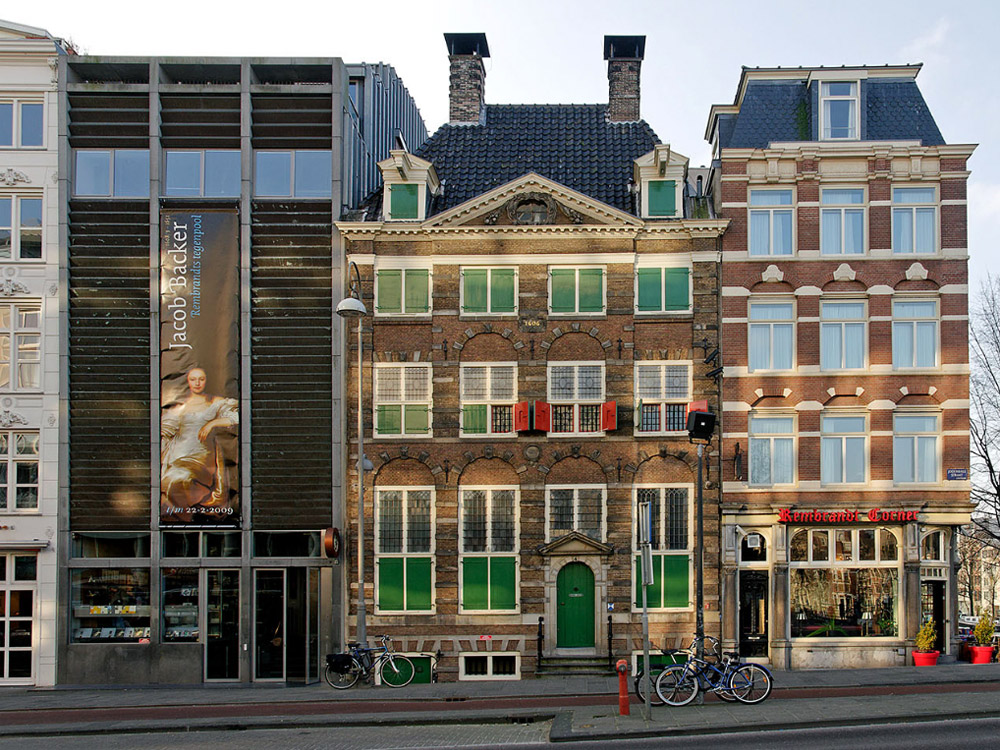
The house was built in 1607 in a place known then as Sint Antoniesbreestraat. It was a kinda hipster area of settlement of many rich merchants and artists.
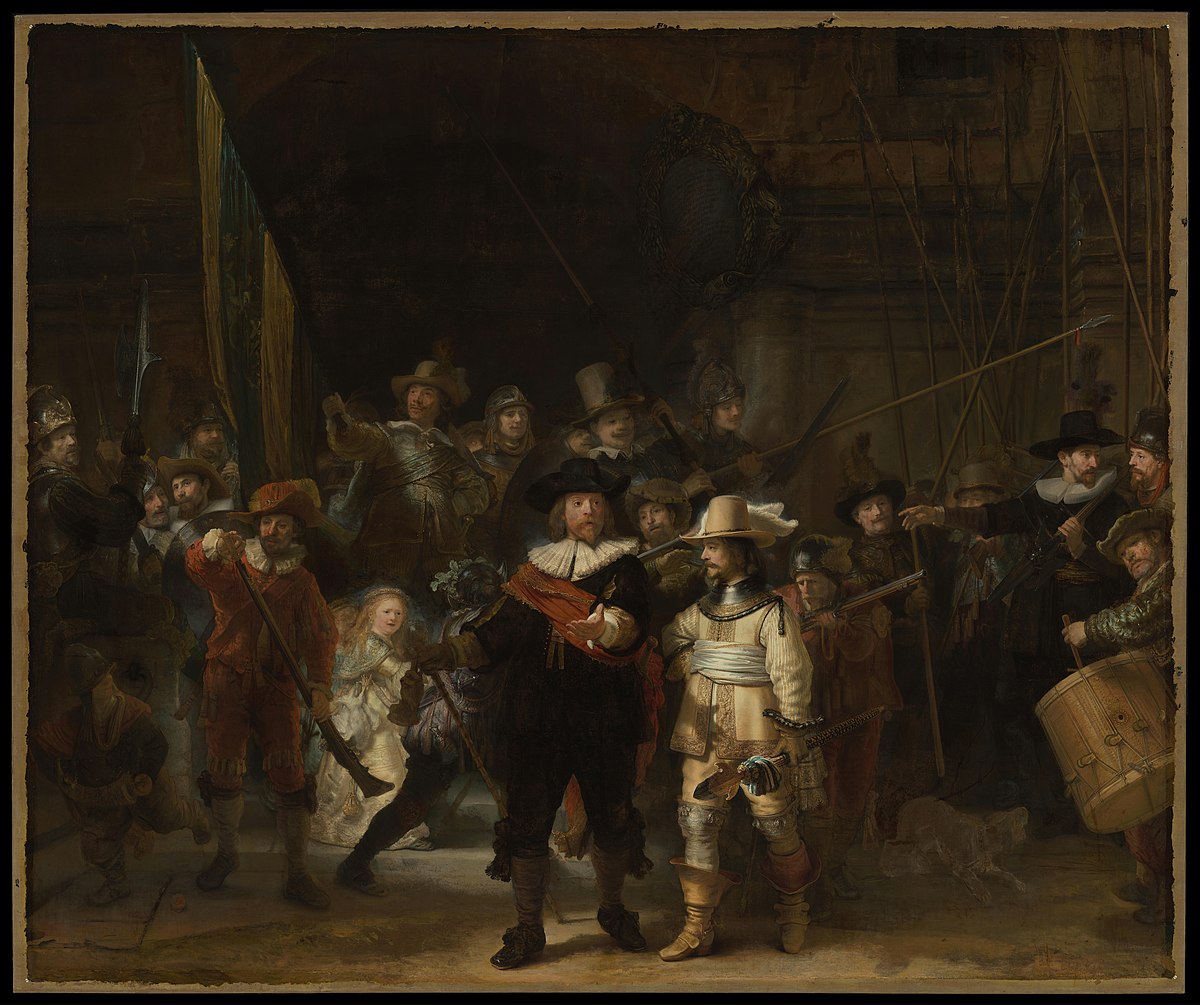
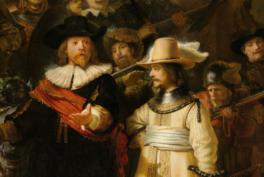
In 1639, Rembrandt purchased the house for 13,000 guilders, which was a huge sum. The artist didn’t have enough cash to buy it, but he was allowed to pay it off in installments. The same year, Rembrandt was awarded the prestigious commission to paint The Night Watch, which brought him quite a paycheck.
He was earning a lot of money, but he was unable—or unwilling—to pay off the mortgage. This eventually brought about his financial downfall. Between 1652 and 1656, Rembrandt made frantic attempts to get his hands on money to pay off his debt. He did not succeed and was forced into bankruptcy.
The house was also the scene of personal tragedy: Rembrandt’s wife, Saskia, and three of his children died there.
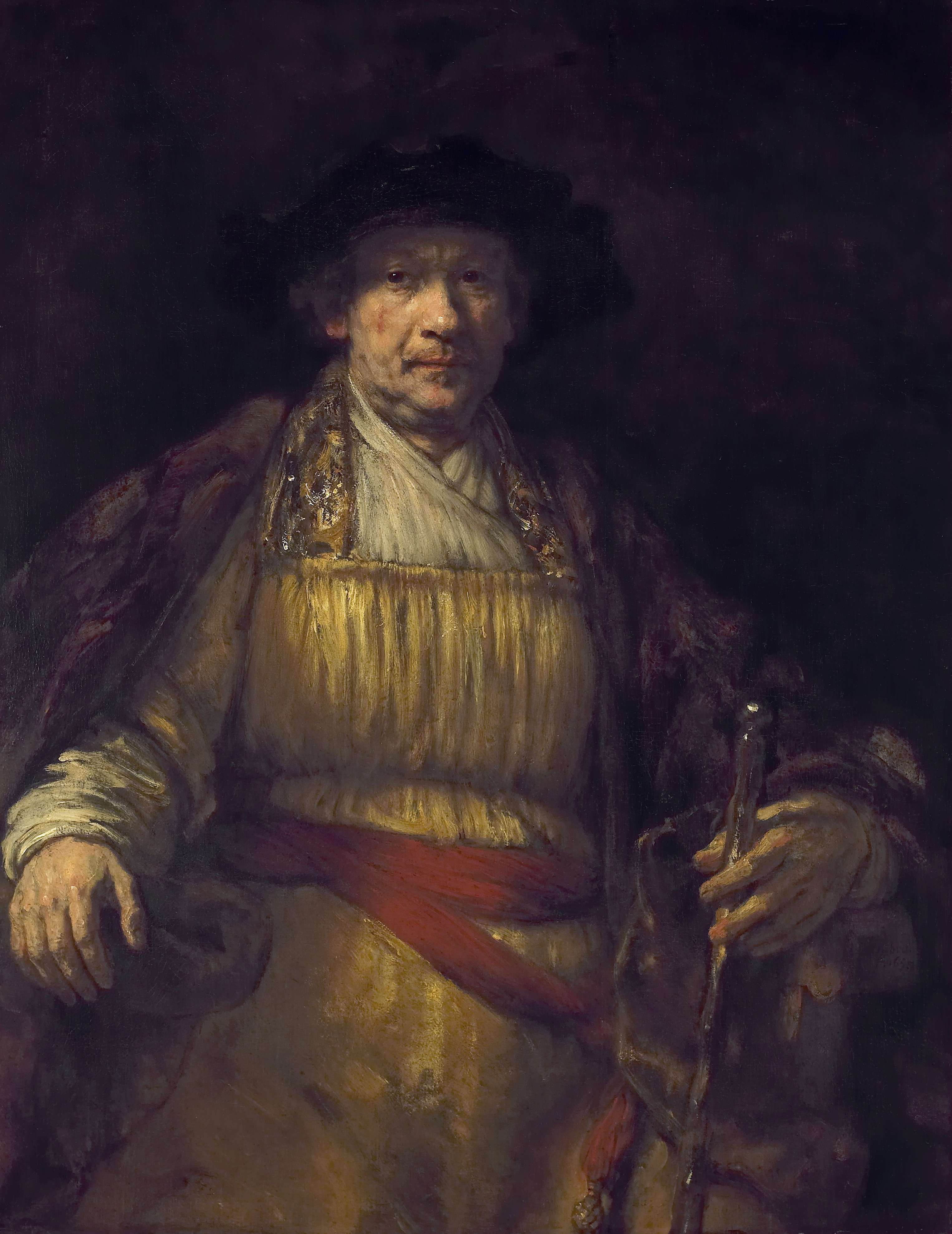
The house was auctioned in 1658 and fetched something over 11,000 guilders. Rembrandt moved to a small rented house on the Rozengracht, where he lived until he died in 1669. The Self-Portrait you see above was painted in 1658. Of the many self-portraits Rembrandt painted over a lifetime, this is perhaps the greatest, not only for its poignant revelations of the self but for his sure handling of paint. He doesn’t look like a man who has just lost his house, does he?
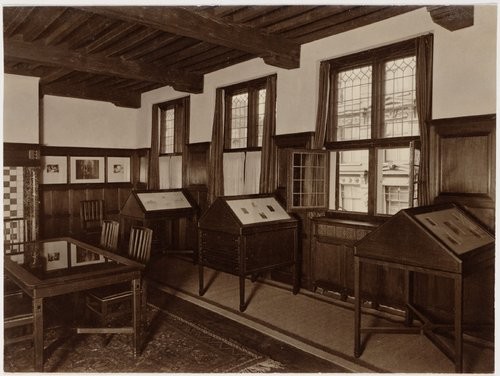
In 1911, the City of Amsterdam bought the Rembrandt House and made it a museum—preserving it both as a shrine of a revered national artist and as an imposing example of 17th-century Dutch architecture.
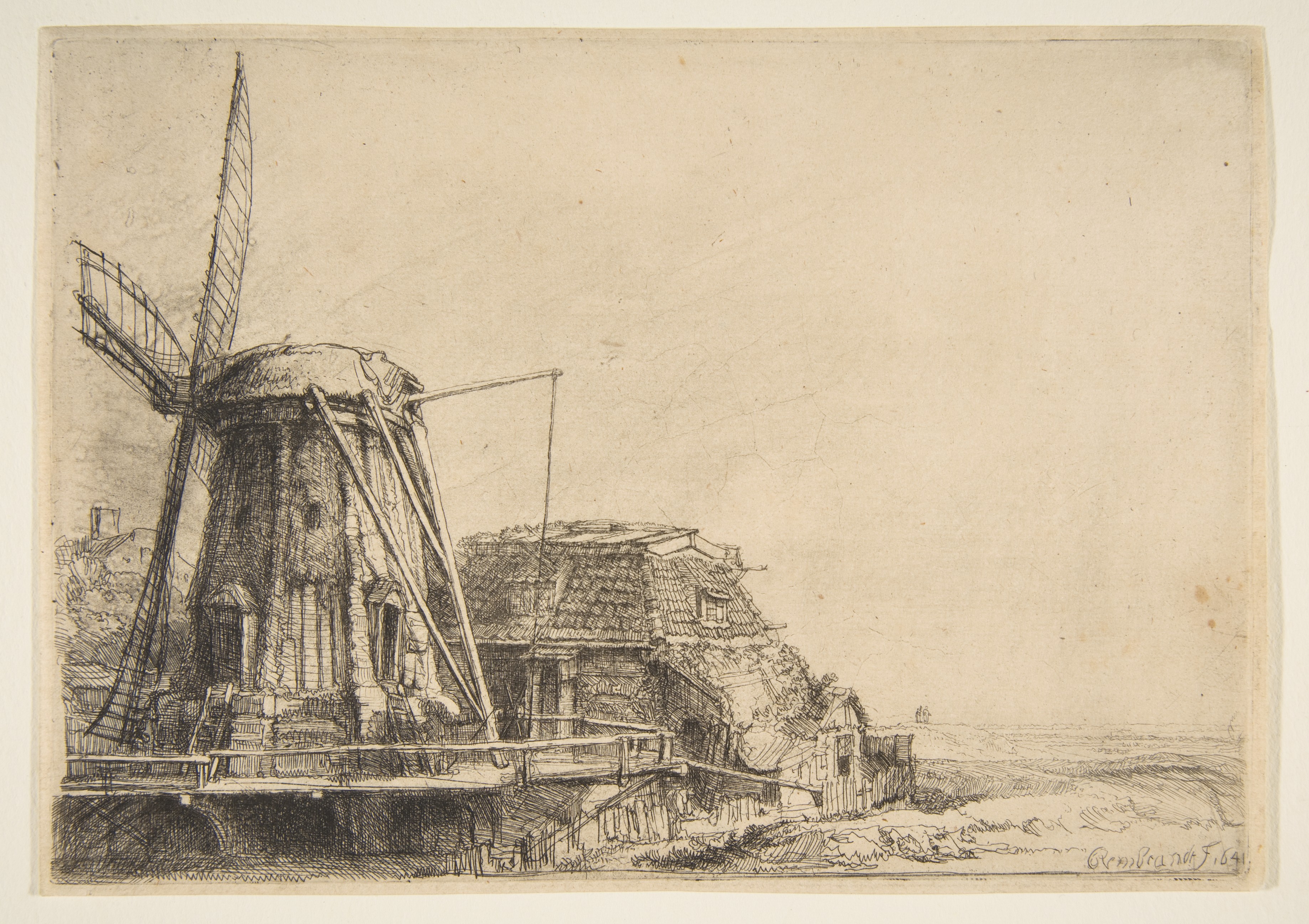
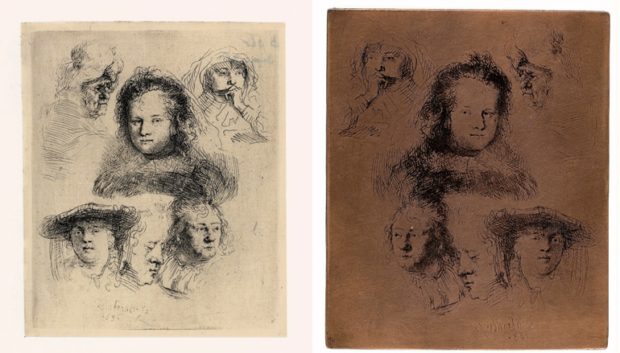
The core of the Rembrandt House collection is Rembrandt’s graphic works: etchings, drawings, and copper plates. It provides an almost complete overview of Rembrandt’s graphic oeuvre: 260 of the 290 etchings he made are represented here. The museum also owns a small number of paintings by Rembrandt’s teacher, his pupils, and his contemporaries.
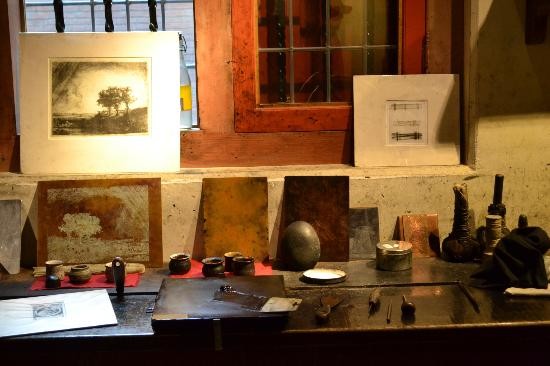
The museum organizes very interesting workshops, usually free of charge: on how etchings were printed in the 17th century, or how paint was made in Rembrandt’s time. They are definitely worth seeing and participating in.

Here you will find more information about the museum and its collection: Rembrandt House website. I hope you’re convinced now!
DailyArt Magazine needs your support. Every contribution, however big or small, is very valuable for our future. Thanks to it, we will be able to sustain and grow the Magazine. Thank you for your help!

Art Historian, founder and CEO of DailyArtMagazine.com and DailyArt mobile app. But to be honest, her greatest accomplishment is being the owner of Pimpek the Cat.

This Autumn, the Rembrandt House Museum opens up its treasure chest: more than 50 works on paper from the museum’s prized collection show how...
Guest Author 19 October 2026
What makes a work of art unforgettable? We asked some of the young staff members at the Rijksmuseum to share their favorite artworks from the...
Gabriela Boryszewska 22 October 2026
Rembrandt’s The Polish Rider is now the centerpiece of New York’s Frick Collection. For many years, however, it was considered the jewel of a...
The Royal Castle in Warsaw 28 September 2026
Looming over South Kensington like a grand cathedral or a royal residence, the Natural History Museum in London honors science and human curiosity...
Maya M. Tola 17 September 2026