


Is This Van Gogh’s One True Love? Sketches of Sien
Vincent van Gogh produced dozens of sketches of his live-in lover Clasina Maria Hoornick, known as Sien. Let's take a look!
Candy Bedworth 31 July 2025
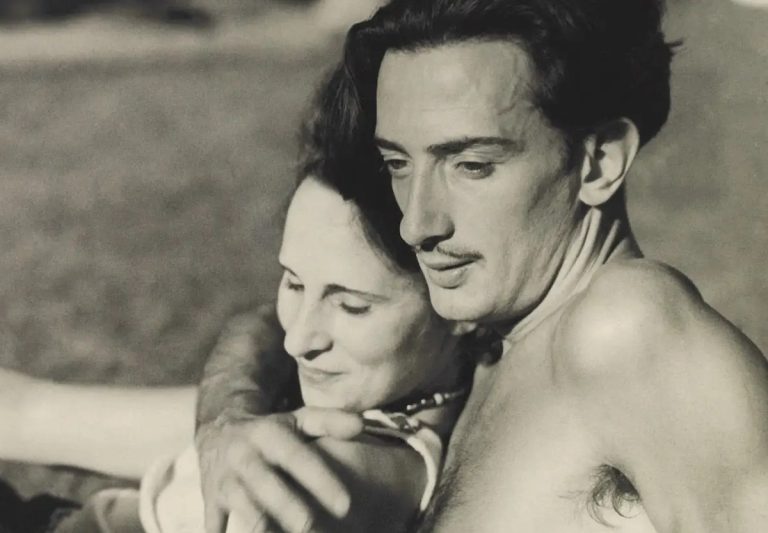
Photograph of Salvador Dalí and Gala in Port Lligat, c. 1930. Artsper Magazine. Detail.
Today, we present the story of Salvador Dalí and Gala—his wife, without whom Dalí would have never become an icon of modern art.
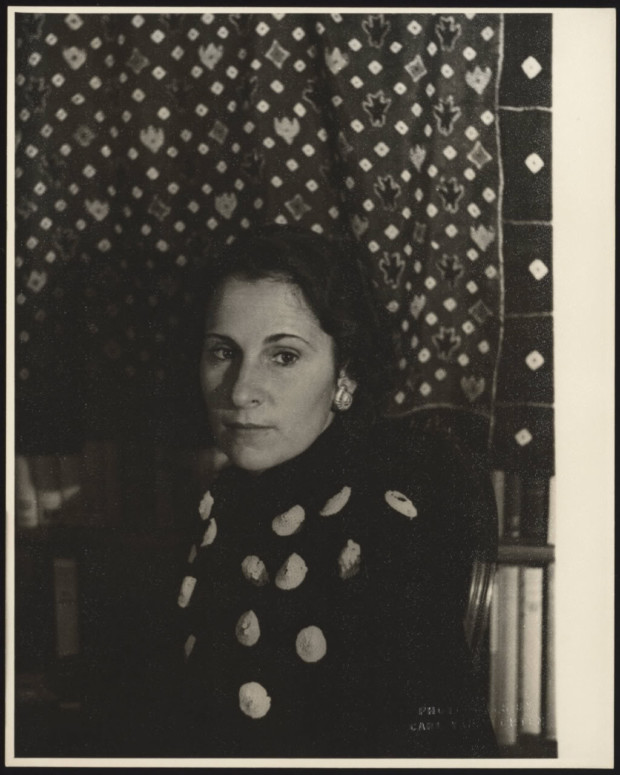
Gala’s real name was Elena Ivanovna Diakonova. At the time they met in 1929, she was about ten years older than Dalí: she was still married to the poet Paul Éluard and had a daughter with him. Before meeting Dalí, she had been involved in a ménage à trois with Paul Éluard and Max Ernst, and Ernst painted her in several portraits.
It was love at first sight. In his Secret Life, Dalí wrote: “She was destined to be my Gradiva, the one who moves forward, my victory, my wife.” The name Gradiva comes from the title of a novel by Wilhelm Jensen. The book’s heroine, Gradiva, later inspired Sigmund Freud, who analyzed her role in psychological healing in his 1907 psychoanalytic essay.
Gala quickly became Dalí’s muse and appeared in many of his works, sometimes taking on religious figures, such as the Virgin Mary in The Madonna of Port Lligat.
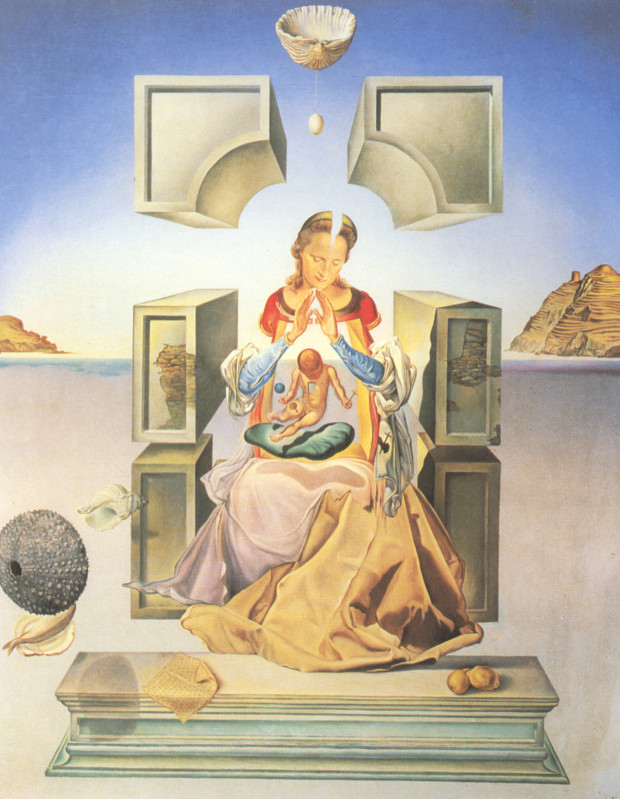
In the early 1930s, Dalí began including both his and Gala’s names when signing his paintings, once writing, “It is mostly with your blood, Gala, that I paint my pictures.” Gala served as his agent, fiercely negotiating with galleries and collectors, and was said to consult tarot cards to guide some of Dalí’s career choices.
Reports suggest that Gala maintained an active social and romantic life, which Dalí accepted as part of their unconventional relationship. Despite these complexities, their partnership was both close and professionally rewarding. He wrote: “I would polish Gala to make her shine, make her the happiest possible, caring for her more than myself, because without her, it would all end.”
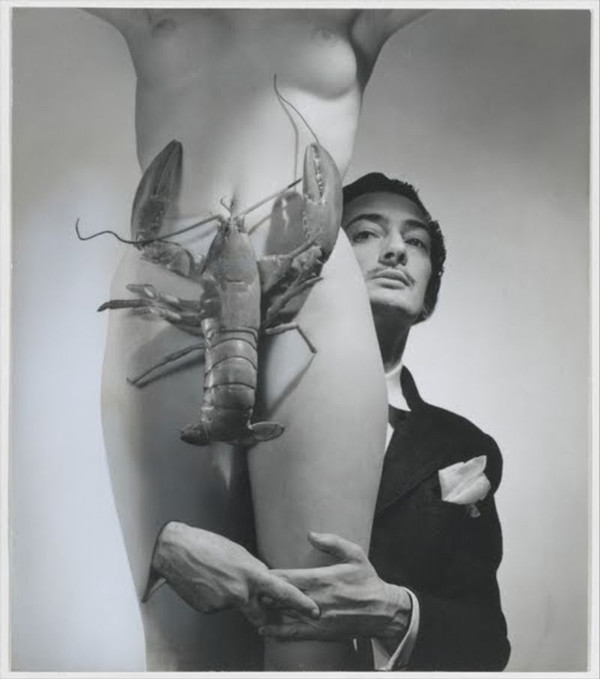
Their relationship eventually began to fade, and in later years it became more distant.
In 1968, Dalí purchased a castle in Púbol, Girona, for Gala, under the agreement that he could only visit with her permission. She reportedly spent much of her time there with younger companions. At the same time, Dalí is said to have enjoyed the company of young women, appreciating their presence rather than seeking romantic involvement. Some accounts describe extravagant gatherings at the castle, though Dalí himself appears to have mostly observed rather than participated.
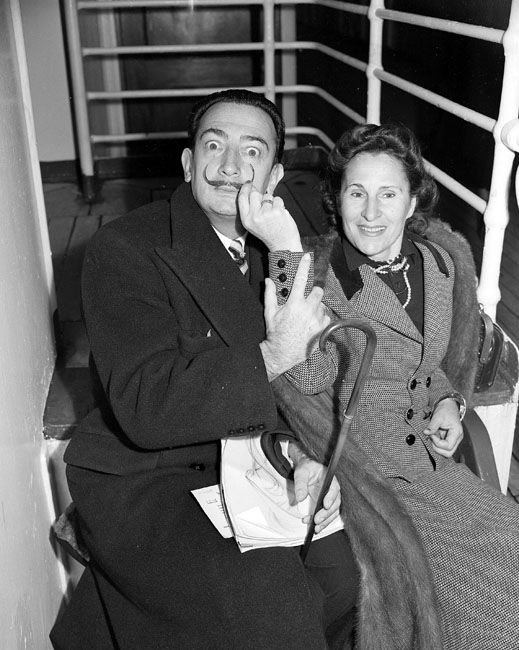
In 1980, at the age of 76, Dalí had to retire due to a motor disorder that made it increasingly difficult for him to paint. As his health declined, the dynamic between him and Gala changed. She continued to live a vibrant social life, while Dalí relied on medication to cope with his condition. Details about their private life during this period are often anecdotal and vary between sources.
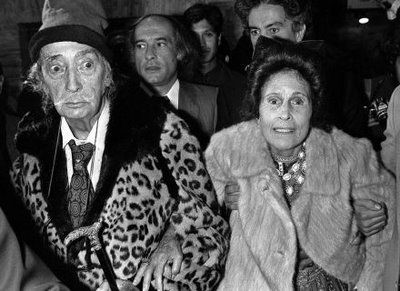
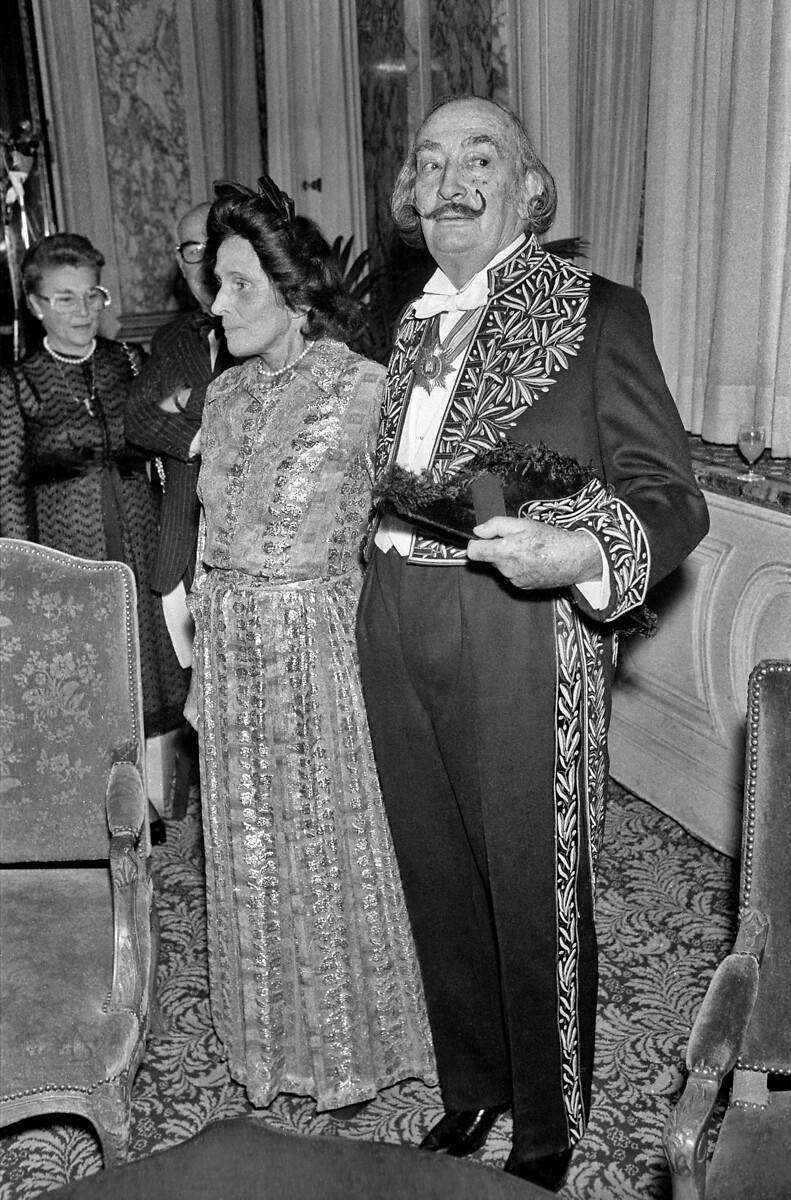
Gala Dalí passed away in Port Lligat, Spain, on June 10, 1982, following complications from the flu. She was laid to rest in Púbol, on the grounds of the castle Dalí had gifted her. Her death left a profound mark on Dalí; accounts describe him as deeply grieving, struggling with daily life, and retreating further into seclusion. He survived his wife by seven years. Together, they had shared 53 remarkable years of a partnership that intertwined love, art, and their signature eccentricity.
Get your daily dose of art
Click and follow us on Google News to stay updated all the time

DailyArt Magazine needs your support. Every contribution, however big or small, is very valuable for our future. Thanks to it, we will be able to sustain and grow the Magazine. Thank you for your help!

Art Historian, founder and CEO of DailyArtMagazine.com and DailyArt mobile app. But to be honest, her greatest accomplishment is being the owner of Pimpek the Cat.


Vincent van Gogh produced dozens of sketches of his live-in lover Clasina Maria Hoornick, known as Sien. Let's take a look!
Candy Bedworth 31 July 2025
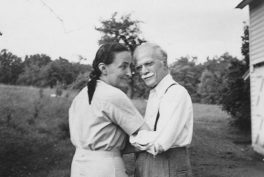
The American painter Georgia O’Keeffe is best known for her abstract representations of flowers and desert landscapes. American photographer Alfred...
Mary Margaret Swets, 10 December 2025
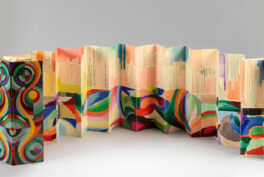
Soulmates in both life and art, Sonia and Robert Delaunay formed what is probably the most extraordinary creative partnership in art history. Cubism, colour and passion - read on!
Candy Bedworth 24 October 2025
You’ve heard of René Magritte—the Surrealist icon behind the famous pipe and bowler hat. But who was the muse who inspired much of his oeuvre?...
Natalia Iacobelli 21 November 2025