
Auguste Préault in 10 Romantic Sculptures
People once thought Romanticism belonged only to painting, not sculpture. Auguste Préault challenged that belief with bold creativity. The...
Errika Gerakiti 26 September 2025
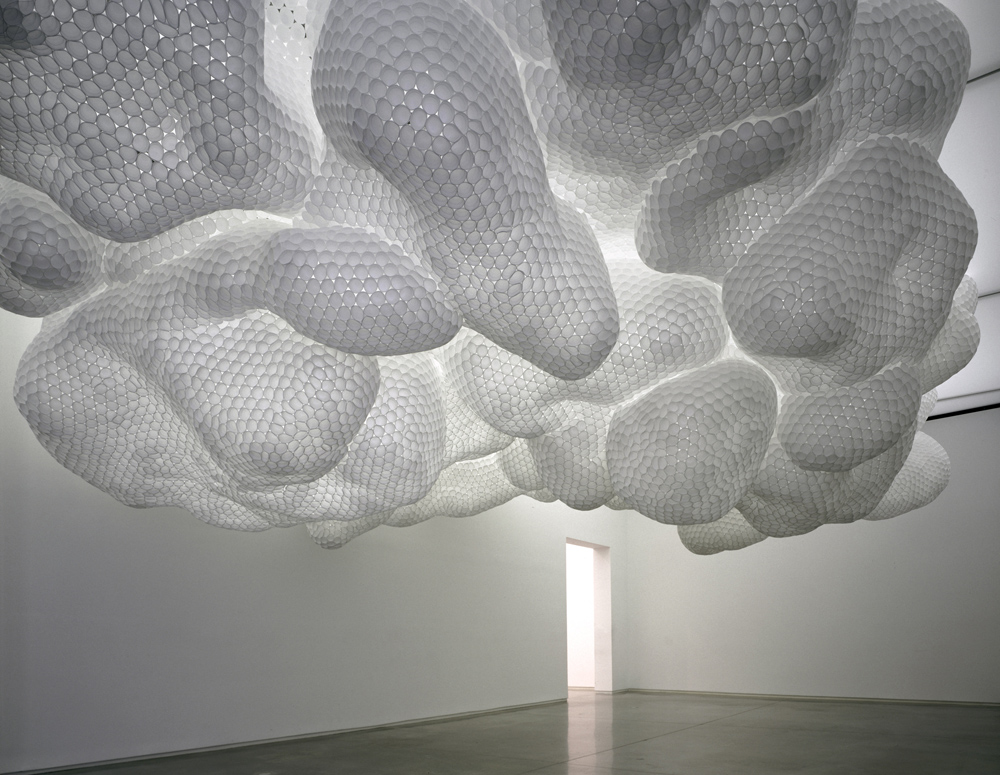
Tara Donovan, Untitled, 2008, Institute of Contemporary Art, Boston, MA, USA.
Styrofoam cups, pencils, rubber bands, and straws are not the kinds of materials usually associated with art installations, yet these mundane, everyday items are used in abundance in Tara Donovan’s works. She uses them to create massive abstract structural pieces of art.
Donovan was born in 1969 in Queens, New York, and studied at the School of the Visual Arts and Virginia Commonwealth University. She was awarded the first Calder Prize in 2005. She initially began using commonplace materials because they were cheap and readily available to her as an art student.
Her work has been described as whimsical, expansive, sublime, and other-worldly. Quite the opposite of the words you would expect of the low-profile materials she fashions her art from. Items like tape, toothpicks, and straws are accessible and inexpensive, yet the sheer volume of the items and size of the sculptures create in Donovan’s words “a gestalt of sorts”. So methodical and detailed, she works at times like a scientist or architect, but at the same time creates in such a spontaneous and organic way, letting the materials guide her creation.
The pieces in her installations are “site-responsive”—reacting to the lighting, air and movement of viewers. Most of her art is untitled, a deliberate choice to allow the viewer to bring their own associations and feelings to experiencing the work.
Untitled from 2004–2008 made from thousands of styrofoam cups held together with hot glue is a beautiful example of her work. The repetition, diffusing of the light, the awe-inspiring size and lightness transcend the simple cup into a poetic whole.
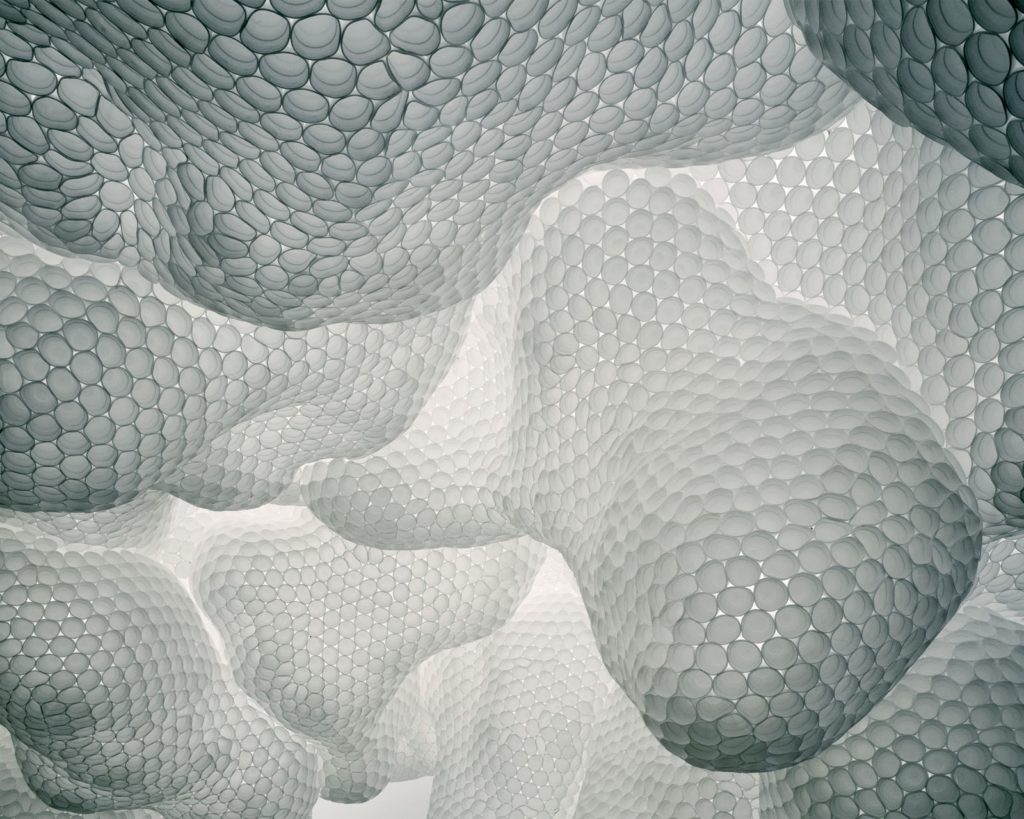
The materials expand playing with the sense of infinity.
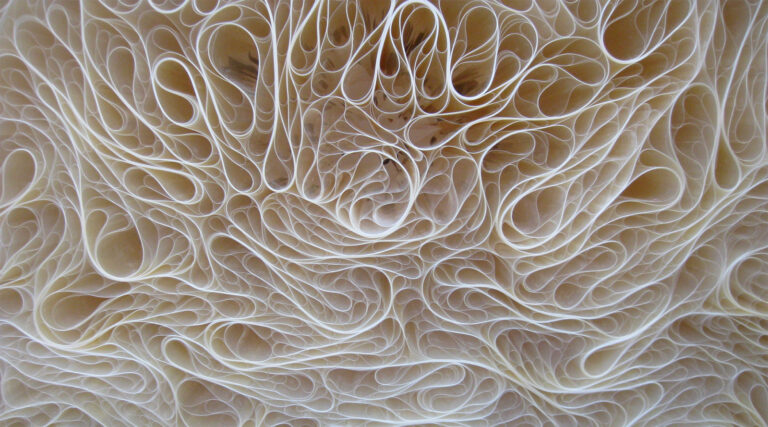
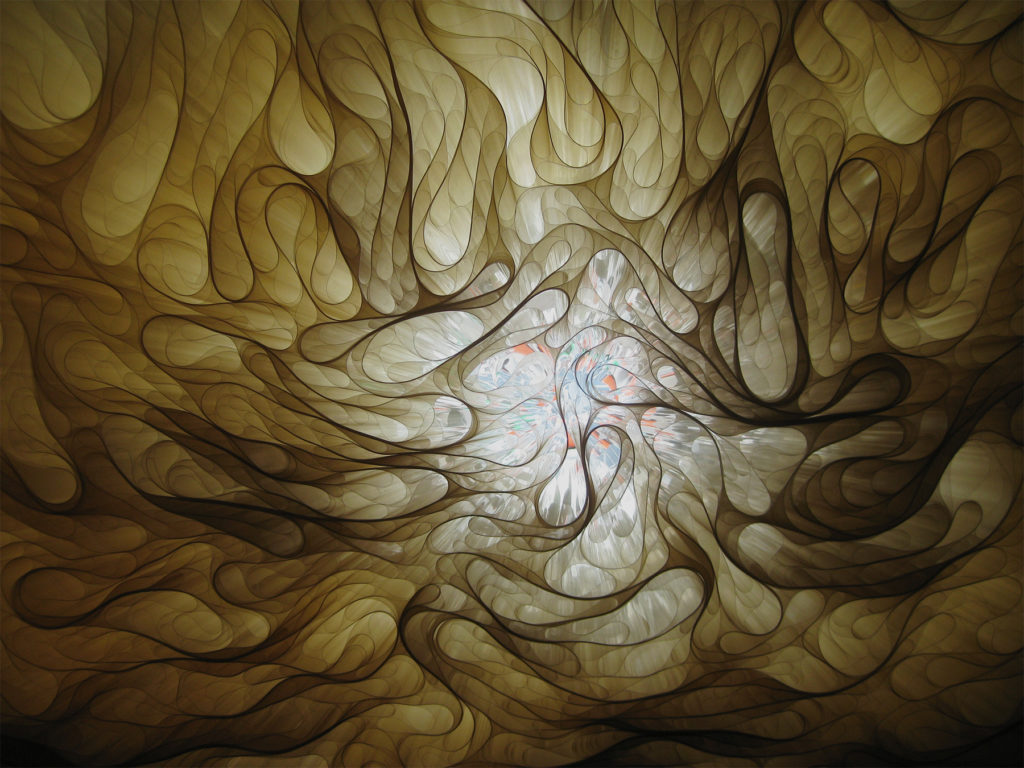
Another Untitled work, this one from 2008, is sheets of polyester film woven together into a labyrinth, an almost molecular formation. Using a singular material in repetition of the patterns and forms creates an organic and unpredictable feel. She uses the properties of the materials to guide the formations. The positioning of the viewer alters the light and angles, providing a different experience for everyone.
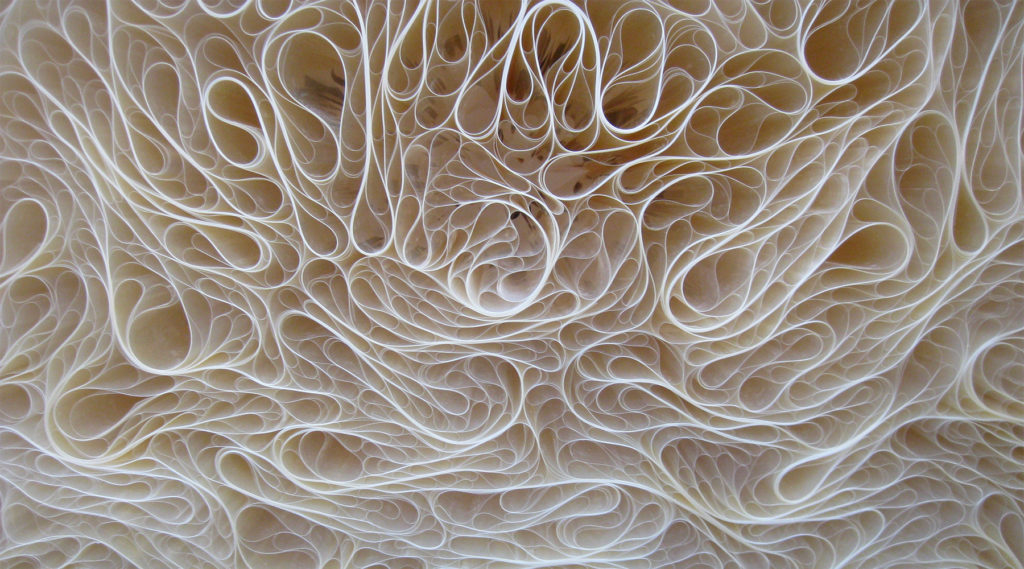
Tara makes it clear that she does not try to mimic nature, rather her work “mimics the way of nature”—the unfolding, building form upon form.
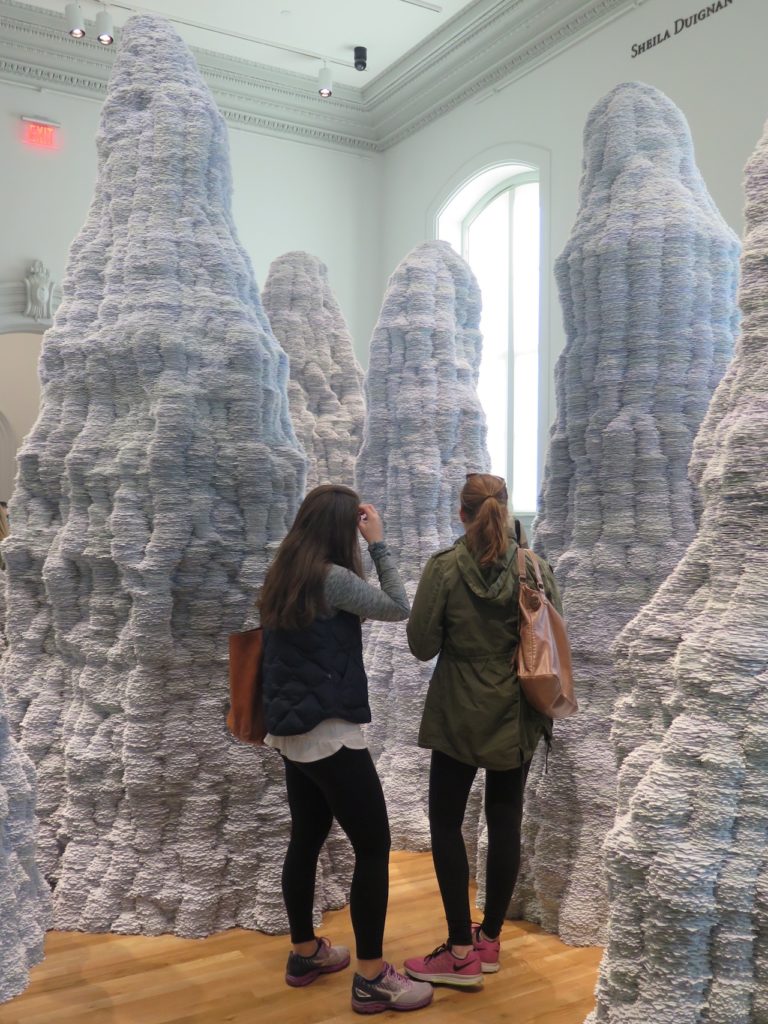
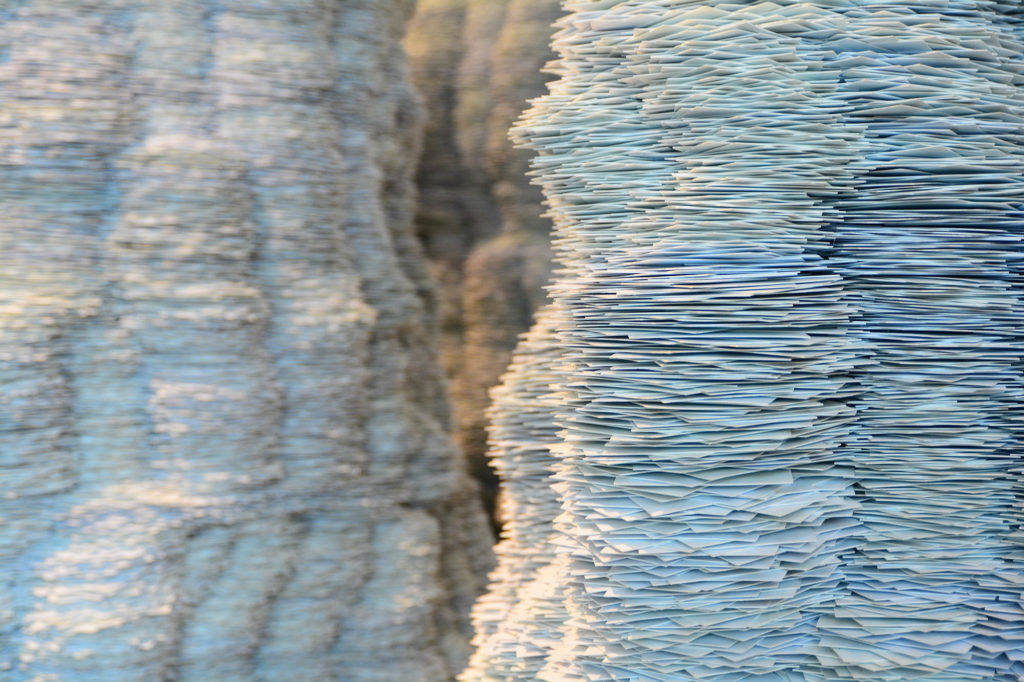
Thousands of index cards piled into mountainous stalagmite formations were used for the 2014 Untitled installation. The towering structures are very geological in appearance—another theme Donovan’s work plays with. She was keen on using the edges of the cards to create the feeling of ascension and building. She says, “I think of my process almost as a re-manufacturing of a manufactured material, and I think that it’s inevitable that what results goes back to nature. I never have a set idea in mind of what an overall composition will look like; it really grows out of a doing and making and a sense of play and an idea of chance.”
Details and closeups of her work show the complex and interwoven relationship between the materials. Viewed from a distance, the sculptures take on a whole new aesthetic, feeling and experience.
A true exercise in finding beauty in commonplace objects, Tara Donovan continues to explore and play with these commonplace items. “At a certain point, my hand disappears, and it’s as though the pieces could generate new forms on their own infinitely.”
Get your daily dose of art
Click and follow us on Google News to stay updated all the time

DailyArt Magazine needs your support. Every contribution, however big or small, is very valuable for our future. Thanks to it, we will be able to sustain and grow the Magazine. Thank you for your help!

Giotto's weeping angels started my love affair with art history. Seattle, WA based.
People once thought Romanticism belonged only to painting, not sculpture. Auguste Préault challenged that belief with bold creativity. The...
Errika Gerakiti 26 September 2025
The fearsome Great Mother is an archetype appearing in all cultures and all times. Here are our top 10 powerful mother goddess sculptures!
Candy Bedworth 27 March 2025
Can we feel sympathy for the devil, and can he be forgiven in his remorse? The Devil—A Life is the first major visual work of the famous musician,...
Marta Wiktoria Bryll, 20 January 2026
Auguste Rodin, hailed as the father of modern sculpture, transformed art with innovative techniques and emotional depth. He bridged the academic...
Jimena Aullet 12 November 2025