
10 Radiant Summer Paintings by Vincent van Gogh
The luminous color of Van Gogh’s mature style took shape in Paris, where he spent two years living with his brother Theo among the avant-garde.
MJ Rivera 29 July 2026
30 July 2026 min Read
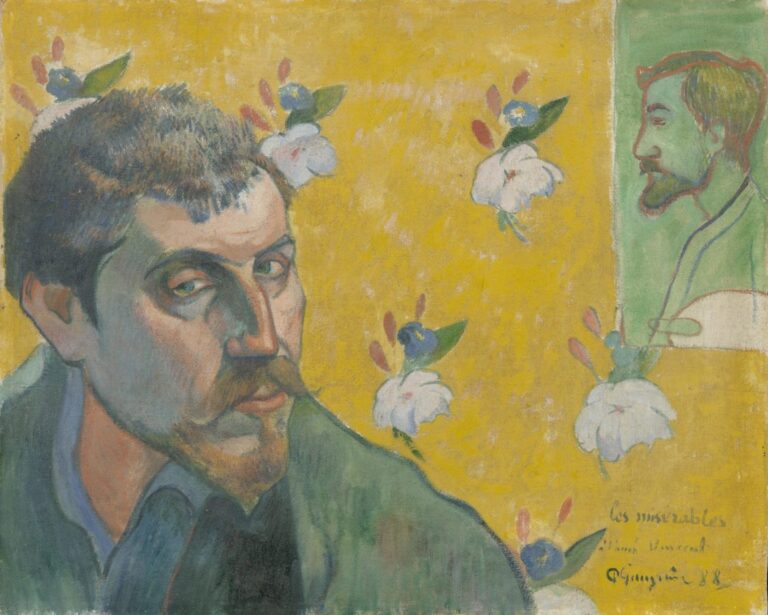
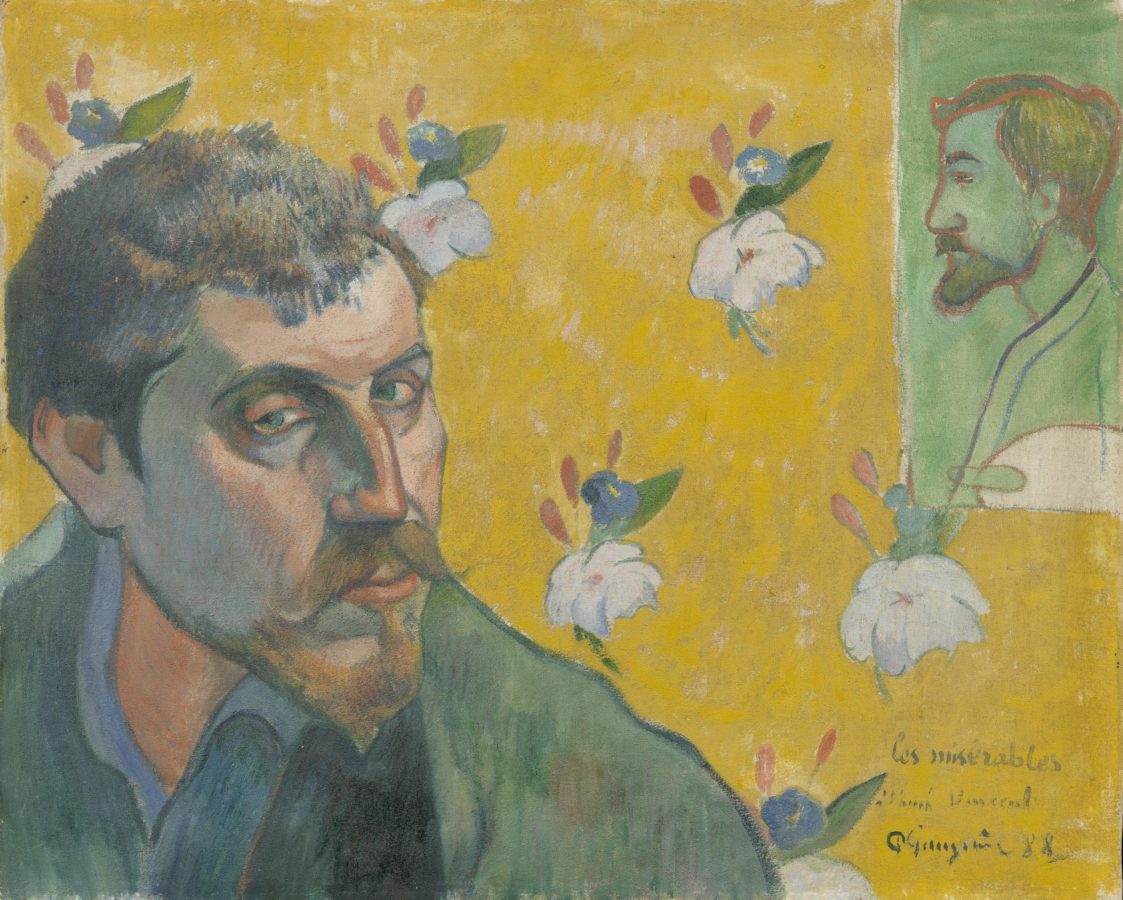
Paul Gauguin, Self-Portrait Dedicated to Vincent van Gogh (Les Misérables), 1888, Van Gogh Museum, Amsterdam, Netherlands.
People say that you shouldn’t live with your friends because your friendship may deteriorate. The story of the friendship between Vincent van Gogh and Paul Gauguin can be used as an example!
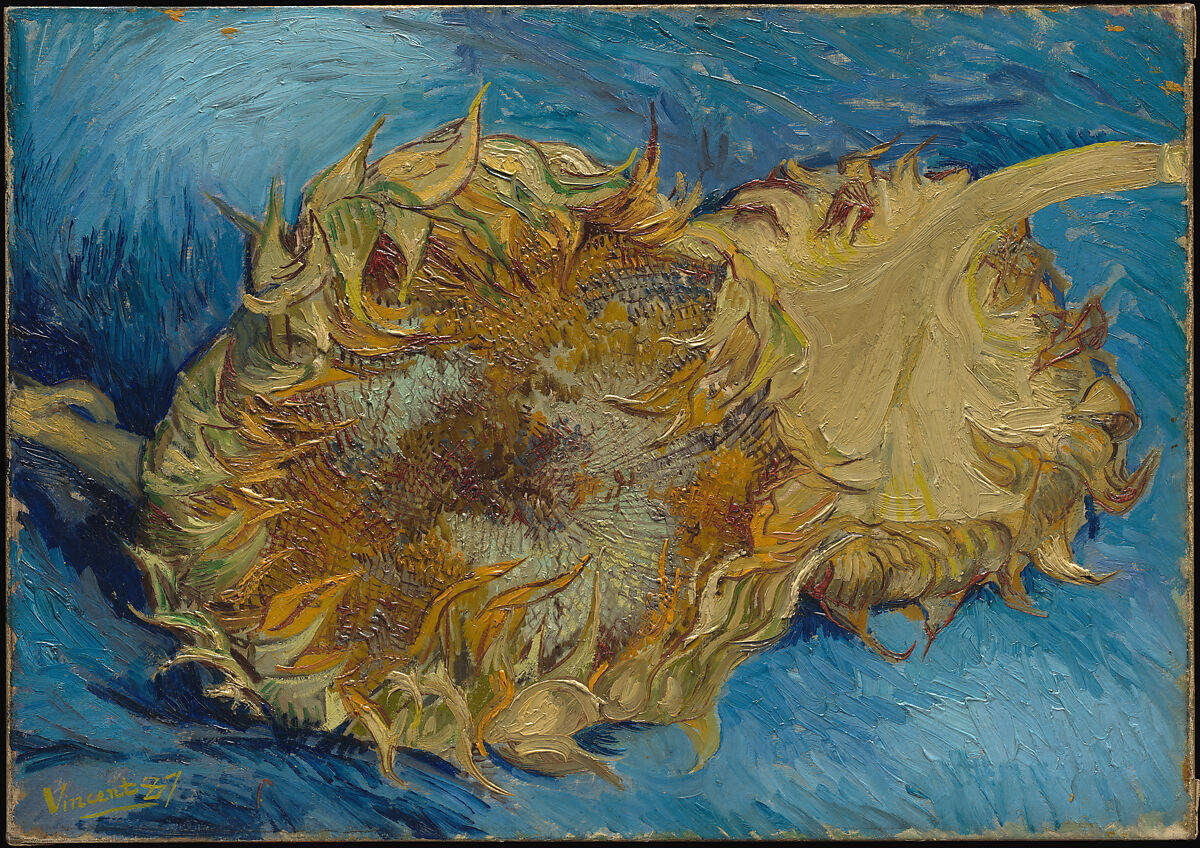
They met for the first time in Paris in 1887. Vincent van Gogh had left Antwerp to join his brother Theo. Meanwhile, Paul Gauguin was returning from Martinique with his exotic and colorful set of paintings. He fascinated Van Gogh as an artist who made “art of the future.” Gauguin, in turn, initially saw the Van Gogh brothers as merely a potential new connection to the art market and the source of money which he needed so badly. Subsequently, they exchanged a couple of paintings: Vincent van Gogh sent two studies of sunflowers (one of them above) and Gauguin sent On the Shore of the Lake, Martinique (Negresses) from 1887. This unique correspondence started their exchange of letters and ideas.

In 1888, they both left Paris. Gauguin traveled to Brittany to explore the countryside and search for the roots of existence among the “primitive” peasants. Van Gogh moved to Arles in the south of France, where his dream of establishing a commune for artists to live and work together began to develop. He rented a yellow house and invited Gauguin to come to live with him. Surprisingly or not, Gauguin agreed. Yet, before his arrival, they both continued to exchange paintings and letters.
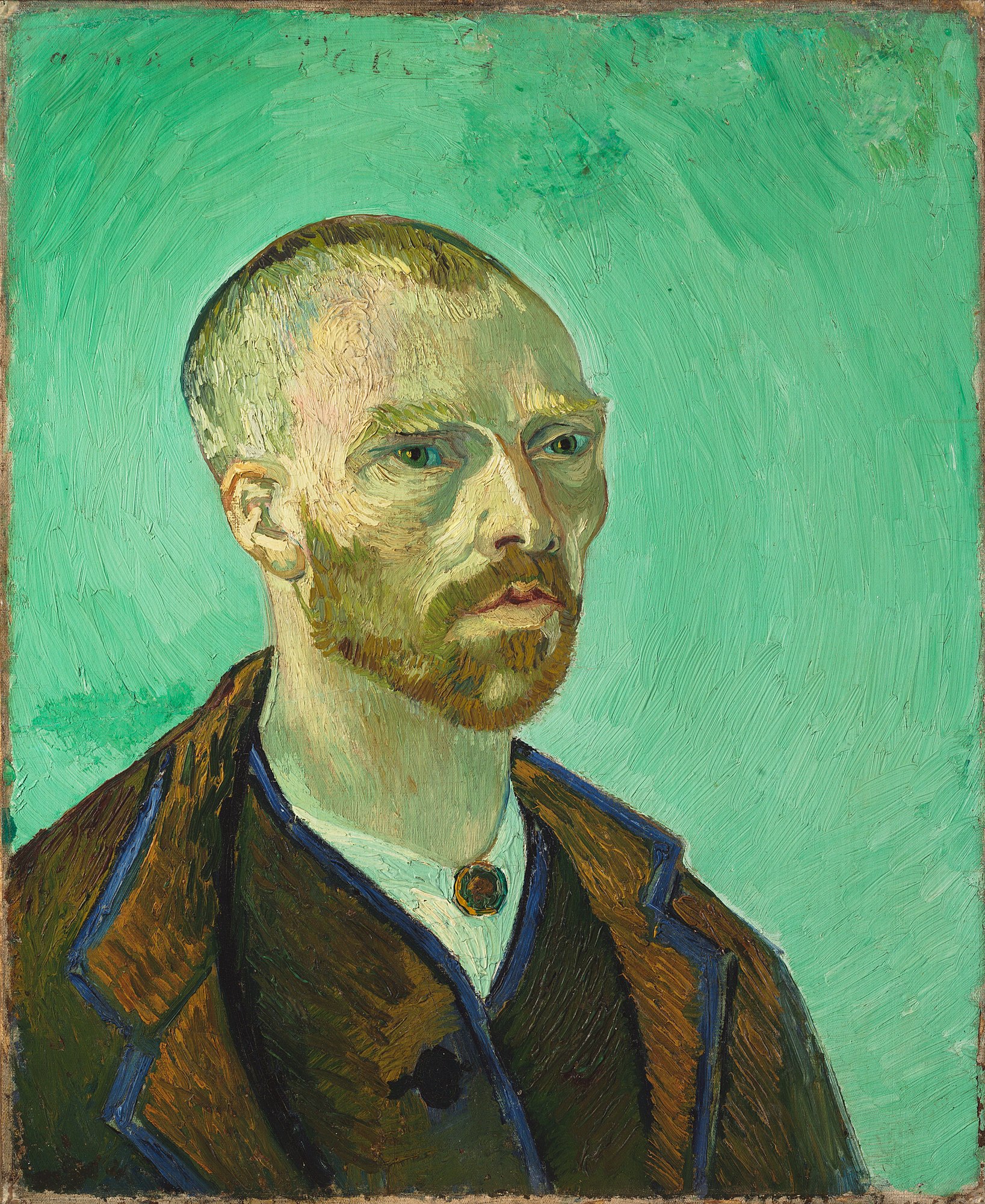
The period before Gauguin’s transfer to the “Studio of the South” was a very prolific time for both artists. They worked hard on shaping their original styles and philosophies. They both considered themselves special: Gauguin thought of himself as an outcast rejected by society; Van Gogh looked up to Gauguin, regarding himself as a monk or disciple of the “new art”.
Gauguin moved in on October 23, 1888. They lived together for two months. They ate, worked, and debated about art. As winter approached, they were forced to spend more and more time together. Their different and strong personalities clashed too often, to the point that Van Gogh called their relationship “excessively electric”. Their debates grew even more heated and they worked very intensely but in two completely different ways.
Van Gogh painted rapidly and preferred painting from nature; Gauguin, on the other hand, chose to work from memory in a slow and methodical manner. At the end of December, Van Gogh, exhausted and distressed, threatened Gauguin with a knife. He then cut off part of his own ear. Gauguin fled, never to see Van Gogh again.

After Gauguin left Arles, the pair continued to exchange letters until Van Gogh’s death 19 months later. Gauguin traveled to Tahiti soon after, in April 1891. Although his style remained different, the intense discussions with Van Gogh left a mark on his painting. One such example was the sunflower, Van Gogh’s favorite flower, which accompanied their friendship from the very beginning.
DailyArt Magazine needs your support. Every contribution, however big or small, is very valuable for our future. Thanks to it, we will be able to sustain and grow the Magazine. Thank you for your help!

Magda, art historian and Italianist, she writes about art because she cannot make it herself. She loves committed and political artists like Ai Weiwei or the Futurists; like Joseph Beuys she believes that art can change us and we can change the world.

Bec is an art nerd, bicycle enthusiast, cat mom, artist/crafter/maker from sunny Toronto, Canada.
The luminous color of Van Gogh’s mature style took shape in Paris, where he spent two years living with his brother Theo among the avant-garde.
MJ Rivera 29 July 2026
Spring blossoms held a special power for Vincent van Gogh and inspired paintings of remarkable beauty, often concealing the difficulties he faced...
MJ Rivera 20 March 2026
Vincent van Gogh is often celebrated for his expressive self-portraits, but his landscapes are equally powerful. He created some of his most vivid...
Anastasia Manioudaki, 19 January 2026
Paul Cézanne (1839–1906) was one of the most influential and greatest of the Post-Impressionist painters. Here is a list of ten different...
Sam Malone 30 December 2025