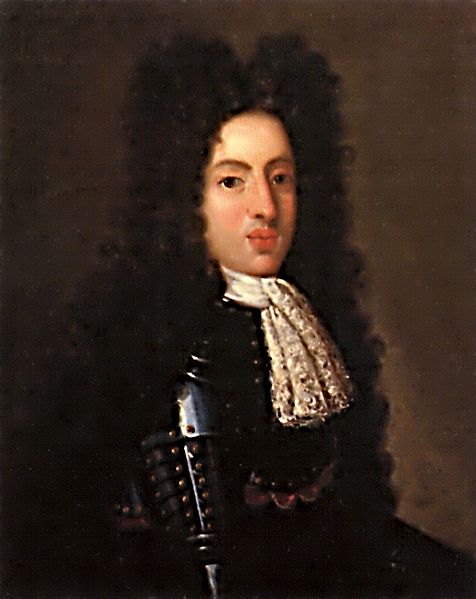
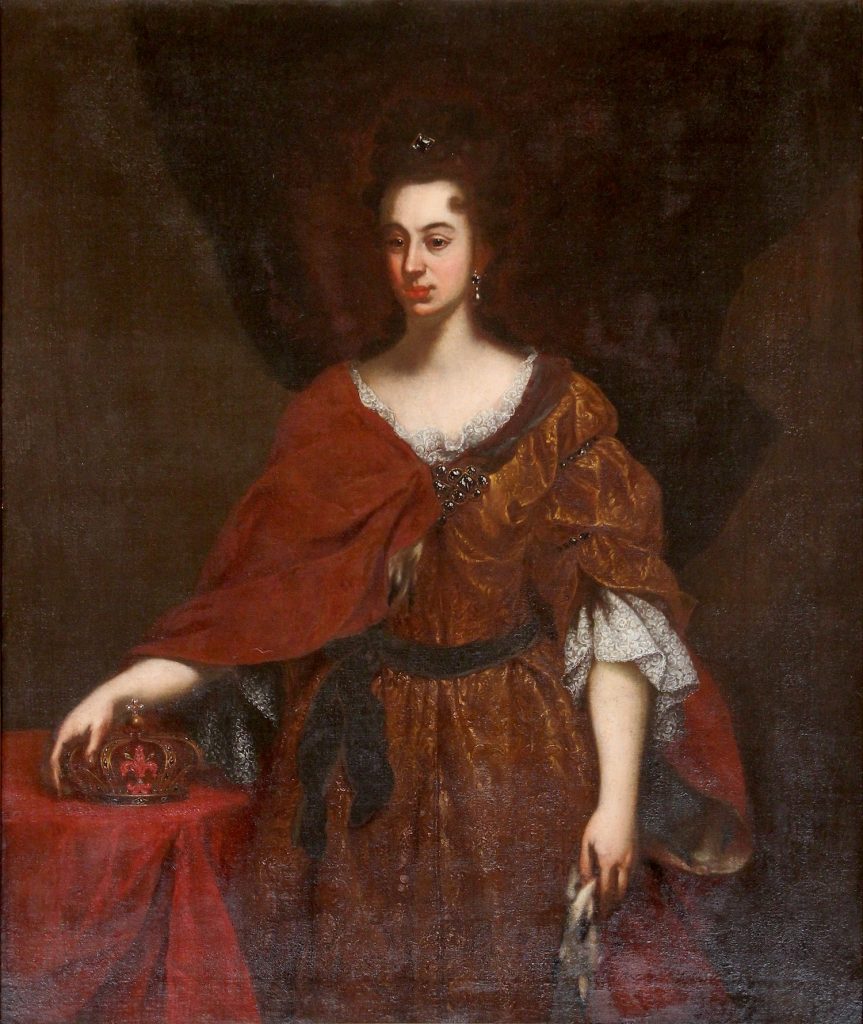
In 1697, he was forced to marry Anna Maria of Saxe-Lauenburg and leave Florence to move to a small village in Bohemia. Isolated and cut off from his friends, family, and intellectual societies, the young prince began misusing alcohol, gained a considerable amount of weight, and started gambling uncontrollably, leading to an accumulation of significant debts. When he tried returning to Florence in 1698, his father blocked his return and sent him back to Bohemia. Finally, he returned to Florence in 1708 – much to the chagrin of his father – and separated from Anna Maria.
Gastone’s Reformation of Florence
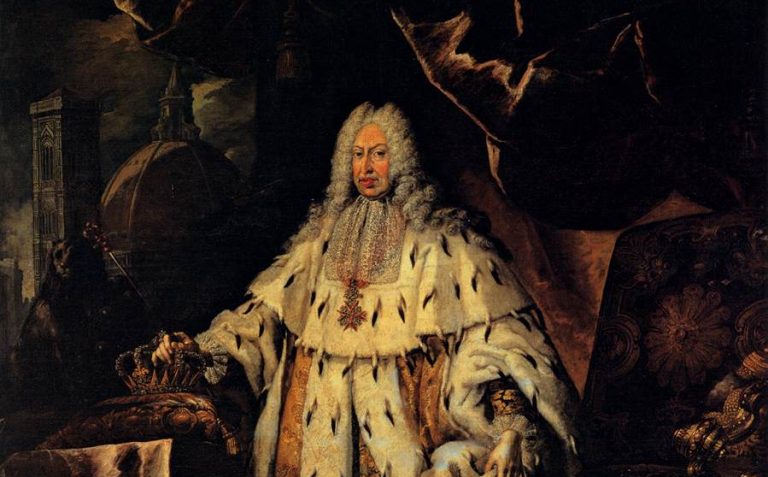
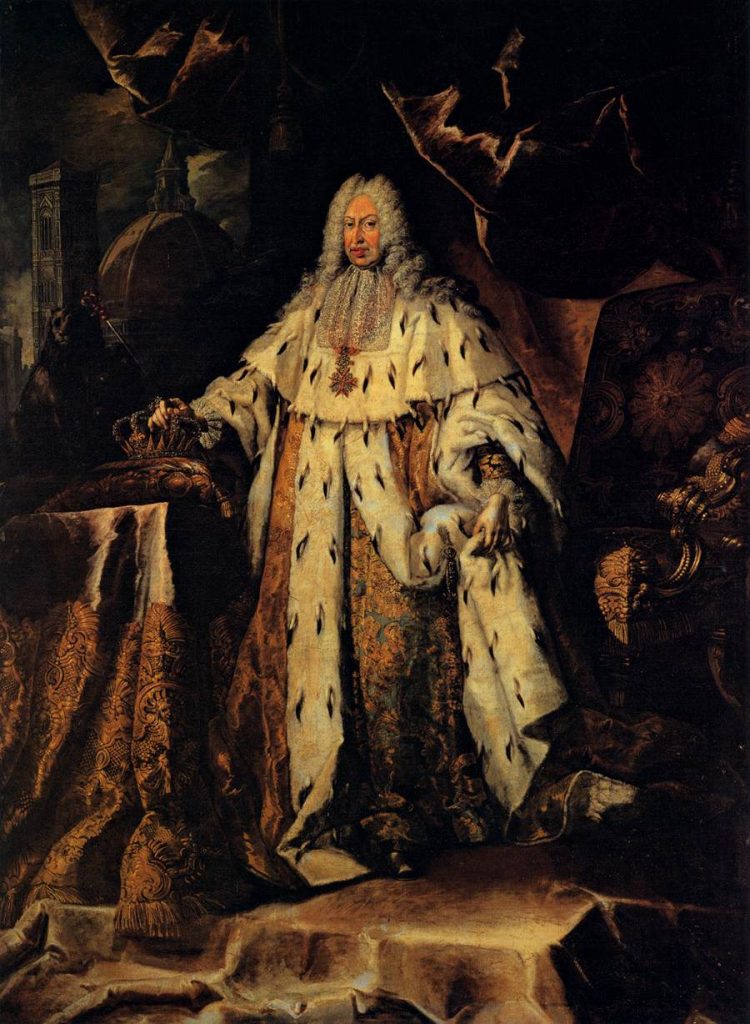
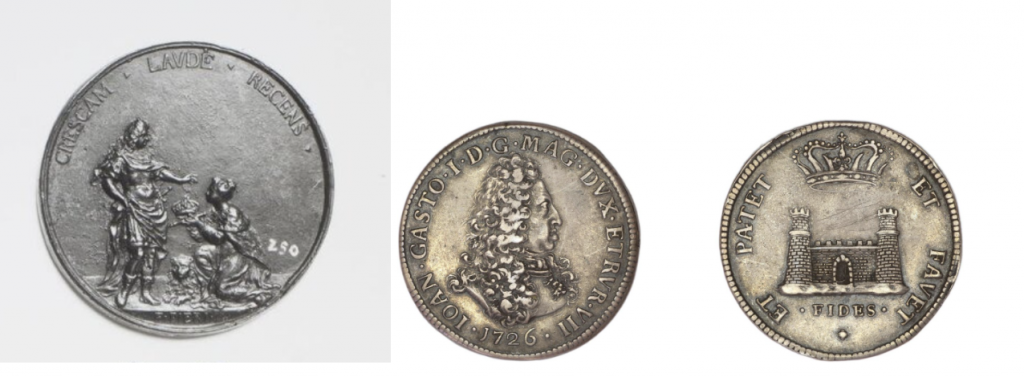
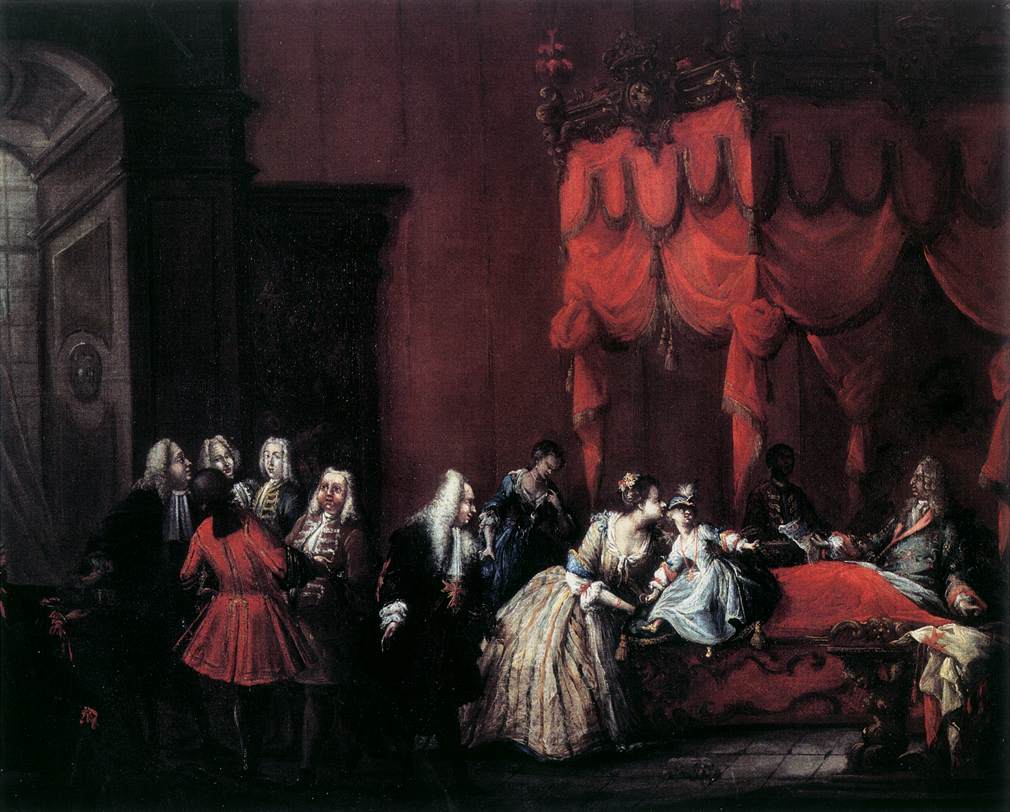
In 1723, Gastone assumed the throne following his father’s death, acquiring Florence that was bankrupt, politically weak, and struggling with rising poverty. Although many contemporary writings of him label him as a weak ruler with no ambition, the Grand Duke, in reality, reinvigorated a weak government and economy, and instituted a more tolerant rule.
Recognizing his father’s policies were widely disliked by the public, he put an end to them. This included abolishing public executions (which were used as punishment for acts ranging from gay sex to courtship), political and literary censorship, bans on teaching new ideas in schools, extortionate taxes, and “Pension on the Creed”, which were payments made to Muslims and Jews who converted to Christianity.
By doing so, he ended the authoritarian stronghold his father held over the nation and created a Florence that was more inclusive and more in line with the Renaissance ideals of intellectual curiosity and scholarship. In addition to ending oppressive policies, he fixed the national debt, separated church and state by removing corrupt religious officials from the government, and energized the agricultural, commercial, and industrial economies. As a result, the Grand Duke became widely loved and celebrated by the general public.