



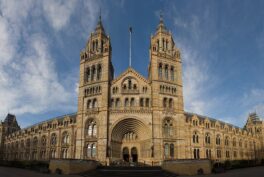
Cathedral to Nature: The Natural History Museum in London
Looming over South Kensington like a grand cathedral or a royal residence, the Natural History Museum in London honors science and human curiosity...
Maya M. Tola 17 September 2026
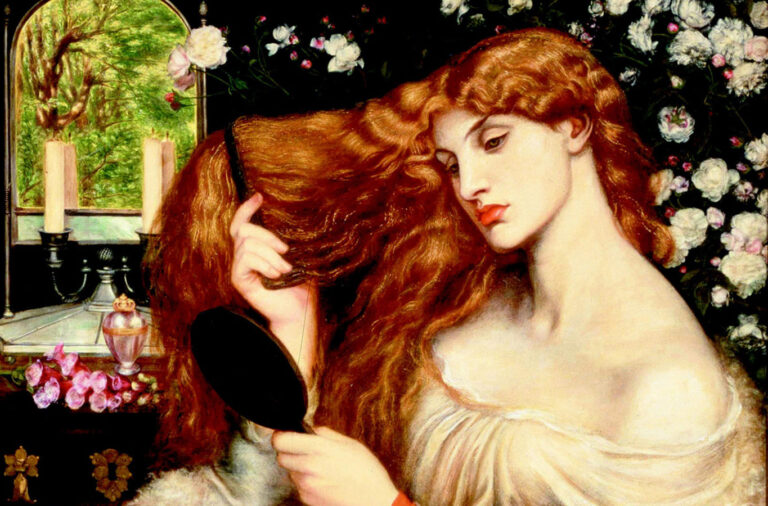
Dante Gabriel Rossetti, Lady Lilith, 1866_1868, Delaware Art Museum, Wilmington, DE, USA. Detail.
Britain is an obvious pilgrimage site for all Pre-Raphaelite fans, but did you know that American museums also have something great to offer? In particular, the Delaware Art Museum!
The Delaware Art Museum in the city of Wilmington, Delaware, boasts the largest and most significant collection of Pre-Raphaelite art in the United States. It is also one of the finest and largest Pre-Raphaelite art collections outside the UK. The museum’s collection consists of more than 150 works, which include paintings, drawings, photographs, decorative arts, and illustrated books.
Want a sneak peak? Let’s visit the Delaware Art Museum!
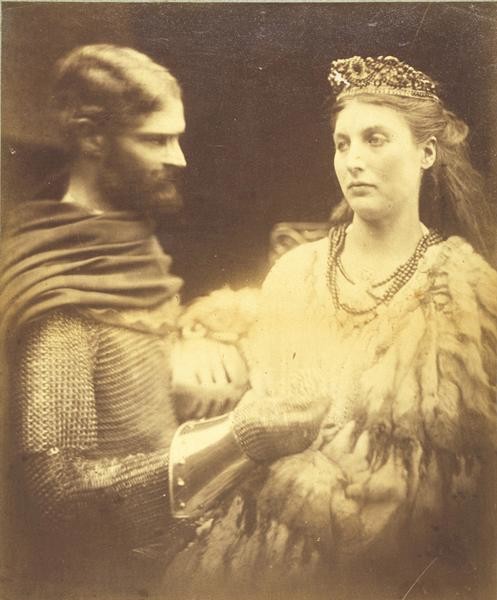
Julia Margaret Cameron was a wife and mother who took up photography at the age of 49, thanks to the influence of the Pre-Raphaelites. She was urged by her friend—the poet Alfred Tennyson—to take photos that would illustrate his poems. Here, we see the moment in Tennyson’s Idylls of the King when Lancelot presents a diamond necklace to Queen Guinevere, which he won in a tournament.
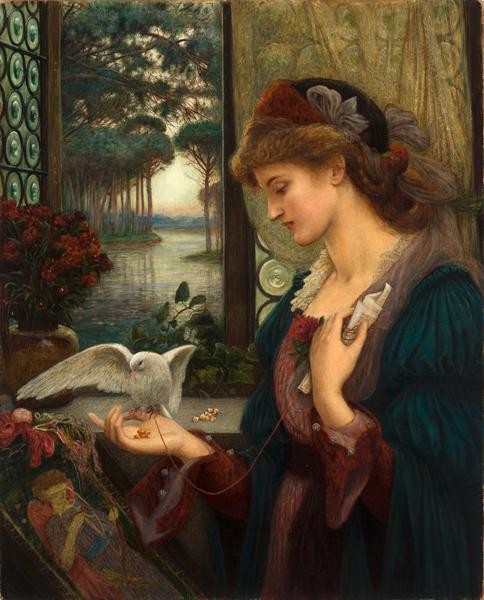
Marie Spartali Stillman was a British Pre-Raphaelite painter of Greek descent. She was also arguably the greatest female artist of the movement. The subject of this painting does not appear to be based on any specific text. Stillman worked in mixed media: gouache (watercolor mixed with opaque pigment), gum Arabic (a binding agent), pastel, and chalk.
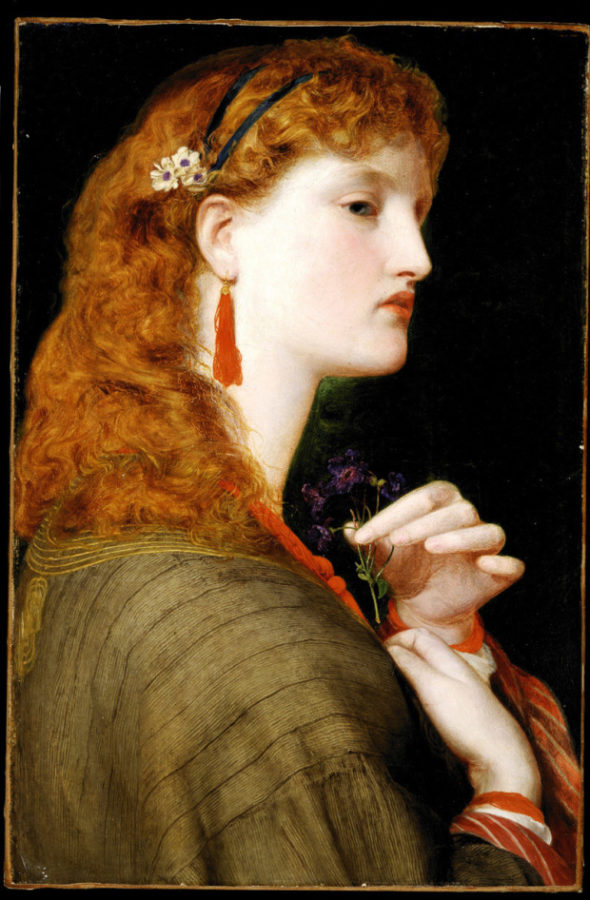
Although he was not an original member of the Pre-Raphaelite Brotherhood, the painter Frederick Sandys shared the group’s predilection for red-haired women. The model for May Margaret could have been Sandys’ common-law wife Mary or her sister Millie.
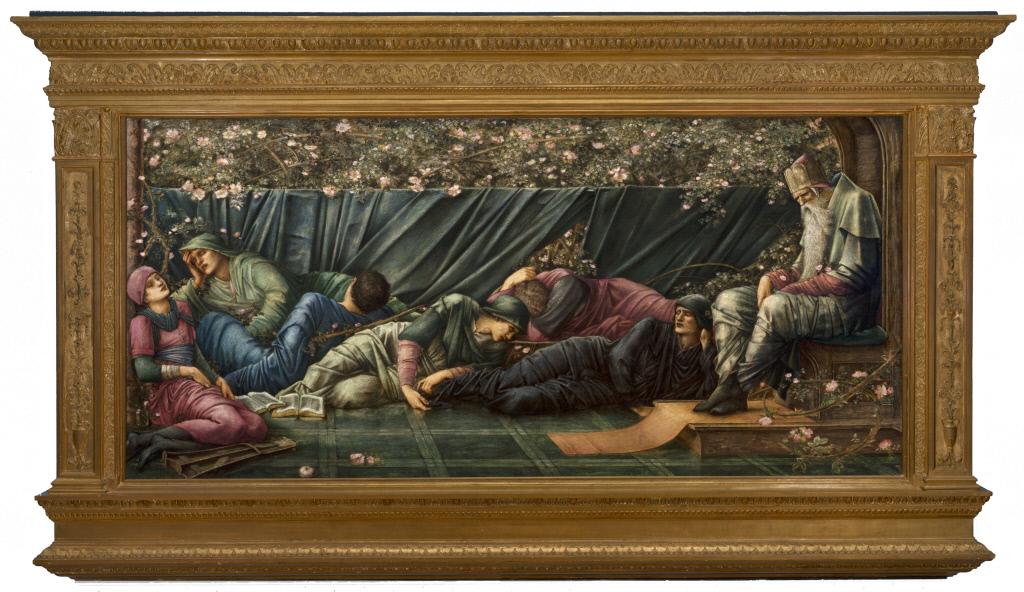
The Council Chamber represents the second scene in the Briar Rose series, a project that Burne-Jones worked on for more than 30 years. The series was based on the story of Sleeping Beauty, retold in the Victorian period by Alfred Tennyson (1809–1892) in his poem The Day-Dream.
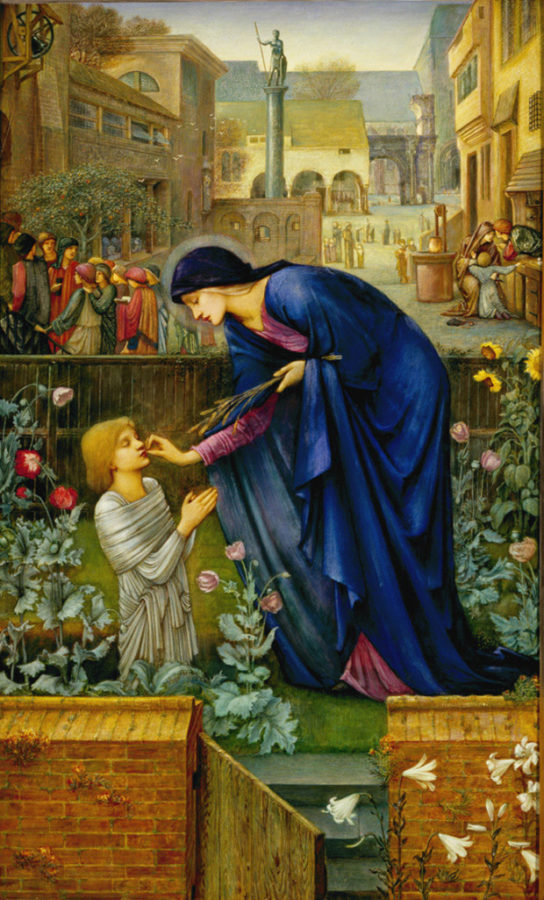
The Prioress’ Tale recounts the gruesome murder of a young boy whose throat was slit while singing the Virgin Mary’s praises. The boy’s voice miraculously returned when the Virgin placed a grain of corn on his tongue.
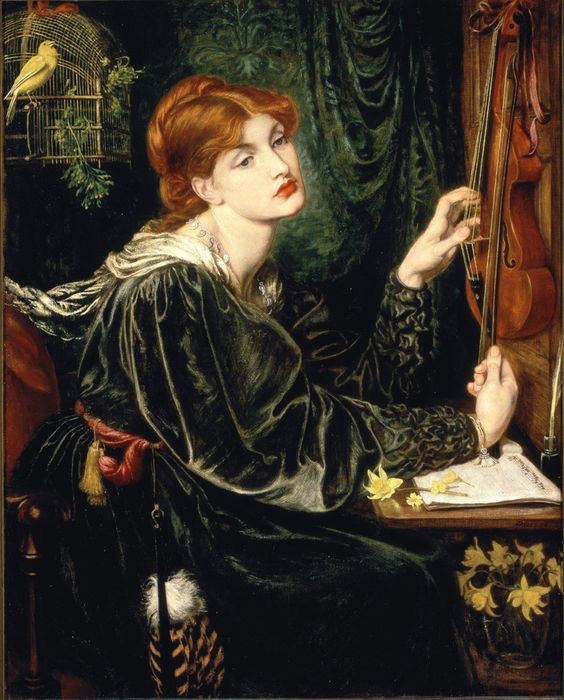
There are lines accompanying this painting that are written on its frame:
Suddenly leaning forward, the Lady Veronica rapidly wrote the first notes on the virgin page. Then she took the bow of the violin to make her dream reality; but before commencing to play the instrument hanging from her hand, she remained quiet a few moments, listening to the inspiring bird, while her left hand strayed over the strings searching for the supreme melody, still elusive. It was the marriage of the voices of nature and the soul—the dawn of a mystic creation.
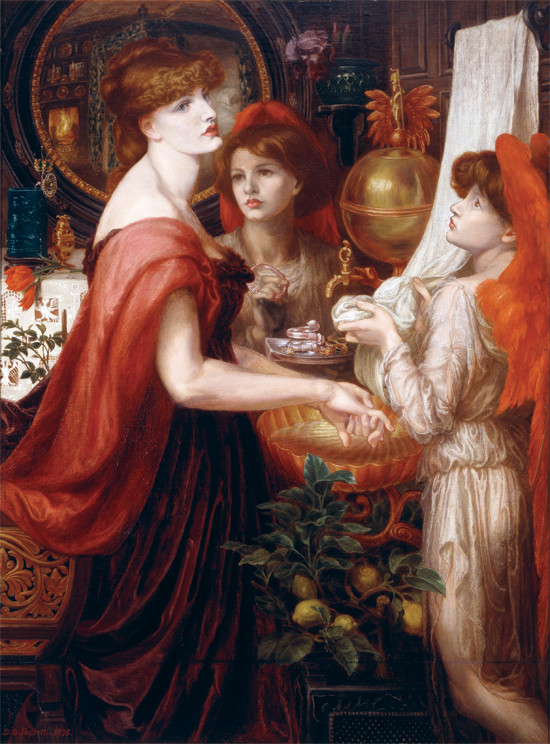
Dante Gabriel Rossetti wrote the sonnet entitled La Bella Mano a year after he completed this painting. This suggests that its visual representation might have been the inspiration for his poem. The painting represents Venus, who is a personification of love, with earthly and divine attributes.
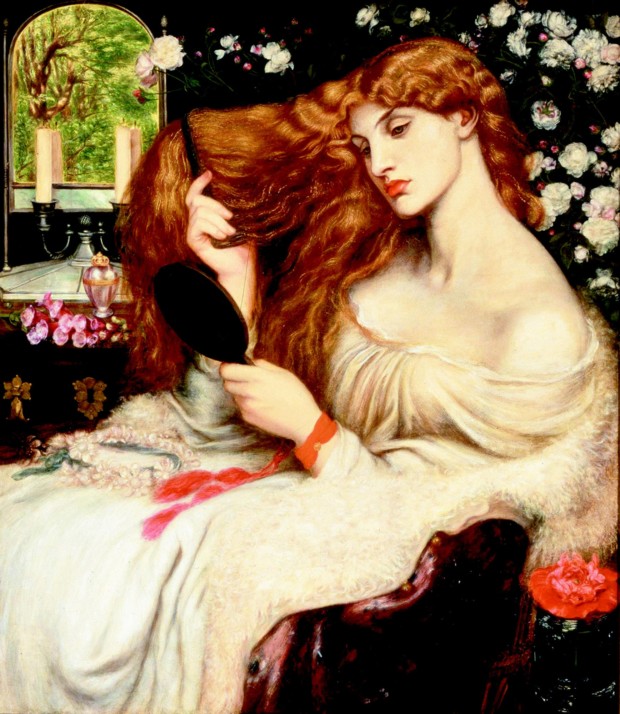
Lilith is described in Judaic literature as the first wife of Adam, and she is also associated with the seduction of men and the murder of children. The depiction of women as powerful and evil temptresses was prevalent in 19th-century painting, especially among the Pre-Raphaelites.
We hope you feel encouraged to see these and other masterpieces of Pre-Raphaelite and American art in person at the Delaware Art Museum!
DailyArt Magazine needs your support. Every contribution, however big or small, is very valuable for our future. Thanks to it, we will be able to sustain and grow the Magazine. Thank you for your help!

Art Historian, founder and CEO of DailyArtMagazine.com and DailyArt mobile app. But to be honest, her greatest accomplishment is being the owner of Pimpek the Cat.
Looming over South Kensington like a grand cathedral or a royal residence, the Natural History Museum in London honors science and human curiosity...
Maya M. Tola 17 September 2026
If impressionist masterpieces make your heart beat, then you need to visit Berlin this summer. The Alte Nationalgalerie on Museum Island recently...
Kate Wojtczak 8 June 2026
With the collection spanning more than 7,000 artworks, the American Folk Art Museum, located in Manhattan, New York, celebrates some of the most...
Szymon Jocek 21 May 2026
Our first guide, presenting 15 masterpieces of European Painting, barely scratched the surface of the vast collection held at the Metropolitan Museum...
MJ Rivera 20 April 2026