10 Paintings by Helene Schjerfbeck That You’ll Never Forget
Helene Schjerfbeck, famous in her native Finland, is not nearly as well known in the rest of the world. A genuine one-off, she studied in Paris and...
Catriona Miller 11 March 2026
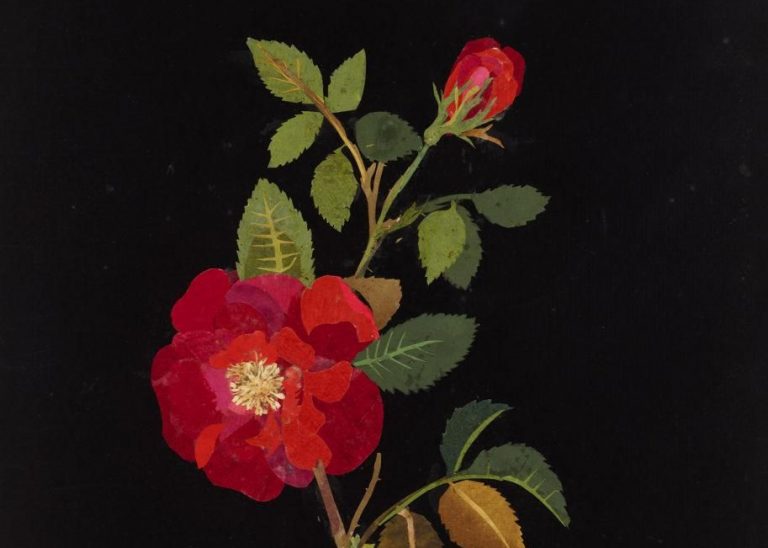
Mary Delany, Rosa Gallica, 1782, The British Museum, London, UK. Detail.
Mary Delany was a socialite of 18th-century England. She is known for being one of the earliest members of the Bluestocking Society, but was also an artist. Due to her connections with aristocratic women, Delany expanded her knowledge of botany by creating elaborate flower collages. The work she created is still coveted today for its scientific accuracy and artistic skill.
Delany was raised by a wealthy family living in southwestern England during the turn of the 18th century. She was a well-educated woman who had a successful career as an artist later in life. At the age of 17, she married 60-year-old Cornish MP Alexander Pendarves. It was understood that Delany would outlive her spouse and thus inherit his estate. However, Pendarves died sooner than anticipated and Delany was not mentioned in his will even after four years of marriage, leaving her a penniless widow.
However at the time, as a widow, Mary Pendarves had more freedom than she had ever before. This allowed her to move freely within society and become friends with anyone she pleased. For instance, one of her most well-known friends was the Duchess of Portland, Margaret Bentinck.
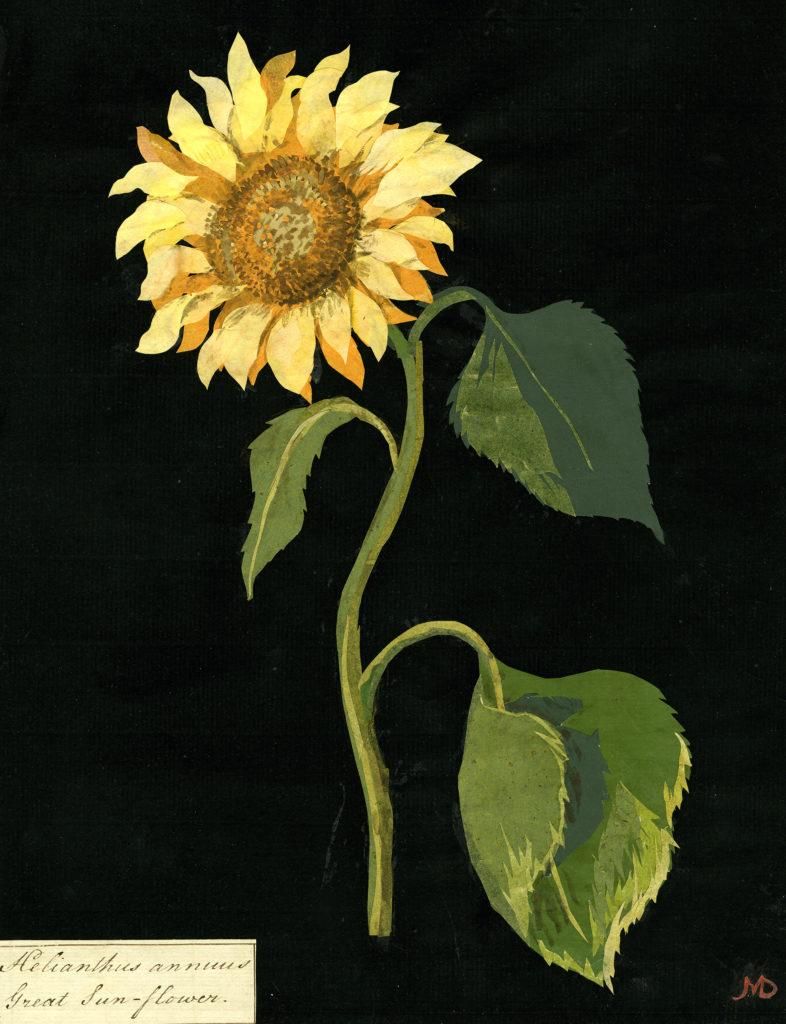
Mary Delany, Helianthus Annuss (Great Sun-Flower), 1772-1782, The British Museum, London, UK.
While being a widow gave her freedom, years later she remarried to Dr. Patrick Delany (from whom she gets her name “Mary Delany“). During their 25 years of marriage, she picked up on many high society hobbies, such as shell-work, fine needlework, plasterwork, drawing, and painting.
Although Delany spent a lot of time with the Duchess of Portland, it wasn’t until after Dr. Delany passed away in 1768 that she began to create her flower collages. After his passing, Delany spent most of her time living with the Duchess. The Duchess had a reputation as a humanitarian and collector of natural history and antiques. During her time here, Delany began using paper to create collages that modeled accurate depictions of flowers.
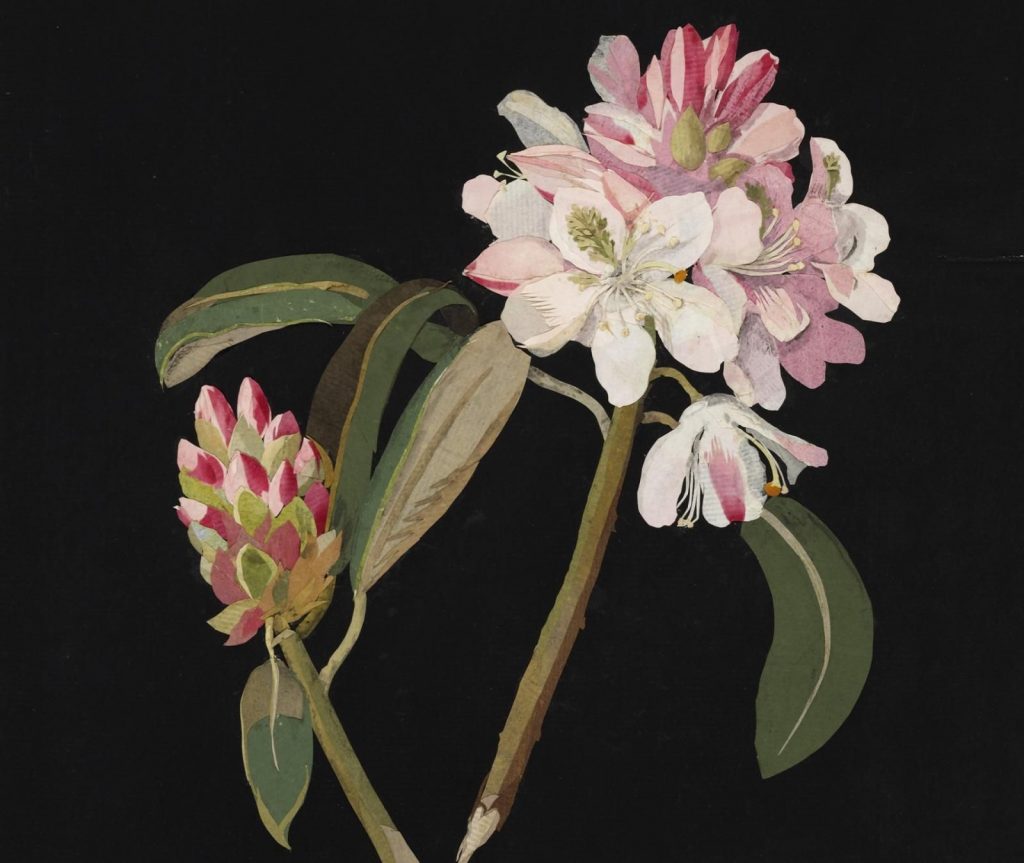
Mary Delany, Rhododendron Maximum, 1778, The British Museum, London, UK.
I have invented a new way of imitating flowers.
The British Museum
Meticulously, Delany cut small pieces of colorful paper and stacked them on top of each other to create images of flowers. She placed these collages against black backgrounds, making the image pop even more. Given the pristine surface background, it also gave the illusion of a scientific study. Delany sometimes used up to 200 pieces of paper to create a flower’s petals!
She would stack smaller pieces of paper over larger ones, creating depth in her collages. Another technique she used to enhance the lighting of the flower would be adding watercolor. Finally, the glue she used to connect the paper together was made from egg white, flour, and water.
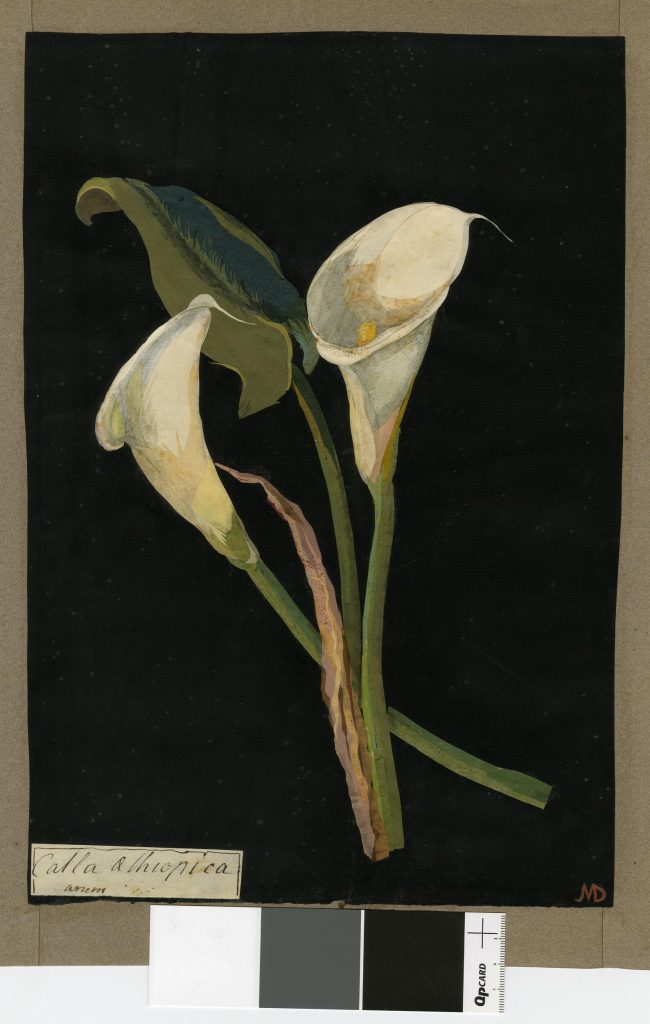
Mary Delany, Calla Aethiopica (Gynandria Polyandria), 1778, The British Museum, London, UK.
Delany used the flower’s scientific and common names to title each collage. However, her signature “MD” is the most stylish aspect of her work. She used the same technique as her work to create her signature- by using cut pieces of paper! Her work became well known among her friends, who sent her flowers worldwide! Even the botanist Joseph Banks sent her flowers from the Royal Botanic Gardens at Kew.
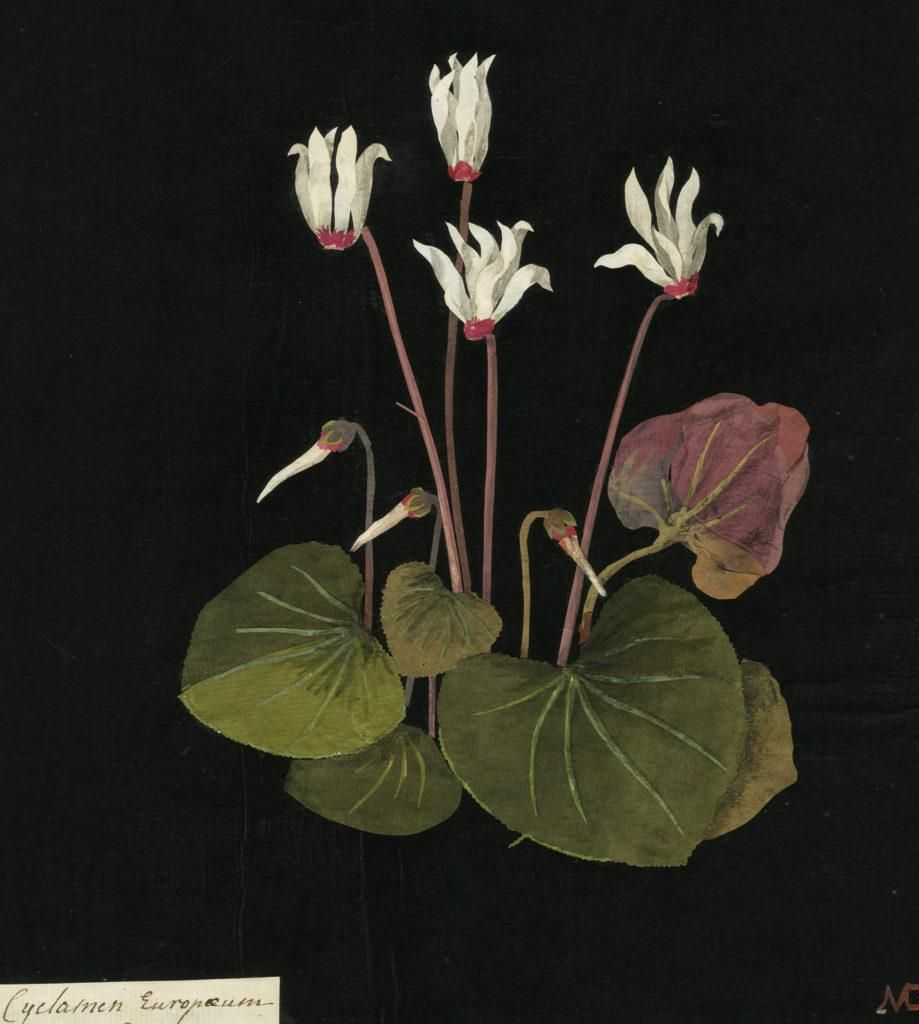
Mary Delany, Cyclamen Europaeum, 1777, The British Museum, London, UK.
In conclusion, Mary Delany made 985 Flower collages before stopping due to poor eyesight and old age in 1783. She spent ten years of her life creating these scientific masterpieces, which are still highly praised today for their accuracy.
The British Museum says, “It has been said that Delany’s pioneering and inspirational floral mosaics were the precursor to the collage art form – later embraced by artists from Hannah Höch to Man Ray.” Today, you can find all 985 collages on The British Museum’s website.
Get your daily dose of art
Click and follow us on Google News to stay updated all the time

DailyArt Magazine needs your support. Every contribution, however big or small, is very valuable for our future. Thanks to it, we will be able to sustain and grow the Magazine. Thank you for your help!

Art Historian with a Master of Arts degree. Specializes in tapestries and textiles from the Middle Ages to the Renaissance. Also, period dramas, love them!

Bec is an art nerd, bicycle enthusiast, cat mom, artist/crafter/maker from sunny Toronto, Canada.
Helene Schjerfbeck, famous in her native Finland, is not nearly as well known in the rest of the world. A genuine one-off, she studied in Paris and...
Catriona Miller 11 March 2026
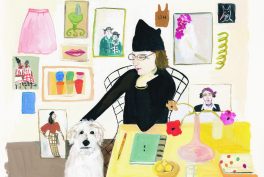
If you are a frequent visitor to museum stores and bookshops, or a regular reader of The New Yorker, you have probably encountered the work of Maira...
Aniela Rybak-Vaganay 9 March 2026
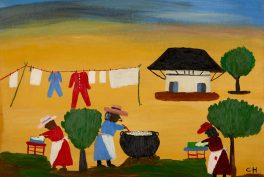
Clementine Hunter taught herself to paint in her fifities and spent the rest of her life chronicling the Black Southern experience, not with slogans...
Wen Gu 23 February 2026
Élisabeth Vigée Le Brun was one of the most accomplished portraitists of her generation. At the peak of her fame, the doors of the highest European...
Edoardo Cesarino 16 March 2026