

Rediscovering Fauvist Georgette Agutte in 10 Paintings
Georgette Agutte was one of the very few women who participated in the Parisian art scene at the turn of the 20th century. She was a sculptor and a...
Nikolina Konjevod 26 March 2026
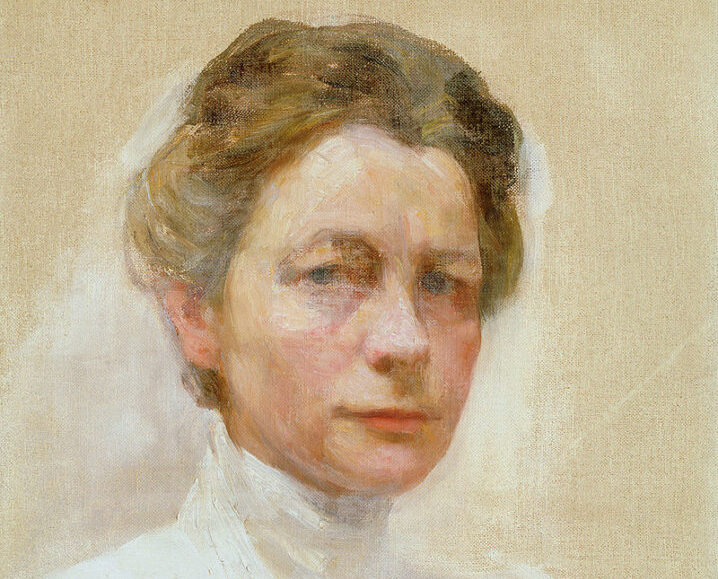
Ivana Kobilca, Self-Portrait in White, c. 1910, National Gallery of Slovenia, Ljubljana, Slovenia. Detail.
Melania Trump should not be the only Slovenian woman that the world can think of. There is also a painter, Ivana Kobilca, whose independence, artistic autonomy, open-mindedness, and enormous artistic skill made her a synonym for the national art of Slovenia, a key figure in the artistic and cultural development of the country.
Her fascinating personality is, I think, reflected in a quote in which she summed up her life: “I wanted to see everything in the world and look behind every curtain: I was always driven forward. And I am not sorry for anything, I have seen the world and life; it was beautiful and full of sunshine, I regret nothing.”
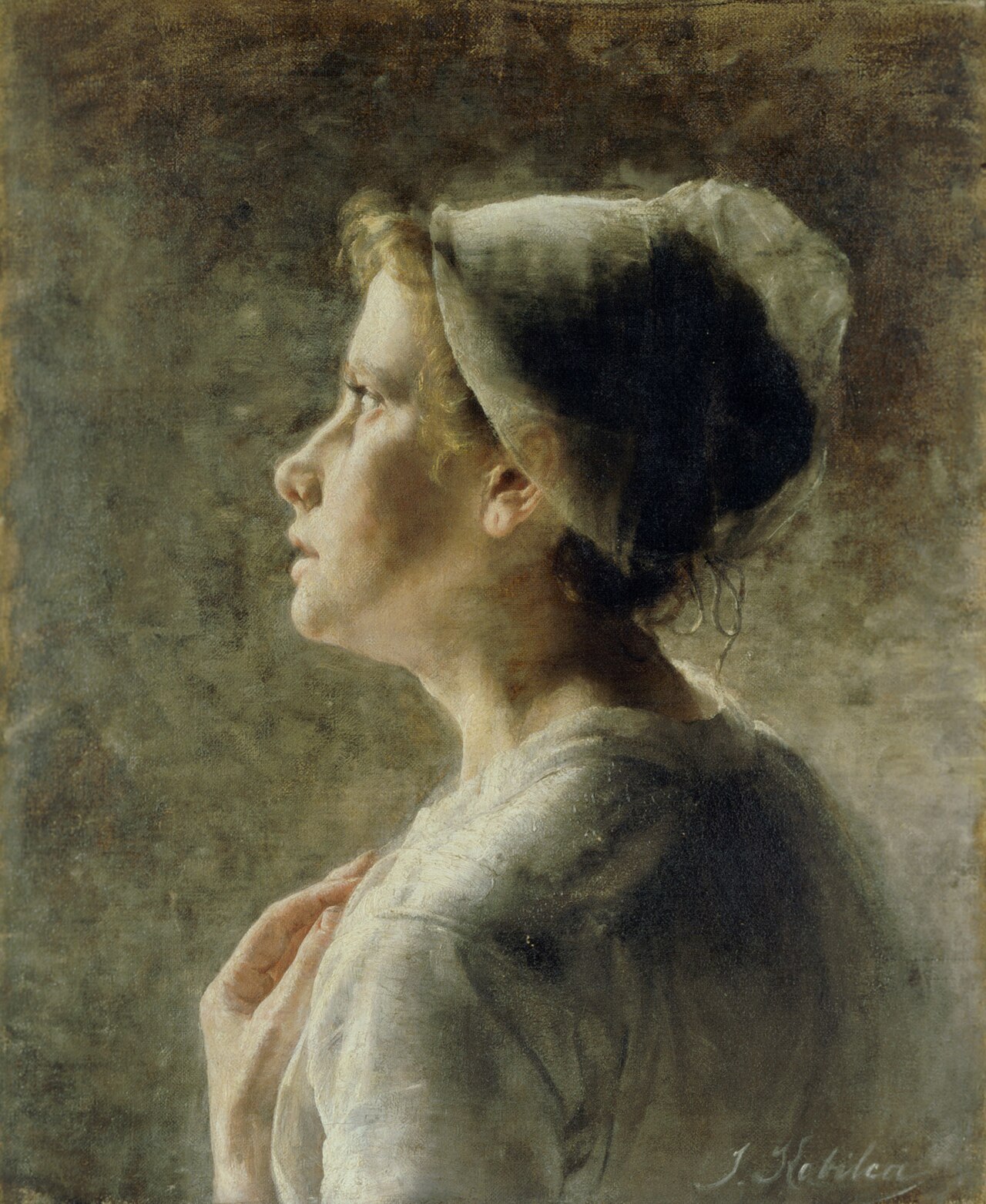
Born in 1861 in Ljubljana, at the age of 16, she decided she wanted to be a painter. Yet she had to wait another four years to travel first to Vienna to copy the Old Masters, and then to Munich to study under the direction of a painter, Alois Erdtelt, who ran a private school for girls. Erdelt taught painting in the manner of Dutch painters of the 17th century, and he paid attention to every single detail, a lesson which made Ivana a great portraitist, not only of her relatives and friends, but also of national officials and bourgeois clientele whose numerous commissions let her make a living as an artist.
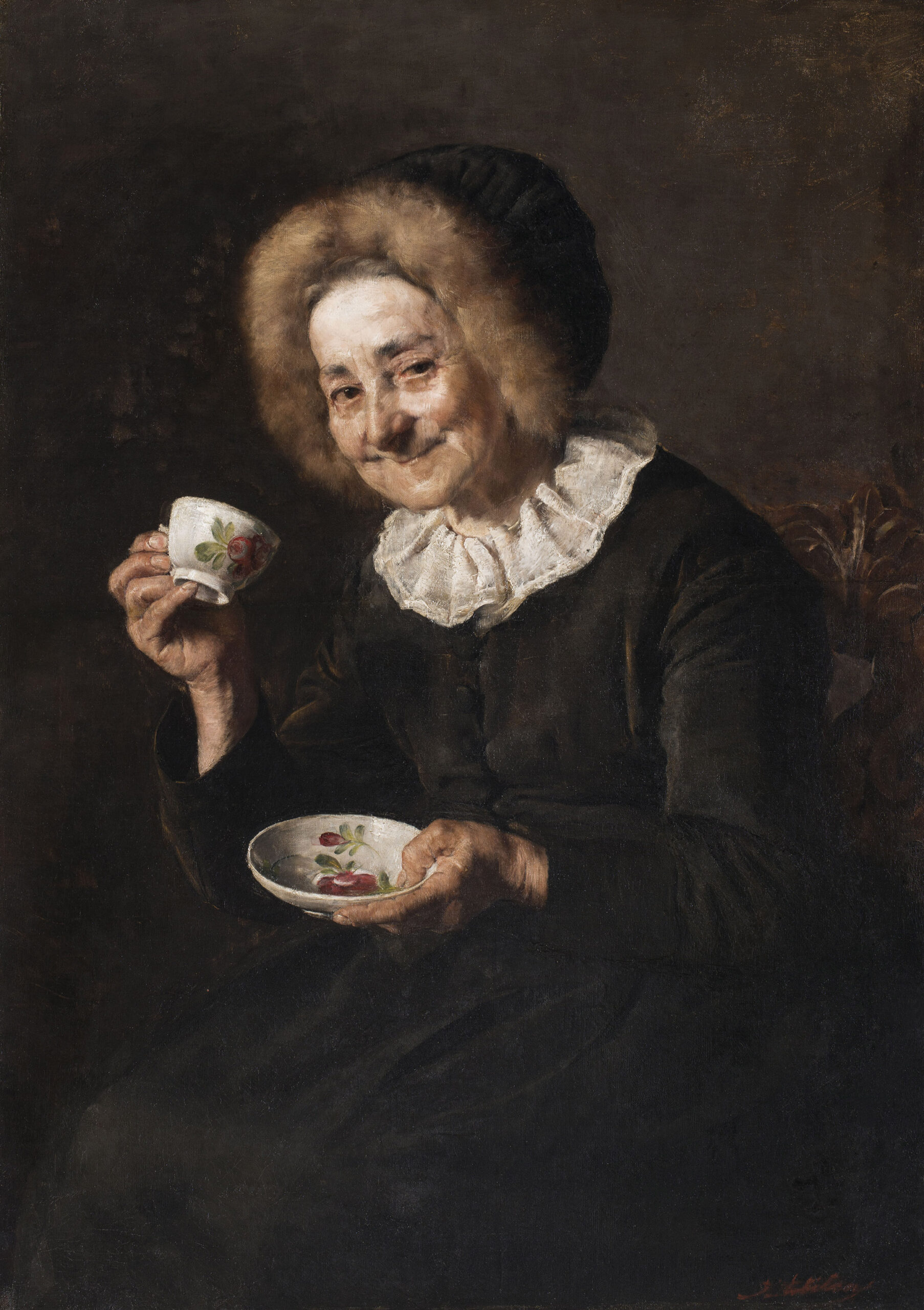
She held her first exhibition in 1888 in Vienna, and a year later, she moved back to Ljubljana to make her solo show. Yet, liberated abroad, at home, she had to censor her own works. Used to paint from life and photo studies, Ivana often portrayed nudes, but after the clamour that arose after her exhibition, which showed a portrait of her sister Fanny with bare shoulders, she chose to crop most of her works.
In 1891, she moved again, this time to Paris, where she quickly gained acclaim at the Salon (she presented there three times, in 1891, 1892, and 1897). Although she mostly interacted with the juste milieu painters rather than the avant-garde Impressionists, the new trends in French art also affected her own style. She loved the work of Pierre Puvis de Chavannes and his melancholic bluish tones, while together with the artists from the school of Barbizon, she learnt how to paint en plain air.
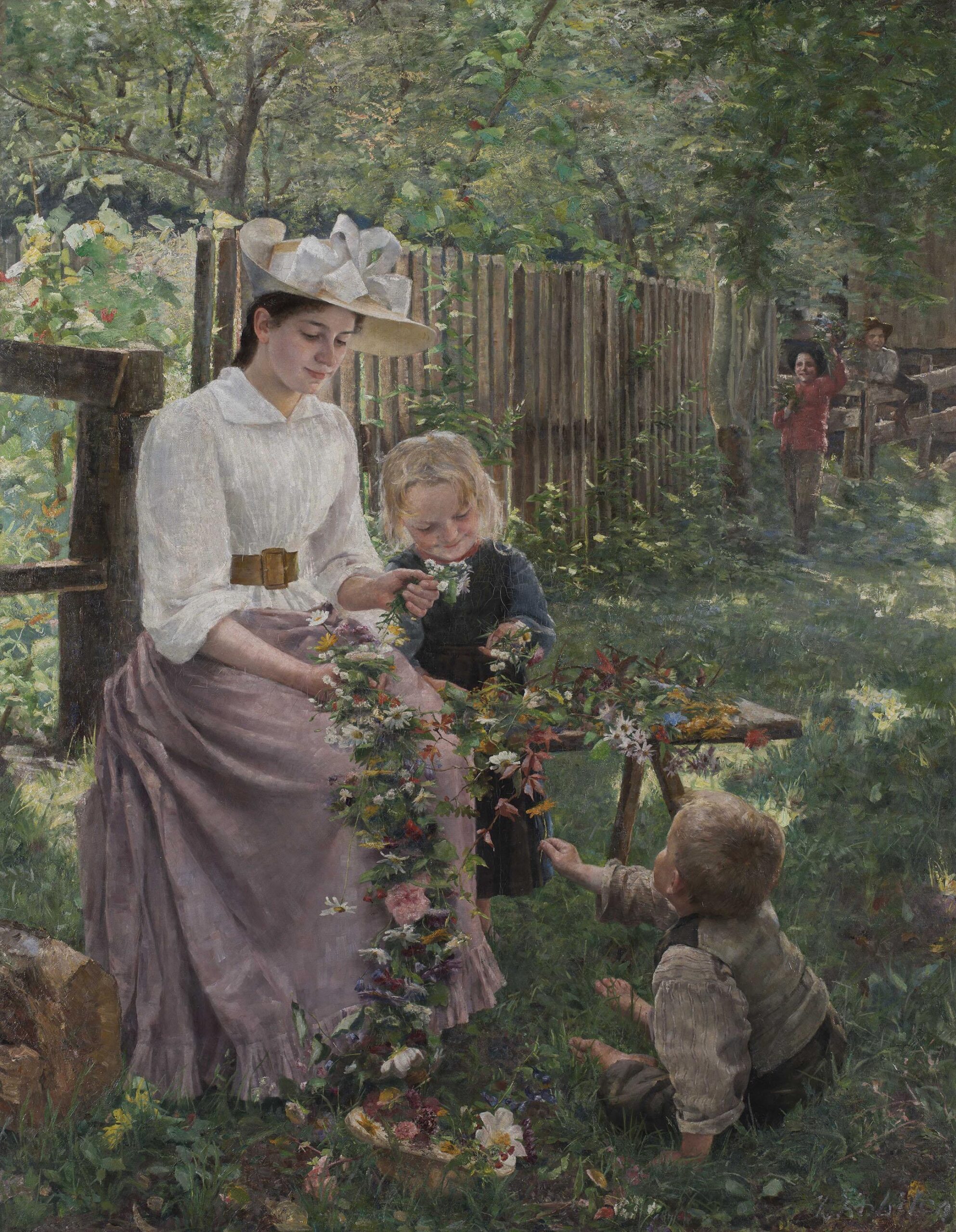
She stayed in Paris until 1894, when she went to Florence for a study sojourn. This experience opened her to the world of Italian art, and in 1897, she was the first Slovenian woman to present at the Venice Biennale. The same year, she moved to Sarajevo, where extensive commissions permitted her to have “the most agreeable time abroad” ever. She spent seven years there, and she joined a group of German-speaking artists with whom she co-founded the Sarajevo Painters’ Club and a magazine Nada.
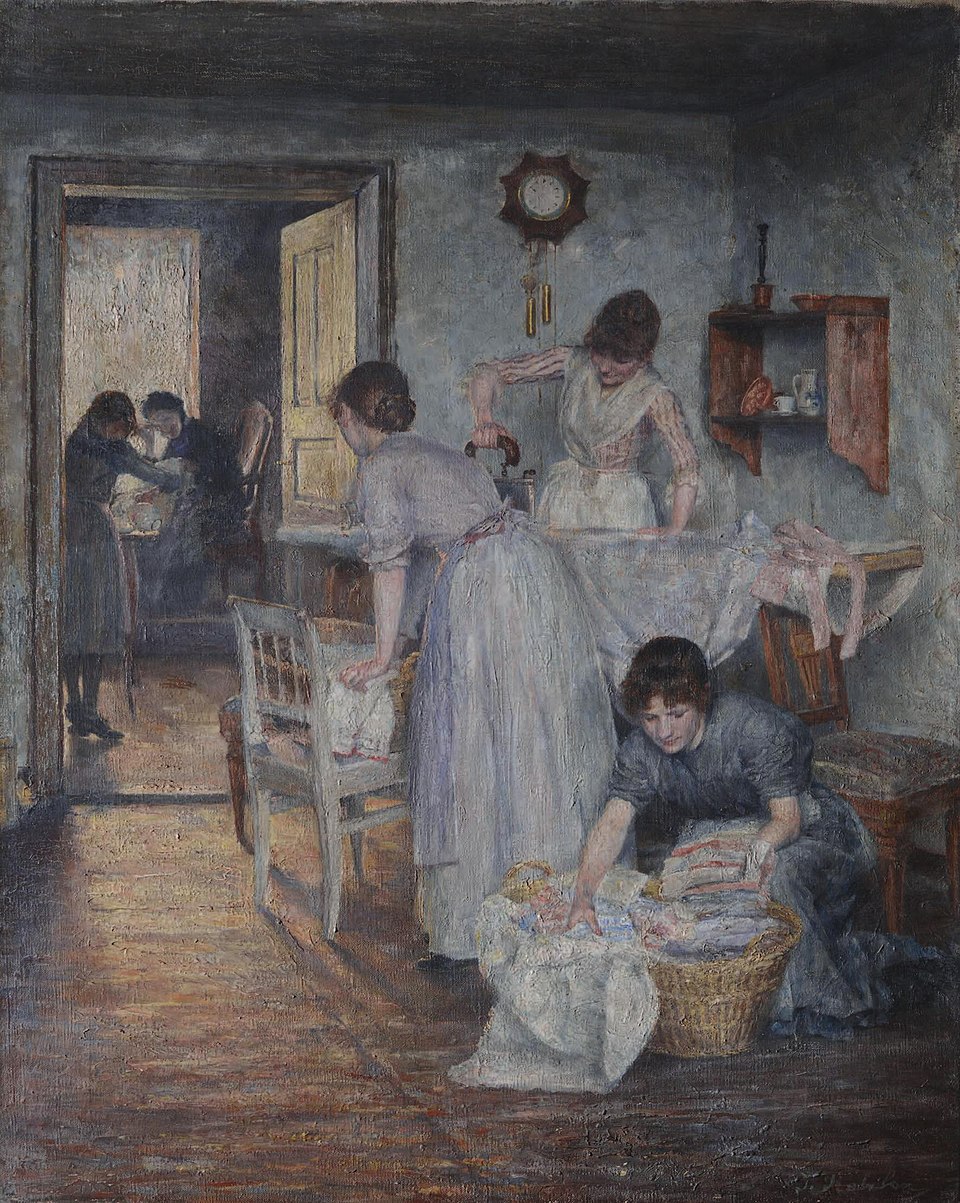
In the meantime, she continued with portraiture, which became her most reliable source of income. In order to find new clients, she attended parties and dressed in the latest fashion, and in order to assume a certain image, she began experimenting with representations of herself, which she documented in self-portraits (also photographic ones).
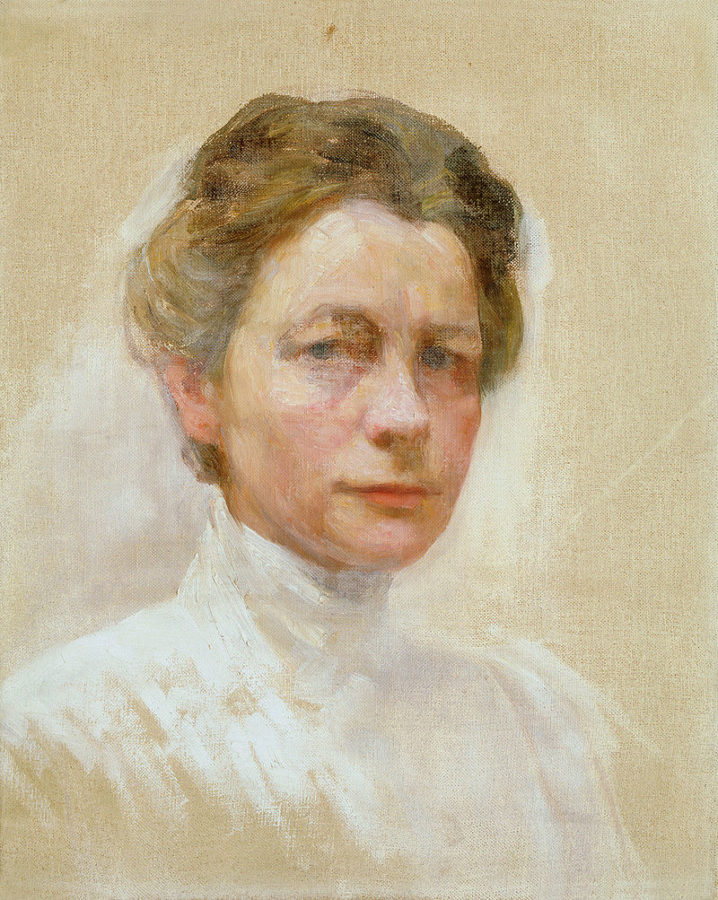
In 1905, she decided to return to Ljubljana, but then in 1906 she moved to Berlin, where she stayed until the outbreak of the First World War. Although she received a lot of support from a wealthy patron, the competitive art scene made her life as an independent woman-painter quite difficult. Nevertheless, her boldest paintings come from this period, yet her artistic experiments were forcefully stopped by the war when she decided to return to Slovenia and stay there permanently. She worked incessantly until her death in 1926, painting still lifes and portraits.
Get your daily dose of art
Click and follow us on Google News to stay updated all the time

DailyArt Magazine needs your support. Every contribution, however big or small, is very valuable for our future. Thanks to it, we will be able to sustain and grow the Magazine. Thank you for your help!

Magda, art historian and Italianist, she writes about art because she cannot make it herself. She loves committed and political artists like Ai Weiwei or the Futurists; like Joseph Beuys she believes that art can change us and we can change the world.
Georgette Agutte was one of the very few women who participated in the Parisian art scene at the turn of the 20th century. She was a sculptor and a...
Nikolina Konjevod 26 March 2026
For most of her life, Grandma Moses was a wife, a mother, and a hardworking woman living on a farm. She began painting in her late seventies to keep...
Kinga Dobosz 30 March 2026
Helene Schjerfbeck, famous in her native Finland, is not nearly as well known in the rest of the world. A genuine one-off, she studied in Paris and...
Catriona Miller 11 March 2026
If you are a frequent visitor to museum stores and bookshops, or a regular reader of The New Yorker, you have probably encountered the work of Maira...
Aniela Rybak-Vaganay 9 March 2026