William H. Johnson in 10 Artworks—From Post-Impressionism to Folk Art
William H. Johnson’s paintings show a breadth of styles ranging from realism to Post-Impressionism, and later a folk art aesthetic that would...
Theodore Carter 12 February 2026
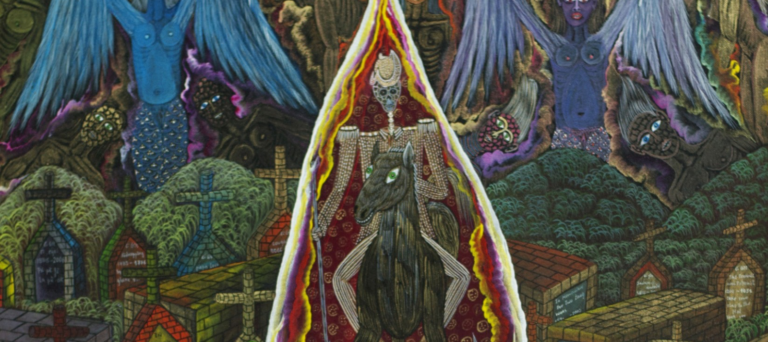
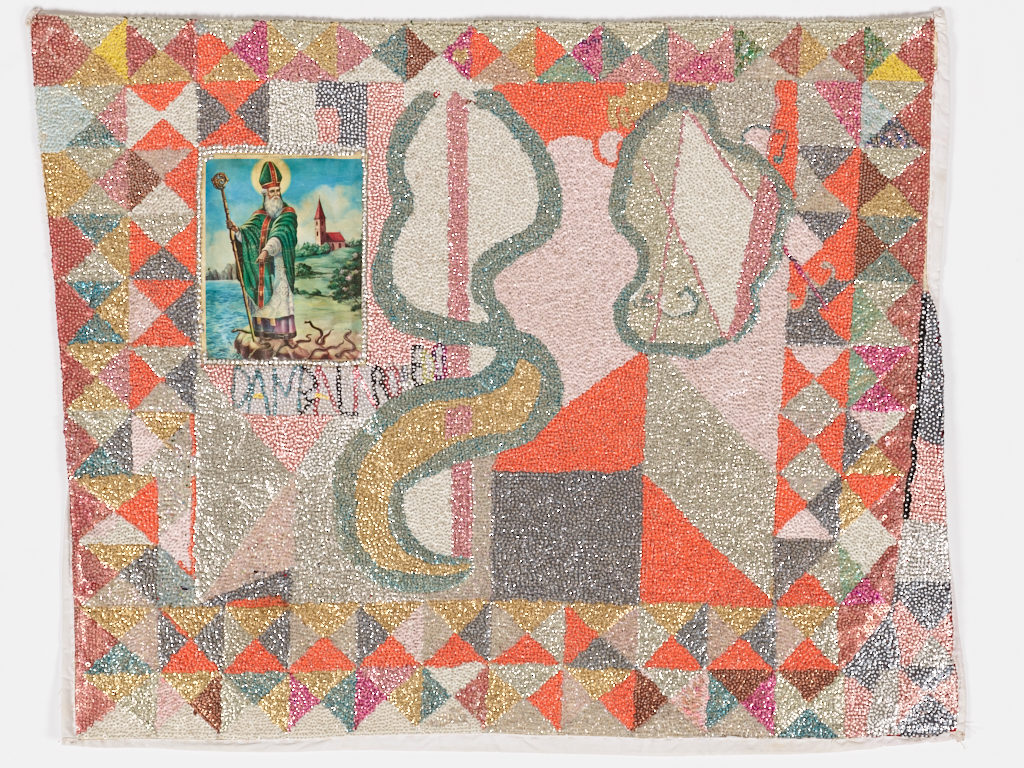
Frantz Zephirin, Wedding of Dambala, 2007, Galerie Macondo, Pittsburgh, PA, USA.
Vodou is one of the most misunderstood belief systems in the world. Derided by the Church and popular culture, in fact it is a fascinating system of ethics, culture, agriculture, cosmology, folklore, and medicine. Its foundations are in the tribal religions of West Africa and it was brought to the West Indies country of Haiti, to the USA, and to the Caribbean and Cuba by slaves of African descent. Let’s discover Haitian Vodou art.
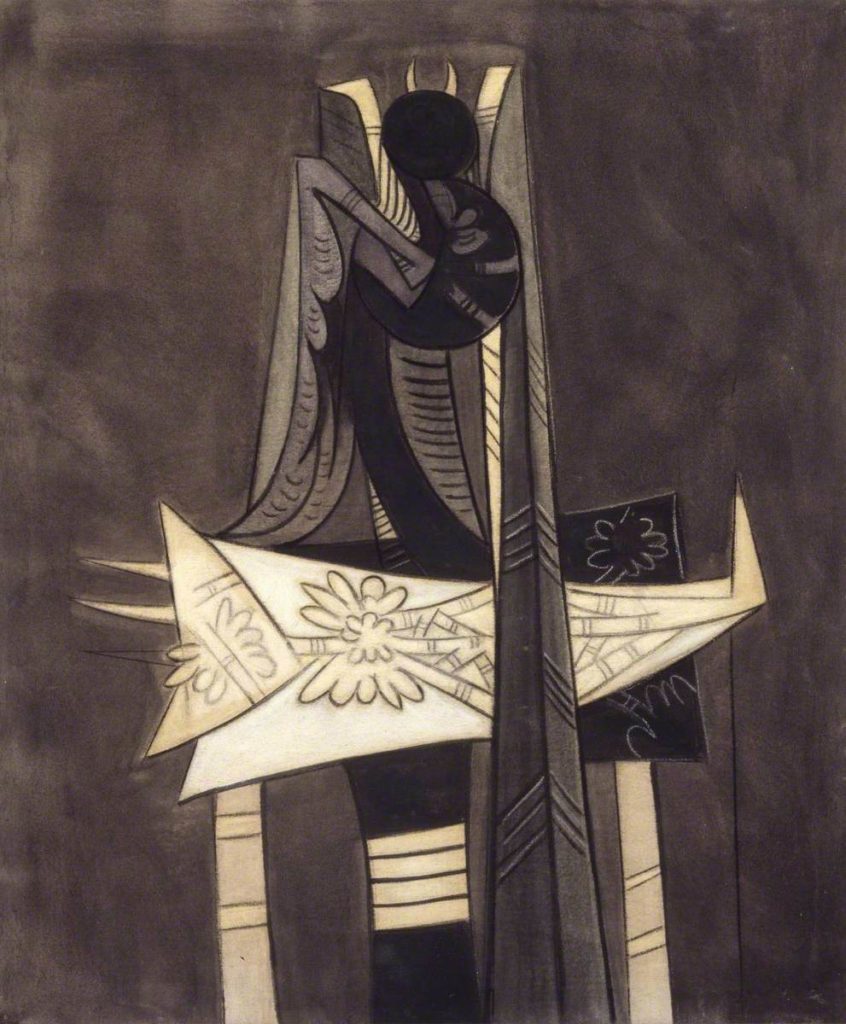
Haiti has a reputation for natural disasters, poverty, and violence, but in sharp contrast is the art of the urban and rural poor. These imaginative, visually intricate works reflect the rich history and culture of Haiti’s people.
Vodou (also known as voodoo, vodoo or voudon) is influenced by European Catholicism and folklore as well as the religion of Haiti’s first people, the Taino, who were almost wiped out by the first Spanish settlers. In Haitian Vodou art we see paintings, on board or canvas, tapestries, flags, and sculptural forms—all specific representations of spiritual power.
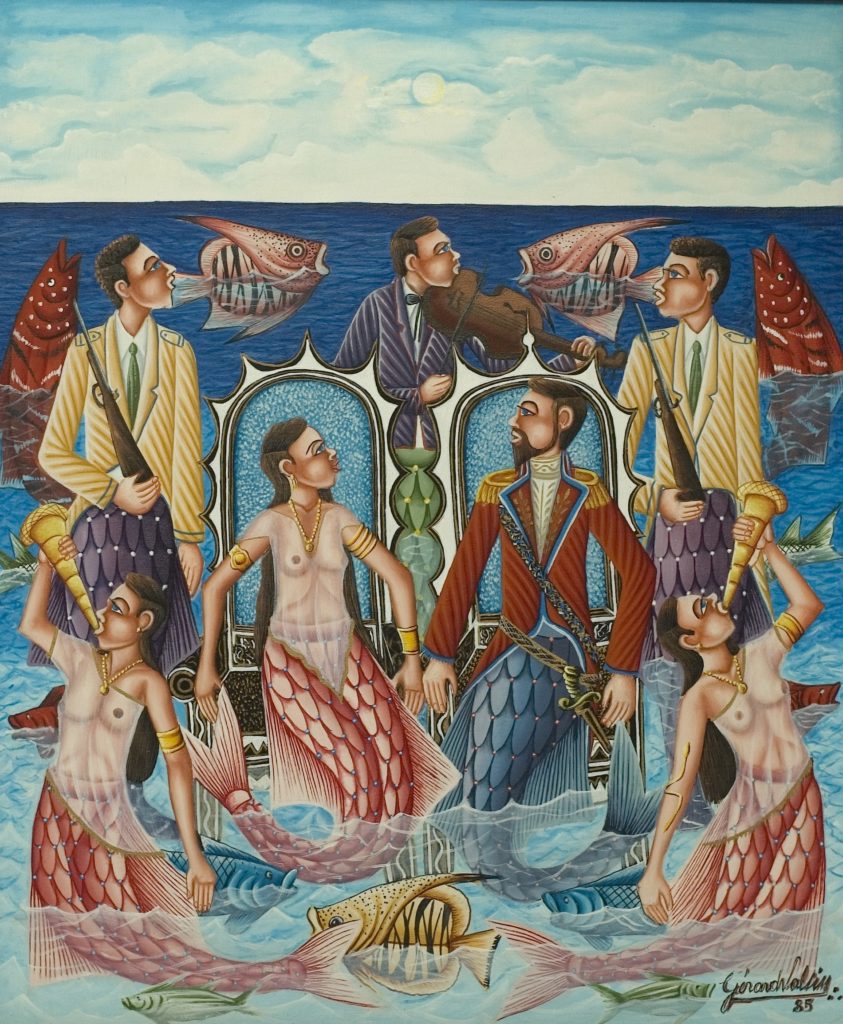
In Haiti from the 1950s to the 1970s Vodou was overshadowed by the terrible dictatorship of François Duvalier—Papa Doc. He used Vodou as an instrument of terror, dressing his militia, the Tontons Macoutes, as the spirit of agriculture while his own costume evoked the Vodou deity of death, Baron Samedi. Papa Doc, and his son Baby Doc looted the country and are reported to have killed 30,000 of their countrymen and women.
But Vodou is so much more than that grim chapter in Haiti’s history. It is a powerful phenomenon. Its supporters say it is neither good nor evil, but a way of channeling energy. It certainly was a way to champion and celebrate African heritage. And it was an impressive anti—colonial force, helping to establish the first autonomous Black nation, after the 1791 Haitian Revolution.
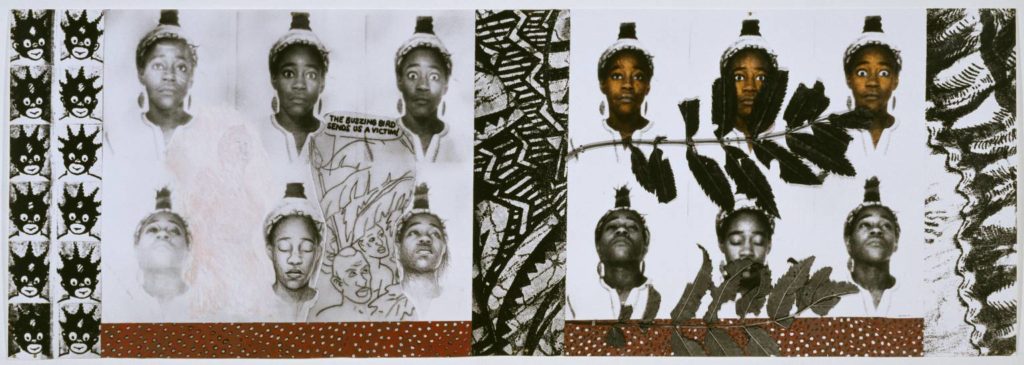
Modern artists continue to mine this rich seam of human experience, illuminating its value and relevance today.
Get your daily dose of art
Click and follow us on Google News to stay updated all the time

DailyArt Magazine needs your support. Every contribution, however big or small, is very valuable for our future. Thanks to it, we will be able to sustain and grow the Magazine. Thank you for your help!

Candy's remote, rain soaked farmhouse clings to a steep-sided valley in rural Wales. She raises cats, chickens and children with varying degrees of success. Art, literature and Lakrids licorice save her sanity on a daily basis.
William H. Johnson’s paintings show a breadth of styles ranging from realism to Post-Impressionism, and later a folk art aesthetic that would...
Theodore Carter 12 February 2026
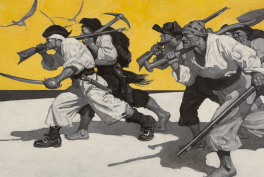
For many of us, the word “pirate” evokes images of an era full of gallant white-sailed ships, skull and crossbones flags, red bandanas, gold...
Theodore Carter 4 December 2025
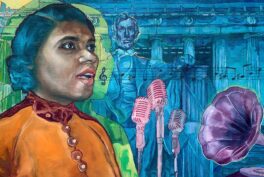
In the midst of the Jim Crow era, Marian Anderson’s undeniable voice rocketed her to stardom and made her the subject of several enduring works of...
Theodore Carter 20 October 2025
John Singer Sargent’s flattering, flashy images of late Victorian and Edwardian high society are justifiably famous. They made him rich but...
Catriona Miller 3 February 2026