
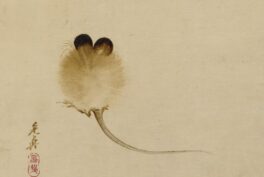
10 Japanese Artworks Where Animals Steal the Show
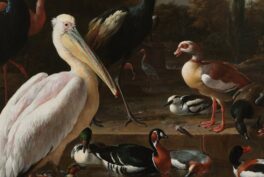
From playful monkeys and majestic tigers to sleepy cats and elegant egrets, animals have always held a special place in Japanese art. Let’s explore...
Lisa Scalone 10 September 2026
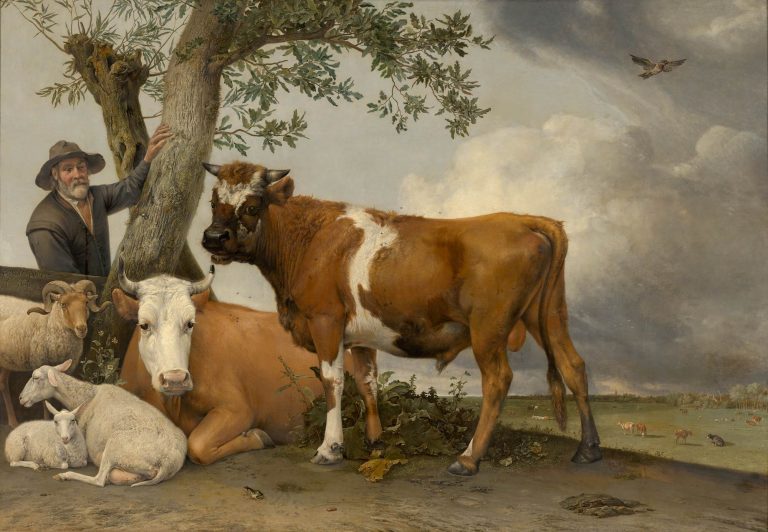
Paulus Potter, The Bull, 1625-1654, The Hague, Mauritshuis, Netherlands.
We’re used to seeing cats and dogs in art, perhaps because they have long been our everyday companions. But in 17th-century Dutch art, another animal often stole the spotlight: the cow! Discover why these beautiful four-legged creatures played such an important role in the paintings of the Dutch Golden Age.
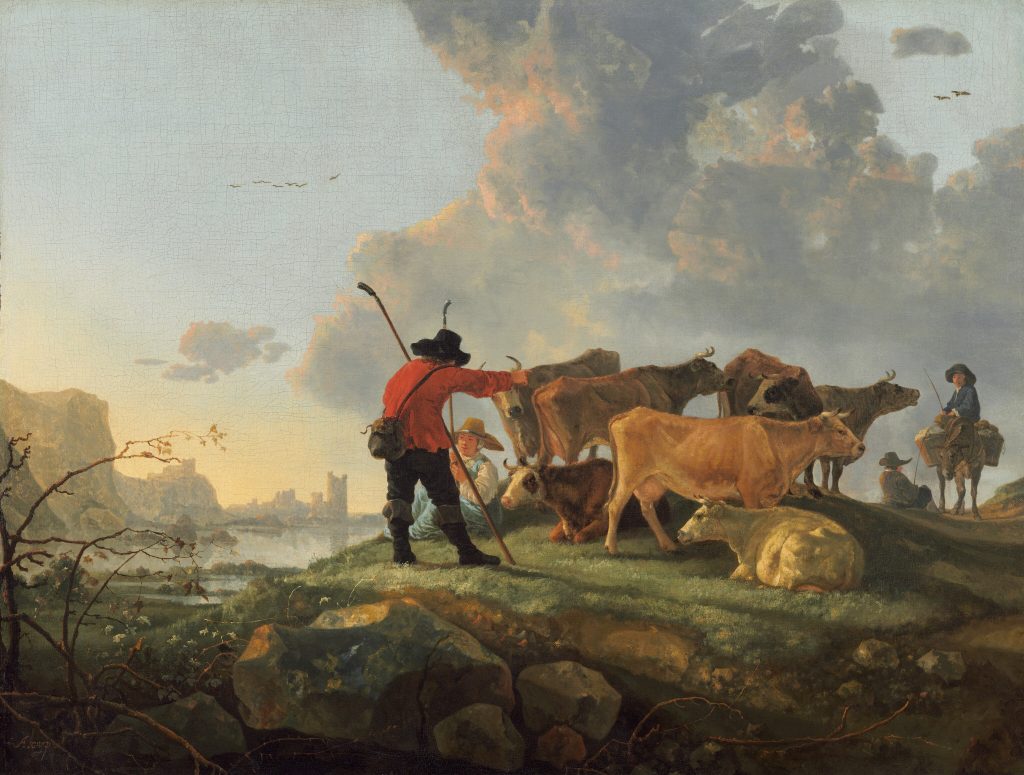
Dutch landscape painters’ interest in livestock, and the prominence given to cattle, reflect the Dutch pride in their milk industry. Eventually, the cow became a symbol of Holland and its prosperity. Any picture portraying cows not only reflected the 17th-century social and economic conditions but also expressed the nation’s patriotic feelings.

Dutch landscapists were inspired by “Italianate” landscapes popularized by the works of Claude Lorrain and Nicolas Poussin. Many of them traveled to Italy, and after they returned, they tried to recreate the unique quality of Italian light. However, despite the Italian theme, Berchem still included cows in his paintings, which, coupled with the bucolic calm of nature, conveyed a message about the economic stability of Holland.
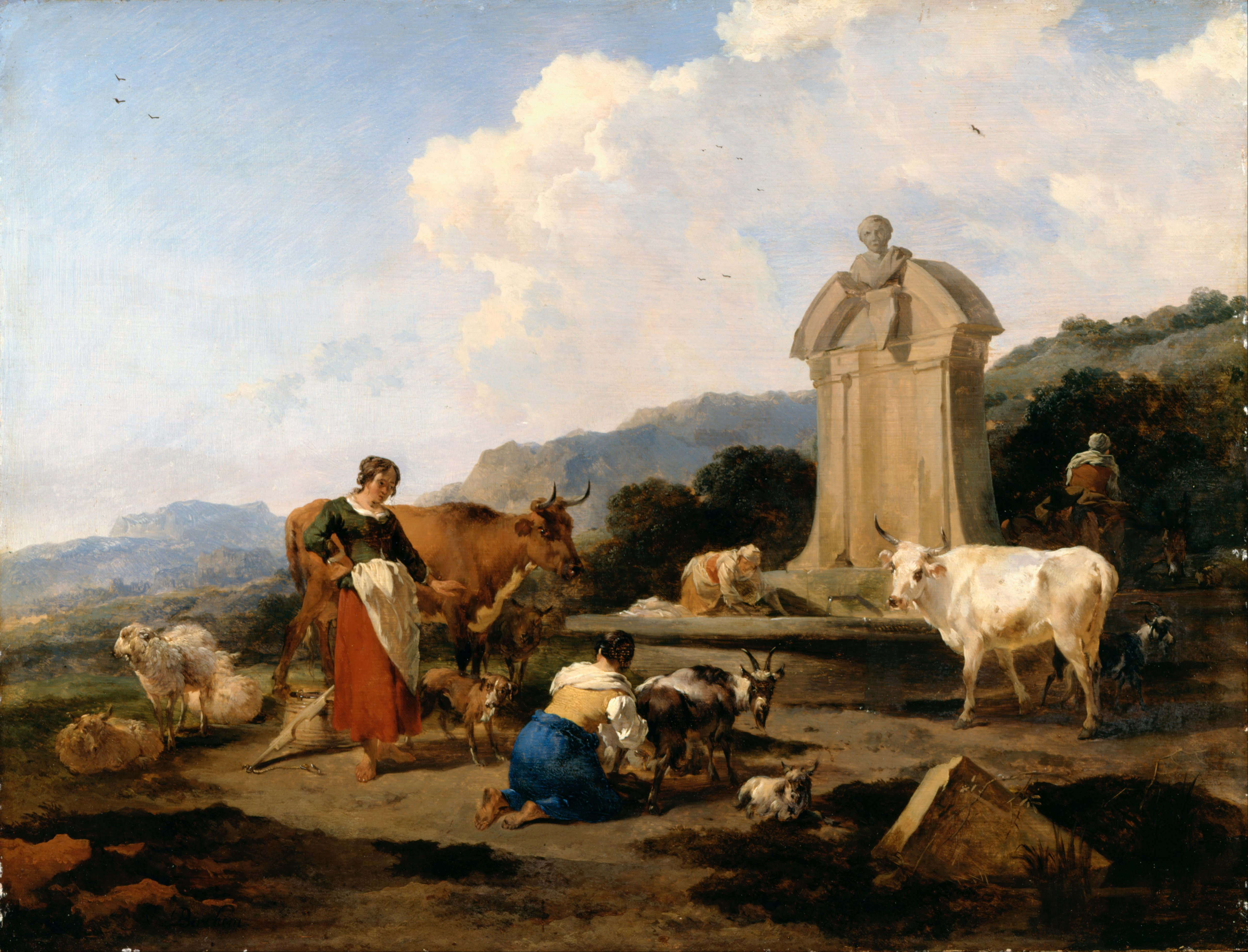

What a cute Dutch painting with cows! It comments on the harmonious relationship between humans and animals. Moreover, it carries a moralizing message in which the cow and the sheep families stand for the patriarchal nuclear family of the Dutch.
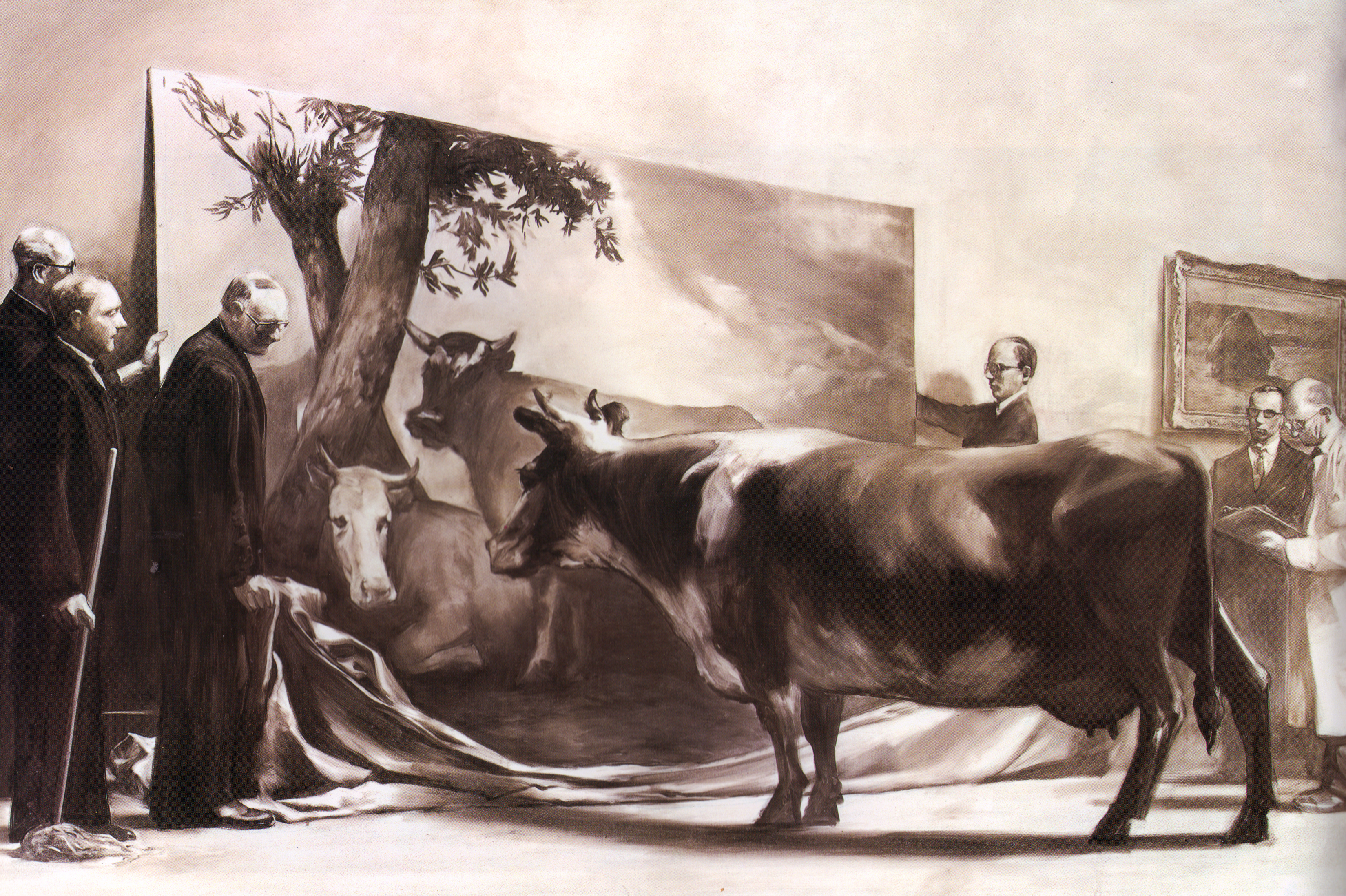
No, you’re not mistaken: this is a Dutch painting of a cow looking at a cow in another painting. Look closely; Mark Tansey references the painting by Paulus Potter we’ve just seen. What is this work about? Well, this time not so much about cows but about modern art. It depicts human experts expecting a reaction from a cow – will she recognize herself? Will she distinguish artifice from reality? Will she admire Monet’s Grainstack (Snow Effect), 1891 (on the wall to the right)? Tansey offers a critique of representation in modern art used as a method to revitalize the tradition of painting. He refers to tradition by using grisaille, or grey monochrome, which was often applied in academic painting.
DailyArt Magazine needs your support. Every contribution, however big or small, is very valuable for our future. Thanks to it, we will be able to sustain and grow the Magazine. Thank you for your help!

Magda, art historian and Italianist, she writes about art because she cannot make it herself. She loves committed and political artists like Ai Weiwei or the Futurists; like Joseph Beuys she believes that art can change us and we can change the world.

Bec is an art nerd, bicycle enthusiast, cat mom, artist/crafter/maker from sunny Toronto, Canada.
From playful monkeys and majestic tigers to sleepy cats and elegant egrets, animals have always held a special place in Japanese art. Let’s explore...
Lisa Scalone 10 September 2026
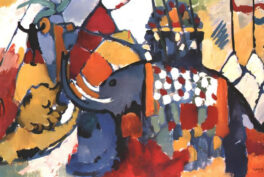
Elephants hold a profound place in art across cultures around the world, appearing as sacred creatures, symbols of power, and mysterious beings.
Guest Author 17 September 2026
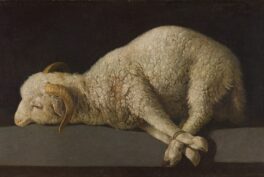
The lamb serves as an enduring and multifaceted symbol that connects ancient pre-Christian ritual with the long history of Christian art. Throughout...
Maya M. Tola 4 May 2026
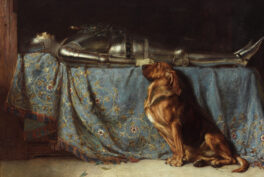
One cannot, while hoping to make a very valid argument, say dogs and humans are anything but almost entirely alike. After all, they share the same...
Guest Author 30 April 2026