Paid Partnership

Astonishing Nubian Art at the Faras Gallery in Warsaw

Candy Bedworth 15 December 2025 min Read

If I asked you to name the most powerful empire in world history, what would you say? Rome perhaps? What about ancient and medieval Nubia? Not sure where that is? In fact, probably the longest and most exciting story in world history is of this African region, which developed highly advanced civilizations that very few people have heard about. Well, today we right that wrong! We are going to take you on a fascinating journey back to late antiquity and medieval Sudan, with the marvelous assistance of the Faras Gallery in Warsaw.

The Nubians

Drawing from ethnic, religious, and socially diverse cultures, Nubians created one of the greatest civilizations known to humankind. Think dynamic, distinctive art styles, and a truly authentic African form of self-representation. This powerful civilization, rich in gold, bronze, ivory, and ebony, enjoyed a culture full of music, art, superb textiles, one of the world’s first written languages, and innovative pottery. Originally following their own early pagan heritage, the people later embraced Egyptian religion, then Eastern Christianity, and finally Islam.

For thousands of years Nubian land was a vital link between central Africa, Egypt, the Eastern and Western deserts, and the Mediterranean world. The Nubians believed that religious and political boundaries need not limit trade and cultural exchange. They integrated and synthesized their traditions with others, forging a formidable empire.

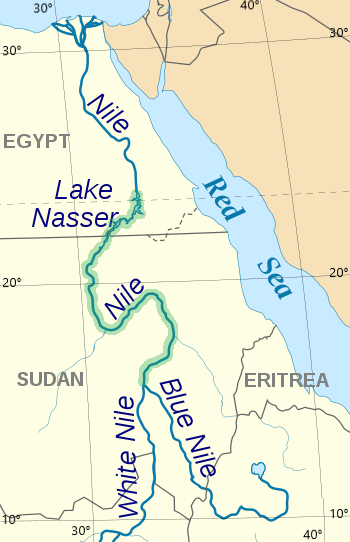
Faras: Map outline of Nubia. Treetoes023 via Wikimedia Commons (CC BY-SA 4.0).

Map outline of Nubia. Treetoes023 via Wikimedia Commons (CC BY-SA 4.0).

Christian Nubia

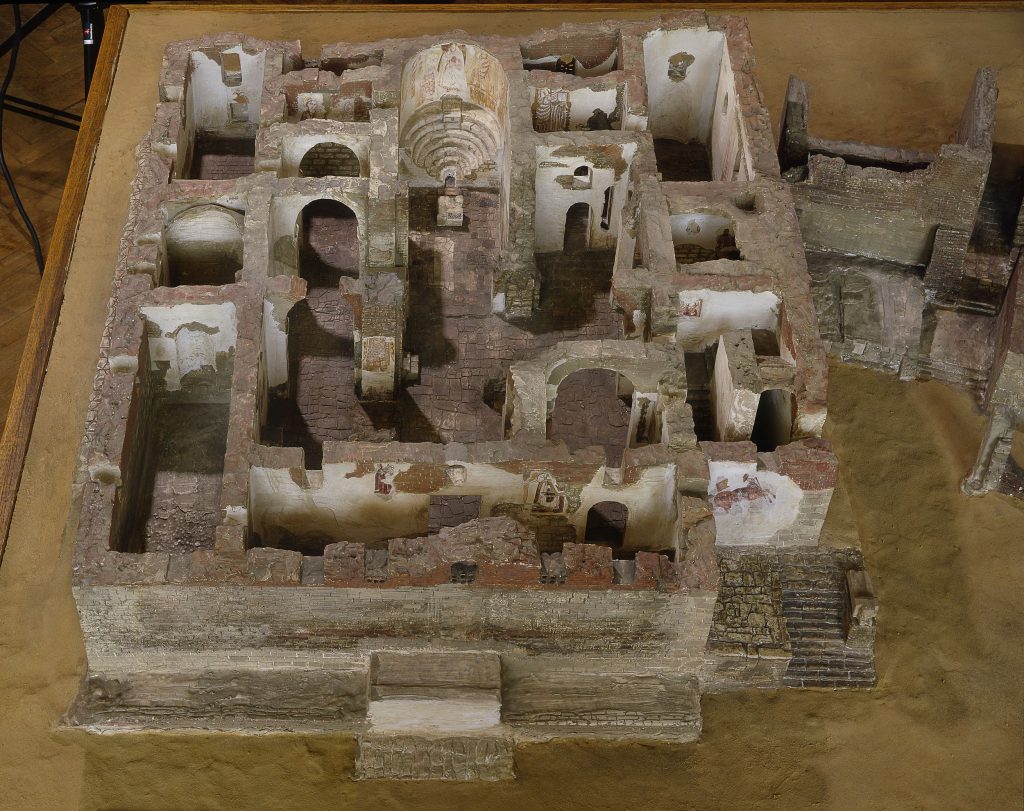
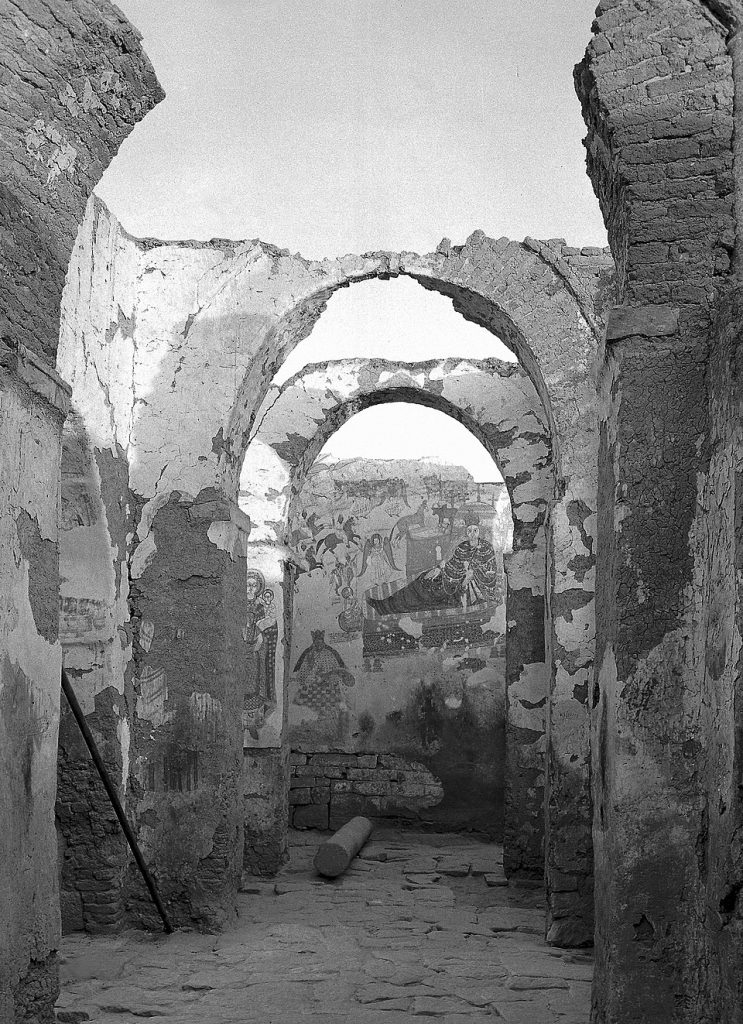
Empress Theodora of Constantinople and her husband, Emperor Justinian the Great, sent two teams of Christian missionaries to the Nile Valley in the 6th century, leading to the spread of Christian Nubian kingdoms across Southern Egypt and Northern Sudan. Faras, previously known as Pachoras, was a large urban center in the Medieval kingdom of Nobadia, in present-day Sudan. Faras Cathedral was attended by faithful Christians from the 7th century to the 14th century. When Islamic influences took over, the abandoned cathedral filled with sand. However, this sand is what preserved the wall paintings!

Faras: Model of the cathedral at Faras, made by Zbigniew Doliński, National Museum in Warsaw, Warsaw, Poland. Photograph by Piotr Ligier.

Model of the cathedral at Faras, made by Zbigniew Doliński, National Museum in Warsaw, Warsaw, Poland. Photograph by Piotr Ligier.

Faras Gallery, Warsaw

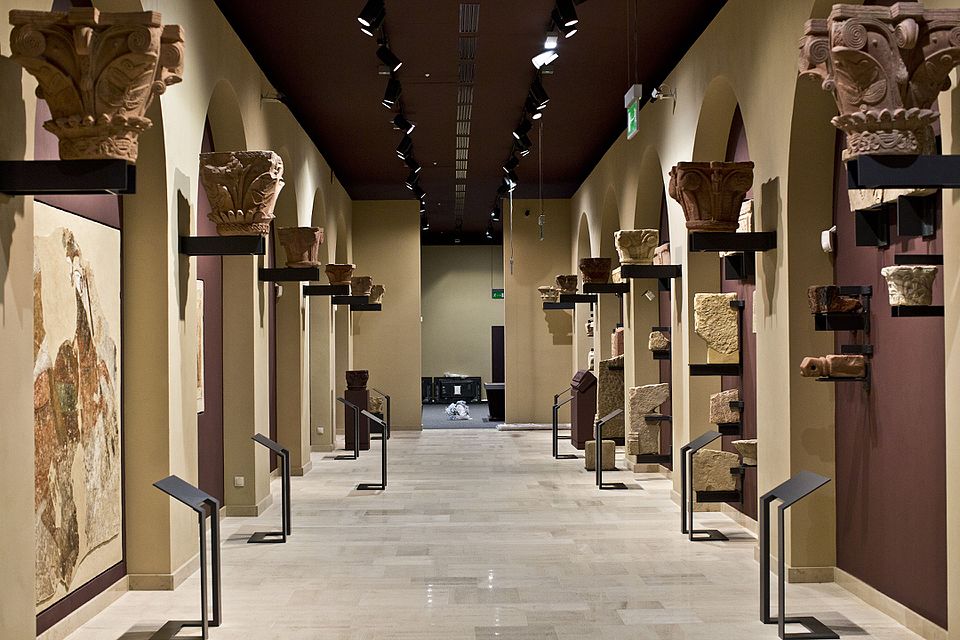
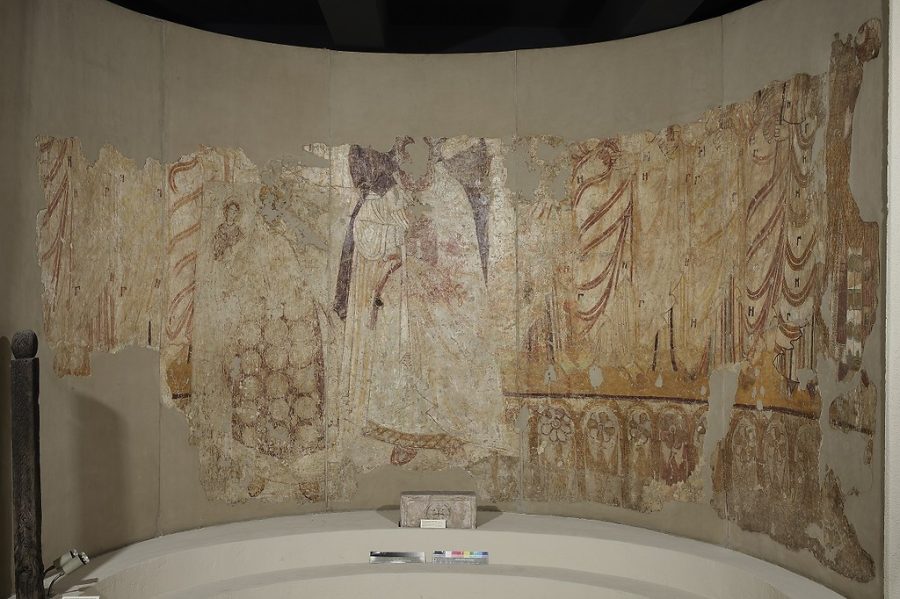
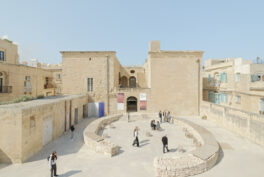
The Professor Kazimierz Michałowski Faras Gallery is part of the National Museum in Warsaw. It is the only place in Europe where you can see a permanent exhibition of astonishing artifacts and artworks from the Christian period in Nubian history, which ran from around the 6th century to the 14th century. This is art with a unique blend of indigenous African traditions layered with influences from Byzantine and Coptic Christianity.
AdVertisment

Rescue Mission

But how did Nubian items get to Poland? Museums across the world have been plundering artifacts from indigenous cultures for centuries, but that is certainly not the case here. In fact, this story follows the heroic rescue of priceless works in a joint venture between international communities.

The Nubian Campaign was a mission to preserve unique ancient monuments that were to be flooded by the imminent construction of the Aswan High Dam in Egypt in the 1960s. Led by UNESCO, specialists from across the world raced to save important artworks for posterity.

AdVertisment

Wall Murals

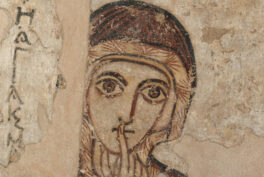
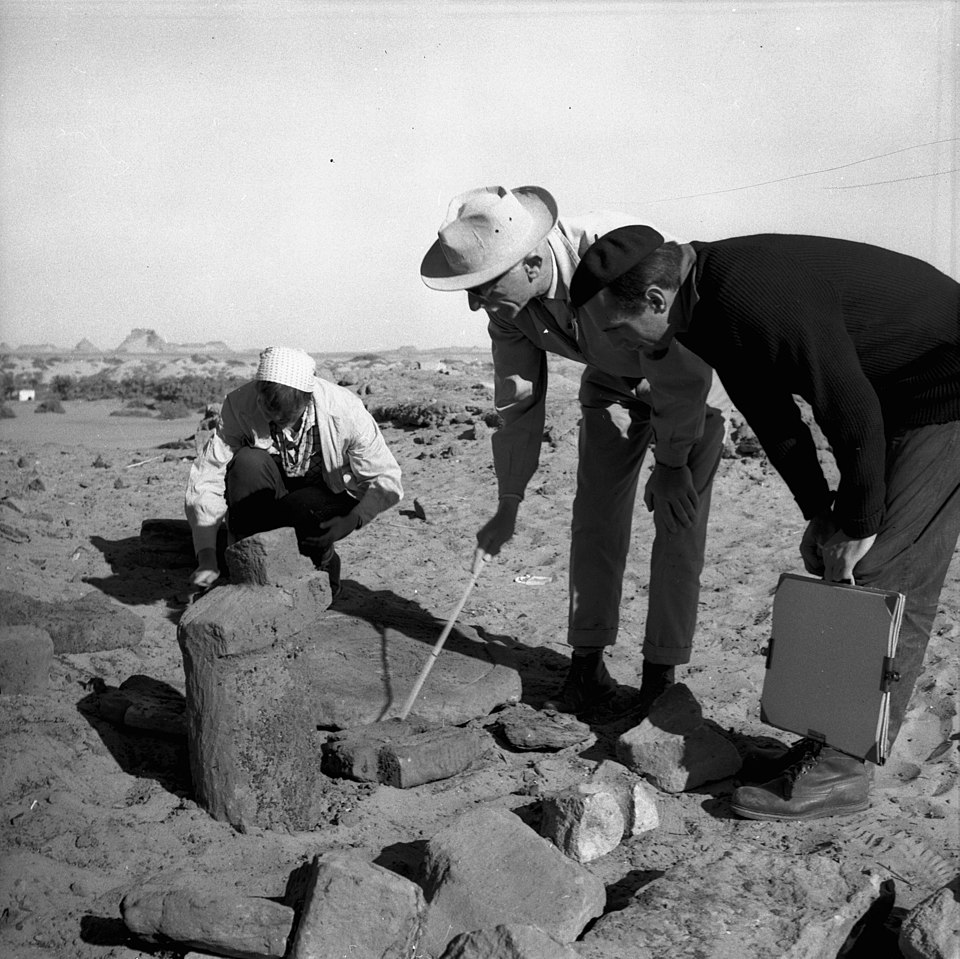
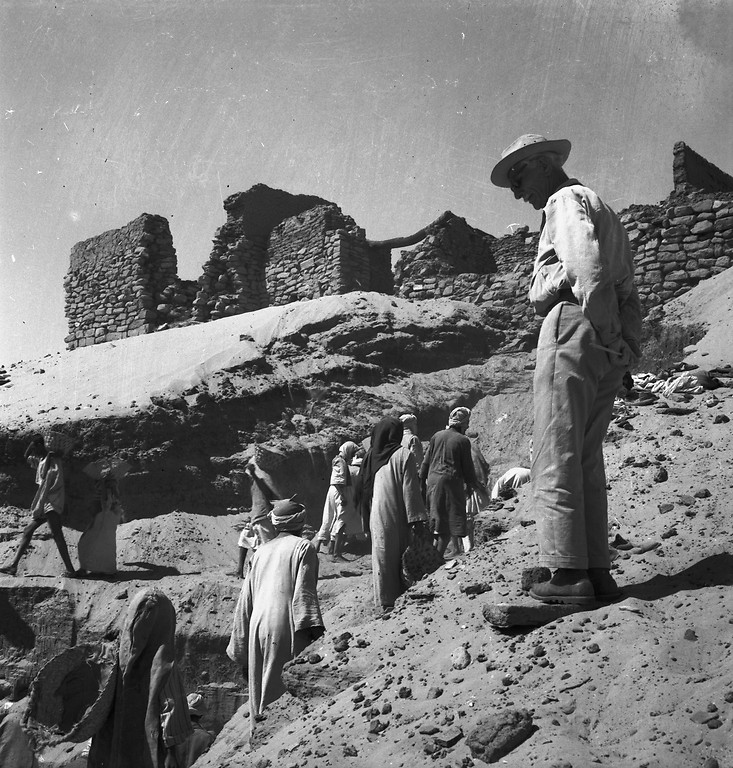
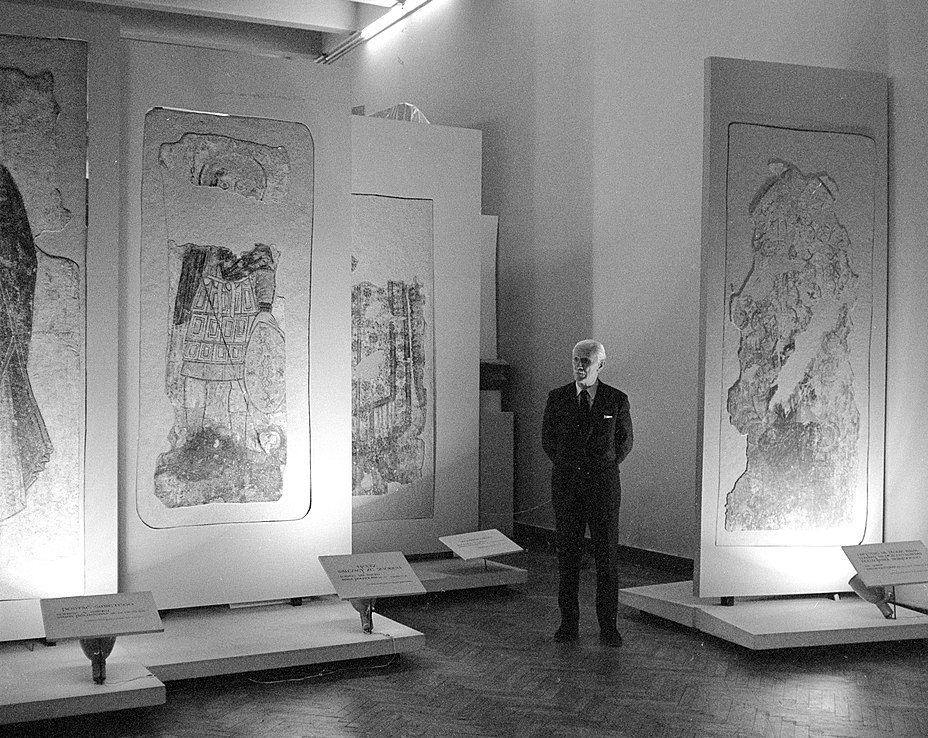
A Polish archaeological team was one of the first to rush to the aid of Sudanese and Egyptian conservationists. A key figure was Professor Kazimierz Michałowski, of the University of Warsaw, who began salvage operations in the town of Faras, discovering a wonderfully preserved medieval episcopal cathedral, whose walls were decorated with Nubian Christian paintings.

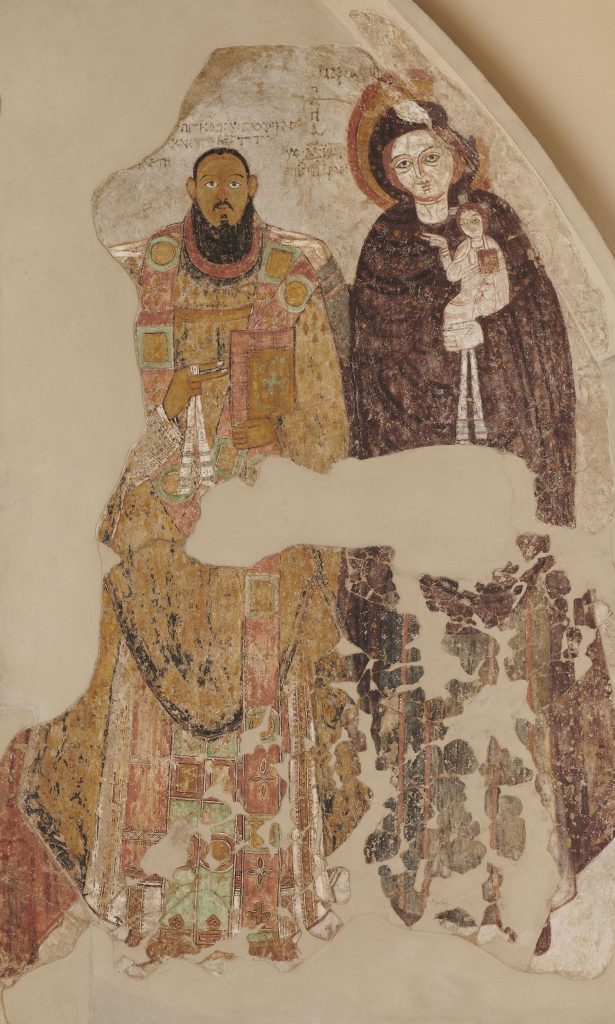
Faras: Bishop Marianos and the Virgin Mary, 11th century, National Museum in Warsaw, Warsaw, Poland. Detail.

Bishop Marianos and the Virgin Mary, 11th century, National Museum in Warsaw, Warsaw, Poland. Detail.

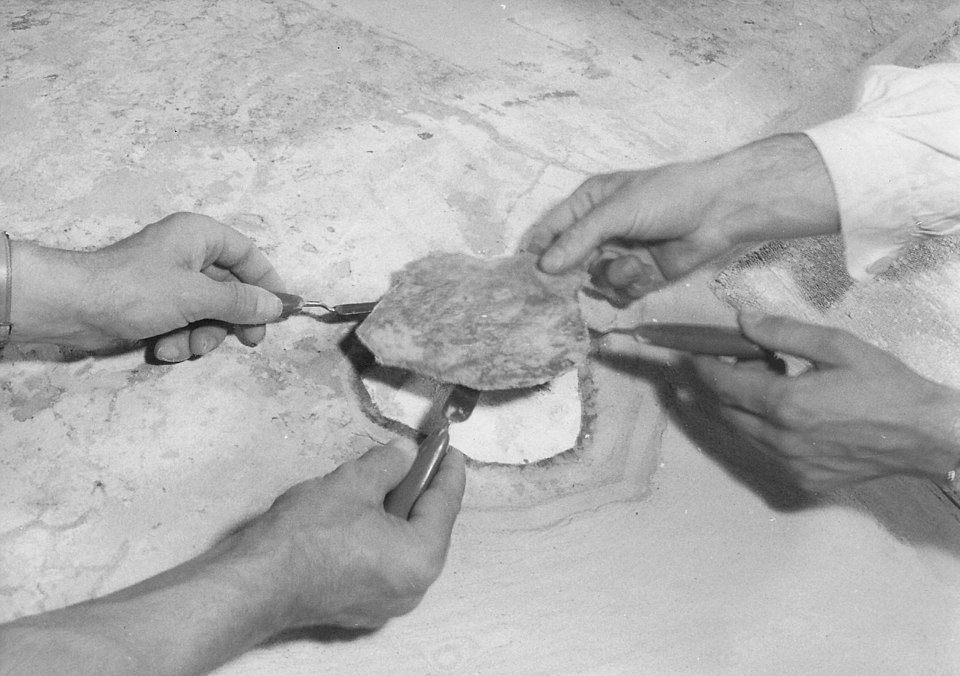
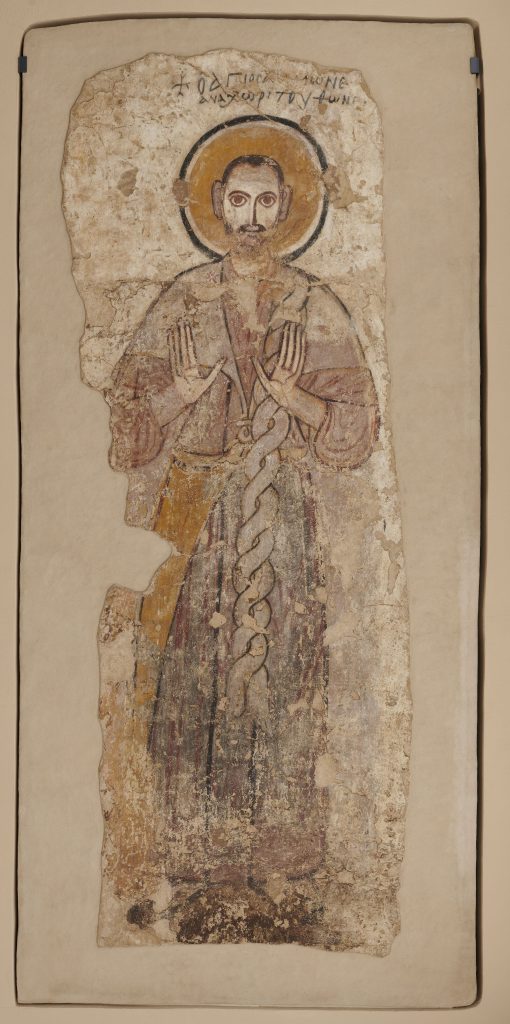
Painstaking salvage work began. The mural paintings were done in tempera, which is dry paint pigment mixed with a water-soluble binder like egg yolk. This is then painted directly onto dry mud plaster walls in a technique called al secco. Difficult climate conditions and a shortage of equipment complicated the rescue, and all the while, the deadline for the dam flooding loomed over them.

AdVertisment

Conservation

Delicate processes involving linen, beeswax, Japanese tissue, Venetian turpentine, and resin helped protect the surface of the paintings as they were removed. Carefully packed into wooden boxes lined with cotton blankets, the precious cathedral finds were shared between the National Museum in Khartoum, Sudan, and the National Museum in Warsaw, Poland. Sadly, some items could only be photographed before being flooded and lost forever.

Faras: Professor Kazimierz Michałowski with restored Faras cathedral paintings, 1960s, National Museum in Warsaw, Warsaw, Poland.

Professor Kazimierz Michałowski with restored Faras cathedral paintings, 1960s, National Museum in Warsaw, Warsaw, Poland.

Opening of the Faras Gallery

The work of historians and curators determined to find the true Nubian story has led to fascinating discoveries. Archaeologists like Professor Michalowski at the Warsaw National Museum have made it their life’s work to keep the flame of the Nubian world alight. After the rescue missions of the 1960s, the Faras Gallery opened to the public in 1972. It was further renovated in 2014, with help from UNESCO, in recognition of its vital role in preserving and promoting Nubian culture. A 3D digital project allows the world to enter this most magical space and walk within the cathedral, as it would have looked back in the mists of time. Highly recommended!

AdVertisment

Divine Images

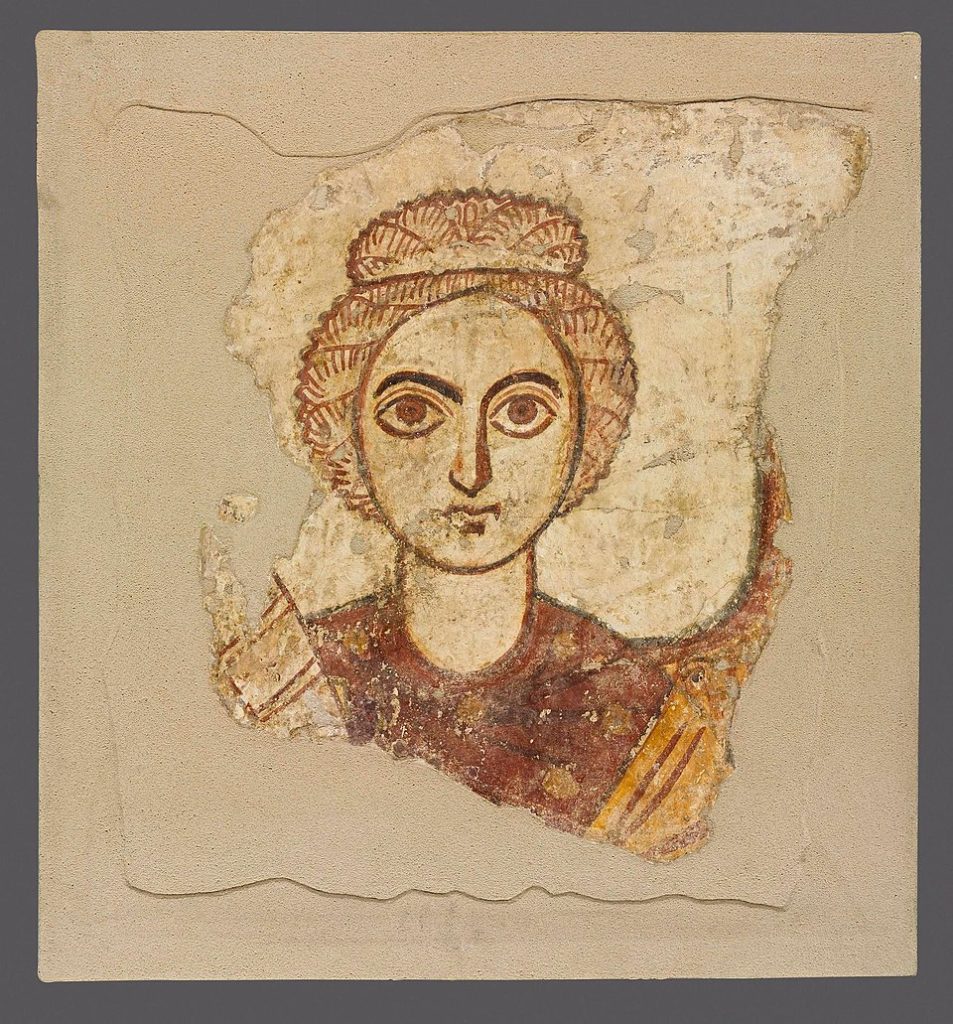
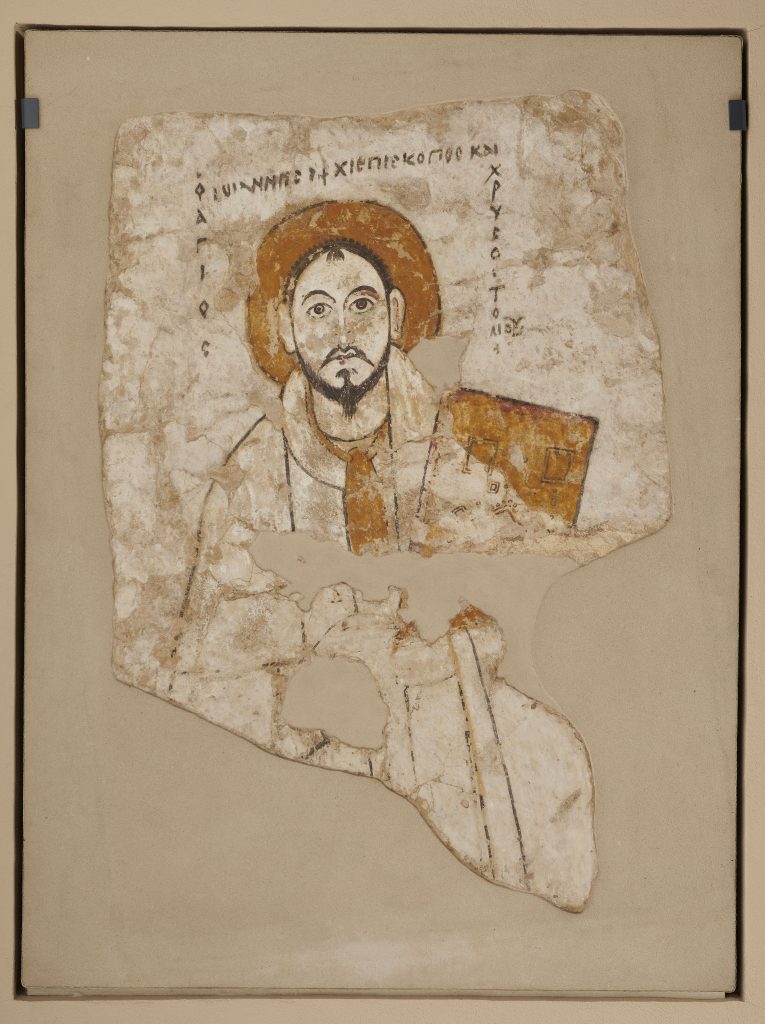
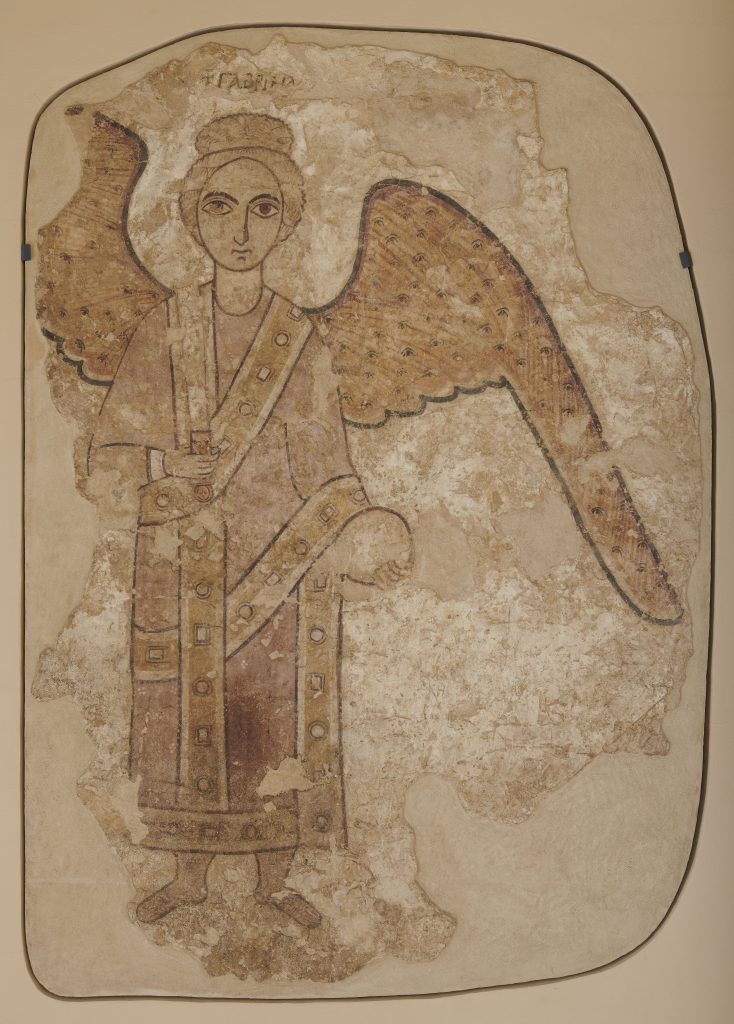
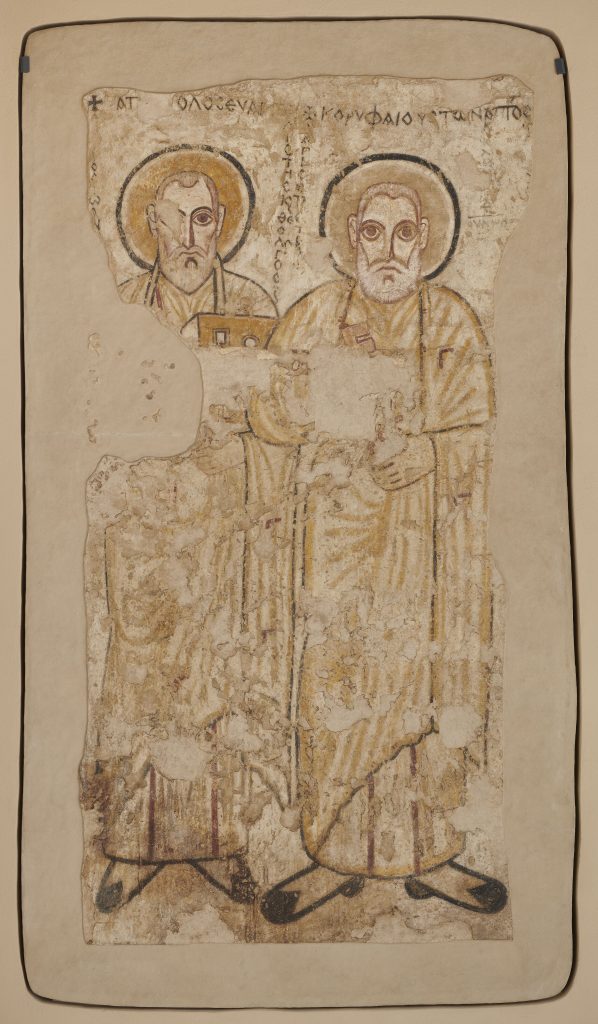
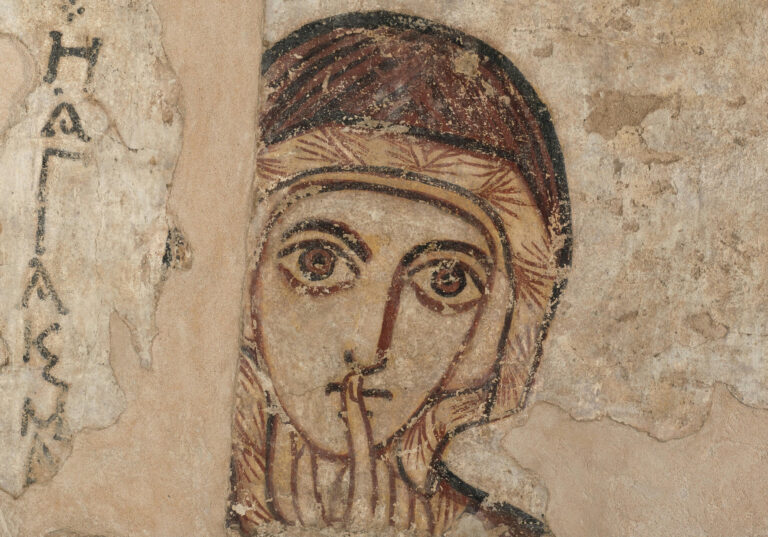
We have so much to learn from these carefully curated treasures, which give us an insight into a lost world. Costumes, dress codes, regalia, horned crowns, and weaponry are painted in exquisite, colorful detail. Nubian Kings and Queens share space with, and are protected by, the more traditional Christian figures of Mother Mary and Jesus Christ, and hosts of angels.

Queen Mothers in particular had significant status in Nubian culture, and so, of course, these women figure prominently in the art. The wall imagery in these sacred places was not just decorative; it was a device that enabled Nubians to communicate with God, the earthly, and the divine in deep connection.

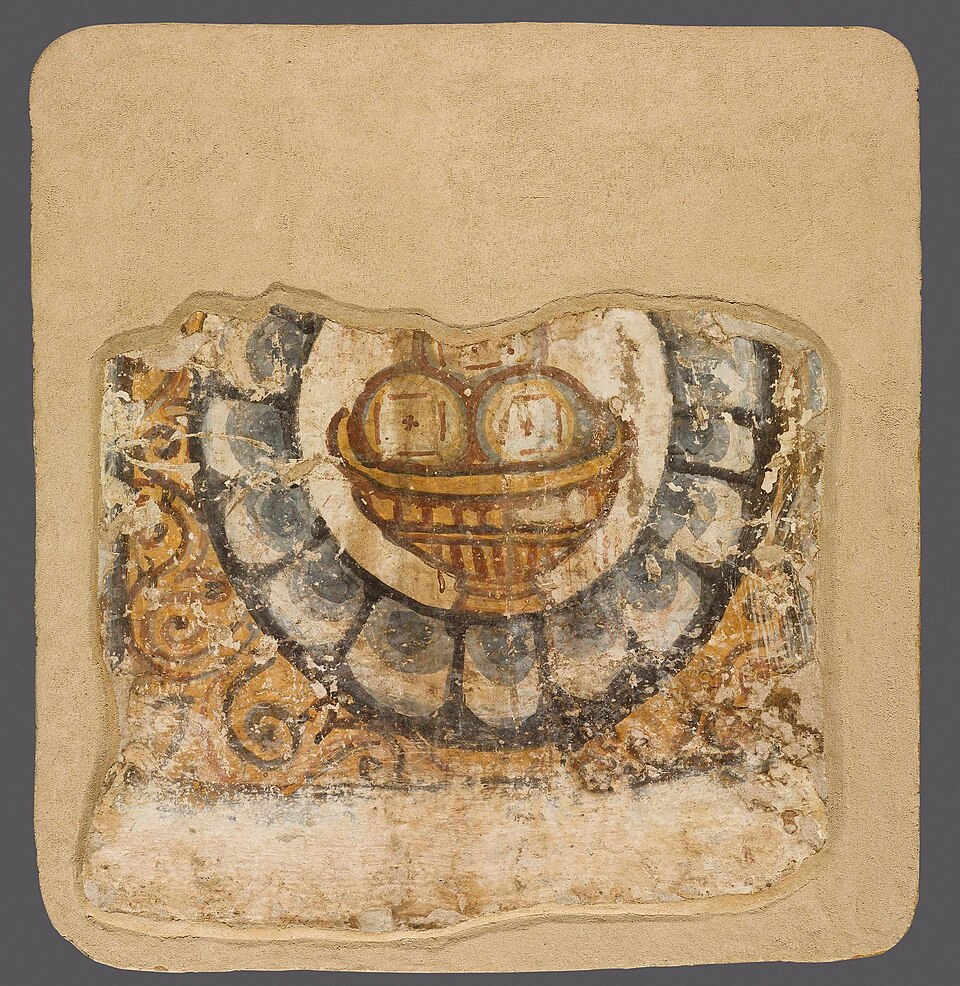
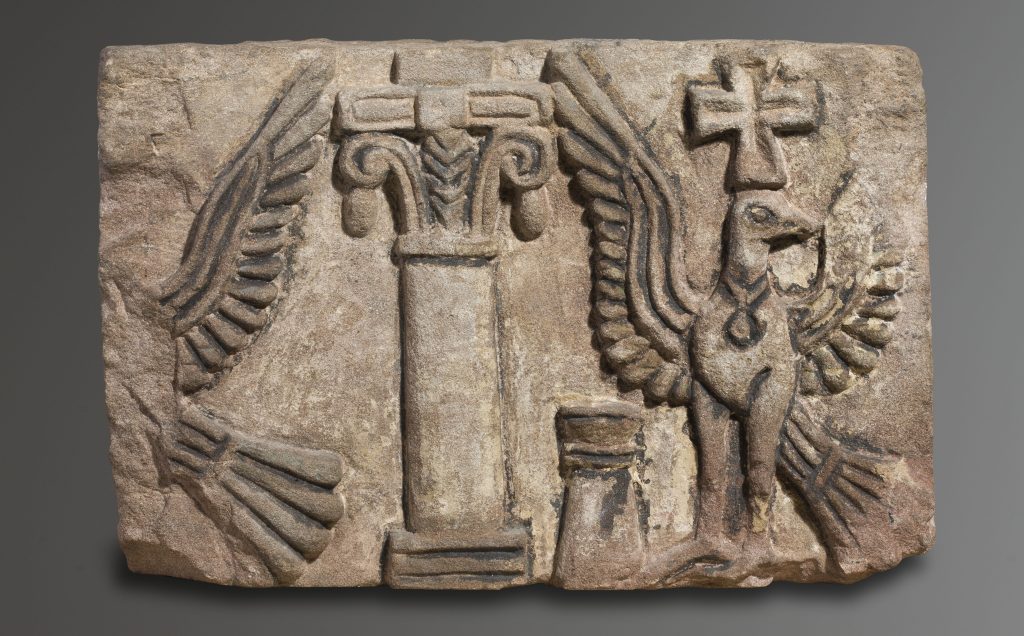
Faras: Fragment of the frieze from the apse of the Faras cathedral, 7th century, National Museum in Warsaw, Warsaw, Poland.

Fragment of the frieze from the apse of the Faras cathedral, 7th century, National Museum in Warsaw, Warsaw, Poland.

War Zone

Sadly, when we think of Sudan today, we think of war, famine, and genocide. It is now one of the poorest countries in the world, and 12 million people have been forced to flee their homes, their land, and their culture. Over 100,000 priceless objects have been looted from museums and galleries, and thousands of ancient cultural sites have been destroyed. Climate change adds yet another disaster to a country that is already heartbreakingly devastated.

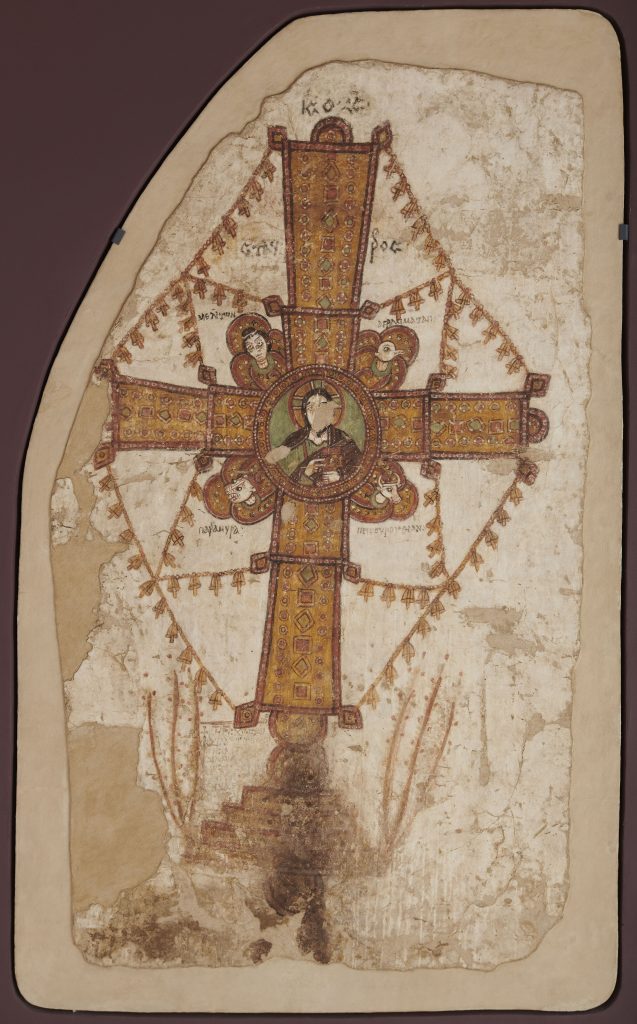
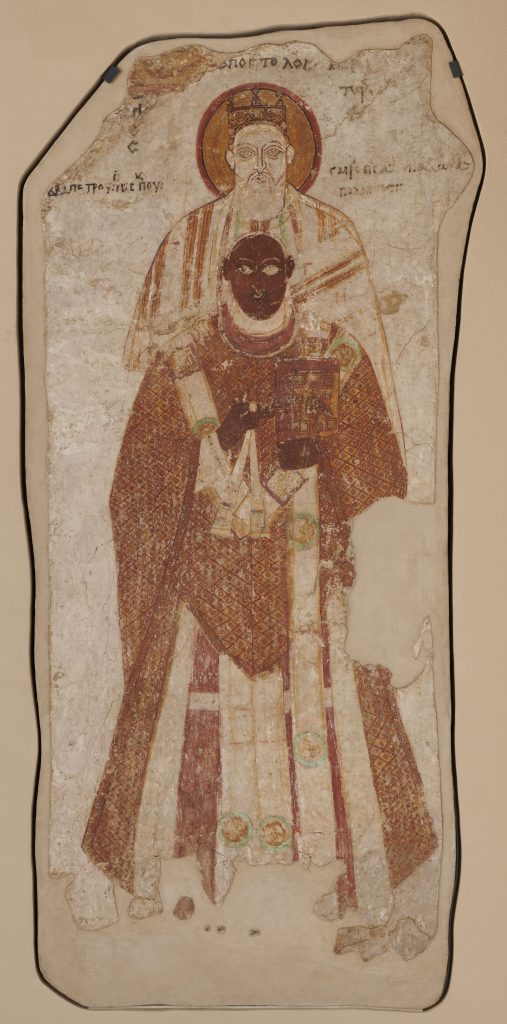
Faras: Bishop Petros Supported by Apostle Peter, 10th century, National Museum in Warsaw, Warsaw, Poland.

Bishop Petros Supported by Apostle Peter, 10th century, National Museum in Warsaw, Warsaw, Poland.

Hope

Wakanda is a fictional, highly advanced African kingdom in Marvel comics and films. The one that Black Panther comes from. Writer Ta-Nehisi Coates said he imagined its location to be roughly where ancient Nubia was situated. The idea of a culture merging art, history, and technology for the benefit of its people may seem nothing more than a comic-book daydream, but isn’t that exactly what the Nubian people were all about? A pioneering African powerhouse of exciting ideas and visionary politics. We need that kind of hope and inspiration more than ever. The Faras Gallery and scholars like Professor Michałowski help us to remember and protect the astonishing Nubian legacy. If you can visit this gallery, you will not be disappointed! See you there!

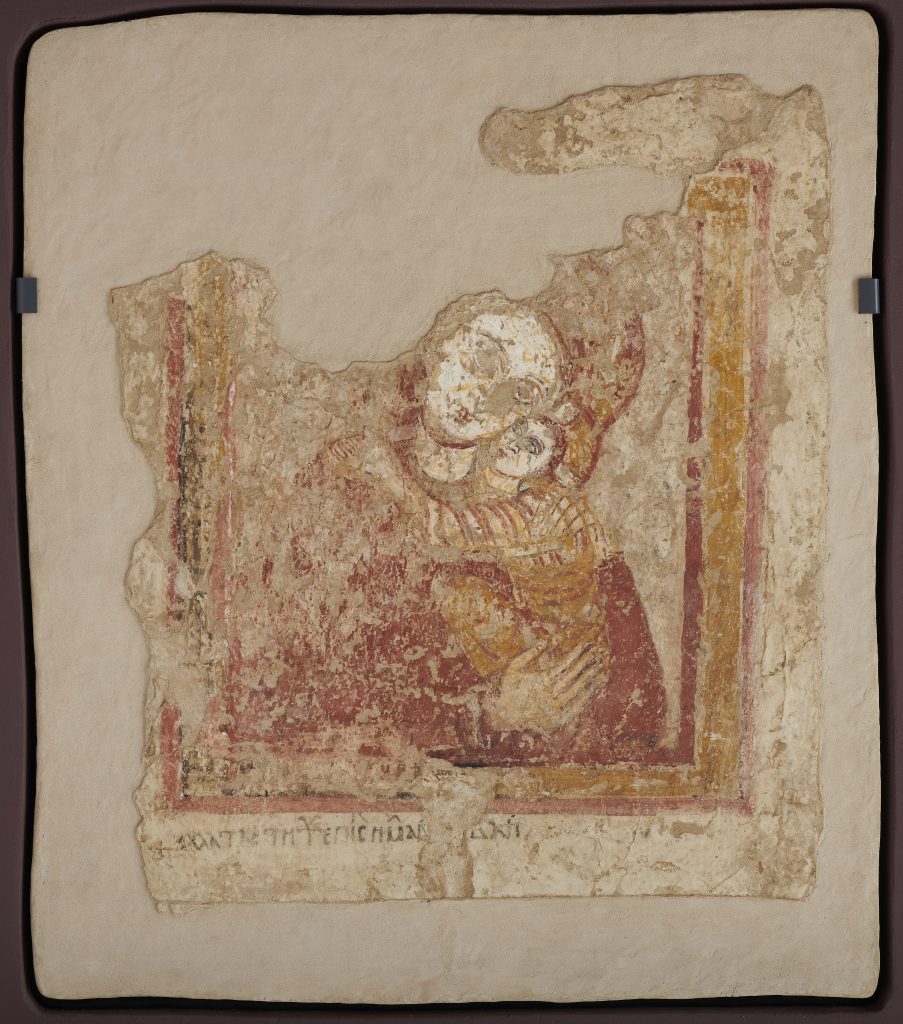
Faras: Mother of God Eleusa, 12th–13th century, National Museum in Warsaw, Warsaw, Poland.

Mother of God Eleusa, 12th–13th century, National Museum in Warsaw, Warsaw, Poland.

Bibliography

1.

The Faras Gallery: The Treasures of the Flooded Desert, Google Arts and Culture. Accessed: Dec 8, 2025.

Get your daily dose of art

Click and follow us on Google News to stay updated all the time