Georges de La Tour and the Power of Candlelight
The image of Mary Magdalene as a repentant sinner was shaped in the 6th century, when Pope Gregory the Great merged her identity with that of other biblical women, creating a composite figure that represents transformation. Magdalene was long considered a symbol of sin, repentance, and redemption in Christian tradition.
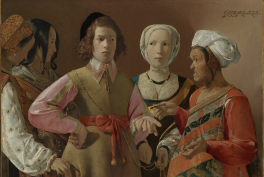
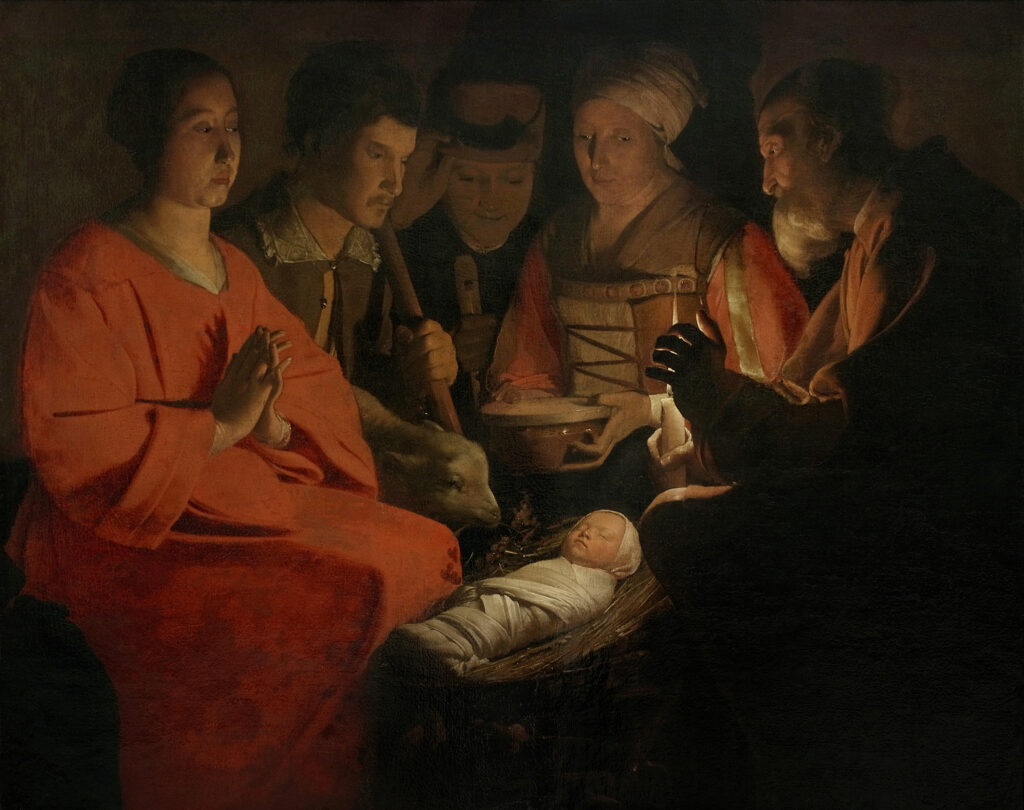
French Baroque painter Georges de La Tour (1593–1652) depicted this transformation in his candlelit portraits. Although little known during his lifetime, La Tour became renowned for his masterful use of candlelight—a technique he adapted from the Dutch Caravaggisti. The artist primarily painted religious scenes, focusing on the interplay of light and shadow, often employing candlelight and distinctive colors to enhance the effect of chiaroscuro—the striking contrast between light and dark. Unlike Caravaggio, La Tour’s works favor calmness and stillness over dramatic effects, and with time, his style evolved toward simplicity and serenity.
Portraits of Mary Magdalene
These qualities are perfectly captured in three of La Tour’s candlelit portrayals of Mary Magdalene. Although the paintings guide the viewer through stages of introspection, awareness of life’s fleeting nature, and finally a profound meditation on mortality and light, they are not known to form an intentional series.
Yet, together, they seem to trace a progression—from inner reflection to a serene acceptance of life’s impermanence and spiritual illumination. Through these works, La Tour reflects not only on the brevity of life but also on the hope of spiritual transformation.
1. The Repentant Magdalen
Mary Magdalene embodied the figure of the repentant sinner and the spirit of penance. She was believed to have once led a life of worldly pleasures before choosing a spiritual path, influenced in part by her sister Martha, who helped guide her toward Christ.
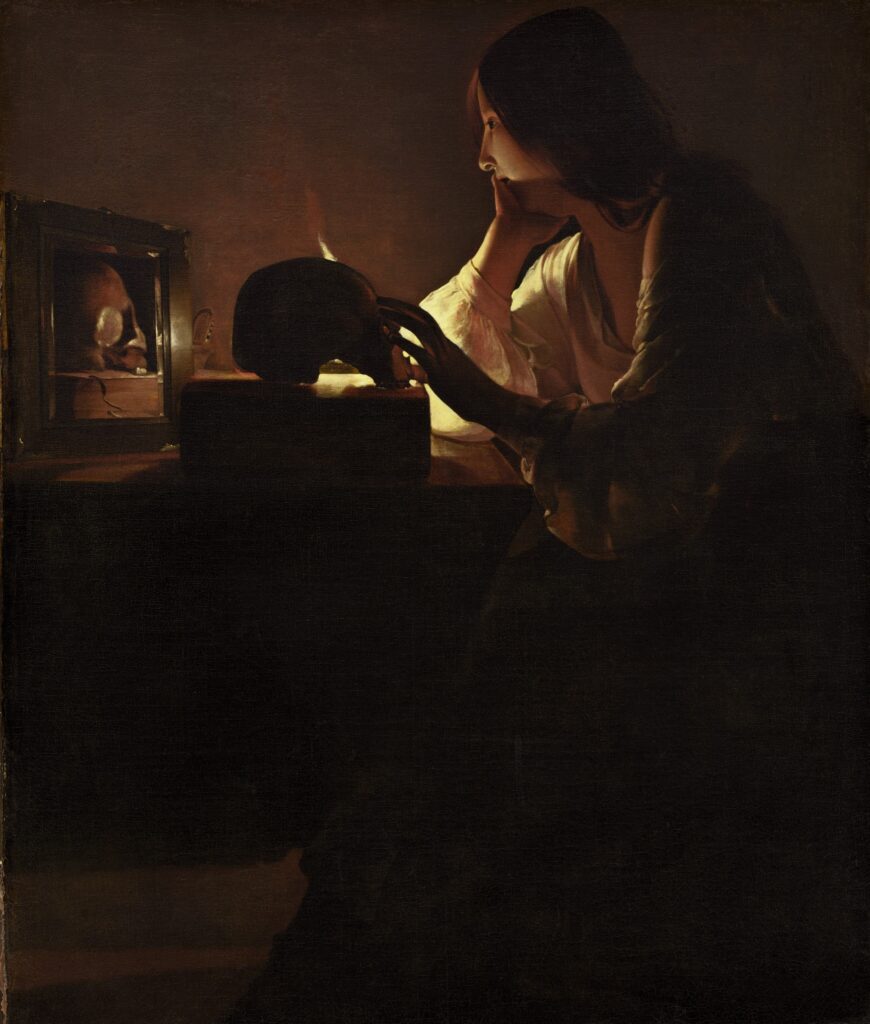
Here, the beginning of her inward introspection is visible—a moment of realization that bridges the worldly and the spiritual. Magdalene sits beside a small table, her face softly illuminated by the glow of a candle. The warm light creates a gentle contrast across her features and reveals the symbolic objects before her—a skull resting on a book and its faint reflection in a mirror. Each of these evokes the brevity and fragility of human life.
2. The Magdalen with the Smoking Flame
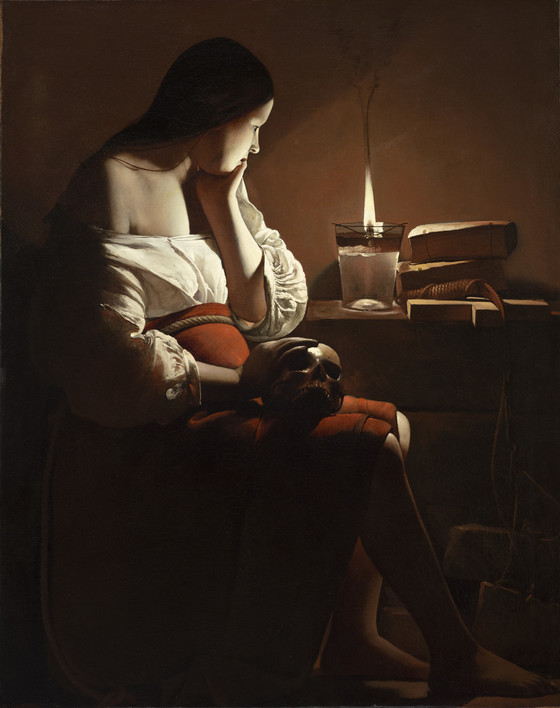
In The Magdalen with the Smoking Flame, Mary Magdalene’s contemplation deepens. Seated in near-darkness, she looks closely at the single flame before her. The candle lights her face gently, as well as the Bible and the cross placed behind it—symbols of her spiritual turning point. The candle no longer just lights the scene but represents hope and divine presence. The dark, thin trail of smoke rising from it suggests life’s fragility, slowly fading, drawing Magdalene’s full observation to the flame. On the table, a new element appears: the scourge, symbolizing penance.
La Tour’s use of light and shadow draws attention to the key symbolic elements—the polished skull, the worn leather books, and the folds of her dress—while creating a contemplative atmosphere.
3. The Penitent Magdalen
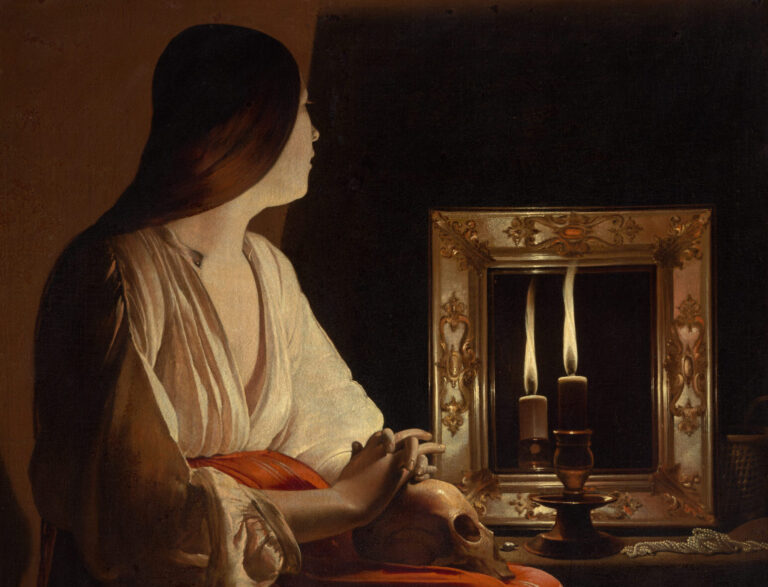
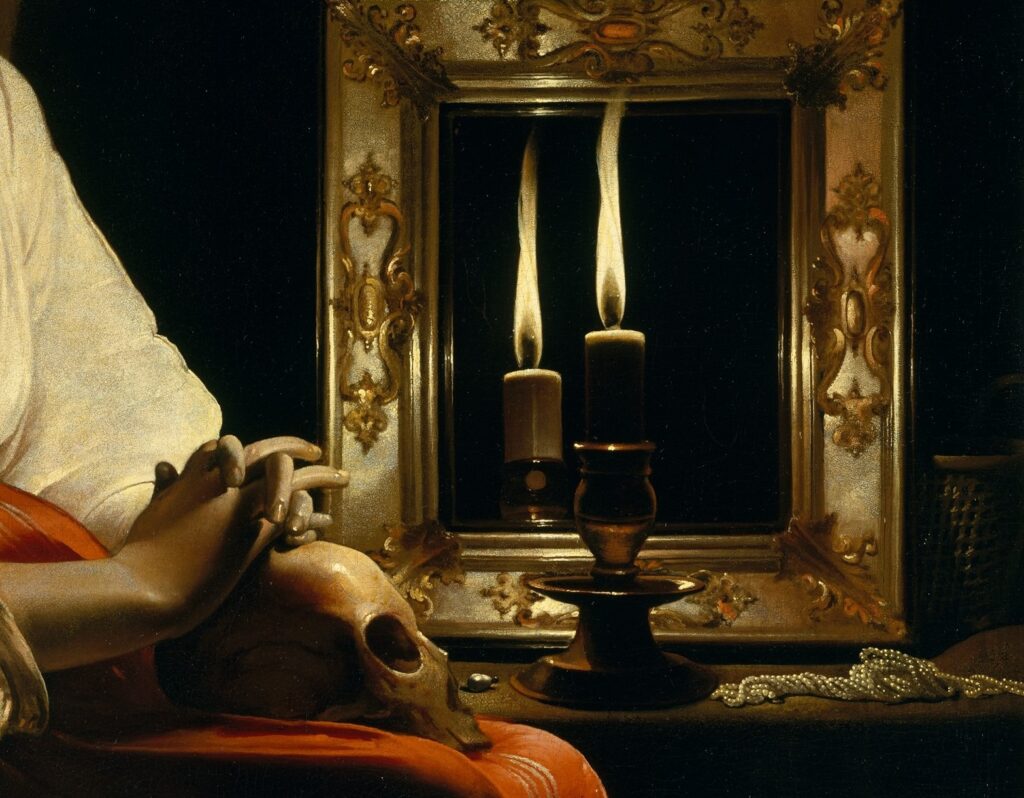
The journey of Magdalene’s meditation reaches its culmination in The Penitent Magdalen. La Tour achieves a serene harmony of light and stillness, reflecting Magdalene’s acceptance of mortality and spiritual peace. Unlike the earlier works, where her contemplation is searching and intense, here her thoughts seem resolved. The scene feels deeply personal, allowing the viewer to witness a moment of stillness and acceptance.
Here she no longer clutches the skull; instead, her gently laced fingers rest upon it, and her gaze is directed outward into the distance, her head slightly raised. A necklace lying on the ground may suggest the quiet renunciation of her former life.
With these elements, The Penitent Magdalen completes Magdalene’s journey of reflection—from private introspection in The Magdalen with the Smoking Flame to this ultimate awareness of mortality, spiritual light, and trust in divine guidance.
Art historians date these paintings between 1635 and 1645, a difficult period for Georges de La Tour. After leaving Lunéville, when his home was destroyed during the Thirty Years’ War, he spent some time in Paris working as a court painter. Once it was rebuilt, he returned around 1641, drawn back by the simplicity of his hometown. The impact of these experiences is clearly reflected in the tone of these artworks, in essence defining La Tour’s artistic journey.