
Why Sacred Images Look Different in Every Culture
Sacred figures travel remarkably well. They cross borders, but they rarely remain visually unchanged. Jesus, the Virgin Mary, the Buddha, and...
Tunacan Tuna, 31 August 2026
16 April 2026 min Read
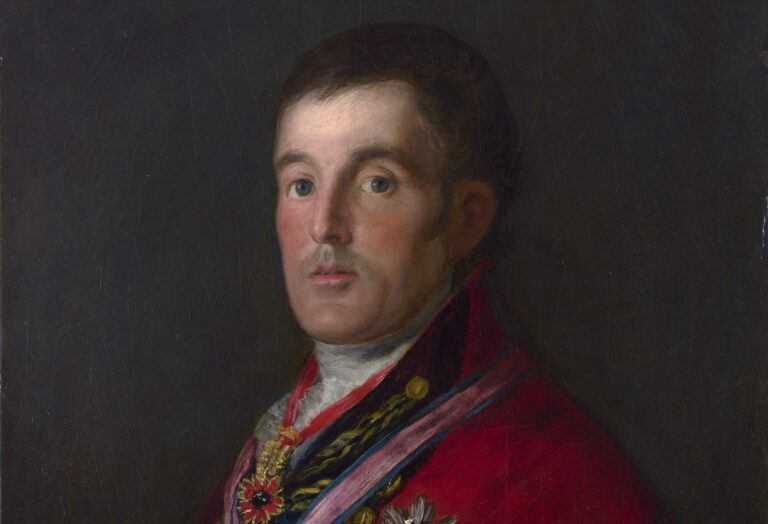
Francisco Goya, The Duke of Wellington, 1812–1814, National Gallery, London, UK. Detail.
When British agent James Bond, played at the time by a young Sean Connery, enters Dr. No’s secret base, he stops in front of a painting resting on an easel. He stares at it with a mix of surprise and recognition. The artwork is none other than Francisco Goya’s portrait The Duke of Wellington. But what is it doing in the lair of a 007 villain?
On August 21, 1961, just 19 days after being hung on the walls of the National Gallery in London, UK, the portrait disappeared. The police investigation quickly confirmed their suspicions: the artwork had been stolen. It was a major milestone in the museum’s history, marking its very first theft.
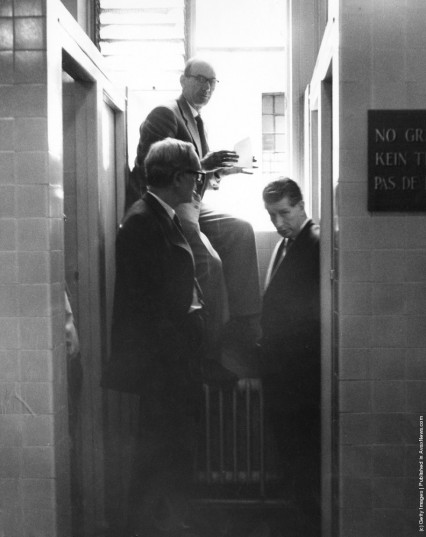
Scotland Yard detectives inside the National Gallery, 1961. El País.
The intruder—who had allegedly left a bathroom window unlocked during a previous visit—took advantage of construction work at the back of the gallery to enter in the early morning. He removed the painting and climbed over the wall toward St. Martin’s Street. By a twist of fate, the event occurred exactly 50 years after the legendary theft of the Mona Lisa from the Louvre. In response to the national scandal, the Metropolitan Police offered a £5,000 reward for its immediate return.
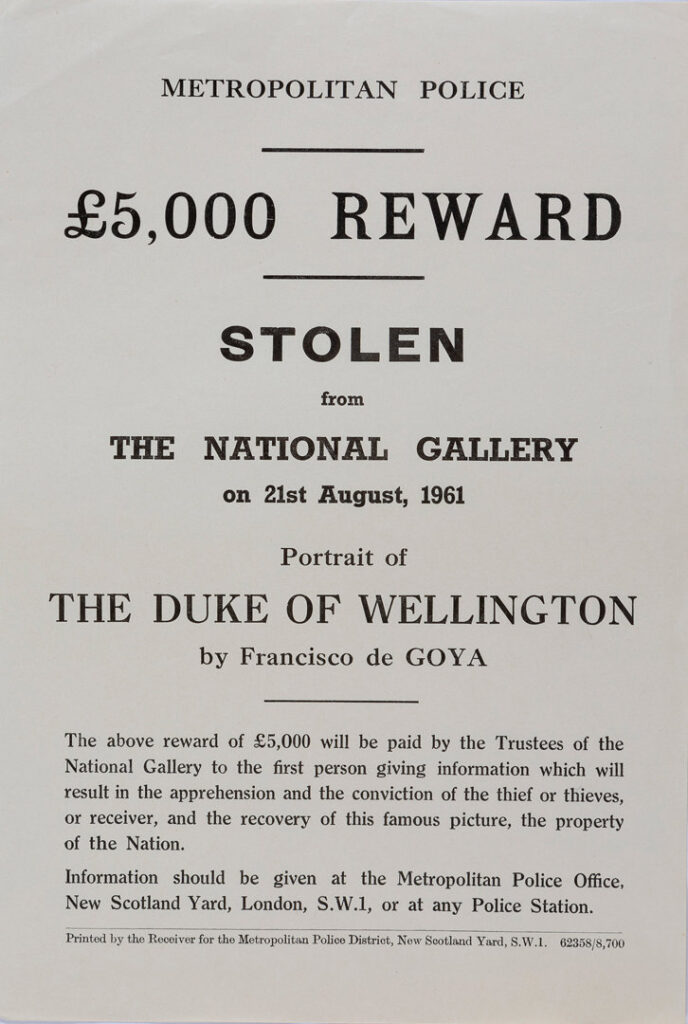
£5,000 reward notice. National Gallery
To be honest, putting Francisco Goya’s signature aside, this is not one of the master’s greatest works. The canvas depicts Arthur Wellesley, the Duke of Wellington, the man who would go down in history for defeating Napoleon at Waterloo. Goya painted it in 1812, taking advantage of the soldier’s time in Madrid during the Peninsular War.
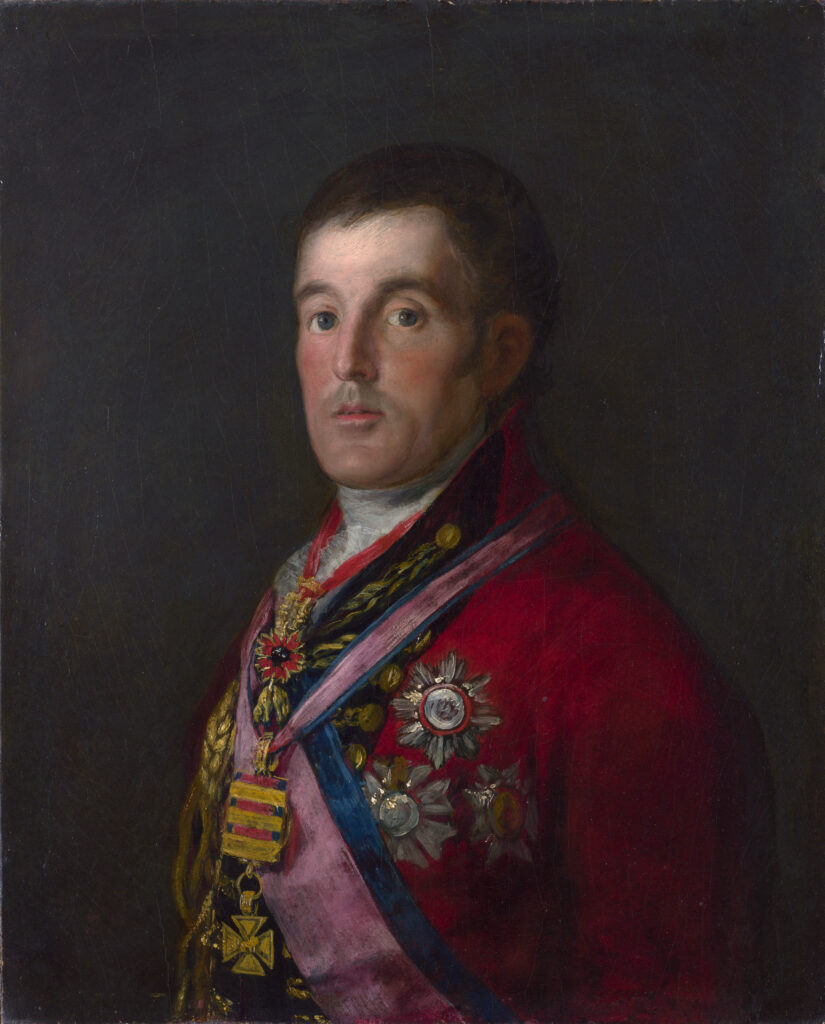
Francisco Goya, The Duke of Wellington, 1812–1814, National Gallery, London, UK.
Artistically, the portrait is an exercise in speed. It is a medium shot, with the Duke in a three-quarter profile, his gaze appearing to avoid the viewer. Although the face is painted with care, the rest of the canvas reveals the urgency with which it was created. Goya even had to retouch the panel in 1814 to add the medals and military honors Wellington collected as the war progressed—much like someone updating a resume as they go.
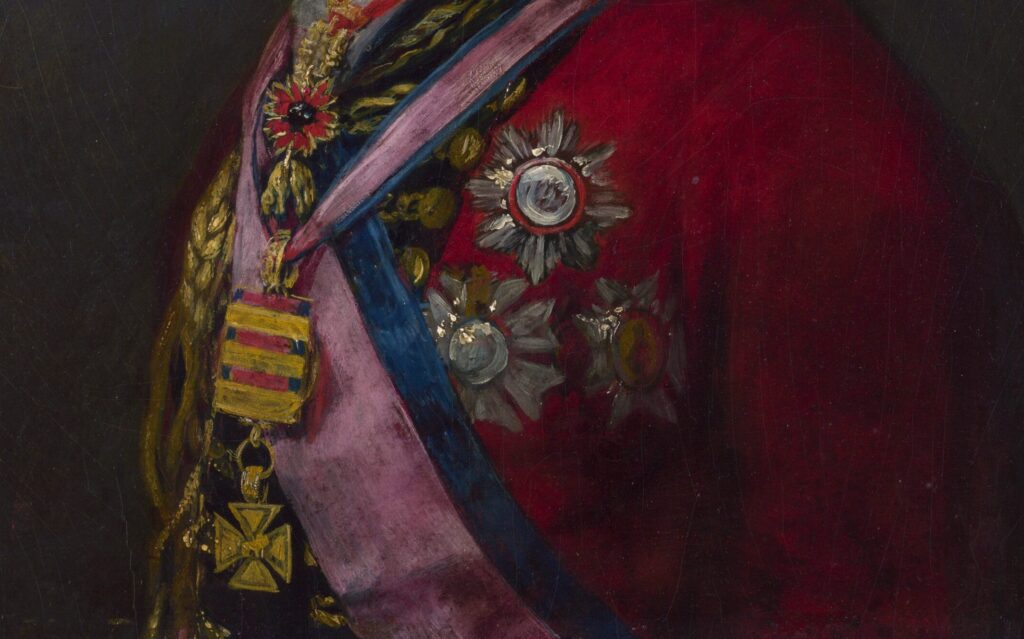
Francisco Goya, The Duke of Wellington, 1812–1814, National Gallery, London, UK. Detail.
It is ironic that, in a museum full of far more valuable masterpieces, this specific canvas—a somewhat routine and technically rushed portrait—was the one chosen. What led the thief to choose this painting over other treasures in the National Gallery?
While the police searched for answers and the painting made its star appearance on the big screen alongside 007, the original remained missing. However, the thief has not been silent. On August 31, 1961, the first of a series of notes arrived, leaving Scotland Yard baffled. In it, the author took a shot at the country’s social conscience: “This act is an attempt to pick the pockets of those who love art more than charity . . . the painting is not, and will not be, for sale. This is a ransom: £140,000 to be donated to charity.”
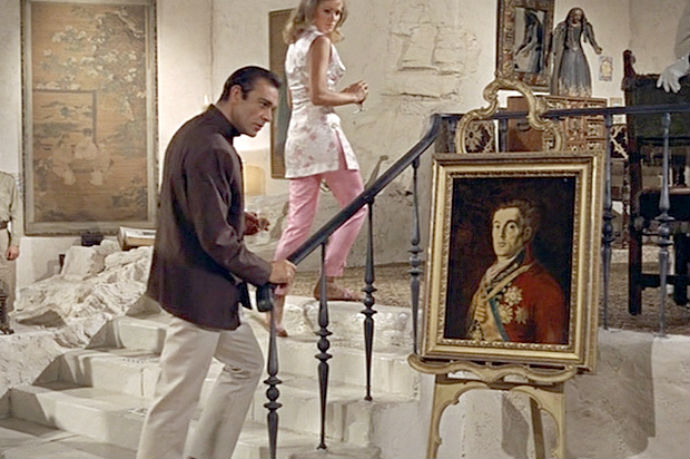
James Bond recognizes the stolen masterpiece at Dr. No’s secret base. Movie still from Dr. No, directed by Terence Young, 1962. nickelinthemachine.com.
For the next four years, the mysterious sender kept up the pressure. In July 1963, to prove he wasn’t bluffing, he sent a label torn from the back of the canvas. In March 1965, the fifth and final communication arrived from Darlington: “Goya’s Wellington is safe. I have looked upon this business as an adventurous prank,” he confessed, admitting that although he knew he was doing wrong, he had already gone too far to turn back. His final proposal was almost poetic: to return the painting anonymously in exchange for a public exhibition where each visitor would pay five shillings to be given to charity.
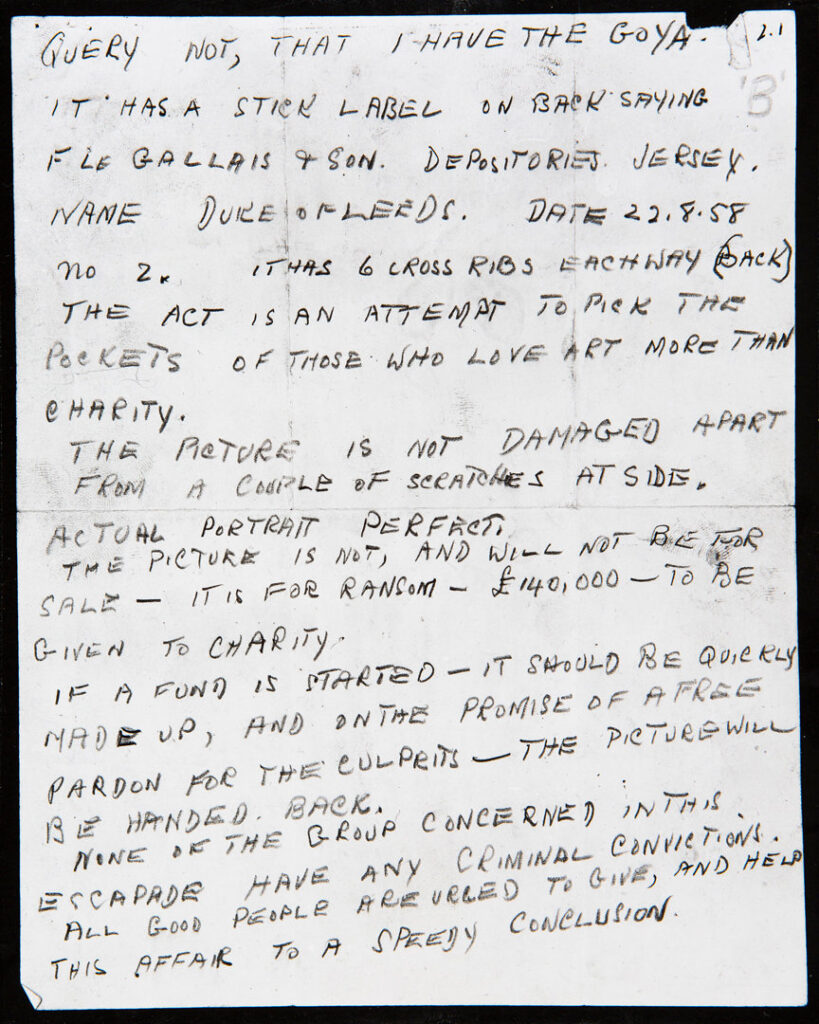
One of the ransom letters. National Gallery.
On May 5, 1965, a man dropped off a package at the luggage counter of New Street Station in Birmingham. The carefully wrapped bundle bore a warning label: “Glass, Handle with Care.” The stranger registered under the pseudonym “Mr. Bloxham” and paid seven shillings for the deposit. There, among forgotten suitcases and bags, the Goya remained until May 21, when the editorial office of the Daily Mirror received a letter containing luggage receipt number F24458.
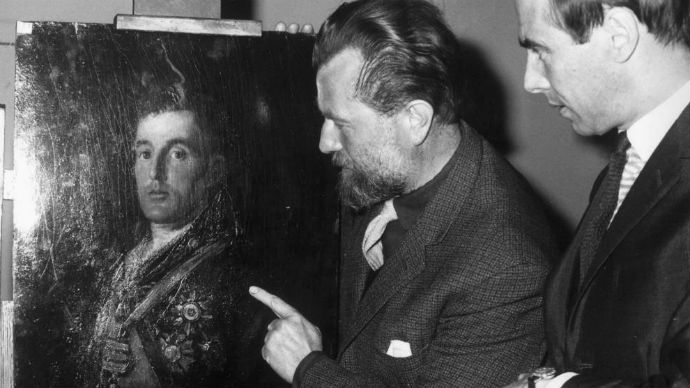
Conservators at the National Gallery are inspecting the painting following its recovery. El Blog Insostenible.
The response was immediate: authorities arrived at the station in the early hours of the morning, woke the attendant, and at 2:00 a.m. on May 22, recovered the portrait. It was intact, though missing its frame. After nearly four years away, the Duke was finally returning home.
Finally, the thief turned himself in. His profile differed greatly from the image expected of someone who had sent a series of notes to various newspapers. The culprit turned out to be Kempton Bunton, a 57-year-old retired bus driver from Newcastle upon Tyne. Far from being a high-class art thief, Bunton was a local activist who saw Goya’s painting as the perfect hostage for his personal crusade: demanding free public television for British war veterans and pensioners.
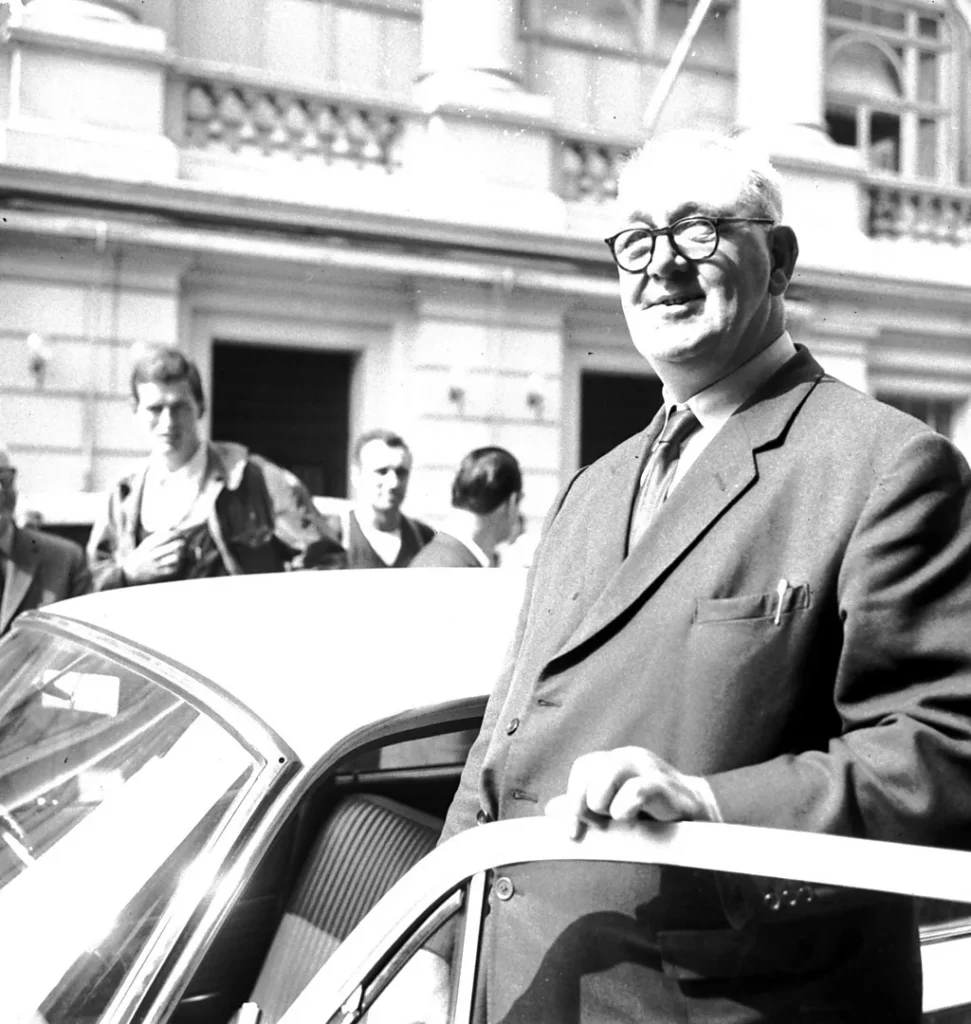
Kempton Bunton appearing at Bow Street Magistrates Court, London, UK. BBC.
The spark that ignited Bunton’s outrage was the price of the artwork. The year it was stolen, New York collector Charles Wrightsman had paid £140,000 for it at an auction. To prevent the work from leaving the country, the British government was forced to match the offer. This spending of public money infuriated Bunton, who had already been jailed several times for refusing to pay for his own television license. To him, it was an insult that the state would spend a fortune on an “average” painting while poor elderly citizens lived in solitude and silence because they couldn’t afford a government tax.
Kempton Bunton’s trial was almost as widely publicized as the disappearance of the canvas itself. To the prosecution’s surprise, his legal team managed to convince the jury that, in the strictest legal sense, Bunton had not stolen the painting, but had simply “borrowed” it. Under the laws of the time, for a theft to occur, there had to be proof of intent to permanently deprive the owner of their property. Bunton, with his clear altruistic motives (those £140,000 intended for the elderly), showed that his intention was always to return the work once his social goal was met.
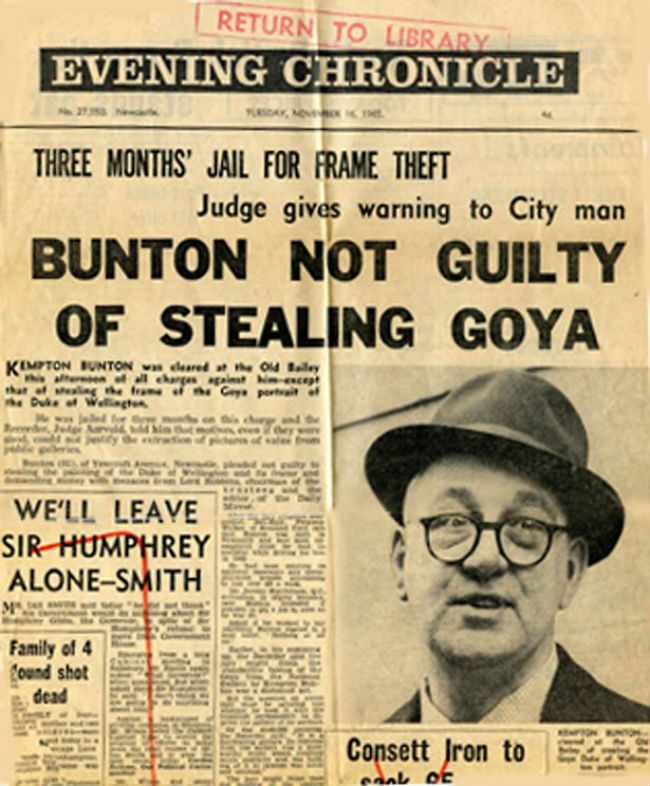
Evening Chronicle cover describing Bunton’s case. El Blog Insostenible.
The result was a sentence that sounds like a joke today: Bunton was acquitted of stealing the Goya, but sentenced to three months in prison for the theft of the frame, which was never recovered.
The odyssey of Goya’s The Duke of Wellington is possibly the most “human” theft in art history. There was no violence, no sophisticated laser systems, and no black market for collectors. Only one man—an outraged retiree, a modern-day Robin Hood who decided that a painted piece of wood was worth less than the well-being of his neighbors.
DailyArt Magazine needs your support. Every contribution, however big or small, is very valuable for our future. Thanks to it, we will be able to sustain and grow the Magazine. Thank you for your help!

Javier is a journalist and cultural manager with a passion for art and its history. In his free time he loves reading and researching the lives of artists and their works. He loves everything related to the Middle Ages, the Italian Renaissance and the mysteries behind lost works of art.

Univ. of New Orleans, Fine Arts and History; Fine Artist, Professional Graphic Designer, Art Historian, Historian, Musician, worked at the New Orleans Museum of Art and MS Museum of Art; learning enthusiast!
Sacred figures travel remarkably well. They cross borders, but they rarely remain visually unchanged. Jesus, the Virgin Mary, the Buddha, and...
Tunacan Tuna, 31 August 2026
In November 1936, the Prado Museum became a temporary refuge while Madrid was under bombardment. Its galleries were emptied, its masterpieces were...
Javier Abel Miguel 13 July 2026
Portraits of five regal bad boys. We scratch at the paint on the canvas to find the tyranny, treachery and devilish debauchery behind paintings of rotten royals.
Candy Bedworth 16 April 2026
The production of Persian rugs has traveled from ancient looms to modern living rooms. By blending artistry with science, weavers of antiquity...
Maya M. Tola 24 April 2026