Advertisement
Art History 101

Sixth Sense? Allegories of Senses in Painting

Magda Michalska 26 June 2019 min Read

How to show our sensual experiences visually? The human senses made out one of the most appealing subjects for European painters, especially that since the Middle Ages they had rather negative connotations, being considered as lustful and hence leading to sin. And as we all know, forbidden fruit is the sweetest. See the senses in painting!
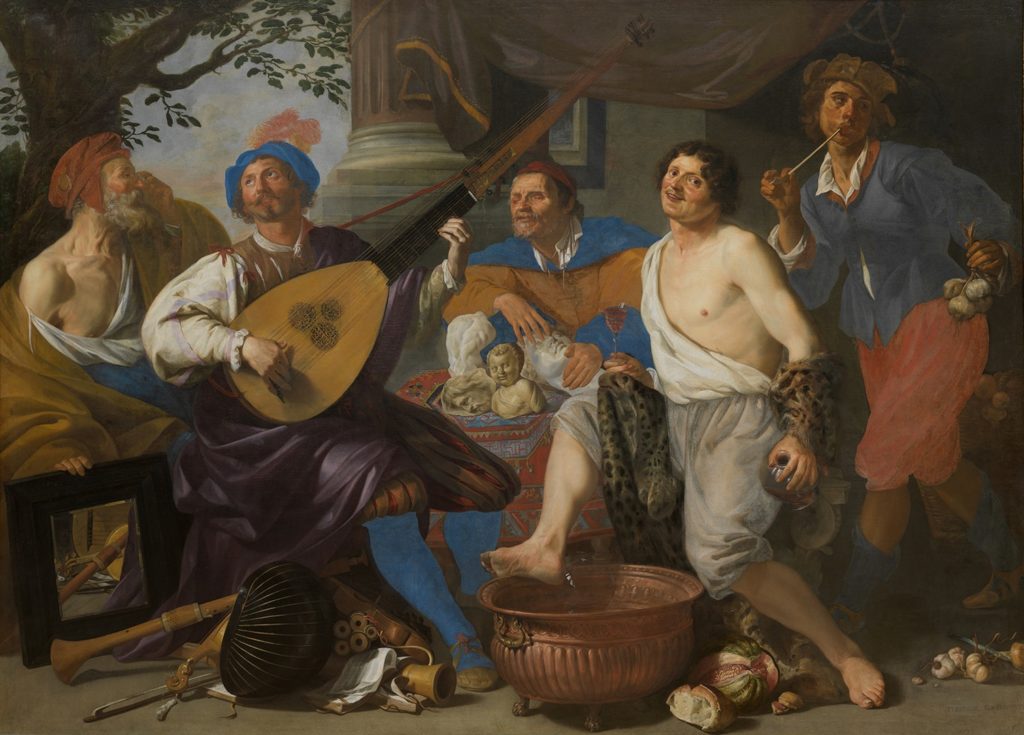
Senses in Painting
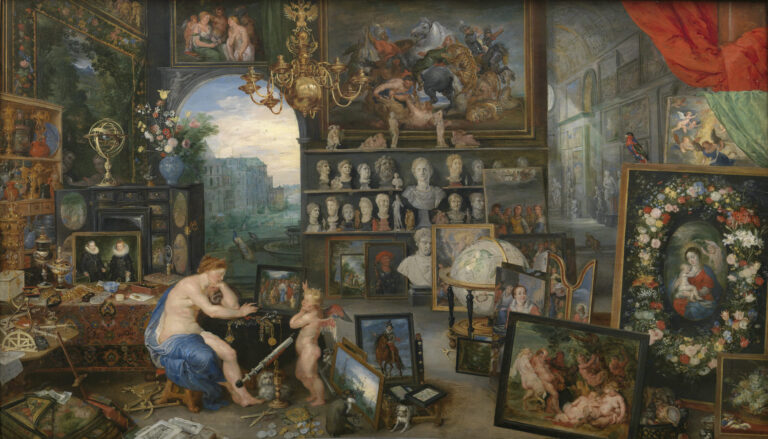
Theodoor Rombouts, Allegory of the Five Senses, 1632, The Museum of Fine Arts Ghent, Belgium.

Senses in Painting: Taste

Senses in Painting
Johann Glöckler, Allegory of the Sense of Taste, 1621, National Museum in Wrocław, Poland.

The senses were initially represented symbolically in genre scenes. For example, Dutch painters used the biblical story of the prodigal son, who was illustrated in crowded inns drinking and smoking, in order to warn the viewers of the trappings that the joy of the senses prepares. It was also a good excuse to present a skill in capturing facial expressions and still lifes, something that was very popular in the Netherlands. We can see examples of such paintings in Simon de Vos and David Teniers the Younger.

Touch
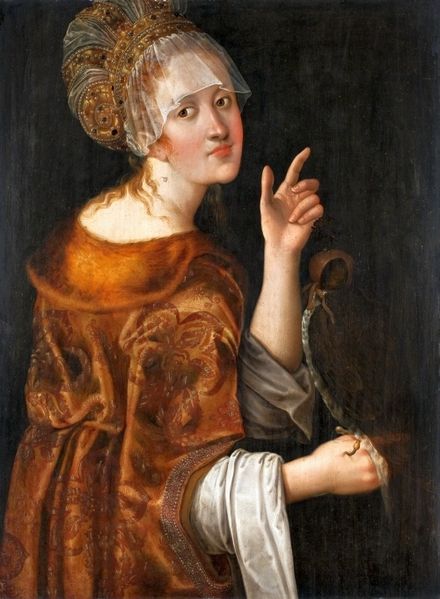
Johann Glöckler, Allegory of the Sense of Touch, 1621, National Museum in Wrocław, Poland.

The theme was especially popular in Flanders and the Netherlands of the 17th century. Old masters specialized in large-format allegories and small cabinet picture cycles. The French also liked the theme, but their approach was different, since the 1620s/30s they interpreted the theme in still-life painting. The examples can be seen in the oeuvres of Jacques Linard and Louise Moillon who were associated with a group of Protestant artists in Paris.

Smell
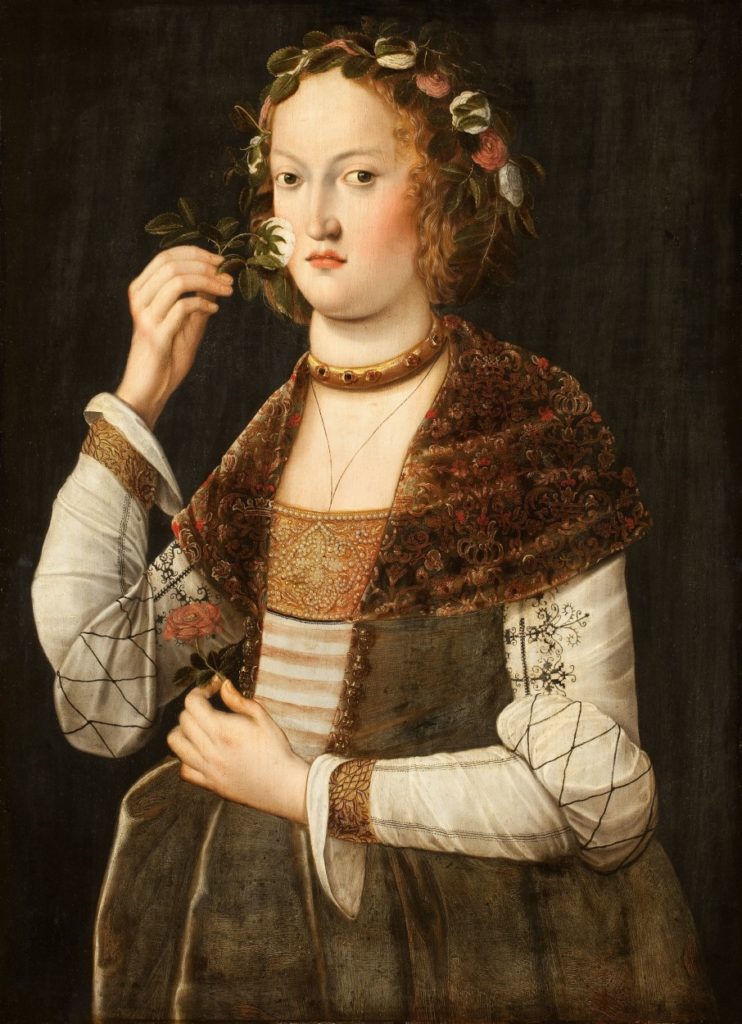
Senses in Painting
Johann Glöckler, Allegory of the Sense of Smell, 1621, National Museum in Wrocław, Poland.

From the 17th to 19th century, the allegorical was gradually displaced by the narrative. Works by Philip van Dijk, Luca Giordano, Gerard de Lairesse, or Jacob Duck showed people having fun, playing music, flirting. Although they still conveyed the concealed allusions to the individual senses, nobody knew whether they were made for edification of the viewer, or for a simple joy of looking at them.
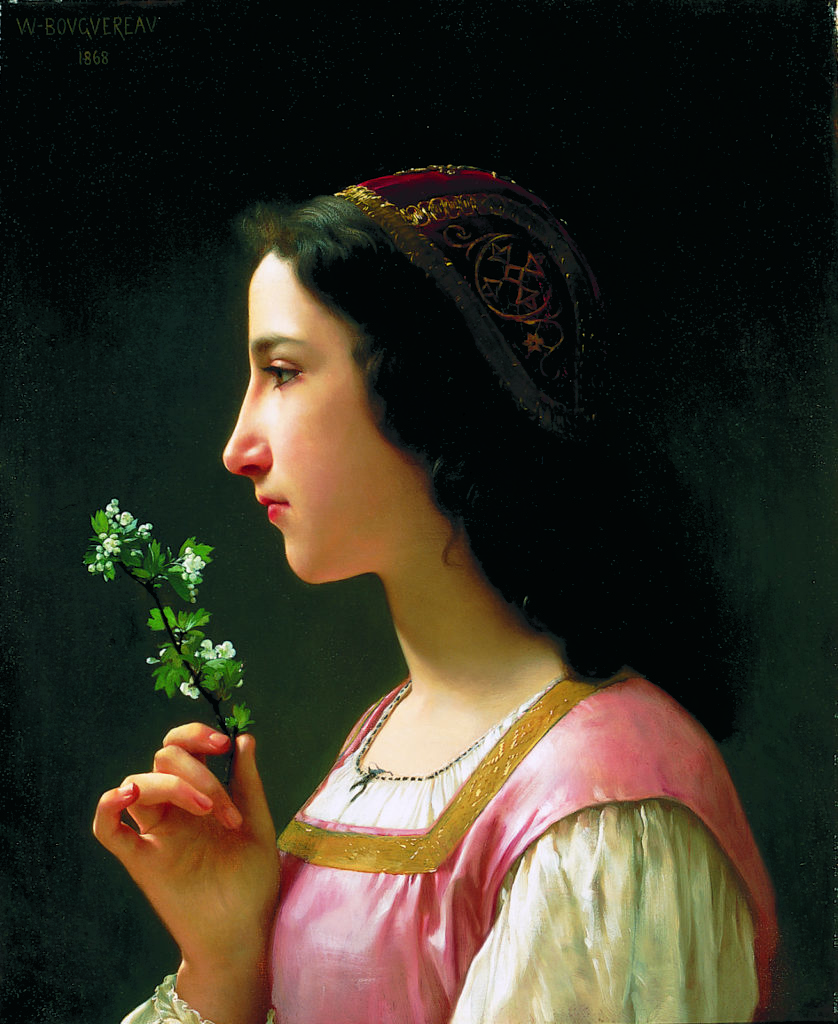
Senses in Painting
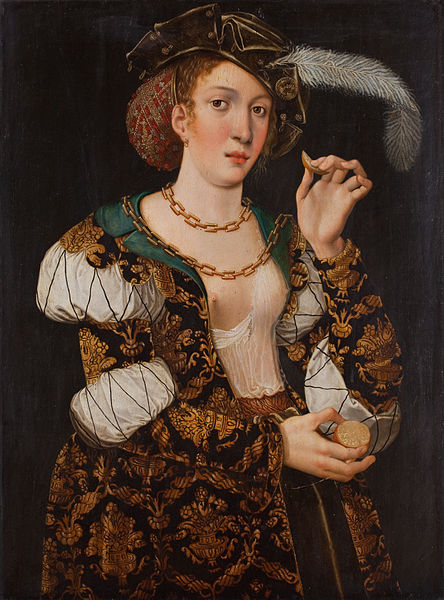
William-Adolphe Bougereau, A girl, 1868, Villa Vauban, Luxembourg.

Sight

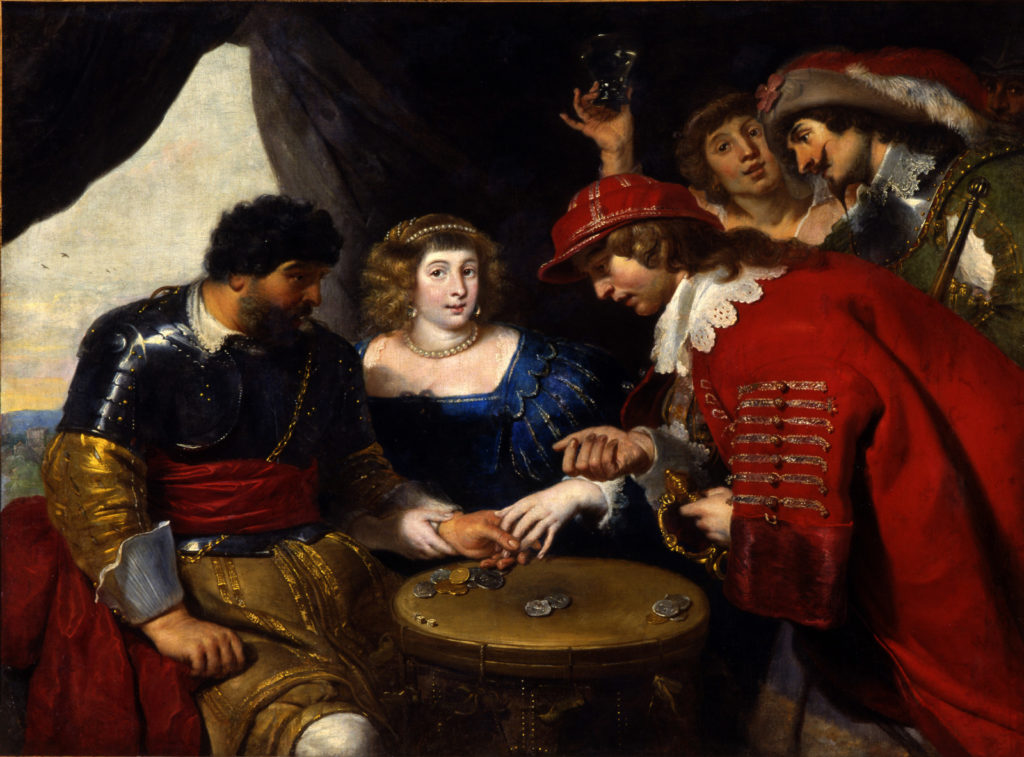
Cornelis de Vos, Soldiers and courtesans in a tent, 1635, Musee de Picardie, Amiens, France

Senses in Painting
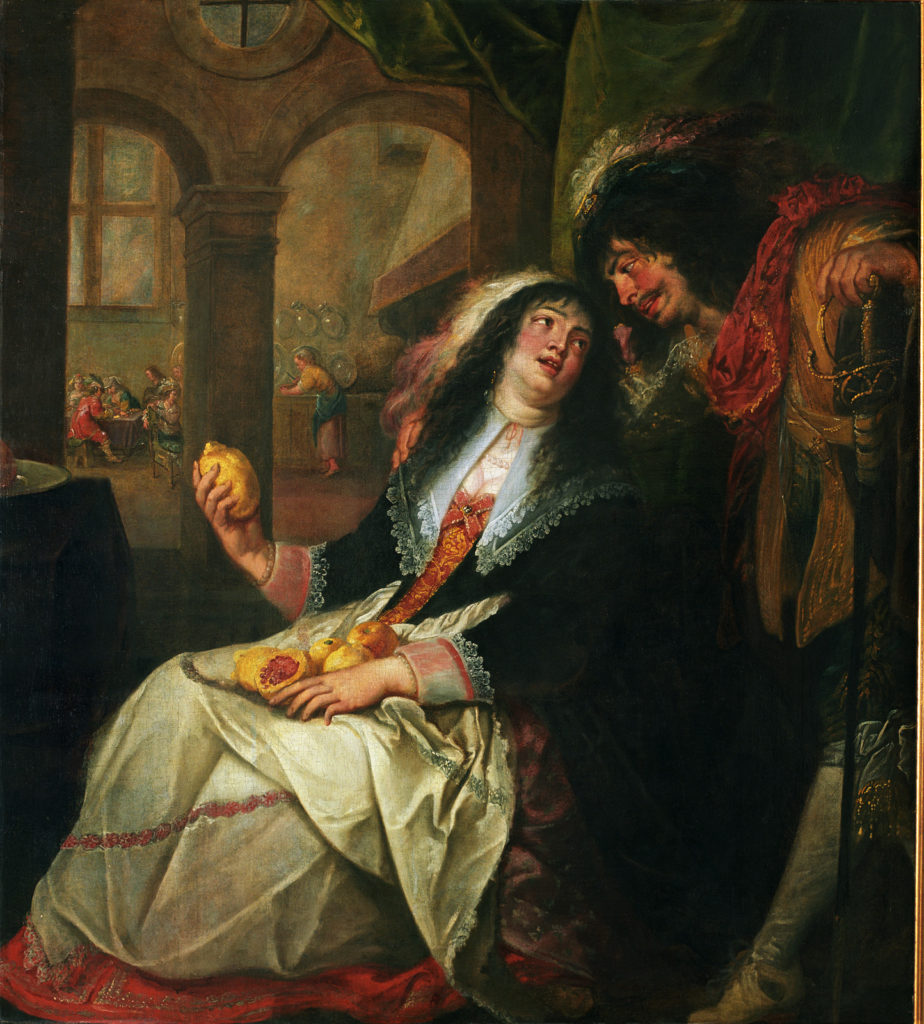
Simon de Vos, A scene of gallantry, 1640, Flander Museum, Cassel, France.

Recommended

Art History 101

A Beginner’s Guide to Icons in Eastern Christianity

Icons are among the oldest image traditions, yet they often remain misunderstood, especially in the West. They belong to a visual culture that...

Catherine Razafindralambo 27 April 2026

Art History 101

The Sphinx Through the Ages: All You Need to Know About This Mythological Creature

As one of the most enduring symbols in world mythology, the sphinx embodies a fascination with mystery, power, and transformation. From its origins...

Martha Teverson 10 November 2025

Art History 101

Art History 101: Color Theory

Color theory has played a central role in art throughout history, shaping how viewers respond to images even before they consciously think about the...

Jimena Aullet 12 January 2026

Petrus Christus, A Goldsmith in His Studio Art History 101

Northern Renaissance in 10 Artworks

The Northern Renaissance took place in Europe north of the Alps, primarily in regions like the Netherlands, Germany, France, and England. Artists...

Anna Ingram 27 July 2026

Advertisement