Who Were Turner and Constable?
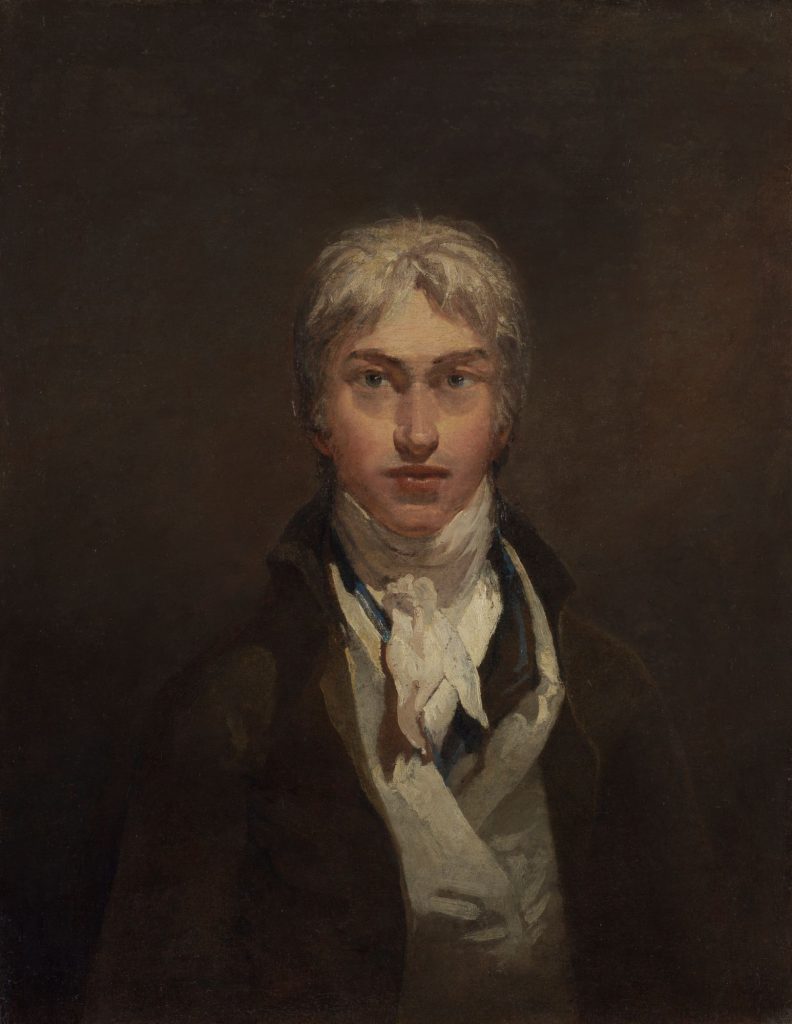
Born only a year apart, these landscape artists developed contrasting artistic paths. Both symbolize British Romanticism, yet their approaches and lives diverged significantly. Turner, from a working family, pursued art with ambition and commercial drive. He became a prodigy, entering the Royal Academy at the age of 14. Meanwhile, he earned income by assisting architects and draughtsmen, further sharpening his artistic skills.
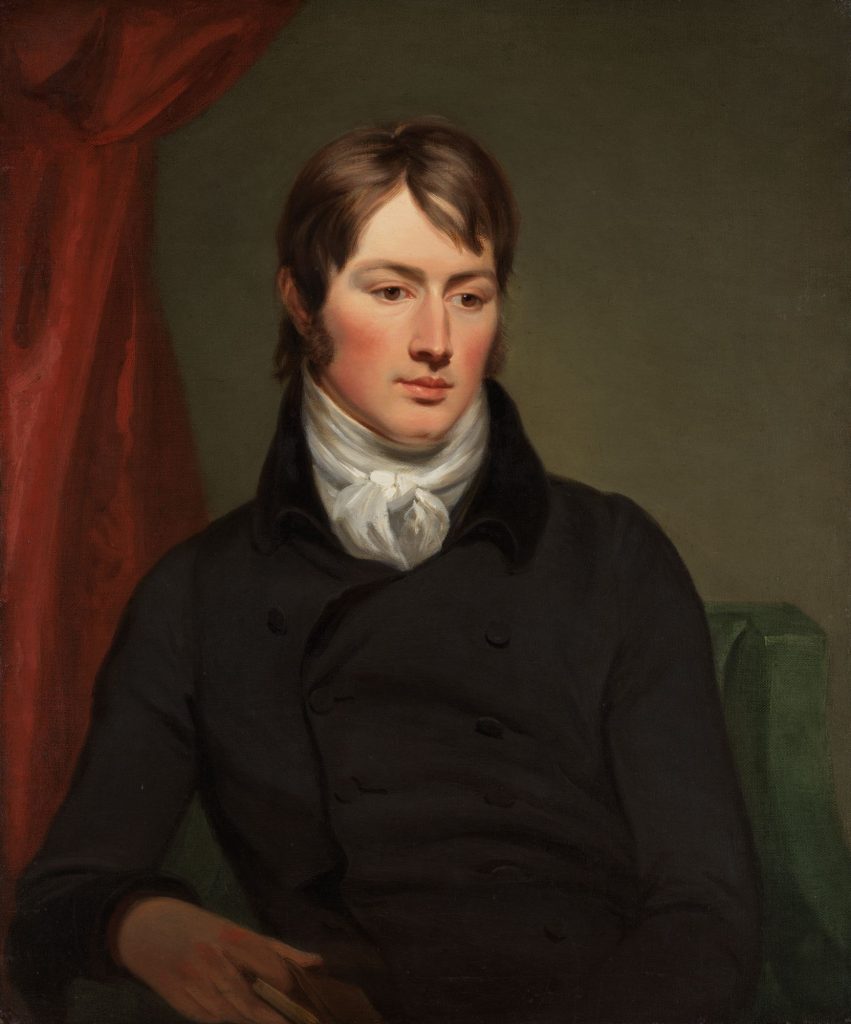
Constable, raised in prosperity, took longer to fully embrace an artistic career. Raised in Suffolk, he sketched the British countryside from a young age. It wasn’t until he turned 23 that he finally committed to art and joined the Royal Academy of Arts. Both revolutionized the genre of landscape painting with their individual approaches.
Development of Their Unique Styles
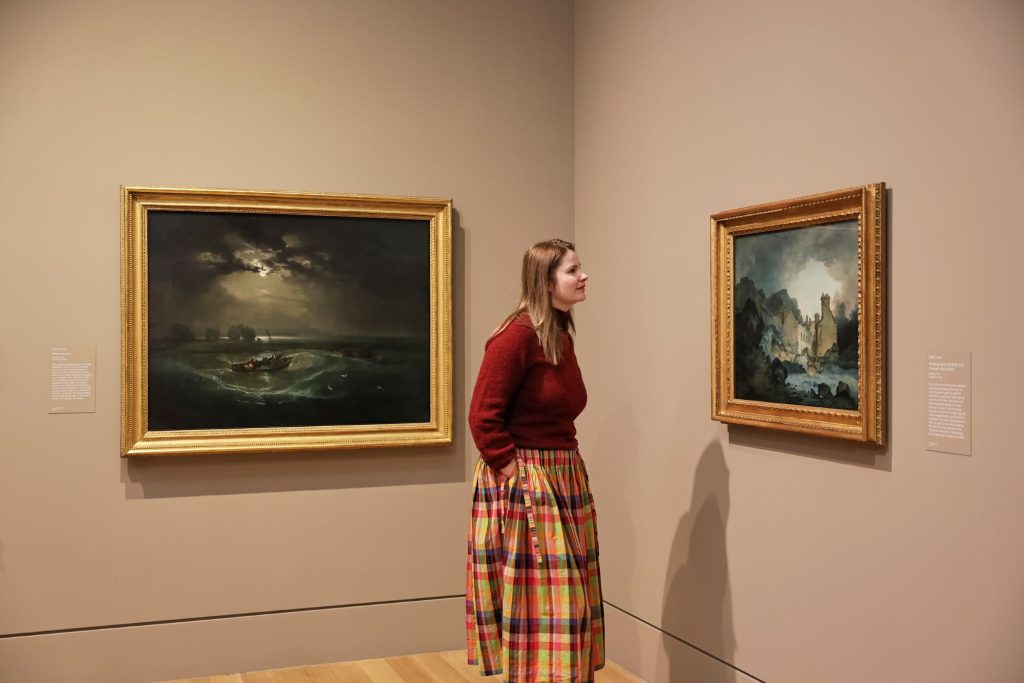
The Tate exhibition traces their journeys, highlighting the evolution of distinct artistic styles. It begins with Turner’s watercolors of popular tourist sites, painted to attract buyers. Tate also presents The Rising Squall, Hot Wells. It is Turner’s first exhibited oil painting, recently rediscovered after 160 years. This canvas appears beside Fishermen at Sea, once believed to be his first oil work. Viewed together, the paintings highlight Turner’s rapid artistic development and growing mastery.
These works contrast sharply with Constable’s graphite sketches from the same period. Displayed side by side, their stylistic and technical differences appear immediately clear. Turner advanced to larger canvases and experimented with diverse media, expanding his artistic reach. Constable, meanwhile, produced smaller amateur drawings, reflecting his slower commitment to the artistic realm.
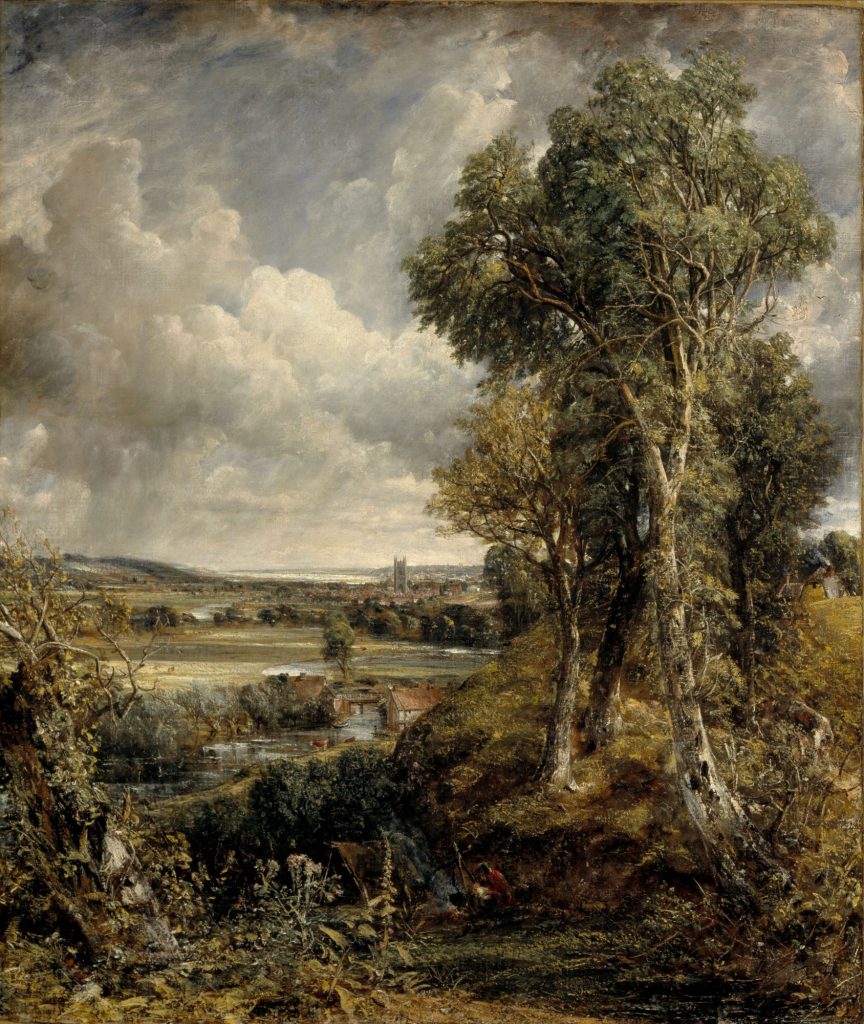
Nearly a decade after Turner’s first oil, Constable also embraced oils and ventured outside to paint en plein air. The exhibition reveals his process, displaying vibrant sketches alongside his painting equipment. Small canvases with vigorous brushstrokes foreshadow the artist’s later style and artistic development.
The exhibition further invites us to compare Constable’s English countryside with Turner’s dramatic impressions of the Alps. While Constable drew inspiration mainly from his own country, Turner traveled widely across Europe. The testament to Turner’s journeys is numerous sketchbooks filled with studies of landscapes and light. These sketches deepened his understanding of nature and became a backdrop for his later works.
Beginning of the Rivalry
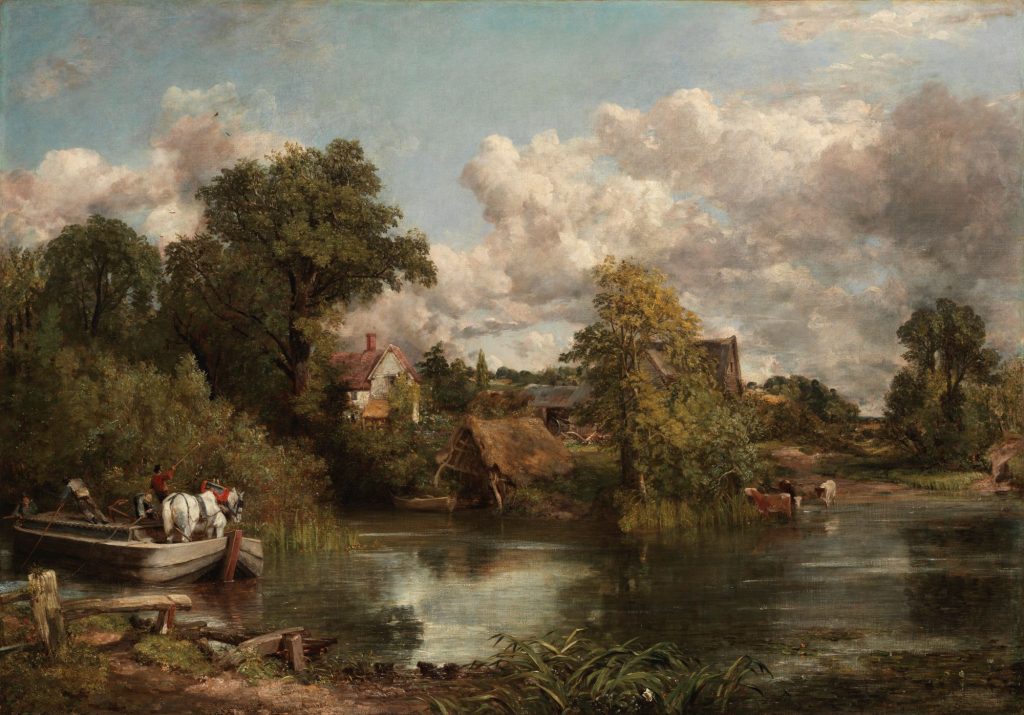
Though Turner’s most famous works today are oils, his early career focused mostly on watercolors. These paintings shaped his development and influenced his future techniques. Watercolors encouraged Turner’s eccentric, experimental style that conveyed spontaneity and energy. Constable’s approach was quite the opposite. He favored detailed compositions and natural colors. They were like “fire and water,” yet their rivalry did not fully emerge until Constable stepped into the spotlight with his monumental six-footers.
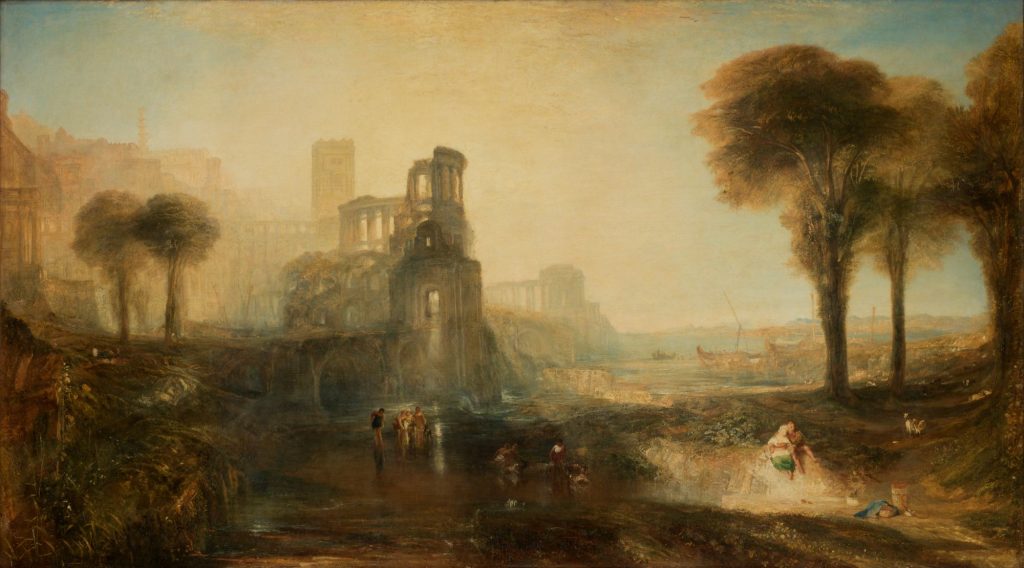
Large-scale paintings drew the attention of the Royal Academy. Constable’s works began to be exhibited alongside Turner’s grand canvases. Critics quickly compared the artists, sparking lively debate and commentary. Tate revives this rivalry, placing Constable’s rainy landscapes opposite Turner’s mystical scenes. Visitors encounter the pair of paintings that caused quite a commotion during the 1831 exhibition. Constable himself requested his Salisbury Cathedral from the Meadows hang directly beside Turner’s Caligula’s Palace and Bridge. This resulted in a large falling out between the artists.
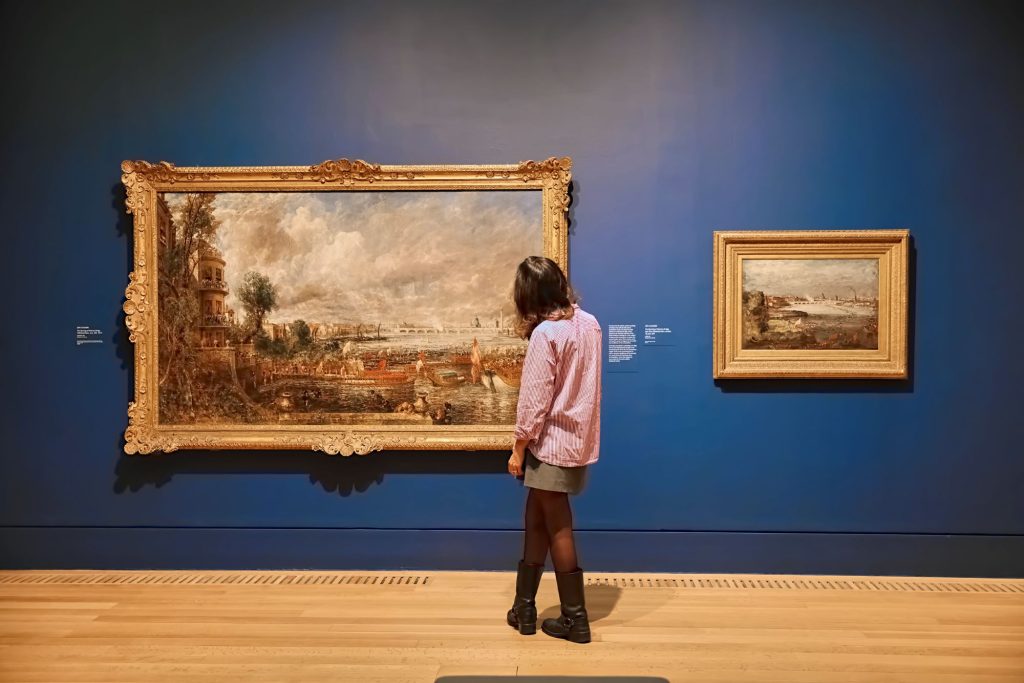
A similar situation arose the following year. Constable surprised critics with a thematic shift. He abandoned countryside scenes in favor of a history painting titled The Opening of Waterloo Bridge. Muted greens of trees contrasted with soldiers’ vivid red uniforms. The subject and composition were new to Constable’s works. Turner reacted by spontaneously adding a bright red buoy to his own seascape just before the exhibition. Tate also reunites this Constable painting with its sketch for the first time since it left the artist’s studio. Additionally, nearby hangs Turner’s later The Thames above Waterloo Bridge. This arrangement invites further comparisons between the artists.
Never-ending Evolution
Turner’s style continued evolving throughout his later years. Growing confident, he experimented boldly with color and light. His composition became more airy, dynamic, and almost impressionistic. Turner’s extraordinary works even earned Constable’s praise despite their rivalry.
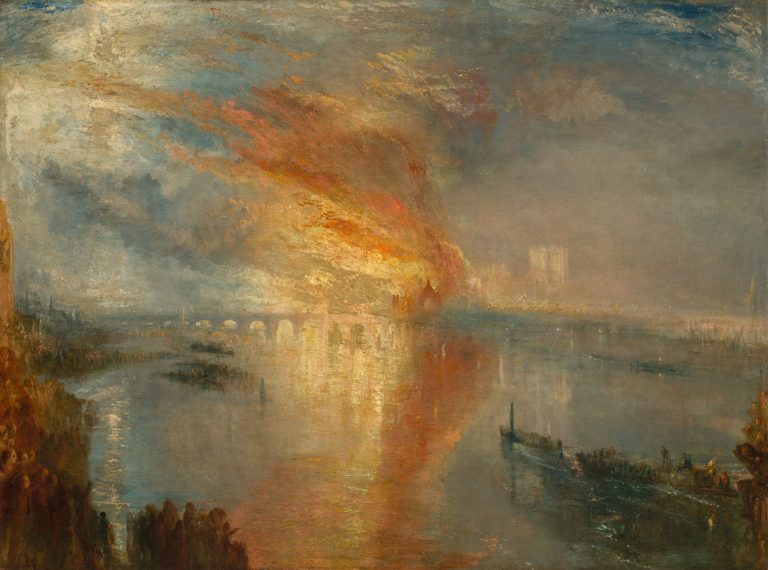
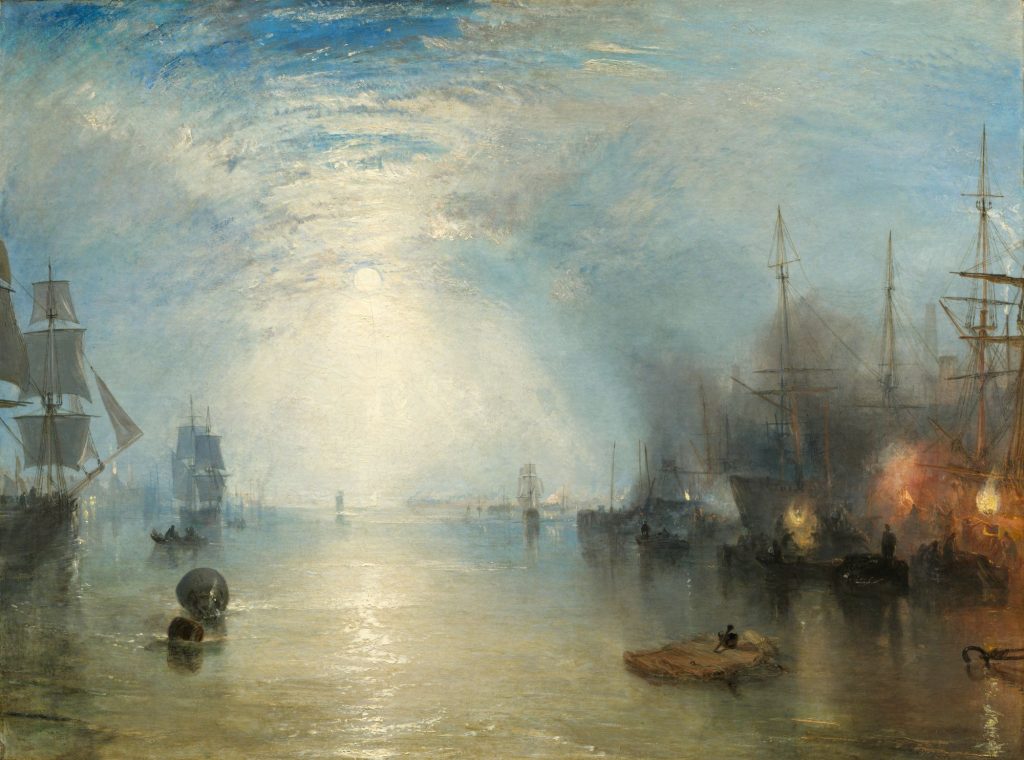
Turner and Constable gathers Turner’s most celebrated masterpieces from across the world. It returns to the UK pieces such as The Burning of the Houses of Lords and Commons, 16th October, 1834, and Keelmen Heaving in Coals by Moonlight. Turner’s mature works displayed together affirm his enduring legacy as Britain’s most visionary Romantic painter.
The exhibition guides visitors through each artist’s evolving style and mutual explorations. The audience gets a glimpse of their working methods and contrasting approaches to landscape painting. It is a captivating exhibition that stands as a tribute to England’s most prolific Romantic painters. Together, Turner and Constable’s works remind us how rivalry can inspire growth and push towards artistic greatness.
Turner & Constable: Rivals and Originals is on at Tate Britain until April 12th, 2026.