
The Art of Falling in 10 Paintings
The Japanese proverb says Nanakorobi yaoki, meaning “fall seven times, get up eight.” No matter how much you stumble, the essential is to...
Guest Author 13 August 2026
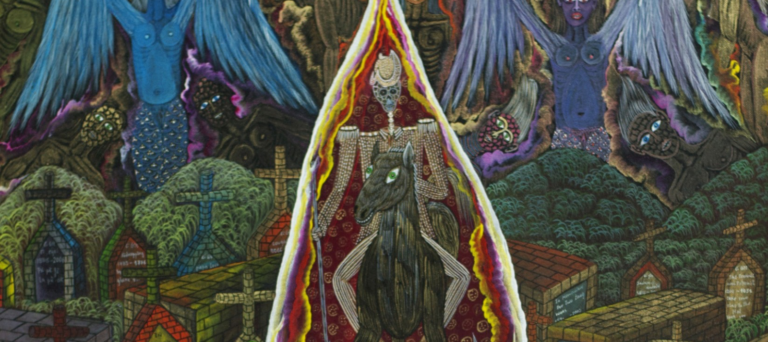
Frantz Zephirin, Wedding of Dambala, 2007, Galerie Macondo, Pittsburgh, PA, USA.
Vodou is one of the most misunderstood belief systems in the world. Derided by the Church and popular culture, in fact it is a fascinating system of ethics, culture, agriculture, cosmology, folklore, and medicine. Its foundations are in the tribal religions of West Africa and it was brought to the West Indies country of Haiti, to the USA, and to the Caribbean and Cuba by slaves of African descent. Let’s discover Haitian Vodou art.
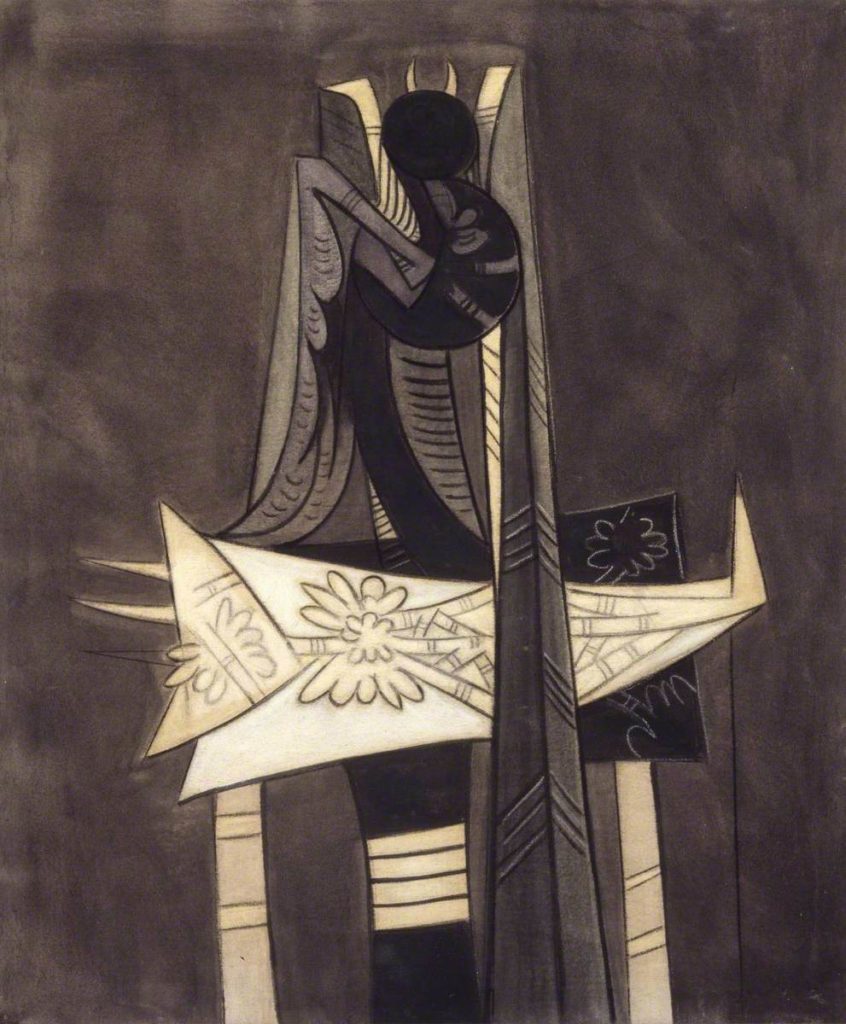
Haiti has a reputation for natural disasters, poverty, and violence, but in sharp contrast is the art of the urban and rural poor. These imaginative, visually intricate works reflect the rich history and culture of Haiti’s people.
Vodou (also known as voodoo, vodoo or voudon) is influenced by European Catholicism and folklore as well as the religion of Haiti’s first people, the Taino, who were almost wiped out by the first Spanish settlers. In Haitian Vodou art we see paintings, on board or canvas, tapestries, flags, and sculptural forms—all specific representations of spiritual power.
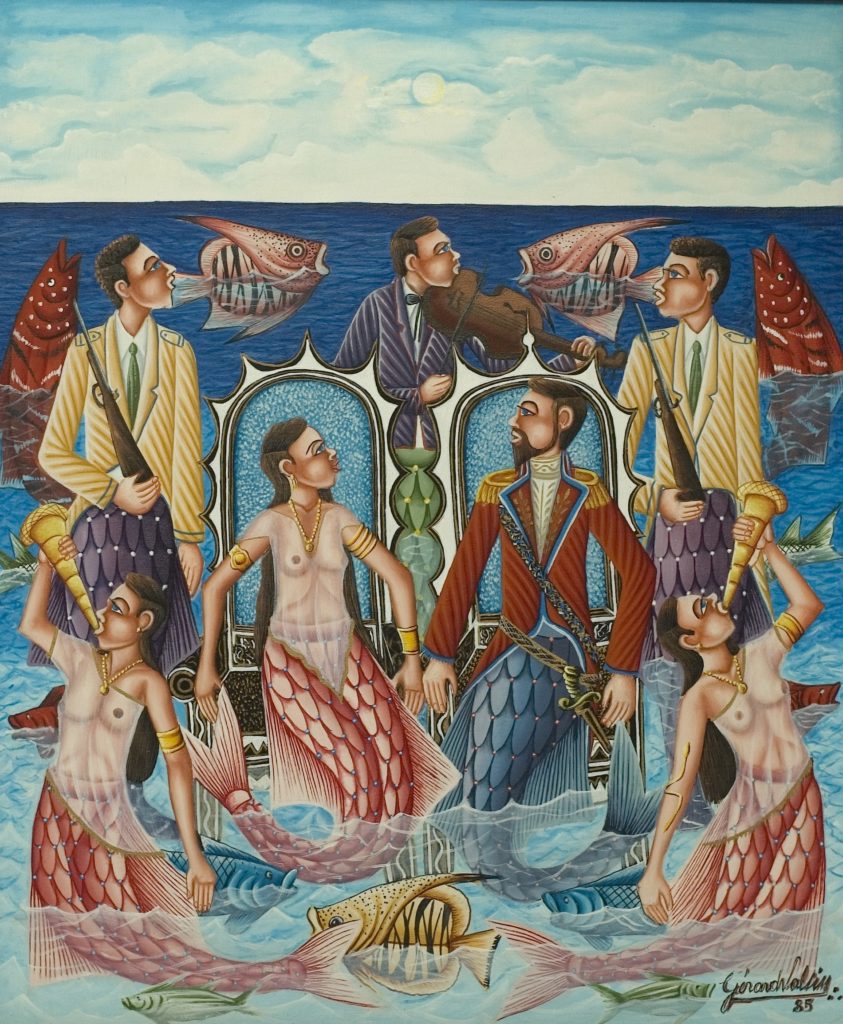
In Haiti from the 1950s to the 1970s Vodou was overshadowed by the terrible dictatorship of François Duvalier—Papa Doc. He used Vodou as an instrument of terror, dressing his militia, the Tontons Macoutes, as the spirit of agriculture while his own costume evoked the Vodou deity of death, Baron Samedi. Papa Doc, and his son Baby Doc looted the country and are reported to have killed 30,000 of their countrymen and women.
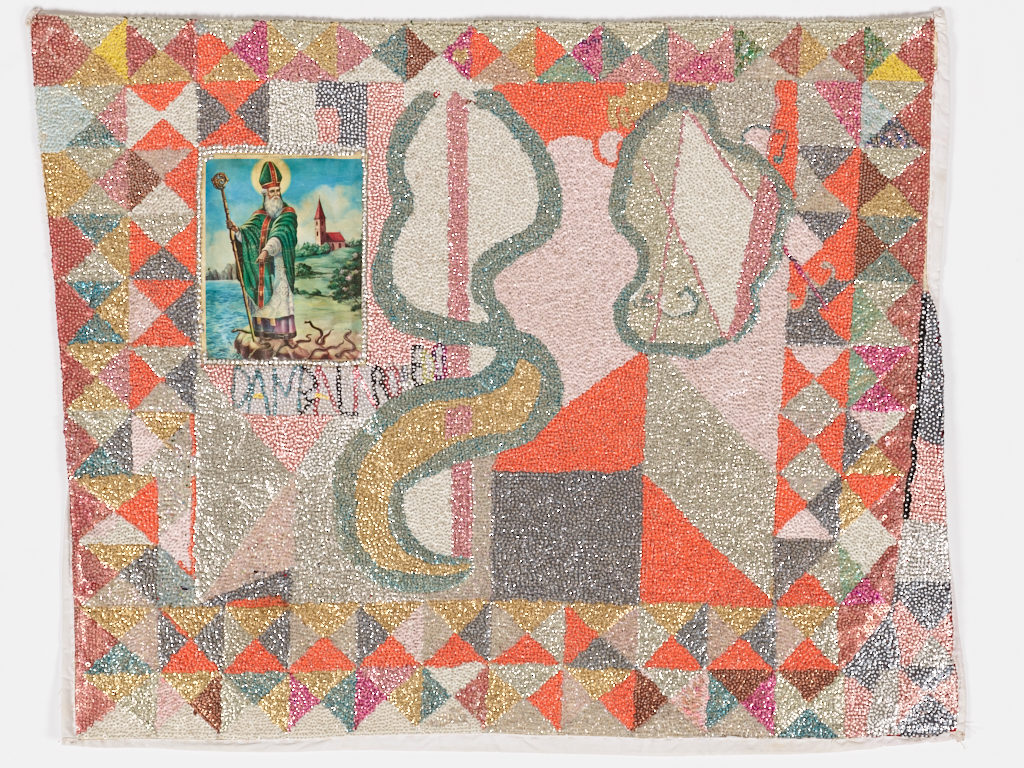
But Vodou is so much more than that grim chapter in Haiti’s history. It is a powerful phenomenon. Its supporters say it is neither good nor evil, but a way of channeling energy. It certainly was a way to champion and celebrate African heritage. And it was an impressive anti—colonial force, helping to establish the first autonomous Black nation, after the 1791 Haitian Revolution.
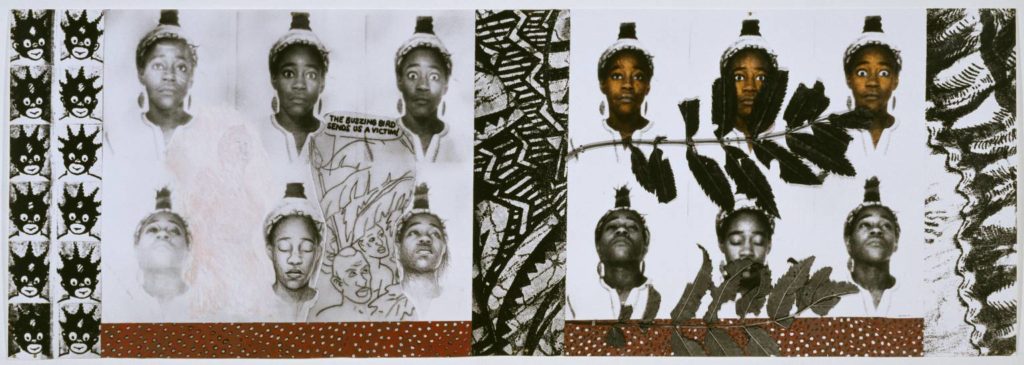
Modern artists continue to mine this rich seam of human experience, illuminating its value and relevance today.
DailyArt Magazine needs your support. Every contribution, however big or small, is very valuable for our future. Thanks to it, we will be able to sustain and grow the Magazine. Thank you for your help!

Candy's remote, rain-soaked farmhouse clings to a steep-sided valley in rural Wales. She raises cats, chickens, and children with varying degrees of success. Art, literature, and Lakrids licorice save her sanity on a daily basis.
The Japanese proverb says Nanakorobi yaoki, meaning “fall seven times, get up eight.” No matter how much you stumble, the essential is to...
Guest Author 13 August 2026
This July, DailyArt Magazine turns 10. On this occasion, we asked people who create it for symbolic artistic gifts. We asked for artworks that are...
Kate Wojtczak, Szymon Jocek 21 July 2026
In a world filled with happy couples and dating apps, it’s easy to feel down about being single. However, it’s time to change your perspective!...
Katerina Papouliou 11 November 2025
Vincent van Gogh is probably the first artist you think of when the Starry Night painting is mentioned. But he shouldn’t be the only one! Let...
Marta Wiktoria Bryll 30 June 2026