

Everything You Need to Know About the Vienna Secession
The Vienna Secession rebelled against the established order of art in Austria in the 19th century. Art Nouveau and other movements across Europe...
Bec Brownstone 1 October 2026
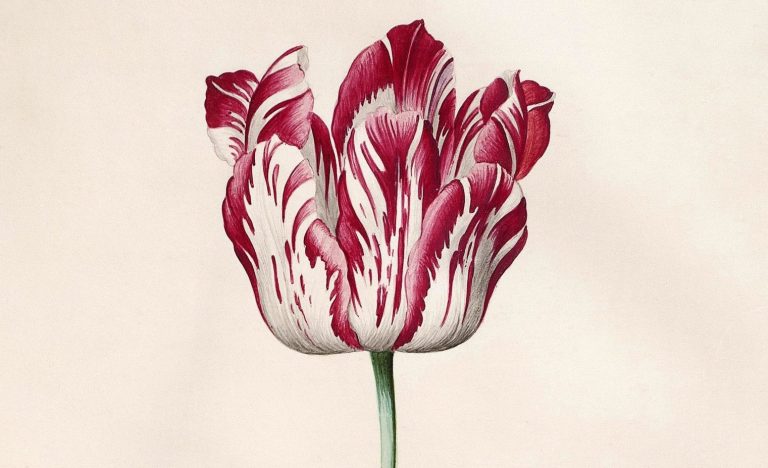
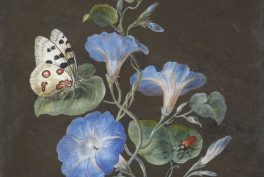
Judith Leyster, Tulip, c. 1643. Wikimedia Commons (public domain). Detail.
Today’s photographic capabilities are a better means of capturing the beauty and inner workings of plants; however, that has not always been the case. Before the invention of the macro lens or even microscopes, artists and scientists took to drawing the plants; both for science and visual pleasure. It is an artistic practice as old as “art” itself. And although it was a necessary part of identifying plant life in decades past, it is a process that is still very much alive today.
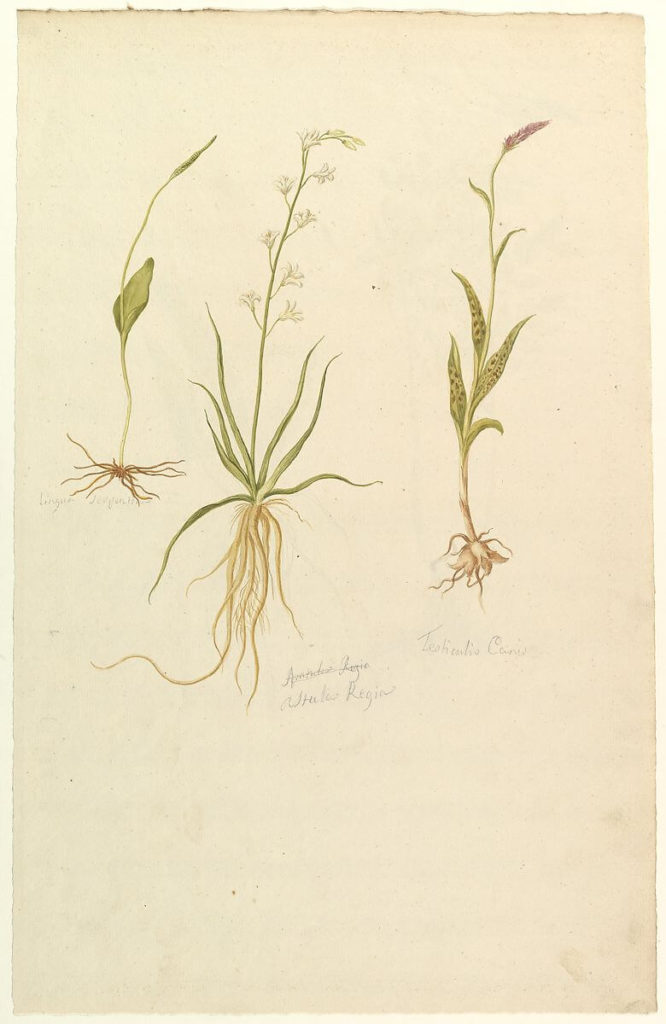
Botanical illustration is generally classified as “the art of depicting the form, color, and details of plant species”. There are different categories within the overall art of botanical illustration; in general, the illustrations can lean toward the more scientific, or more artistic and aesthetic like the below 18th-century plate.
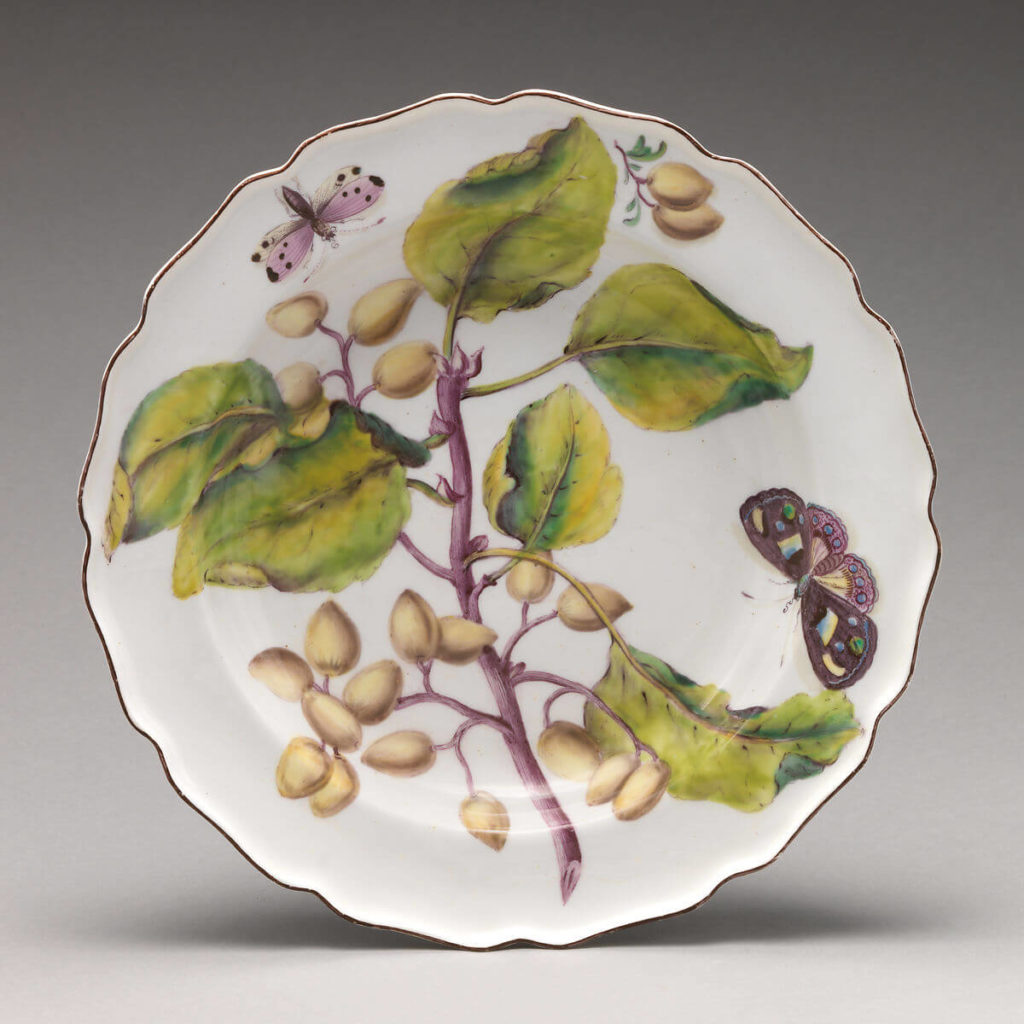
The art itself can be traced back to the mid-1st century. Since its beginning, various professions sought out and utilized the illustrations: physicians, pharmacists, botanical scientists, and gardeners to name a few. Contributions from botanical illustrators are numerous. Their work has helped to highlight plants distinguishing features which aid in the categorization of differentiating plant species.
The golden age of botanical art coincided, roughly, with the Age of Exploration: the 15th-17th centuries. As explorers “discovered” new continents, they brought along artists to detail the experience as well as to document any newly found plant or animal species.
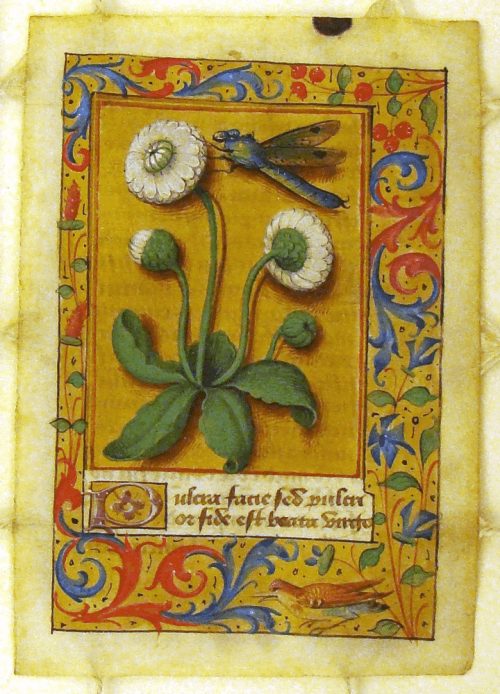
The fundamental factor in scientific quality of a botanical illustration is not the medium the artist chooses to use or the technology used for its representation, but the artist’s understanding of plant morphology.
Stephen A. Harris, Botanical Art & Artists.
Thankfully, now that we are in the digital age, many of the publications and illustrations are available to view online. Museums carry them, garden organizations display them; there is an abundance of art to be seen. Below are listed just a handful of botanical artists ranging from the 17th century to the present day.
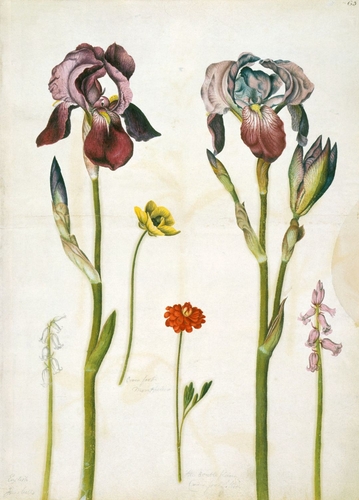
Alexander Marshall (1620–1682) was a gardener interested in documenting the species of plants growing in English gardens and beyond.
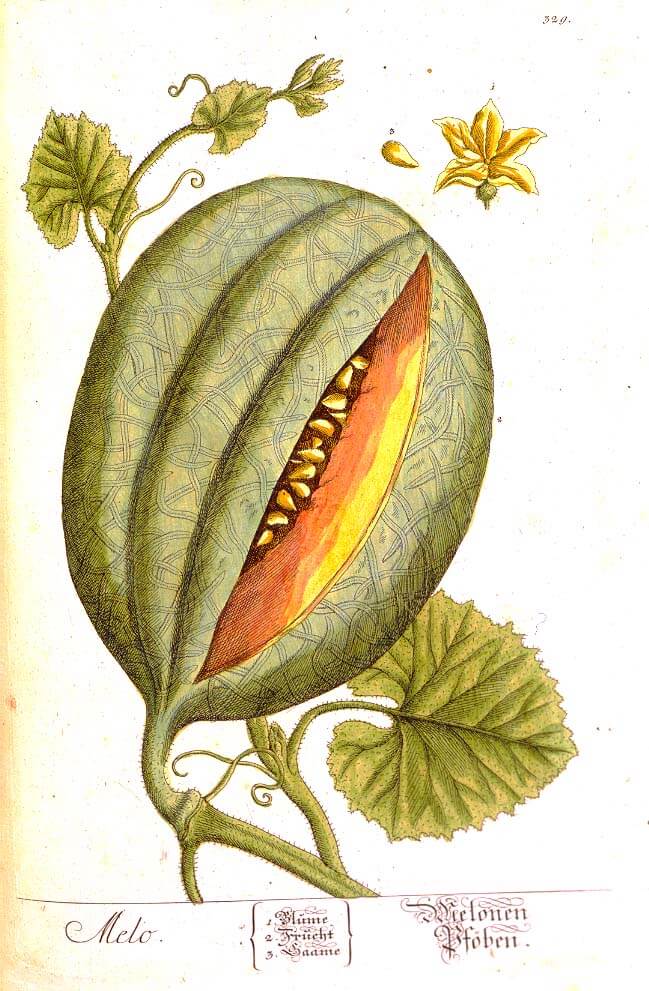
Elizabeth Blackwell (1707–1758) is notable in the world of botanical art for being one of the first artists to complete the full process of drawing, etching/engraving, and hand-coloring her own designs. Through this process, she was able to save money while putting together and publishing her A Curious Herbal in 1735; this led to Blackwell providing the money to free her husband from a debtor’s prison.
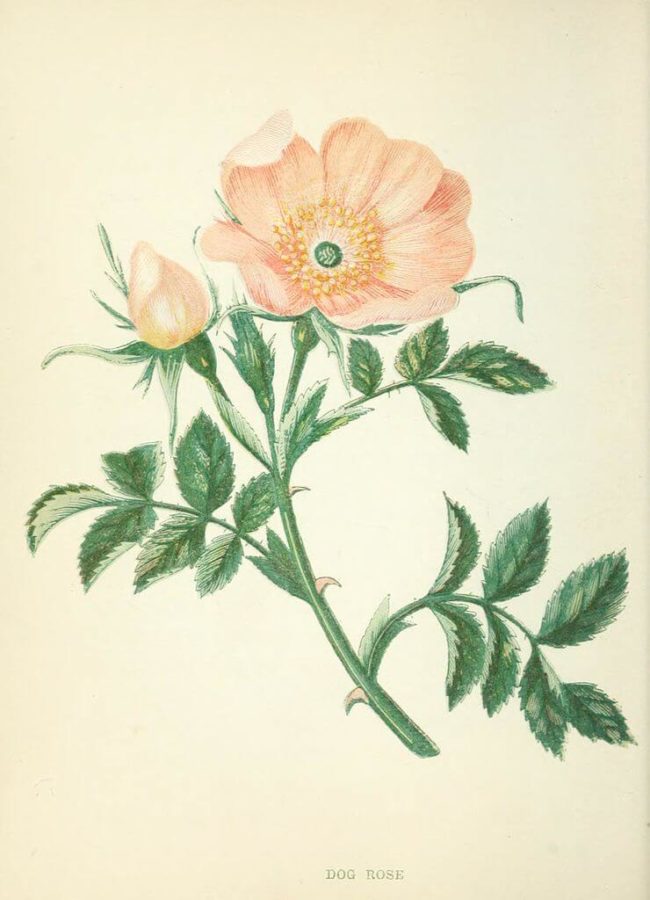
Anne Pratt (1806–1893) was known as one of the most influential Victorian botanical artists; she wrote and illustrated more than 20 books during her life.
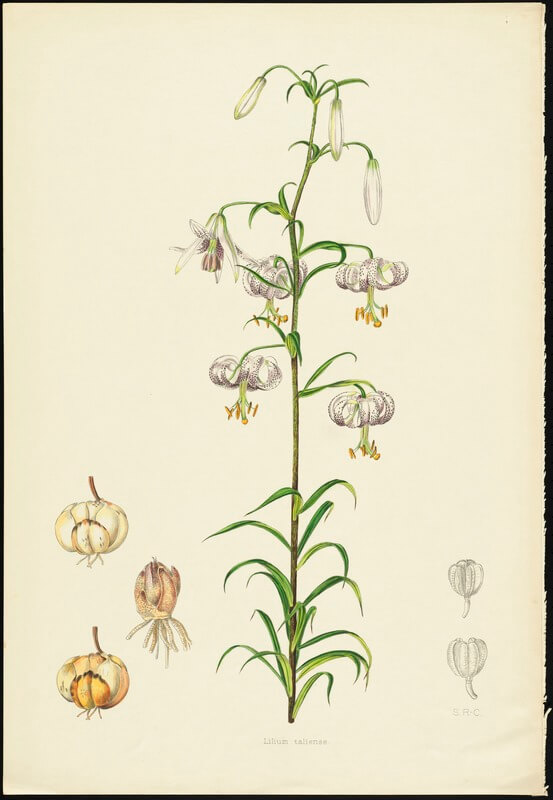
Stella Ross-Craig (1906–2006) is known for her artistic work and also for spearheading the publication of Drawings of British Plants, published between 1948-1973.
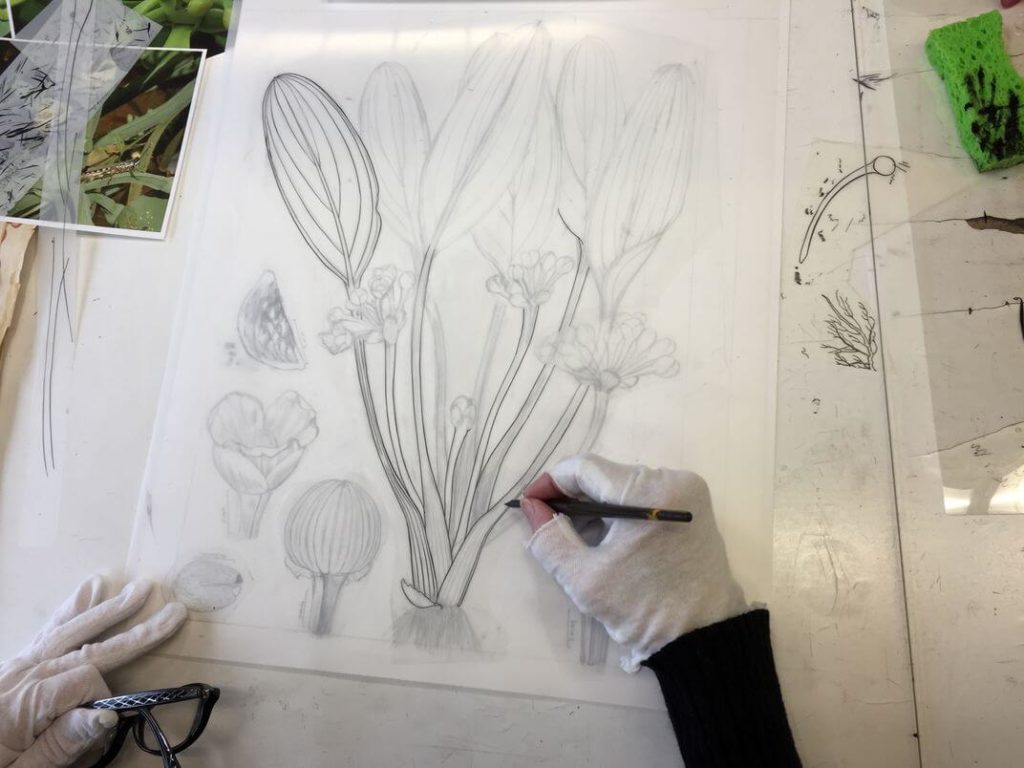
While the previous illustrators are no longer with us, Alice Tangerini (b. 1949) is active in the botanical art world. Furthermore, she currently works for the Smithsonian’s National Museum of Natural History, having been there since 1972.
Get to know more with Judith Magee, curator of rare books at the Natural History Museum in London:
DailyArt Magazine needs your support. Every contribution, however big or small, is very valuable for our future. Thanks to it, we will be able to sustain and grow the Magazine. Thank you for your help!

Rachel is attempting to navigate this crazy world with her two kids, husband, a whole lot of coffee, and some good books in tow. She holds a Master's degree in Art History and a Bachelor's in History. When she's not writing, she can be found day dreaming about traveling to all of the art museums and coffee shops.
The Vienna Secession rebelled against the established order of art in Austria in the 19th century. Art Nouveau and other movements across Europe...
Bec Brownstone 1 October 2026
Icons are among the oldest image traditions, yet they often remain misunderstood, especially in the West. They belong to a visual culture that...
Catherine Razafindralambo 27 April 2026
As one of the most enduring symbols in world mythology, the sphinx embodies a fascination with mystery, power, and transformation. From its origins...
Martha Teverson 10 November 2025
Color theory has played a central role in art throughout history, shaping how viewers respond to images even before they consciously think about the...
Jimena Aullet 12 January 2026